

Products are selected by our editors, we may earn commission from links on this page.
Linda Hyde had flown Southwest at least six or seven times a year for more than a decade without incident. On May 21 at Miami International Airport, a gate agent stopped her with a question she’d never faced before: could she fit into one seat? Hyde, president of the American Association of Private Lenders, had just completed a full Southwest flight in one seat the previous Monday. This time, the agent wasn’t convinced.
This article was created with the assistance of AI and reviewed by our editorial team for accuracy and clarity.
Southwest’s ‘Customer of Size’ Policy Rewrote a Decades-Old Rule
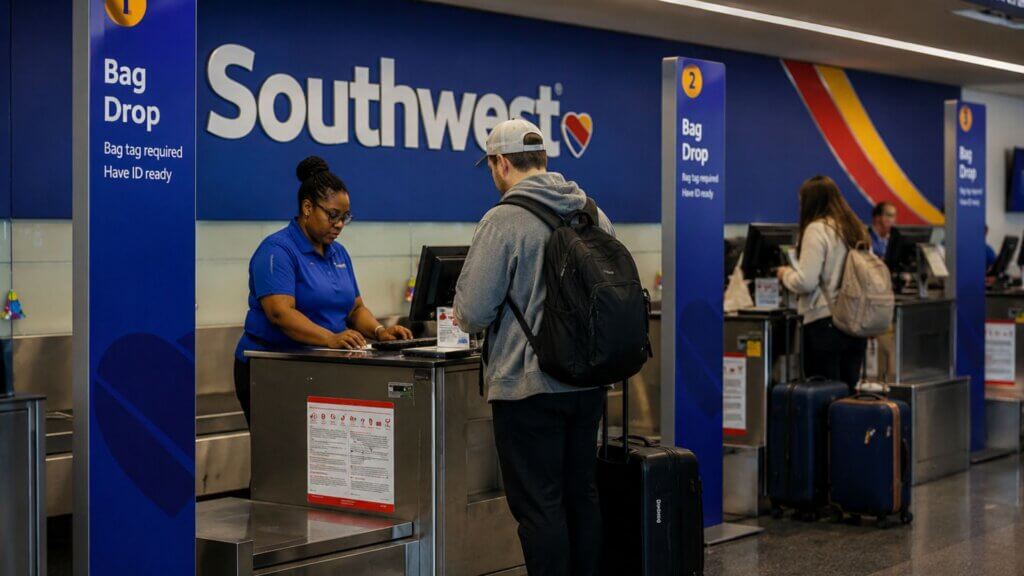
Hyde’s encounter traced back to a policy Southwest quietly enacted in January 2026. Under the rule, if an employee visually judges that a passenger cannot fit into a single seat, that passenger must purchase an adjacent one, sometimes without a guaranteed refund. It marked a sharp break from the airline’s longtime approach, which let customers request an extra seat at the gate free of charge. Hyde explained her situation, but the agent said she’d likely need a second ticket anyway.
Hyde Emailed Southwest, the DOT and Miami’s Tourism Board the Same Day
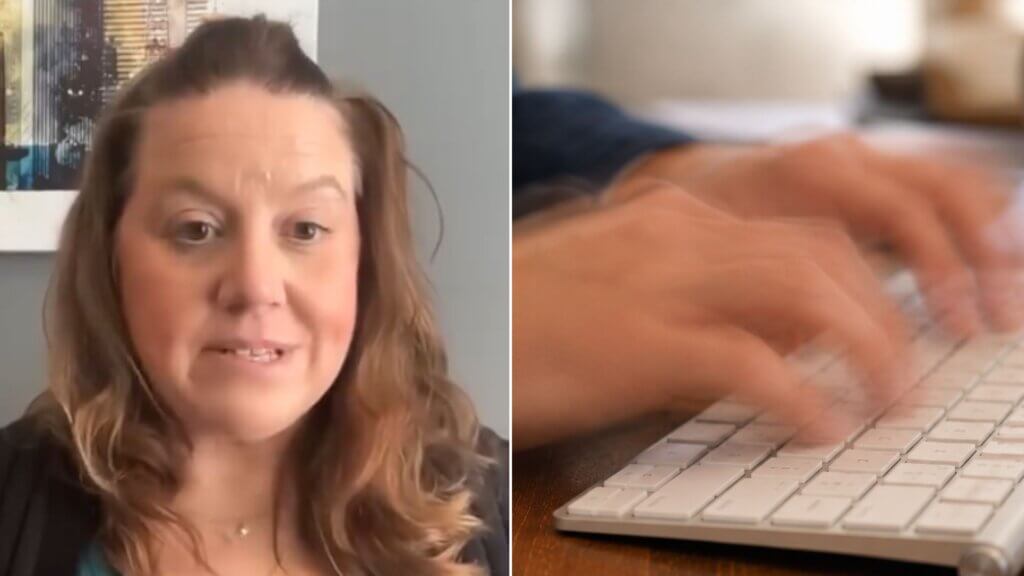
Furious, Hyde sent emails that same day to Southwest, the U.S. Department of Transportation and the Greater Miami Convention & Visitors Bureau, demanding accountability for what she called the agent’s “conduct.” She asked for a formal apology from the airline. Weeks later, none of the three organizations had responded to her. In more than 10 years of flying Southwest, Hyde said she had never once been asked to buy a second seat.
Southwest Scrapped Open Seating in January After Decades of Tradition
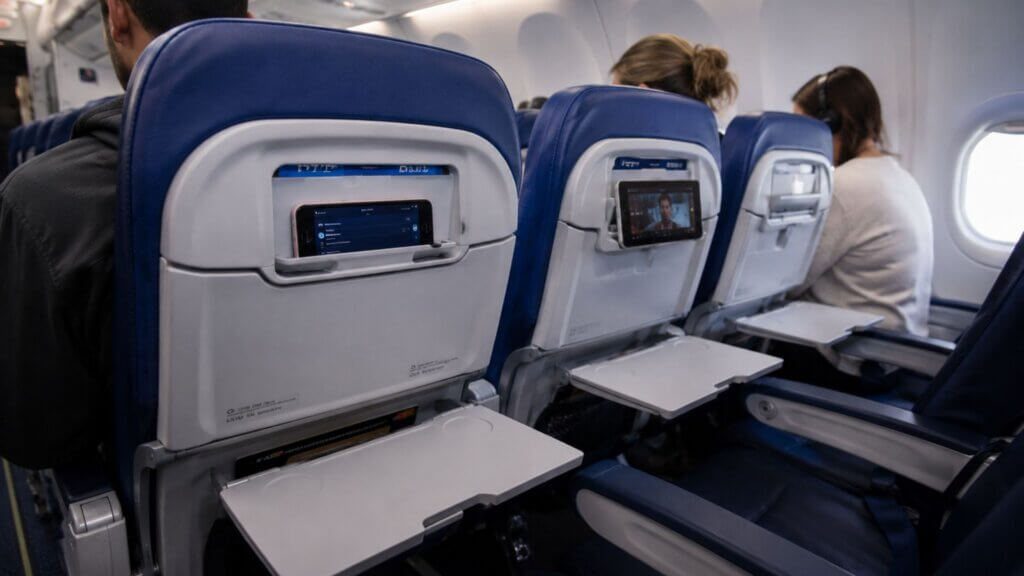
Southwest ended its decades-long open seating model in January 2026, moving to assigned seats like every other major U.S. carrier. Before the change, customers who needed extra room could purchase a seat ahead of time or request one at the gate, with a full refund guaranteed regardless of how full the flight was. Under the new system, Southwest said it would try to refund extra seats, but no longer promised it.
A 10-Minute Wait at Bag Check Ended With a Free Seat
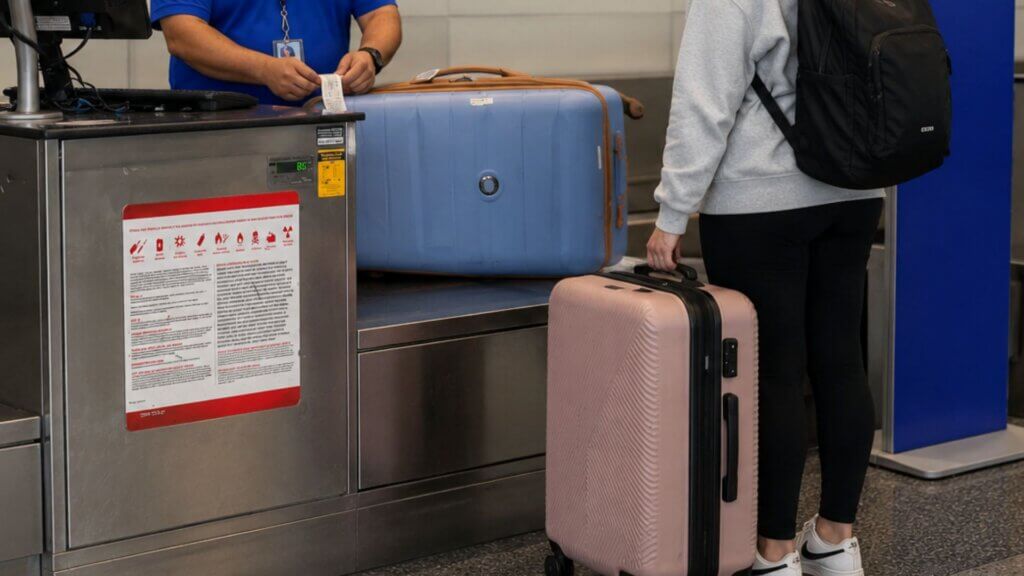
Had Hyde’s flight back to Kansas City been full, she would have faced a choice: pay for a second seat with no refund, or get bumped to a later flight. Instead, after more than 10 minutes near the bag check, a Southwest employee discovered the plane had 30 empty seats, including two next to Hyde. She was given the extra seat for free, the outcome she’d been fighting for since the gate.
‘We’re Not Cattle, We’re People,’ Hyde Said After the Incident
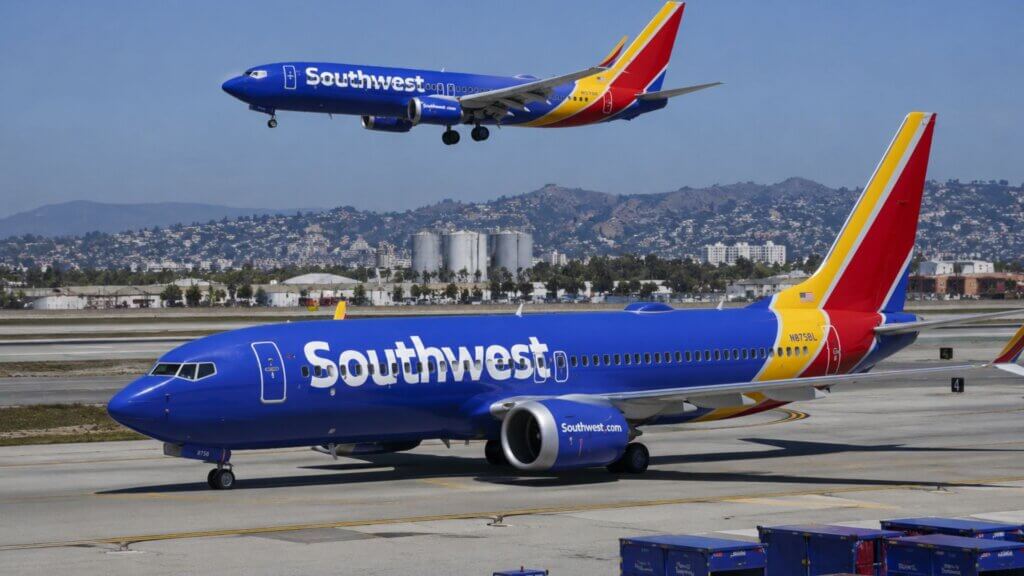
Hyde said the free seat didn’t erase what happened. She said she will likely never fly Southwest again, and wants her daughter to see her fight back rather than stay silent. “I’m willing to go to whatever, to whoever and yell for the room,” Hyde said. “We’re not cattle, we’re people, you have to treat us like people.” Her complaint zeroed in on how publicly the agent raised the question at the gate.
Southwest Reversed Course Days After Backlash Over the Policy
Hyde’s experience arrived amid mounting criticism of Southwest’s new rules. Days later, the airline tweaked the policy, saying passengers would only need to buy an extra seat if the flight was full, and that gate agents were now “empowered” to offer a free seat when room allowed. A Southwest spokesperson said the change would appear on the company’s website soon. NAAFA’s Tigress Osborn called the shift more about optics than genuine inclusion.
Rivals Like Delta and American Use the Armrest as the Standard
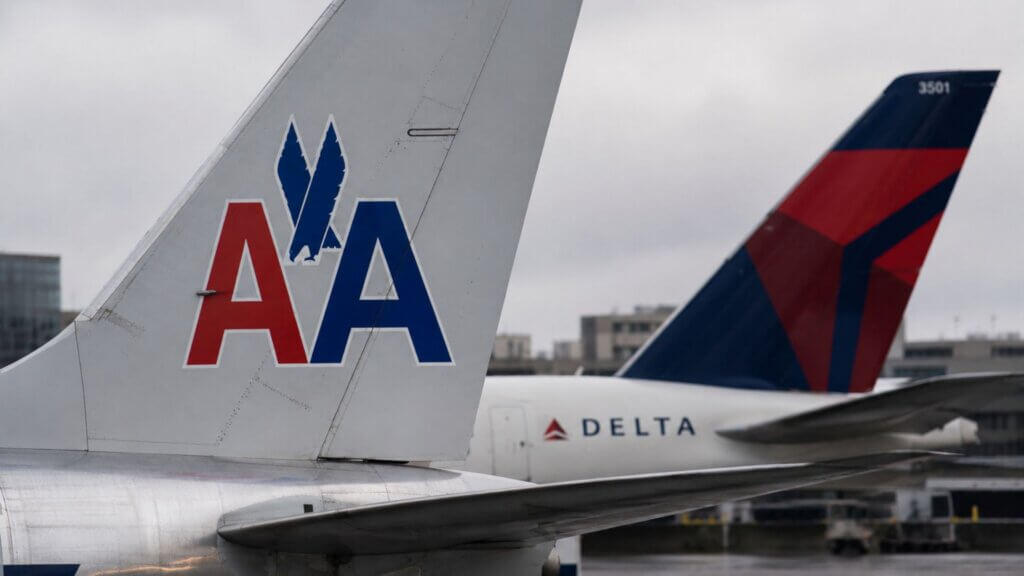
Southwest’s main MIA competitors, American, Delta and United, all rely on the armrest test: if a passenger can’t lower it without touching a neighbor, they must buy an extra seat. Hyde said the real problem was how the question was raised, in public, in front of other waiting passengers. She said large men on her flight were never questioned about their seats.
NAAFA Says Women of Color Face the Policy Most Often
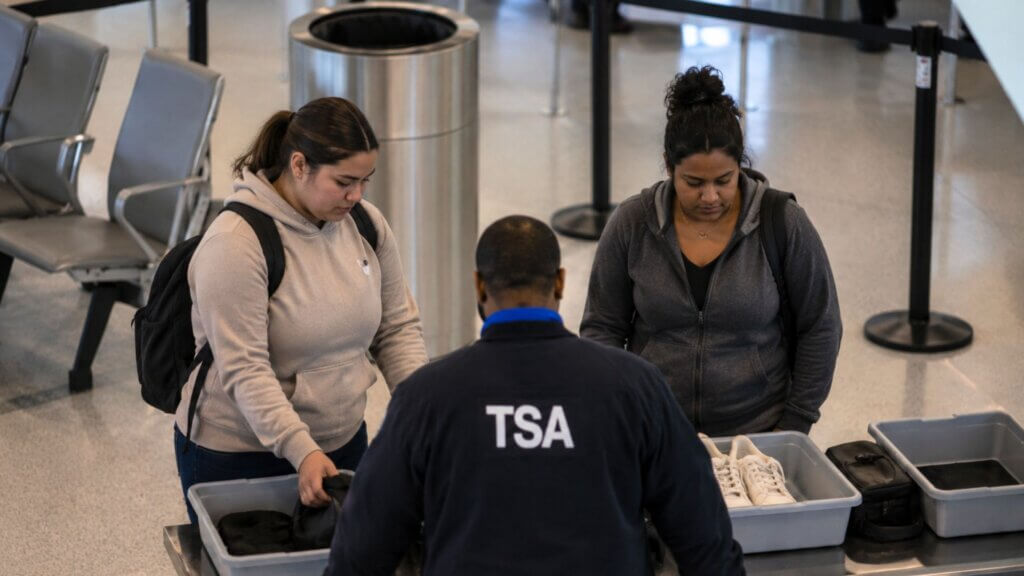
Tigress Osborn, executive director of the National Association to Advance Fat Acceptance, said her organization has tracked a pattern: women, and women of color especially, get flagged by agents more often than other passengers. Hyde believes Southwest’s policy may run afoul of the Air Carrier Access Act, a federal law barring airlines from discriminating against customers with disabilities. The Department of Transportation, though, said airlines aren’t legally required to provide more than one seat per ticket purchased.
Hyde Says She’s Prepared to Take Her Fight National
The Department of Transportation confirmed it tracks complaints but doesn’t sort them by “customer of size” cases, and rarely investigates individual reports given the volume it receives. Southwest has said it hasn’t received specific policy guidance from federal regulators. Hyde isn’t backing down. She says she’s ready to escalate her complaint nationally, turning one gate agent’s question at MIA into a broader challenge to how airlines treat larger passengers at the boundary of federal law.