

Products are selected by our editors, we may earn commission from links on this page.
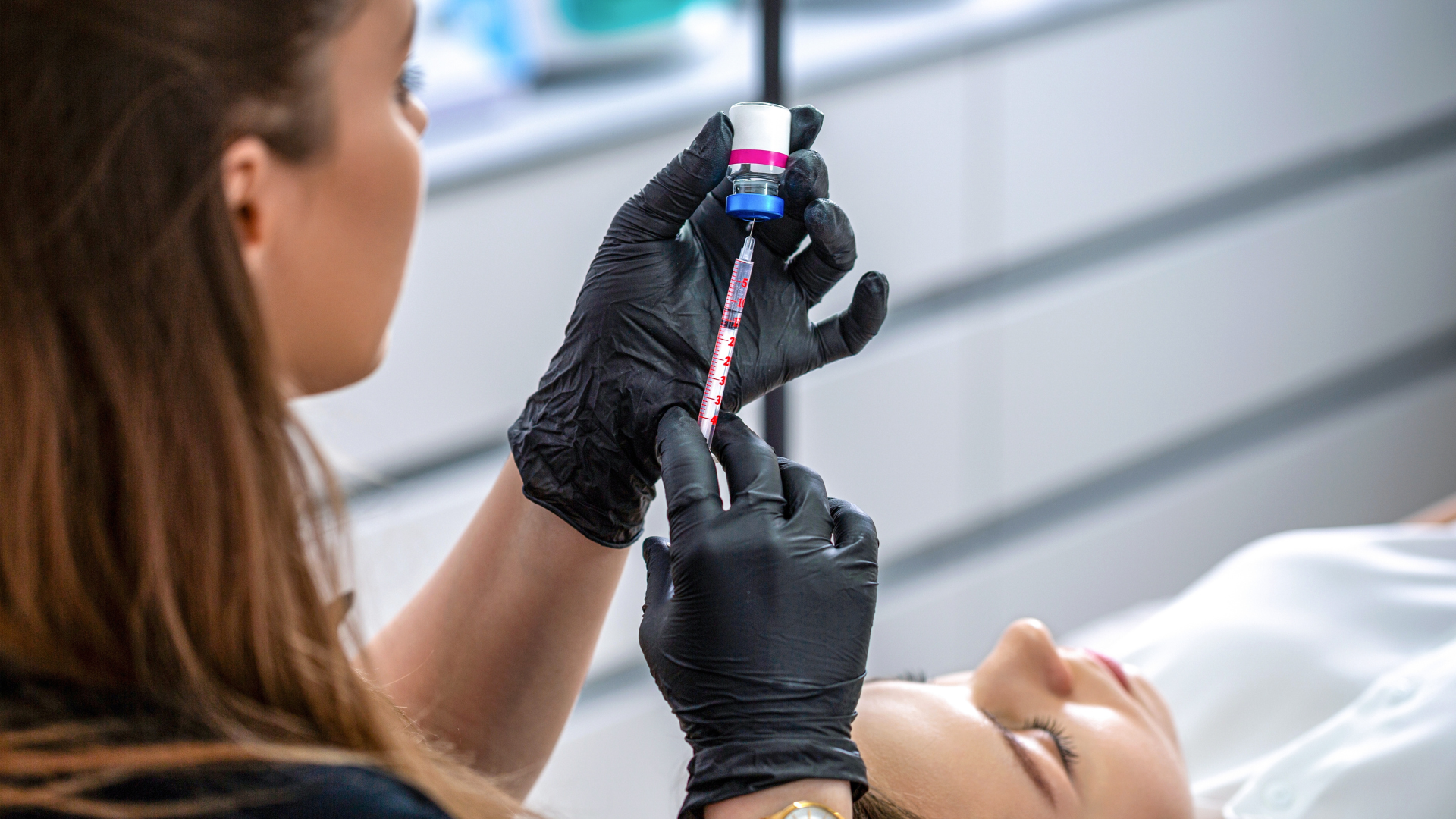
GLP-1 weight loss medications such as Ozempic, Wegovy, and Mounjaro have helped millions of people lose significant amounts of weight, but doctors say the physical changes are extending beyond the waistline. Dermatologists and cosmetic surgeons are reporting a growing number of patients seeking Botox, fillers, skin-tightening treatments, and even facelifts after experiencing facial volume loss following rapid weight reduction. The trend has become so widespread that the term “Ozempic face” is now commonly used to describe the hollow cheeks, sagging skin, and more pronounced wrinkles that some patients notice after losing weight.
Experts emphasize that these facial changes are not caused directly by the medications themselves. Instead, they result from rapid fat loss, which reduces the natural padding beneath the skin throughout the body, including the face. While many patients are pleased with their weight loss, some seek cosmetic treatments to restore facial fullness or address signs of aging that become more noticeable after losing weight.
The growing demand is benefiting aesthetic medicine companies and cosmetic practices. Industry leaders say patients are increasingly combining successful weight loss with facial rejuvenation procedures as they work to match their appearance with how they feel after improving their overall health.
Why Weight Loss Is Increasing Demand for Botox and Cosmetic Treatments
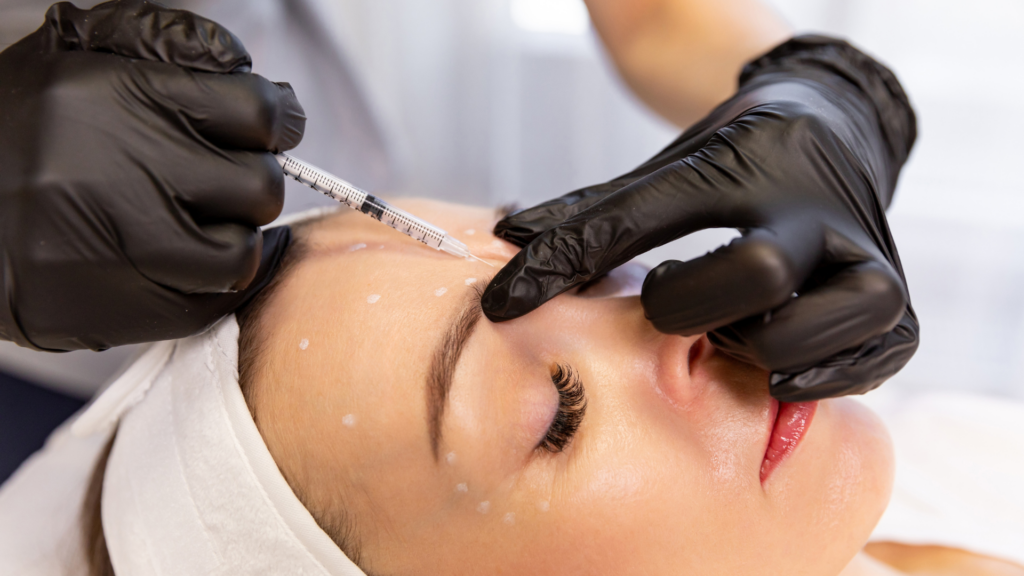
Rapid weight loss can reduce fat deposits in the cheeks, temples, jawline, and around the eyes, making facial bones and wrinkles more prominent. As skin loses the underlying support provided by facial fat, some people develop loose skin or jowls that were previously less noticeable. Dermatologists explain that these changes can occur after any substantial weight loss, whether achieved through diet, bariatric surgery, or GLP-1 medications.
Botox remains one of the most requested treatments because it helps soften expression lines on the forehead and around the eyes. However, physicians note that Botox cannot restore lost facial volume. Patients experiencing hollow cheeks or sagging skin often require dermal fillers, fat grafting, skin-tightening procedures, or surgical facelifts to achieve their desired results.
Major aesthetics companies have reported increased interest from patients using GLP-1 medications. Some manufacturers have even identified this growing population as an important driver of future demand for cosmetic treatments designed to address facial aging and volume loss associated with rapid weight reduction.
Doctors Say the Benefits of Weight Loss Still Outweigh Cosmetic Concerns

Medical experts stress that facial changes should not discourage people from pursuing medically appropriate weight loss. For individuals living with obesity or type 2 diabetes, GLP-1 medications can significantly reduce health risks, improve blood sugar control, and lower the chances of developing serious cardiovascular complications. The appearance of facial aging is generally considered a cosmetic issue rather than a medical complication.
Dermatologists recommend focusing first on achieving a healthy, stable weight before considering cosmetic procedures. Once weight has stabilized, patients and their physicians can better determine which treatments, if any, are appropriate. In some cases, skincare, hydration, and collagen-stimulating treatments may provide noticeable improvement without surgery, while others may benefit from fillers or more advanced facial rejuvenation procedures.
Doctors also encourage patients to maintain realistic expectations. While cosmetic procedures can restore facial volume and reduce wrinkles, they cannot completely reverse the natural aging process. A personalized treatment plan based on overall health, skin quality, and weight-loss goals typically produces the best long-term results.
Facial Rejuvenation Is Becoming Part of the Weight Loss Journey
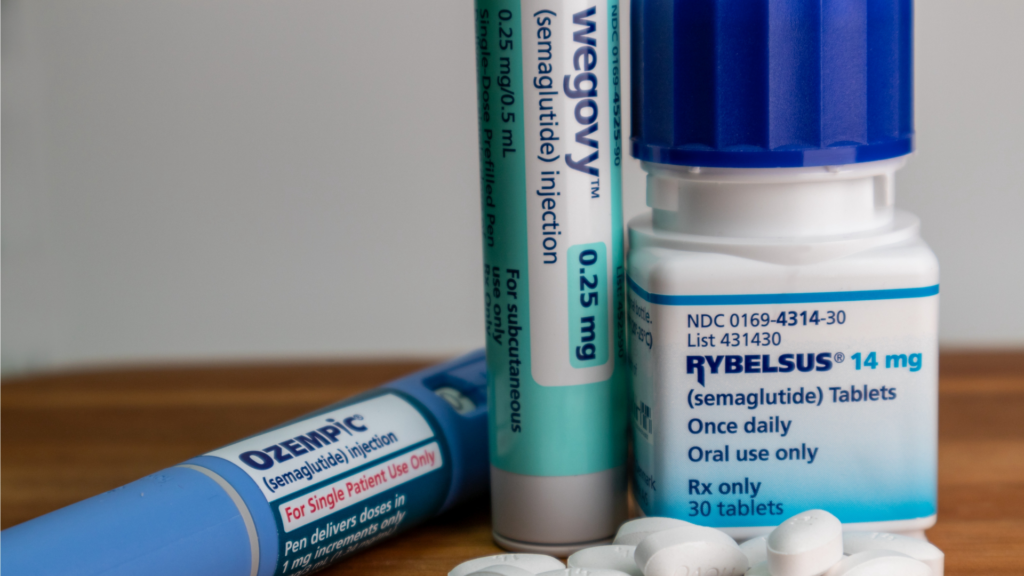
The popularity of GLP-1 medications is reshaping more than obesity treatment. It is also influencing the cosmetic medicine industry as increasing numbers of patients seek procedures to address facial volume loss that can accompany rapid weight reduction. Treatments such as Botox, fillers, skin-tightening therapies, and facelifts are becoming more common among individuals looking to complement their weight-loss results.
Physicians emphasize that “Ozempic face” is not a dangerous side effect of the medications but rather a natural consequence of losing fat throughout the body. For many patients, the health benefits of reaching a healthier weight far outweigh cosmetic concerns, and facial appearance can often be improved through personalized aesthetic treatments if desired.
As GLP-1 medications continue to transform obesity care, experts expect demand for facial rejuvenation procedures to remain strong. The trend illustrates how advances in weight-loss medicine are influencing not only physical health but also the rapidly evolving field of cosmetic dermatology and plastic surgery.