


Products are selected by our editors, we may earn commission from links on this page.

Student loan debt has become one of the most debated financial issues in the United States. Millions of borrowers continue making payments years after graduation, while rising tuition costs leave many current students wondering what college will cost in the future. As policymakers debate potential solutions, student debt has increasingly become a political issue, influencing how many young adults view the economy, higher education, and government policy.
Student Debt Continues to Affect Millions

Federal student loans have helped millions of Americans attend college, but many borrowers leave school owing tens of thousands of dollars. Monthly loan payments can influence decisions about buying a home, starting a family, saving for retirement, or changing careers. Because of its widespread impact, student debt remains a major topic in national policy discussions.
College Costs Have Risen Over Time

The cost of attending college has increased substantially over the past several decades. Tuition, housing, textbooks, and other education-related expenses have all contributed to larger borrowing needs for many students. While scholarships and financial aid help some families, many graduates still rely on loans to complete their degrees.
Borrowers Have Different Experiences

Not every borrower faces the same financial situation. Some are able to repay their loans relatively quickly, while others spend years managing monthly payments alongside other living expenses. Income, career choice, degree type, and local housing costs can all affect how manageable student debt feels after graduation.
The Issue Has Become Highly Political
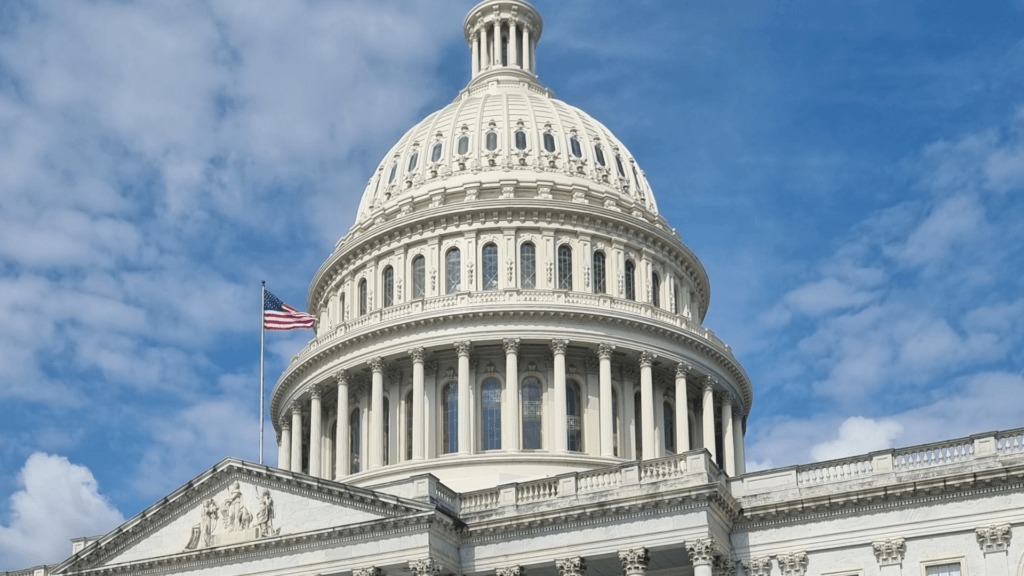
Student debt has become a recurring topic during elections and legislative debates. Policymakers have proposed a variety of approaches, including changes to repayment plans, loan forgiveness programs, interest rules, and college affordability initiatives. These proposals often generate strong opinions from supporters and critics alike, reflecting broader disagreements about the role of government in higher education financing.
Graduates Are Paying Close Attention

Many recent graduates closely follow student loan policy because it can directly affect their finances. Changes to repayment options, interest rates, or forgiveness programs may influence long-term budgeting decisions. As a result, education policy has become an important issue for many younger voters entering the workforce.
The Debate Extends Beyond Student Loans

Discussions about student debt often lead to broader questions about the cost of higher education. Many experts argue that addressing tuition inflation, expanding financial aid, and improving transparency around college costs are important parts of reducing future borrowing. Others emphasize workforce training, apprenticeships, and alternative education pathways alongside traditional four-year degrees.
There Is No Single Solution

Economists, educators, and policymakers have suggested many possible solutions, but no single approach has gained universal support. Ideas range from expanding income-driven repayment programs to increasing grant funding or lowering the overall cost of college. Each proposal involves trade-offs that continue to be debated at both the state and federal levels.
What Borrowers Can Do Now

Regardless of future policy changes, financial experts encourage borrowers to stay informed about their repayment options. Reviewing federal repayment plans, checking loan servicer updates, and understanding eligibility for existing assistance programs can help borrowers make informed decisions while managing their debt responsibly.
Student Debt Will Likely Remain a Major Public Issue

Student debt affects millions of Americans and continues to shape conversations about education, personal finances, and public policy. While opinions differ on the best path forward, there is broad agreement that college affordability and student borrowing will remain important issues for graduates, lawmakers, and future students alike. As new proposals emerge, borrowers will likely continue watching closely to see how changes could affect their financial future.