

Products are selected by our editors, we may earn commission from links on this page.
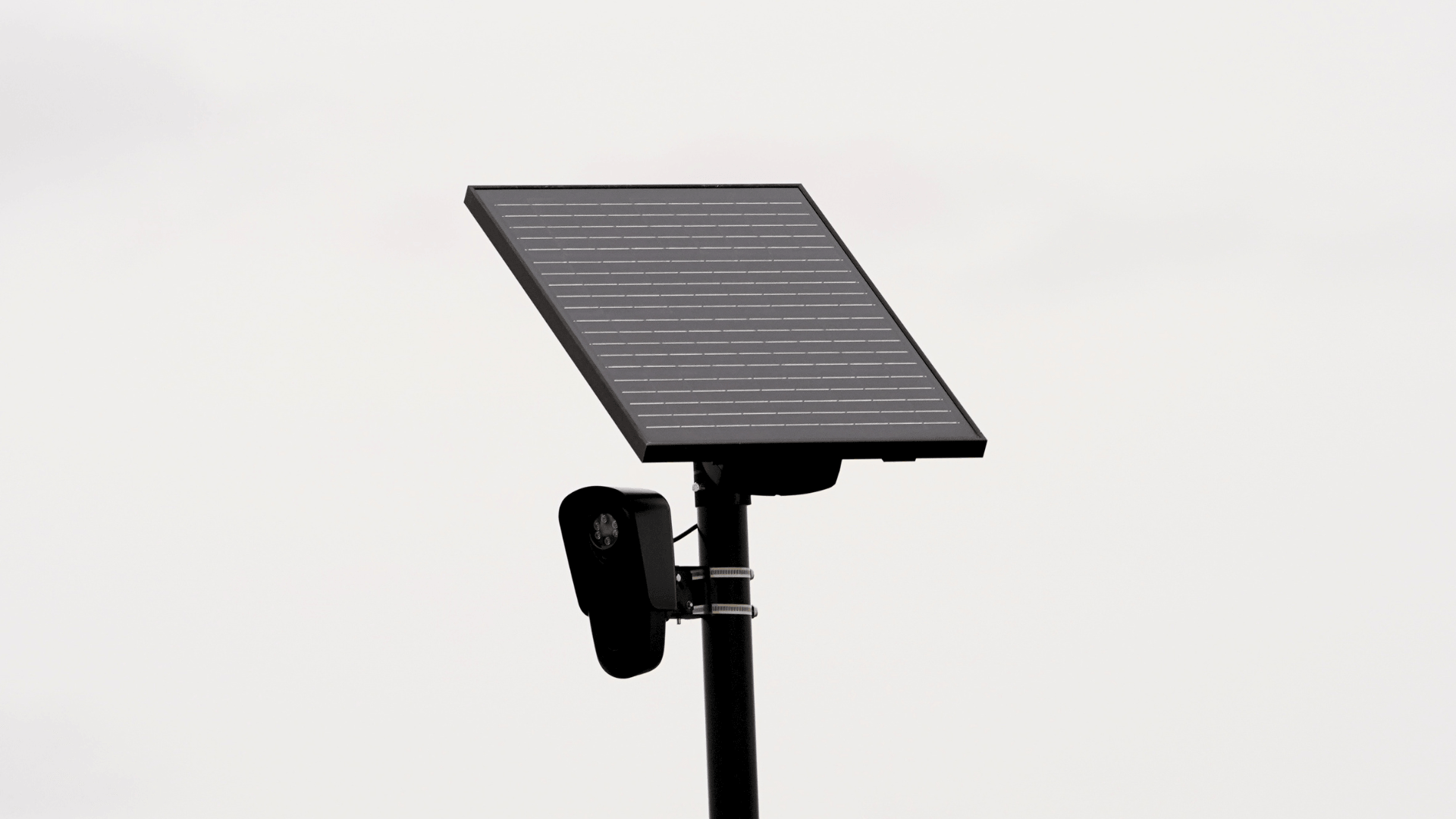
Cities and law enforcement agencies across 23 states are canceling or declining to renew contracts with Flock Safety, the company behind one of the nation’s largest networks of automated license plate recognition (ALPR) cameras. While the technology has been widely adopted to help investigate stolen vehicles, violent crimes, and missing persons cases, a growing number of local governments are questioning whether its benefits outweigh concerns about privacy, surveillance, cost, and public oversight.
According to reports, several municipalities have ended their agreements after public debate, city council votes, or reviews of how the cameras were being used. Civil liberties organizations have also raised concerns that widespread deployment of ALPR systems could enable continuous tracking of drivers’ movements, even when they are not suspected of committing crimes.
Supporters of the cameras argue that they remain valuable investigative tools that have helped police recover stolen vehicles, locate suspects, and solve criminal cases more quickly. However, the growing number of canceled contracts highlights increasing scrutiny over how the technology is managed and regulated.
Which Cities Are Ending Their Contracts and Why

Several cities have recently chosen to end or reconsider their relationships with Flock Safety following public criticism and policy reviews. According to the report, communities including Norfolk, Virginia; Denver, Colorado; Boulder, Colorado; Chattanooga, Tennessee; and parts of California, Illinois, Texas, and Massachusetts have either canceled contracts, allowed agreements to expire, or rejected proposals for additional camera installations.
Although the specific reasons vary by community, several common concerns have emerged. Some local officials questioned whether the systems provided sufficient value relative to their cost, while others cited concerns about data retention policies, transparency, oversight, and the potential for mass surveillance. In some cities, residents expressed worries that the cameras could collect information on the daily movements of law-abiding drivers without their knowledge or consent.
Privacy advocates have also argued that stronger safeguards are needed regarding who can access the collected data, how long it is stored, and whether information is shared across jurisdictions. Some municipalities concluded that additional local policies or legal protections should be established before expanding or continuing the use of the technology.
The Debate Over Public Safety and Privacy
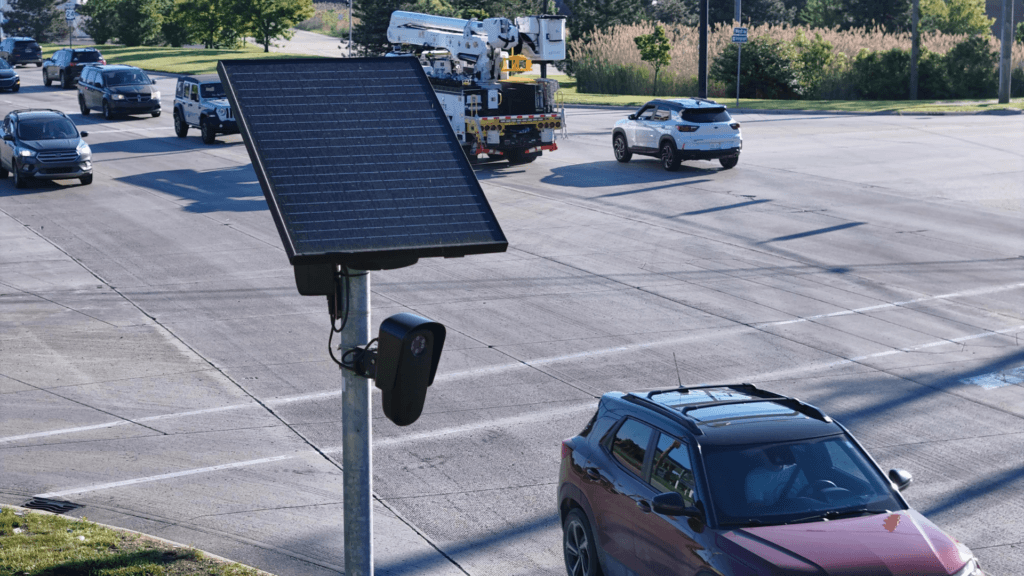
Flock Safety maintains that its cameras are designed specifically to support criminal investigations rather than provide continuous surveillance of individuals. The company says its cameras capture images of license plates and vehicle characteristics, not drivers or passengers, and that agencies control how they use the information in accordance with applicable laws and department policies.
Law enforcement agencies that continue using the system point to numerous successful investigations involving stolen vehicles, Amber Alerts, missing persons, and violent crimes. Many police departments argue that automated license plate readers allow investigators to identify suspect vehicles more quickly than traditional investigative methods, helping solve crimes while improving officer efficiency.
Nevertheless, critics contend that expanding networks of ALPR cameras raise broader constitutional and privacy questions. Civil liberties organizations have called for stricter limits on data sharing, shorter retention periods, greater public transparency, independent audits, and stronger oversight to ensure the technology is not misused or expanded beyond its original public safety purpose.
Communities Continue Weighing Safety Benefits Against Privacy Concerns
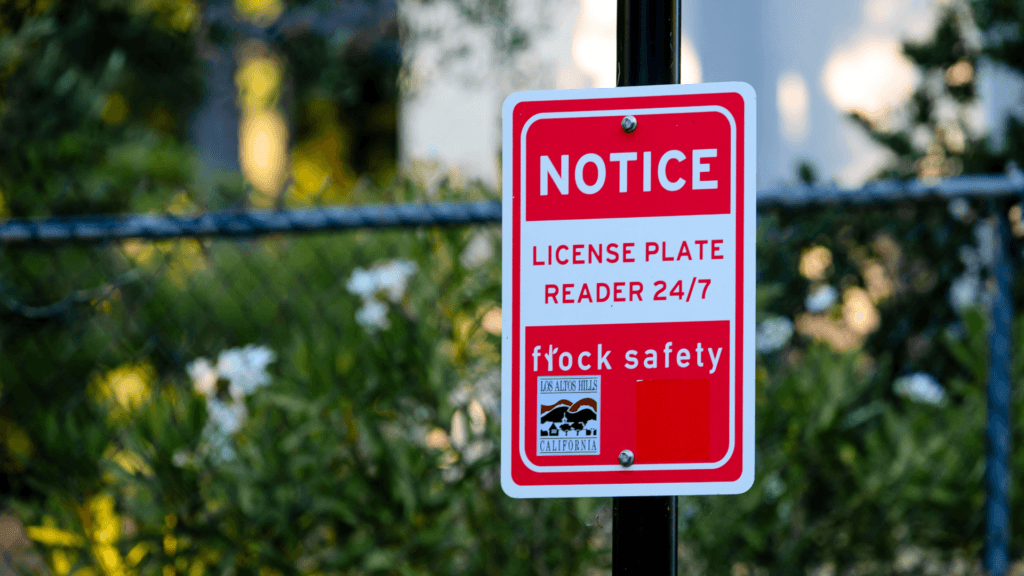
The growing number of canceled Flock Safety contracts demonstrates that many communities are taking a closer look at how automated surveillance technologies fit into modern policing. While the cameras have contributed to numerous criminal investigations and vehicle recoveries, concerns over privacy, accountability, transparency, and long-term data collection have led some cities to reconsider their use.
Cities such as Norfolk, Denver, Boulder, Chattanooga, and several municipalities in California, Illinois, Texas, and Massachusetts illustrate the range of approaches local governments are taking. Some have ended contracts because of privacy concerns, others cited costs or insufficient oversight, while some opted to pause expansion until clearer policies are in place.
As automated license plate recognition technology continues to evolve, lawmakers, police departments, and residents will likely continue debating where the balance should be drawn between public safety and individual privacy. The decisions made by these communities may shape how similar surveillance systems are regulated and deployed across the United States in the years ahead.