

Products are selected by our editors, we may earn commission from links on this page.
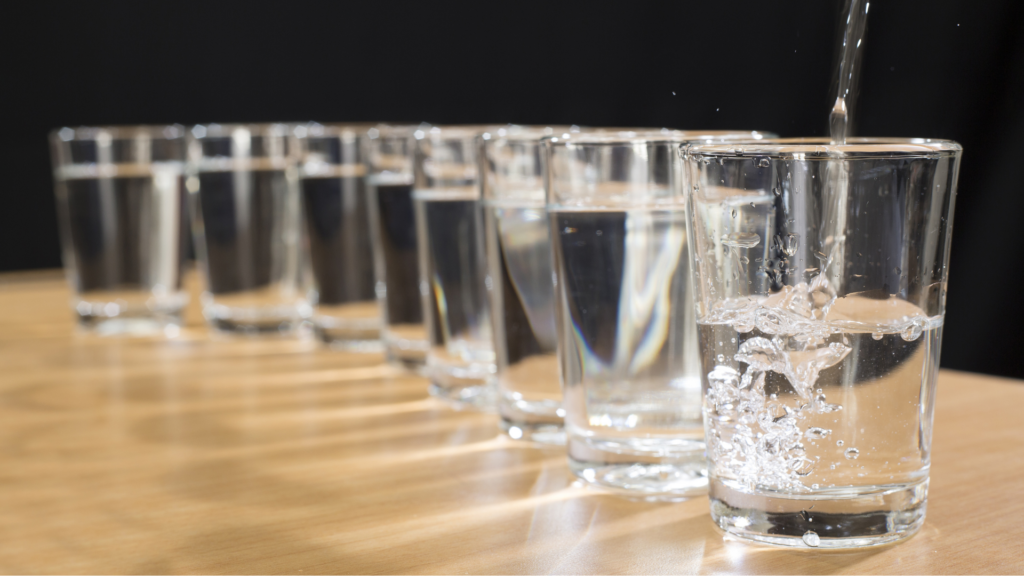
For years, many people have heard the advice to drink eight glasses of water every day. While staying hydrated is essential for good health, scientists say there isn’t a one-size-fits-all rule that works for everyone. In fact, your body’s hydration needs depend on factors like age, activity level, climate, diet, and overall health. Rather than counting glasses, experts say there’s a much simpler way to know whether you’re getting enough fluids.
The “8 Glasses a Day” Rule Isn’t Based on Everyone’s Needs
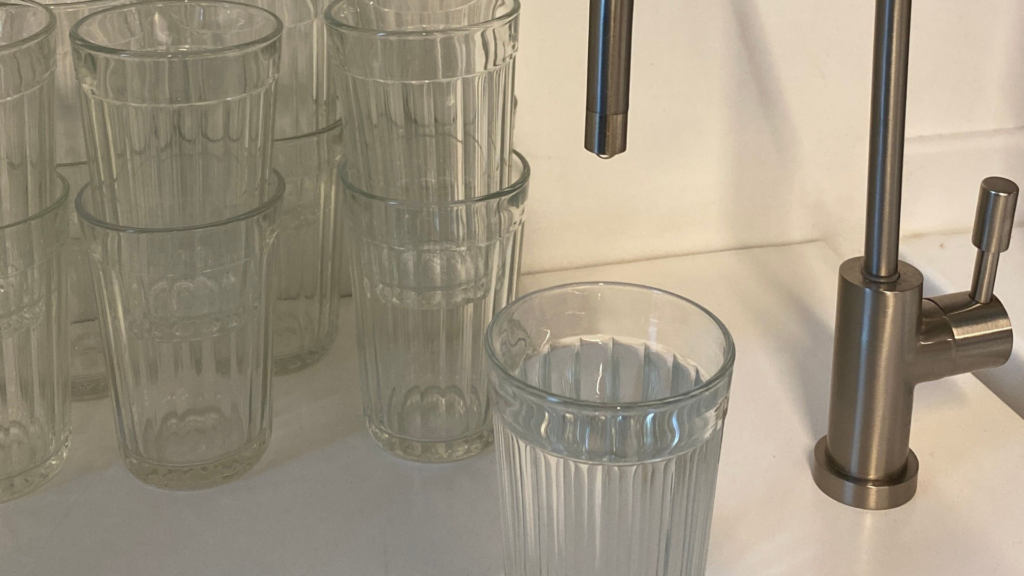
Although the “8×8 rule” has become one of the most widely repeated health recommendations, researchers say there’s limited scientific evidence supporting it as a universal target. Individual hydration needs vary considerably from person to person. Someone who exercises outdoors in hot weather, for example, will generally require more fluids than someone spending the day indoors.
Your Thirst Is Usually a Reliable Guide

Scientists say that for most healthy adults, thirst is one of the body’s best built-in hydration signals. When you begin feeling thirsty, your body is already telling you it needs more fluids. Rather than forcing yourself to drink a certain number of glasses every day, paying attention to thirst can help you maintain healthy hydration naturally.
Urine Color Can Offer Another Helpful Clue
Another simple way to monitor hydration is by checking the color of your urine. Pale yellow generally suggests adequate hydration, while darker yellow or amber-colored urine may indicate that it’s time to drink more fluids. Certain vitamins and medications can also affect urine color, so it’s only one of several signs to consider.
Food Counts Toward Your Daily Fluid Intake
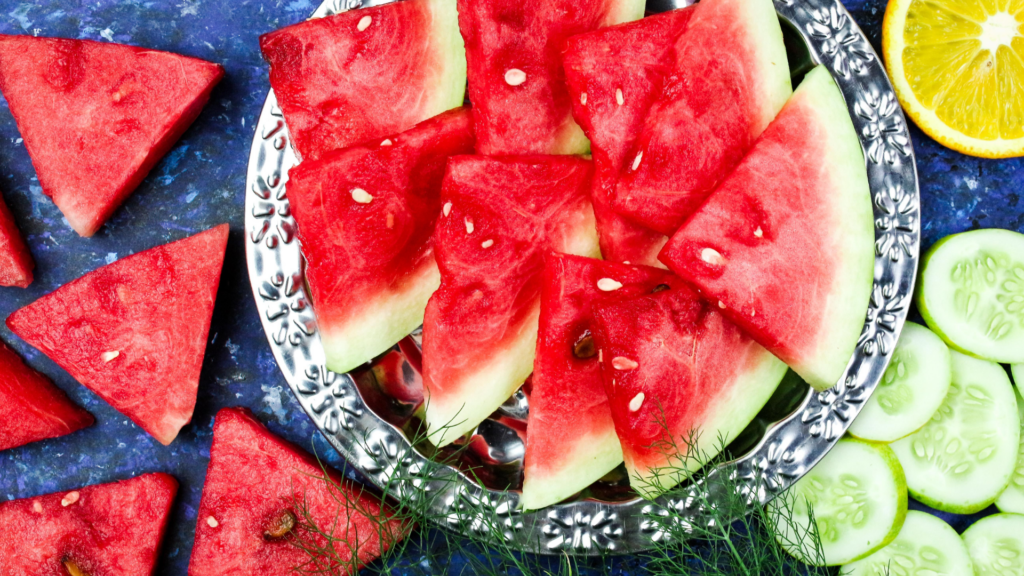
Water doesn’t have to come only from beverages. Many fruits and vegetables contain high amounts of water and contribute to your daily fluid intake. Foods such as watermelon, cucumbers, strawberries, oranges, lettuce, tomatoes, and soups can all help keep you hydrated throughout the day.
Some People Need More Water Than Others
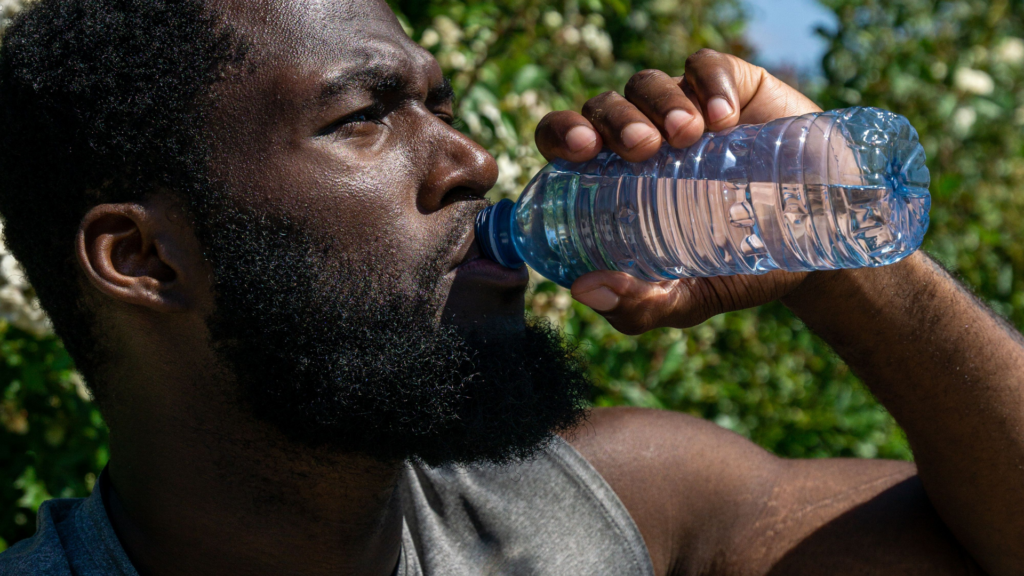
Hydration needs increase during exercise, hot or humid weather, illness with fever or vomiting, pregnancy, and breastfeeding. Older adults may also need to pay closer attention because their sense of thirst can decrease with age. People with certain medical conditions should follow hydration guidance provided by their healthcare professionals.
Too Much Water Can Also Be a Problem
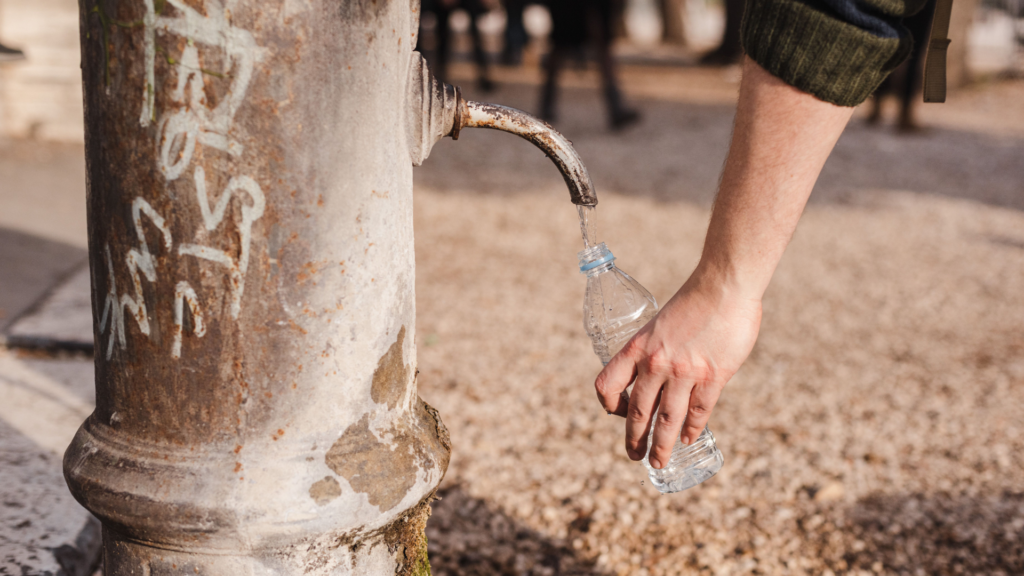
Although uncommon, drinking excessive amounts of water in a short period can lead to a condition called hyponatremia, where sodium levels in the blood become dangerously low. This is most often seen during endurance events or when people intentionally drink far beyond what their bodies need. Experts recommend drinking according to thirst rather than forcing excessive amounts of water.
Other Drinks Can Help You Stay Hydrated
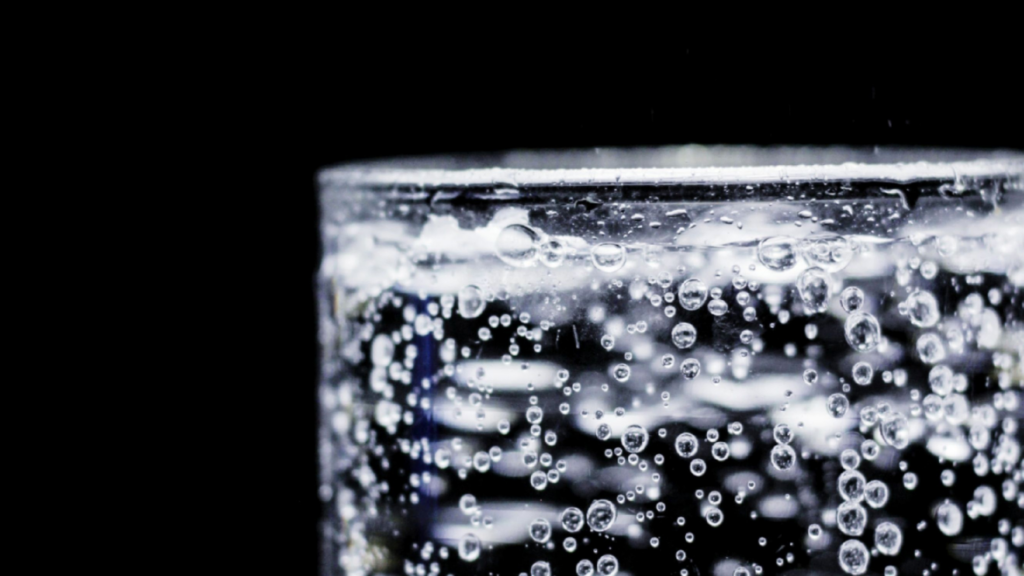
Water is an excellent choice for hydration, but it’s not the only option. Milk, sparkling water, herbal tea, and many other beverages also contribute to your daily fluid intake. Even coffee and tea provide hydration despite containing caffeine, although very high caffeine intake may have other health considerations for some individuals.
Small Daily Habits Make Staying Hydrated Easier

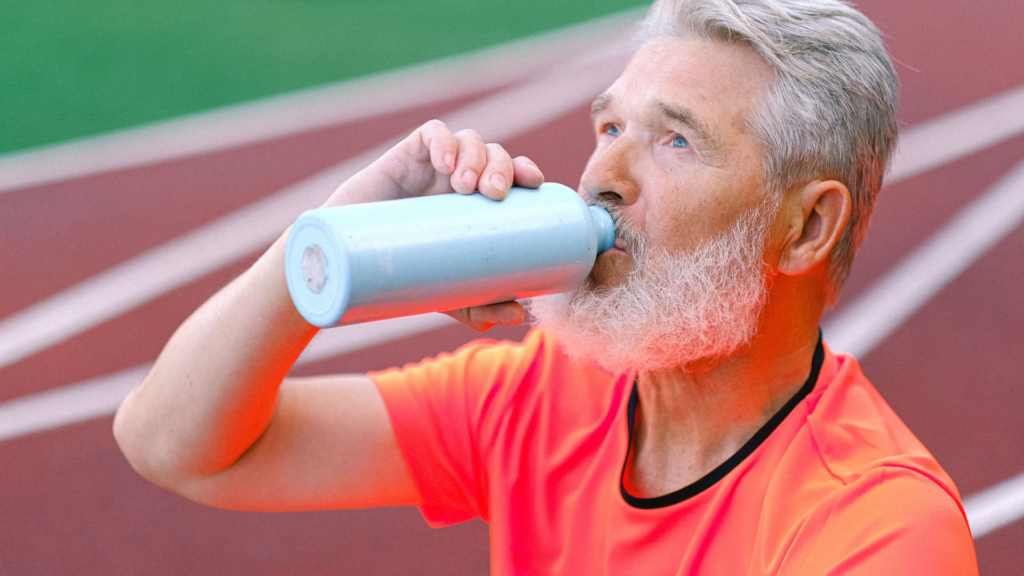
Keeping a reusable water bottle nearby, drinking fluids with meals, eating water-rich foods, and increasing fluid intake during hot weather are simple ways to stay hydrated without constantly counting ounces. Building hydration into your daily routine is often easier than trying to meet a fixed numerical goal.
Listen to Your Body Instead of Counting Glasses

For most healthy adults, staying hydrated doesn’t require following a strict “eight glasses a day” rule. Scientists say paying attention to thirst, monitoring urine color, and adjusting your fluid intake based on your activity level and environment are more practical ways to meet your body’s needs. By listening to your body’s natural signals, you can stay well hydrated without worrying about hitting an arbitrary daily number.