

Products are selected by our editors, we may earn commission from links on this page.
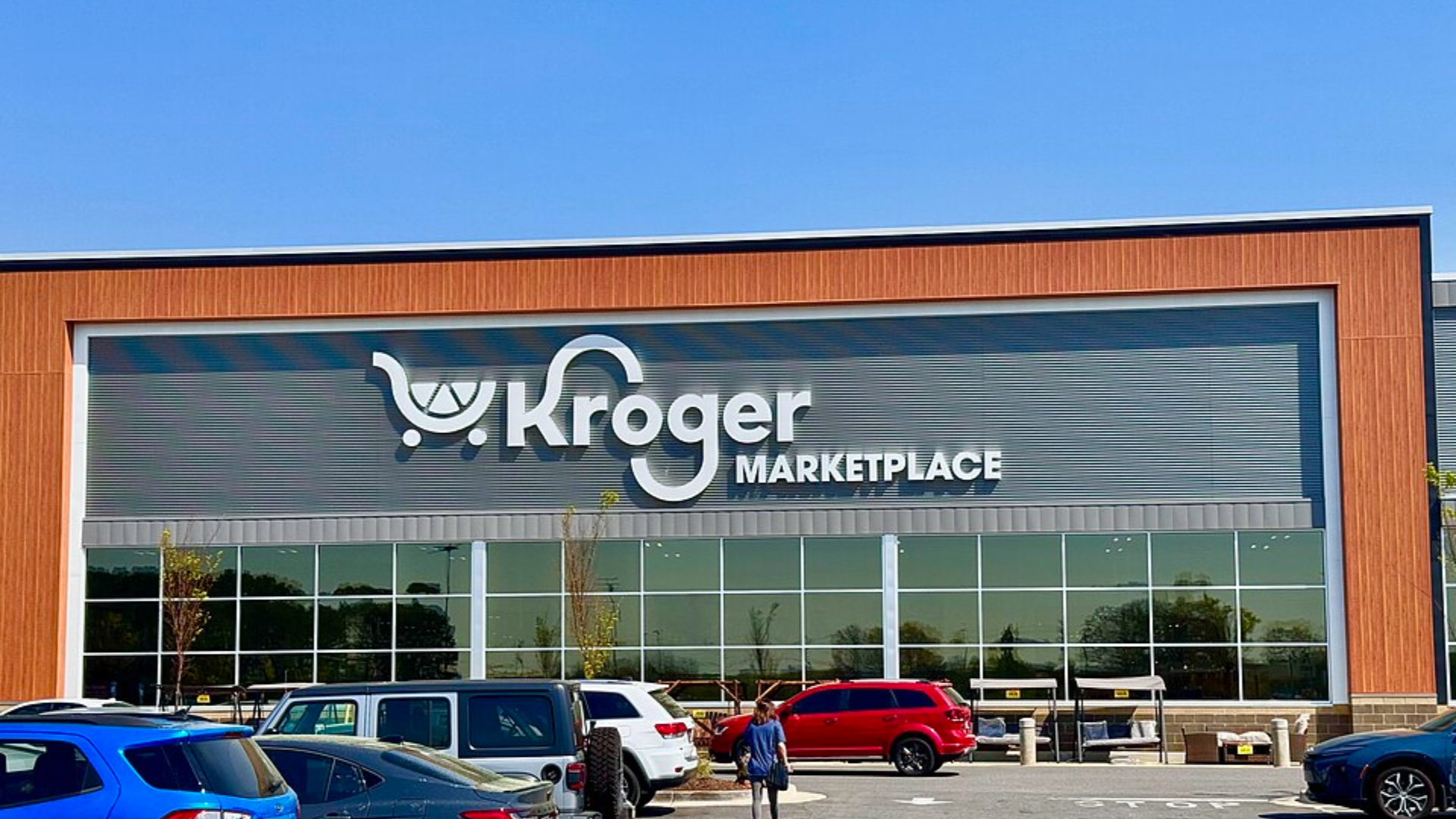
Picking up a prescription and ordering groceries online have always lived in two separate apps, two separate trips, two separate mental to-do items. Kroger just merged them into one. The retailer announced Aug. 24 a new service that lets customers combine groceries and eligible prescriptions into a single delivery order, powered by its long-running partnership with the grocery technology company Instacart.
Grocery and Prescription Delivery is now live nationwide. It covers nearly all Kroger banners, including Fred Meyer, Ralphs, and Harris Teeter. The Instacart-powered service connects customers to delivery from more than 2,200 Kroger pharmacy locations. Rather than building a separate delivery system from scratch, Kroger is layering the new prescription feature directly on top of its existing Instacart grocery infrastructure already in place.
The timing is deliberate. Kroger is framing the launch around the back-to-school season, when families are already juggling more errands than usual and looking for ways to trim their to-do lists. Combining two routine stops into one order sounds simple in theory. The actual mechanics of how a prescription gets from a pharmacy shelf to someone’s doorstep take more coordination to pull off.
Here’s Exactly How the Combined Order Actually Works
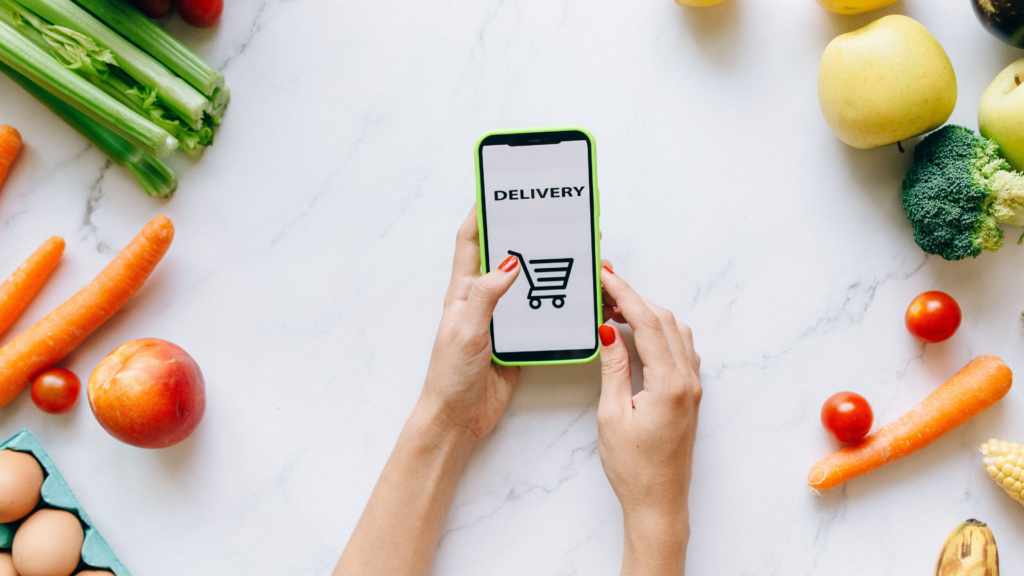
The process starts with a notification. Once an eligible prescription is ready at the pharmacy, the customer gets alerted through Kroger’s app or website. From there, they can fold that prescription directly into a grocery order, or add groceries to a prescription order already in progress, whichever direction makes more sense for how they happen to be shopping that day.
There is one prerequisite. Customers have to be signed in and connected to their My Prescriptions account before a prescription can be added to any order. Once that connection exists, Kroger’s pharmacy teams fill and verify each eligible prescription the same way they always have, before it ever gets handed off for delivery. That verification step does not disappear just because the order is being delivered instead of picked up in person.
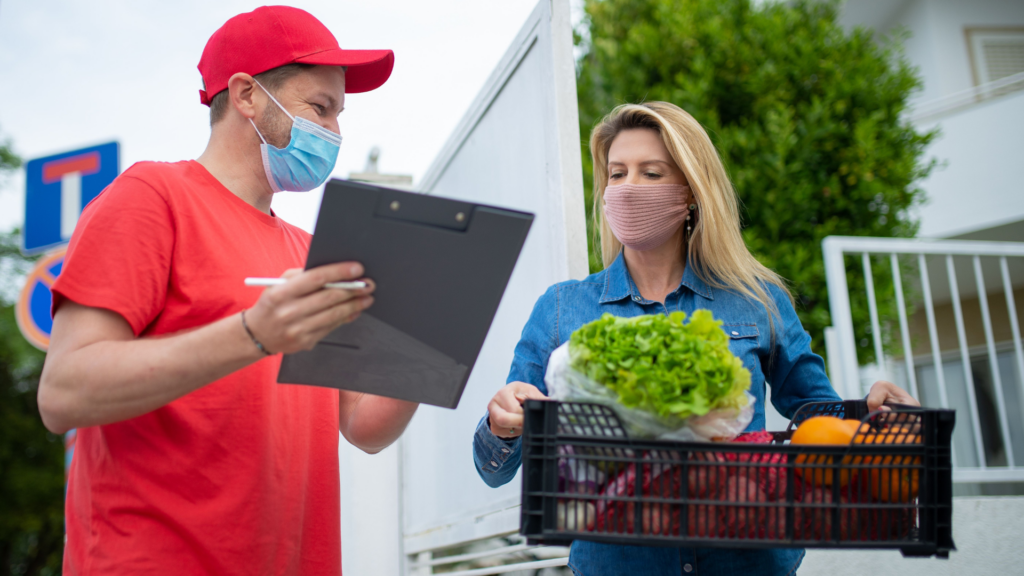
Once verified, an Instacart shopper delivers the completed order, groceries and prescription together, straight from the customer’s local store. Prescriptions arrive in tamper-resistant packaging. Customers get to choose how they want it handed over: directly to them at the door, or simply left there if that is more convenient. Executives at both companies frame this less as a delivery upgrade and more as an extension of the trust customers already place in their local pharmacy.
‘Removing Friction From People’s Lives’: Why Both Companies Are Framing This as a Health Play
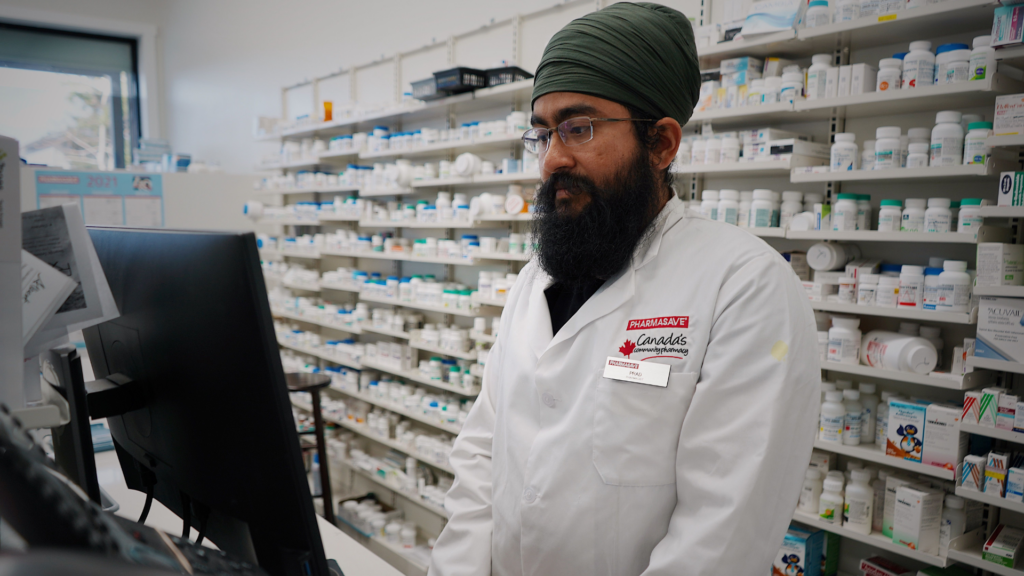
Colleen Lindholz, president of Kroger Health, frames the new service as part of a broader health commitment. It’s not just a logistics upgrade. She said the goal is combining “the convenience of grocery delivery with the personalized care provided by our pharmacy teams,” so customers can trust that what arrives at their door was actually filled and verified by the same pharmacists who serve their community every day.
Ryan Hamburger, chief commercial officer at Instacart, kept his framing practical. “Grocery delivery has always been about removing friction from people’s lives,” he said, adding that picking up a prescription ranks among the most important errands customers manage. Instacart’s role here is straightforward: its shoppers handle the actual delivery, pulling completed, verified orders from the customer’s local Kroger store and getting them to the front door.
Both executives are making essentially the same pitch from different angles: convenience without sacrificing the parts of the pharmacy relationship customers already trust. Whether that promise holds up in practice will depend on execution at thousands of individual stores, not just on how it reads in a press release. What is clear already is that Kroger built one specific incentive to make sure loyal customers actually try the new option.
The Fastest Way to Get Free Delivery Involves a Kroger Membership
That incentive comes through Kroger’s Boost membership program. Boost by Kroger Plus members get free grocery and prescription delivery on eligible orders, on top of other perks like exclusive discounts, double points, and streaming options. For a household already paying for the membership, combining both errands into one free delivery removes a cost that would otherwise apply separately to each type of order.
The scale behind this rollout is significant. Kroger employs more than 400,000 associates and serves over 11 million customers daily across its various store banners. Instacart, for its part, partners with more than 2,200 retail banners representing nearly 100,000 stores nationwide. A single feature update between two companies this large reaches an enormous number of households almost immediately, without either side needing to build much of anything new.
What looks like a small convenience feature is really a retention strategy wearing a friendlier face. Bundling two essential, recurring errands, food and medication, into one app makes it meaningfully harder for a customer to casually switch to a competitor for either one. Convenience and loyalty, in this case, are not really two separate goals. They are the exact same move, described two different ways depending on who is doing the describing.