

Products are selected by our editors, we may earn commission from links on this page.
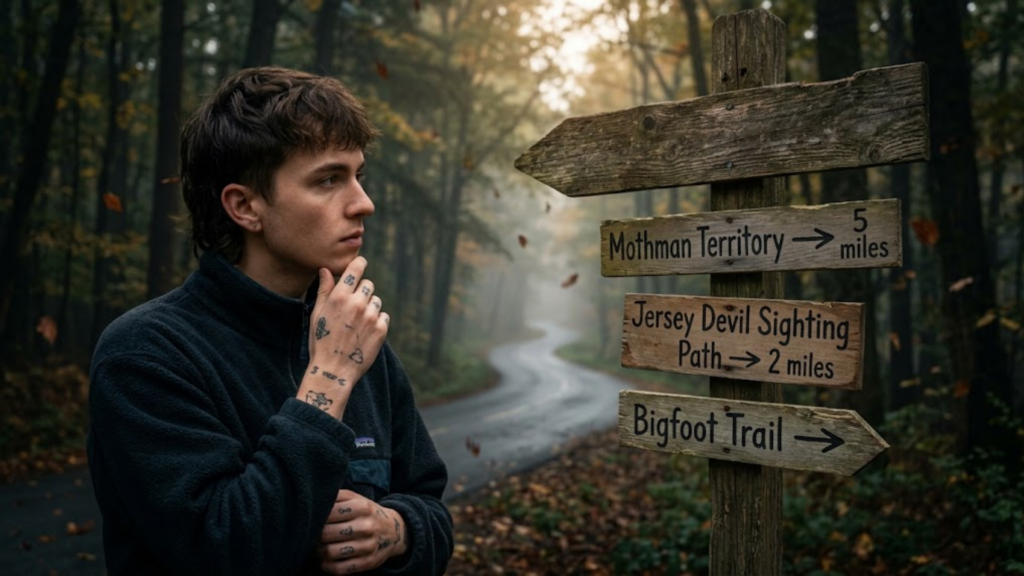
A weekend trip built around a small town’s weird local legend sounds like a niche interest, not a mainstream travel plan. New research from Airbnb suggests otherwise. Gen Z travelers are increasingly skipping major cities in favor of lesser-known towns known for strange stories, folklore, and unusual local identities, a pattern Airbnb has started calling “lore tripping.” The trend is reshaping which destinations actually show up in young travelers’ search histories this fall.
This article was created with the assistance of AI and reviewed by our editorial team for accuracy and clarity.
90 Percent of Gen Z Says Small Towns Are the Draw
The scale of this interest surprised even Airbnb’s own researchers. According to a survey the company commissioned from Focaldata in July 2026, 90 percent of Gen Z respondents said small towns and under-the-radar destinations appeal to them specifically for autumn travel this year. The survey covered 2,000 U.S. adults overall, with the Gen Z findings drawn from 183 respondents within that broader group.
Nearly Half of Their Top Searches Are Small Towns
Airbnb’s own booking data backs up what the survey suggests. Nearly half of the trending destinations searched by Gen Z travelers for autumn 2026 turned out to be small towns rather than major cities. Some locations saw particularly sharp growth: searches for Twentynine Palms, California, jumped more than 50 percent year over year, while Hot Springs, Arkansas, rose 30 percent and Helen, Georgia, climbed 15 percent.
One Town Built Its Whole Identity Around a Winged Creature
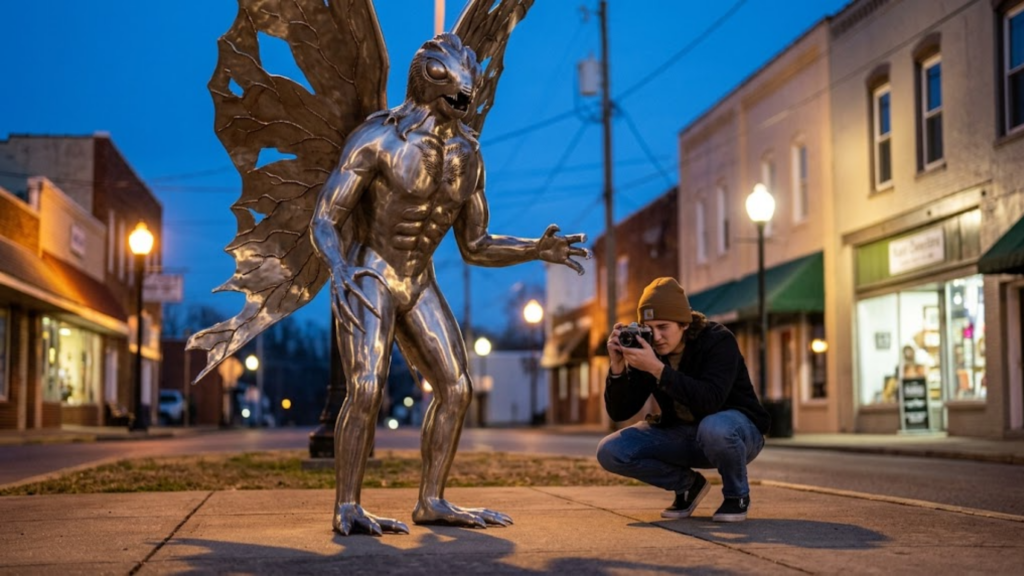
Point Pleasant, West Virginia, offers one of the clearest examples of lore tripping in action. The small town built its identity around the legend of Mothman, a mysterious winged creature reportedly sighted in the area back in 1966. That single piece of folklore has since grown into a museum, a statue, and an annual festival, turning a local ghost story into the town’s main tourist draw.
This Florida Town Was Once a Circus Performers’ Winter Home
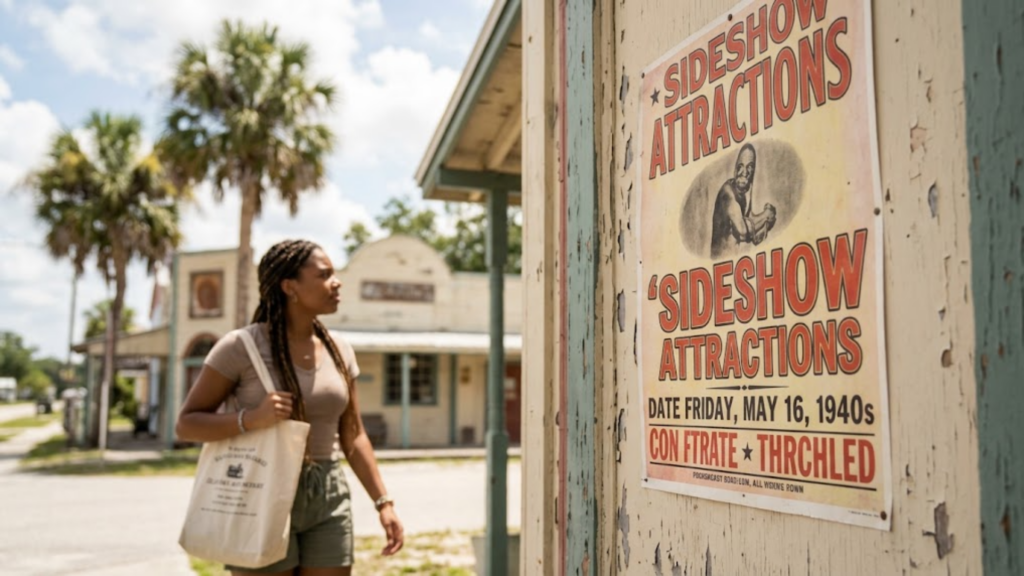
Gibsonton, Florida, carries an entirely different kind of unusual history behind its identity. Known locally as “Gibtown,” the town once served as an off-season home base for traveling circus and carnival performers. That connection to sideshow culture never fully faded, and it still shapes how visitors and longtime residents alike talk about the town’s identity today.
Giant Statues and Historic Bathhouses Anchor Two More Towns
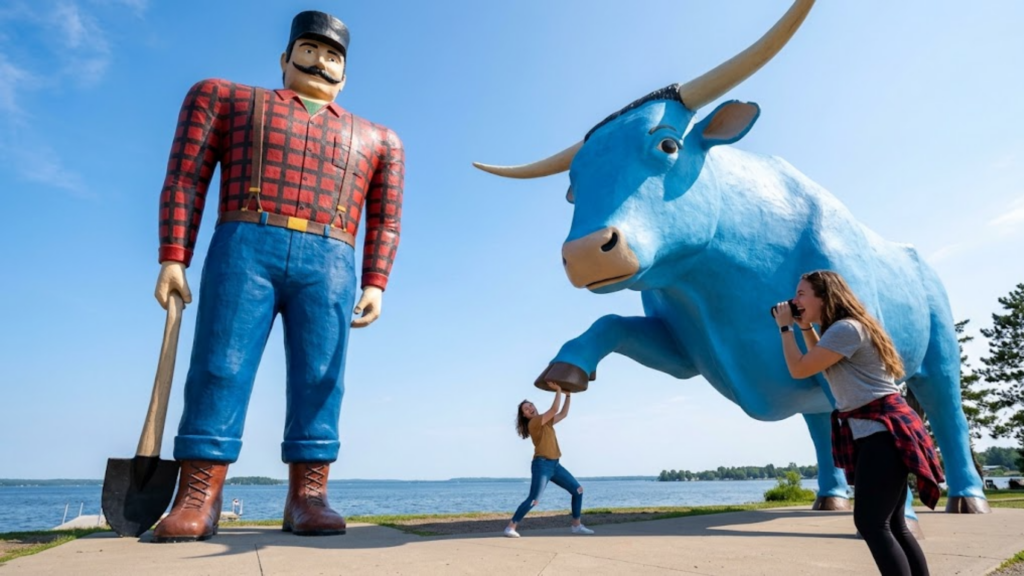
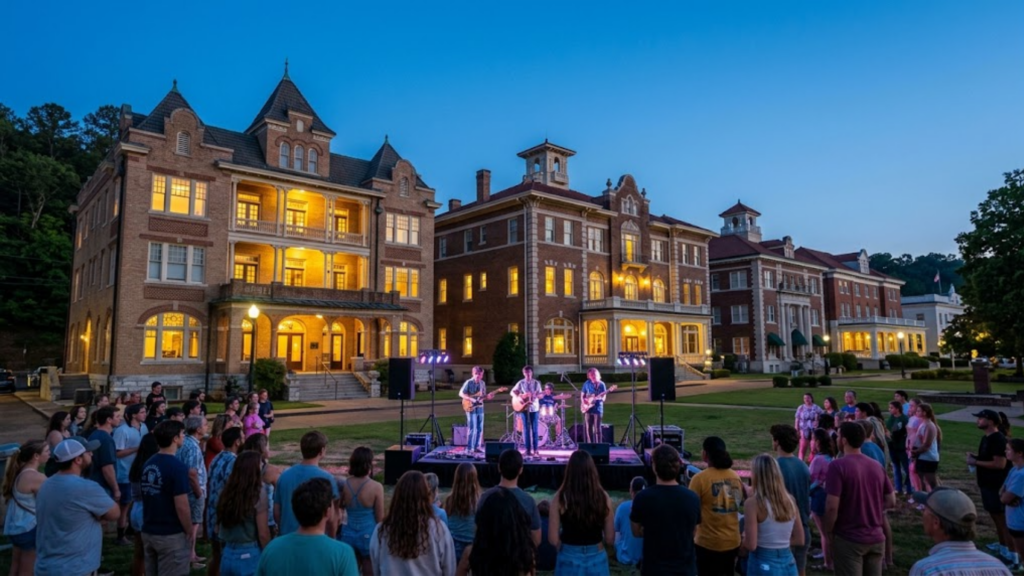
Bemidji, Minnesota, leans into folklore through sheer physical scale. Giant statues of Paul Bunyan and Babe the Blue Ox stand along the shore of Lake Bemidji, anchoring the town’s local legend in a way visitors can literally walk up to and photograph. Hot Springs, Arkansas, takes a different approach, pairing Victorian-era bathhouses with live music, historic architecture, and easy access to nearby lakes.
Some Towns Reinvented Themselves Entirely to Build Their Legend
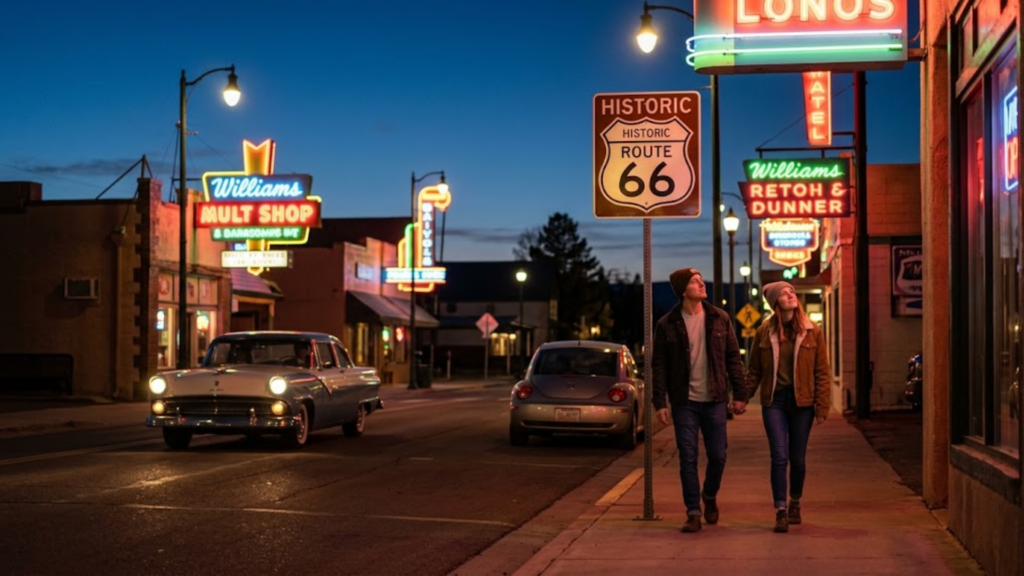
Some lore-tripping towns built their identity around reinvention rather than a single legend. Williams, Arizona, holds the distinction of being the last town on Route 66 bypassed by the interstate, and it still shows that history through neon signs, old diners, and a railway carrying passengers to the Grand Canyon. Helen, Georgia, took a more deliberate path, remodeling itself with Alpine-style architecture and now hosting autumn beer hall events with oompah bands.
A Former Logging Town Became a Bavarian Village in the Cascades
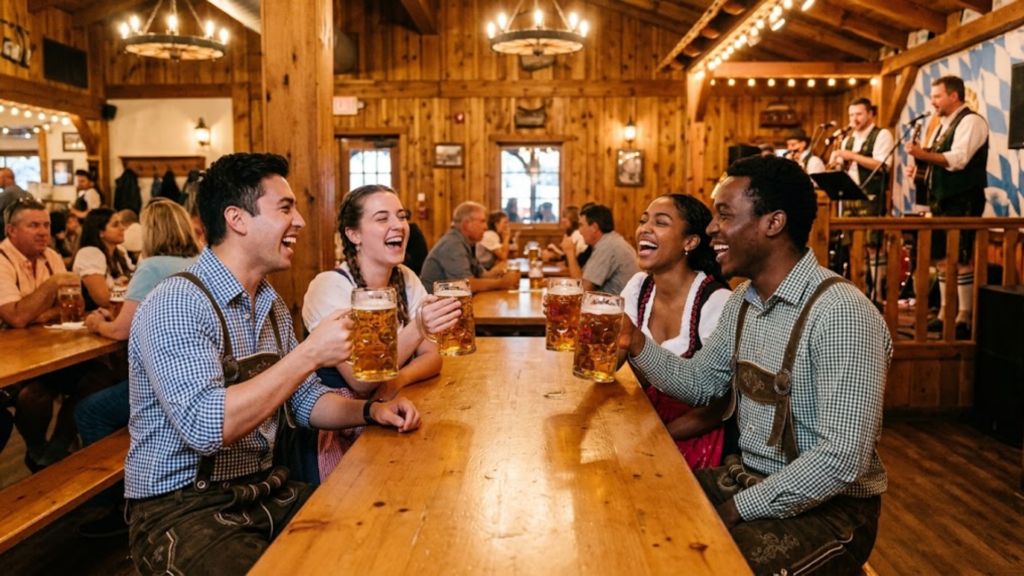
Leavenworth, Washington, followed a nearly identical playbook to Helen, transforming from a former railroad and logging town into a Bavarian-style village nestled in the Cascade Mountains, complete with alphorn performances and cuckoo clocks. Elsewhere, Twentynine Palms offers desert murals near Joshua Tree National Park, Wildwood in New Jersey keeps its retro Doo Wop-era neon intact, and Rapid City, South Dakota, lines its downtown with life-size bronze presidential statues.
Airbnb Is Actively Marketing These Towns to Gen Z Now
Airbnb has built specific marketing around this trend rather than simply observing it. The company is featuring Hot Springs, Bemidji, and Gibsonton in a new campaign called “have u considered,” designed to nudge Gen Z travelers toward alternative destinations they might not have thought to search for on their own. That campaign fits into a broader autumn push, with 60 percent of survey respondents saying they plan a weekend getaway this fall.
This Fits a Bigger Pattern of Story-Driven, Short Trips
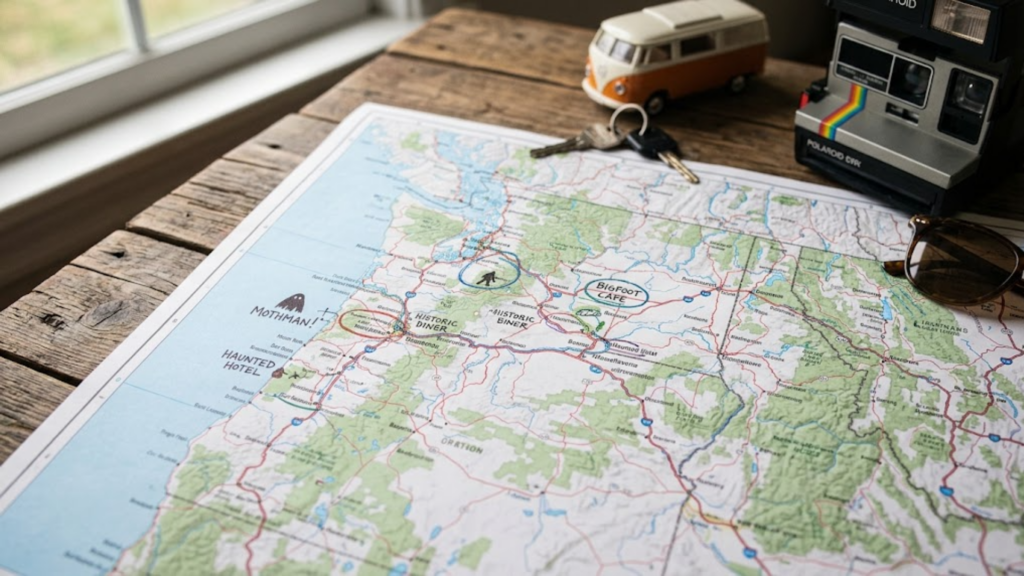
Lore tripping is not happening in isolation, it fits alongside several related shifts Airbnb has identified. Searches for terms like “fall foliage,” “leaf peeping,” and “apple picking” have all risen compared to last year, and nearly 70 percent of respondents said they were drawn to “groundhopping,” or visiting stadiums and music venues as destinations themselves. Together, these trends point toward travelers building trips around specific stories rather than simply picking a big-name city.