

Products are selected by our editors, we may earn commission from links on this page.

Most of us have sat in a salon chair for years without ever being told the unspoken rules of the experience. Hairdressers, understandably, rarely want to lecture the person paying them. But talk to enough stylists and a clear pattern emerges. There’s a whole list of habits that clients think are helpful, polite, or completely harmless, that actually make a hairdresser’s job noticeably more difficult. None of these habits are dealbreakers, and no stylist expects perfection. But understanding what’s really happening on the other side of the chair can genuinely improve your next appointment, for both of you.
This article was created with the assistance of AI and reviewed by our editorial team for accuracy and clarity
Moving Your Head More Than You Realize
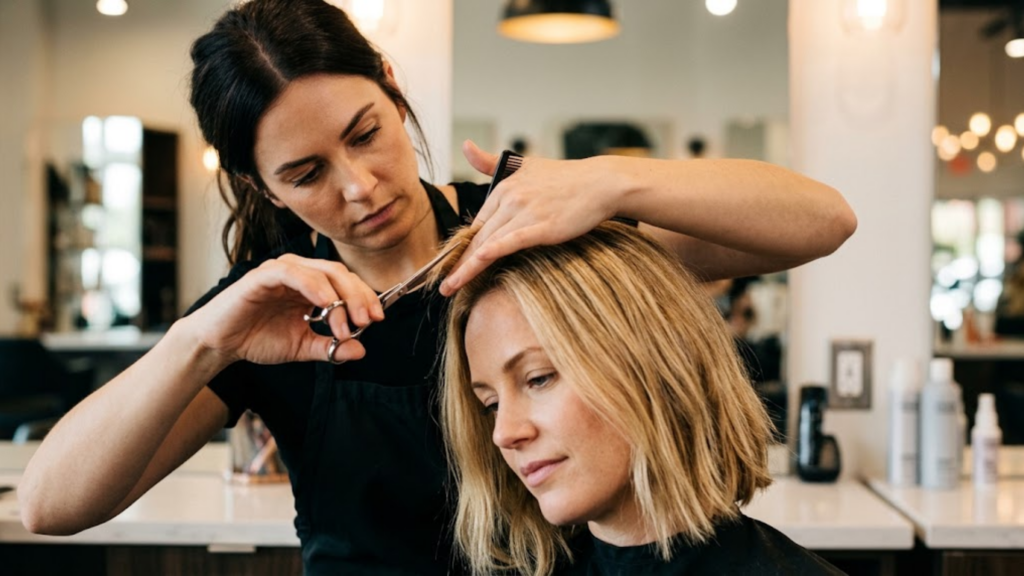
One of the most common complaints among hairdressers involves something clients often do without even noticing, shifting their head position during a cut, color, or blowout. Precision work depends entirely on consistent angles, and even small, well-meaning movements can throw that off completely. A barber who shared this pet peeve online put it simply, explaining that stylists move a client’s head deliberately and for a specific reason. If a client moves on their own mid-cut, that careful angle is instantly wrong again. Beyond just annoying your stylist, this habit can genuinely slow things down, since sharp, unexpected head movements often mean a haircut takes considerably longer to finish correctly.
Touching Your Hair While It’s Being Styled
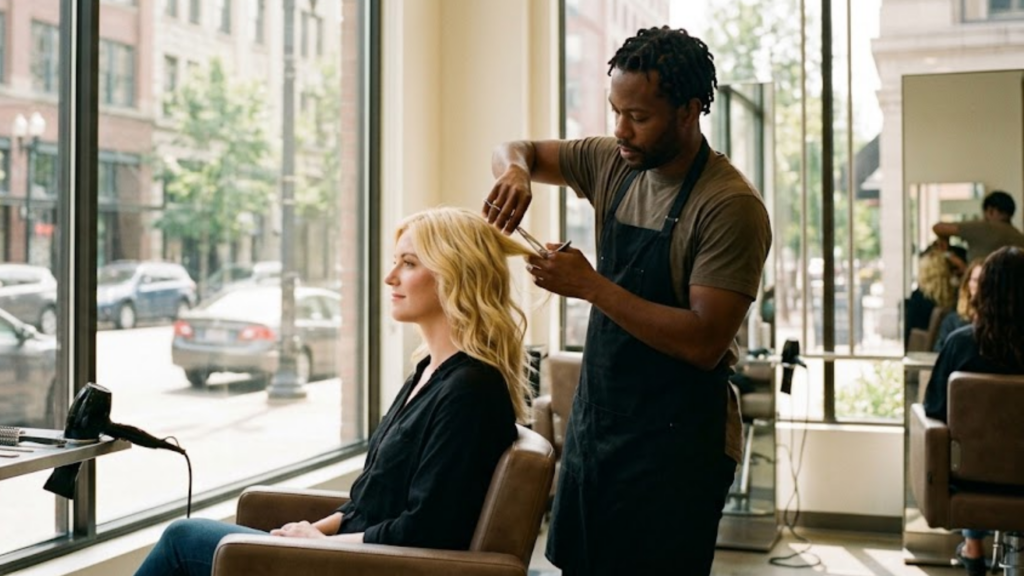
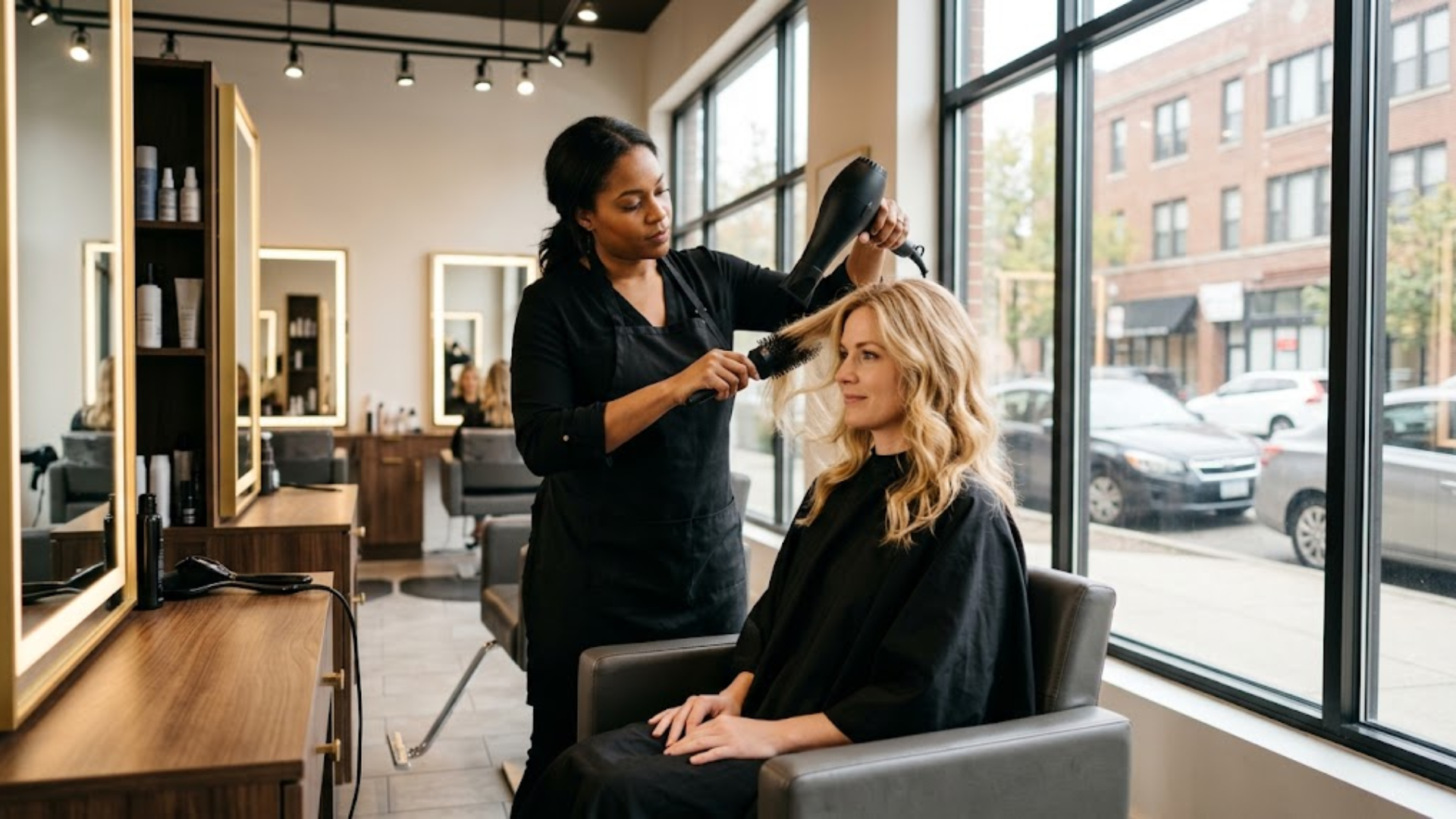
If you’ve ever reached up to touch your hair while a stylist is actively blow-drying, straightening, or curling it, you’ve likely interrupted something more technical than it looks. Heat styling works by molding hair into shape while it’s hot, then allowing it to cool completely to lock that shape into place. Touching your hair mid-process, even briefly, disrupts that cooling stage and can undo the exact result your stylist is carefully working to create. It’s an easy habit to fall into since it feels harmless, but waiting until your stylist confirms they’re completely finished tends to produce noticeably better, longer-lasting results by the time you leave the chair.
Running Late or Skipping the Appointment Entirely

Few habits frustrate hairdressers more than lateness or no-shows, and the reasoning goes well beyond simple politeness. Salon schedules are typically booked tightly back to back throughout the day, and a single late arrival creates what one stylist described as a domino effect, pushing back every single appointment scheduled after it. A missed appointment altogether is even more costly, since that time slot could have gone to someone else on a waiting list, representing real lost income for a stylist who has no way to recover it. If you’re running late, a quick call ahead at least gives your stylist a chance to adjust their schedule accordingly.
Showing Up Too Early or Seating Yourself Without Being Asked

It might seem considerate to arrive well ahead of your appointment time, but many stylists say early arrivals actually create unexpected pressure. Knowing a client is sitting and waiting can make a stylist feel rushed while finishing up with their current client, even if the waiting client insists they don’t mind. Some seasoned regulars take this a step further by walking directly to their stylist’s station and sitting down without being invited to. According to one colorist, that habit creates real timing anxiety and can quietly eat into the current client’s remaining appointment time, even though it’s rarely meant as anything other than being helpful.
Second Guessing Every Move While You’re in the Chair

A collaborative conversation about what you want is completely normal and encouraged, but constantly questioning or second-guessing a stylist’s technique throughout the appointment is a different matter entirely. One hairstylist described this as one of the more nerve-wracking things a client can do, essentially trying to direct the technical execution of a service they’ve hired a trained professional specifically to handle. Stylists generally welcome clear direction about your desired outcome upfront. What tends to create tension is repeatedly interrupting or changing course once the actual technical work is already underway, since it can undermine both the process and the final result.
Waiting Until the End to Mention You Wanted Something Different
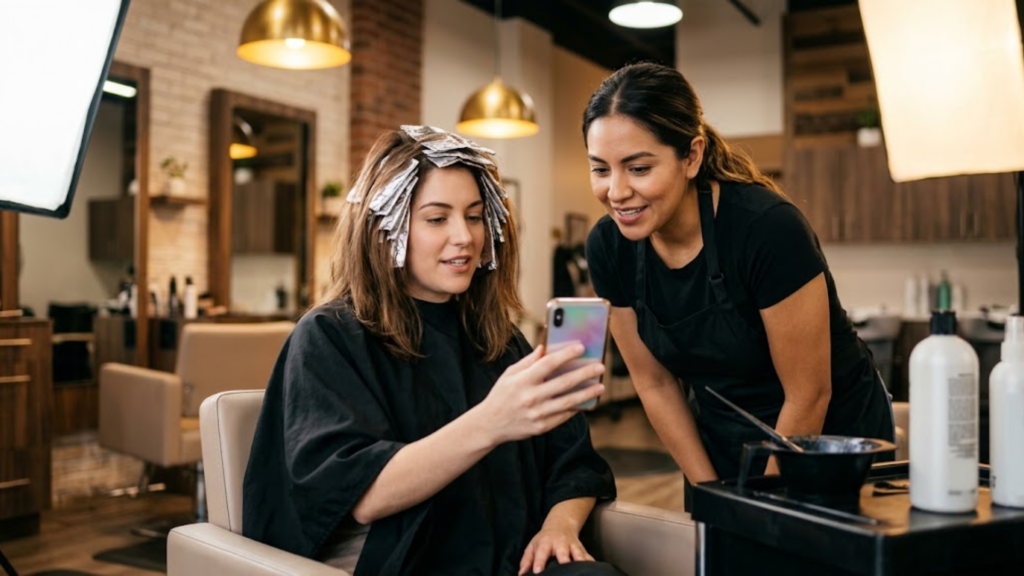
Perhaps the most avoidable frustration on this entire list involves timing. Some clients wait until a cut or color is completely finished before mentioning they actually wanted a different direction than what was discussed. One hairstylist candidly pointed out that stylists genuinely can’t read minds, so speaking up during the appointment, not after, gives them an actual chance to adjust course before it’s too late. This single habit, more than almost any other on this list, has an easy fix. Checking in periodically throughout your appointment, especially when working from a reference photo, helps ensure everyone ends up satisfied with the final result.
Trying to Chat Over the Blow Dryer or Watching Too Closely at the Bowl

Communication timing matters just as much as communication itself. Attempting a real conversation while a blow dryer is running at full volume typically means neither person can actually hear the other, creating an oddly awkward moment where lips are moving but nothing is landing. Separately, some clients maintain steady eye contact with their stylist while getting their hair washed at the shampoo bowl, an intimate, close-range moment that multiple stylists have described as unexpectedly uncomfortable. Neither habit comes from bad intentions, but saving deeper conversation for a quieter moment in the appointment tends to make the whole experience noticeably smoother for both people involved.
Complaining About Price After Requesting an Elaborate Service
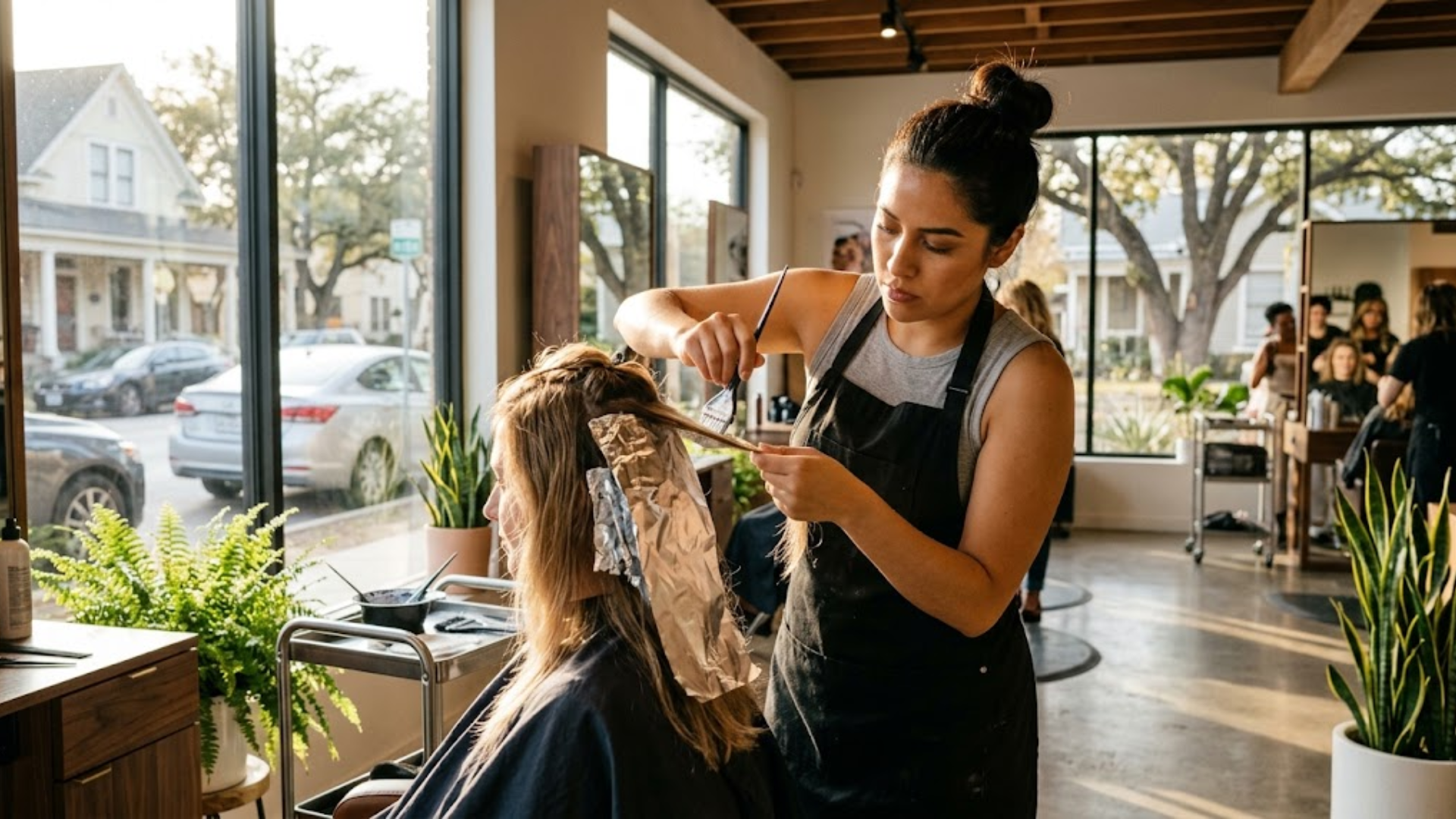
Few things frustrate a stylist more than a client who requests an intricate, time-intensive service, then expresses surprise or frustration at the final bill. A colorist described the particular sting of spending hours completing a detailed, multi-step color process only to hear complaints about cost afterward. Advanced techniques like precise highlighting or full color correction genuinely require significant time, skill, and product, all of which factor directly into pricing. Asking about approximate cost and time commitment before a complex service begins can help avoid this kind of after-the-fact tension entirely, giving you a clear, realistic expectation going into the appointment.
Small Adjustments That Make Every Appointment Better
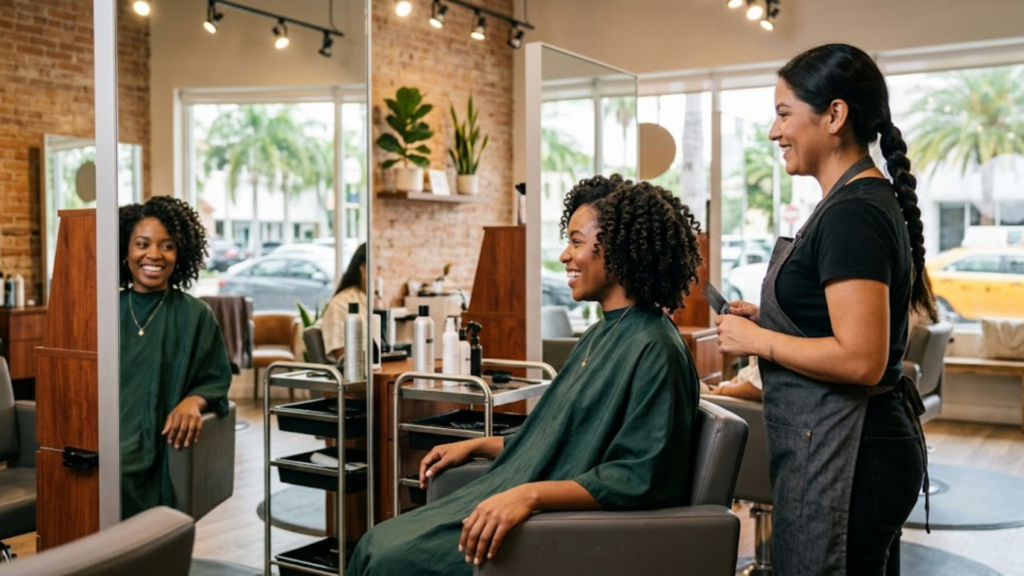
None of these habits make someone a bad client, and every hairdresser understands that most of them come from genuinely good intentions rather than any real inconsideration. The common thread running through nearly every item on this list is simple. Trust your stylist’s technical judgment, communicate clearly and early rather than after the fact, and try to stay as physically still as reasonably possible once real work is underway. Small adjustments like these won’t just make your stylist’s day easier, they also tend to produce a better, more precise result by the time you finally step out of that chair.