

Products are selected by our editors, we may earn commission from links on this page.
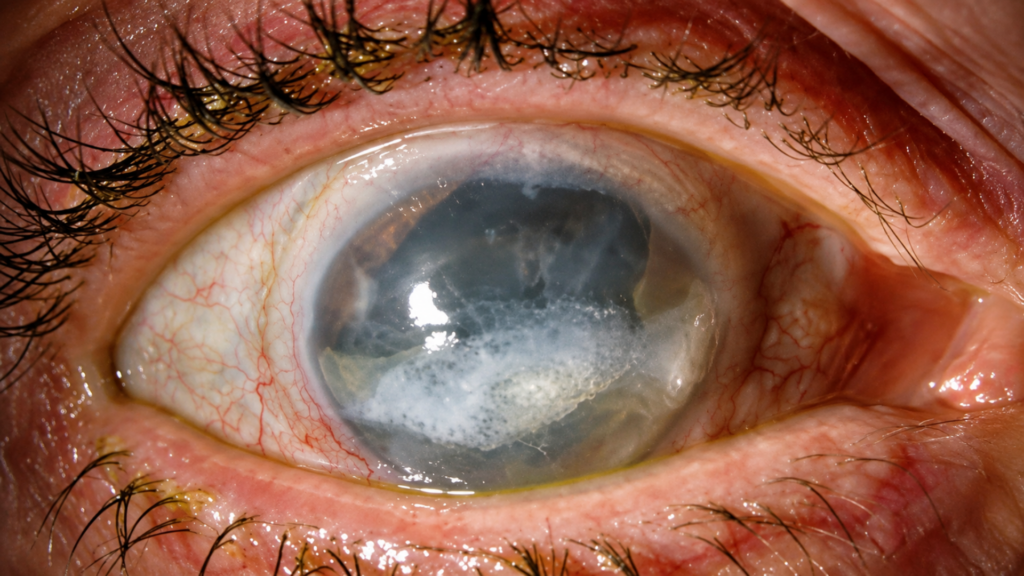
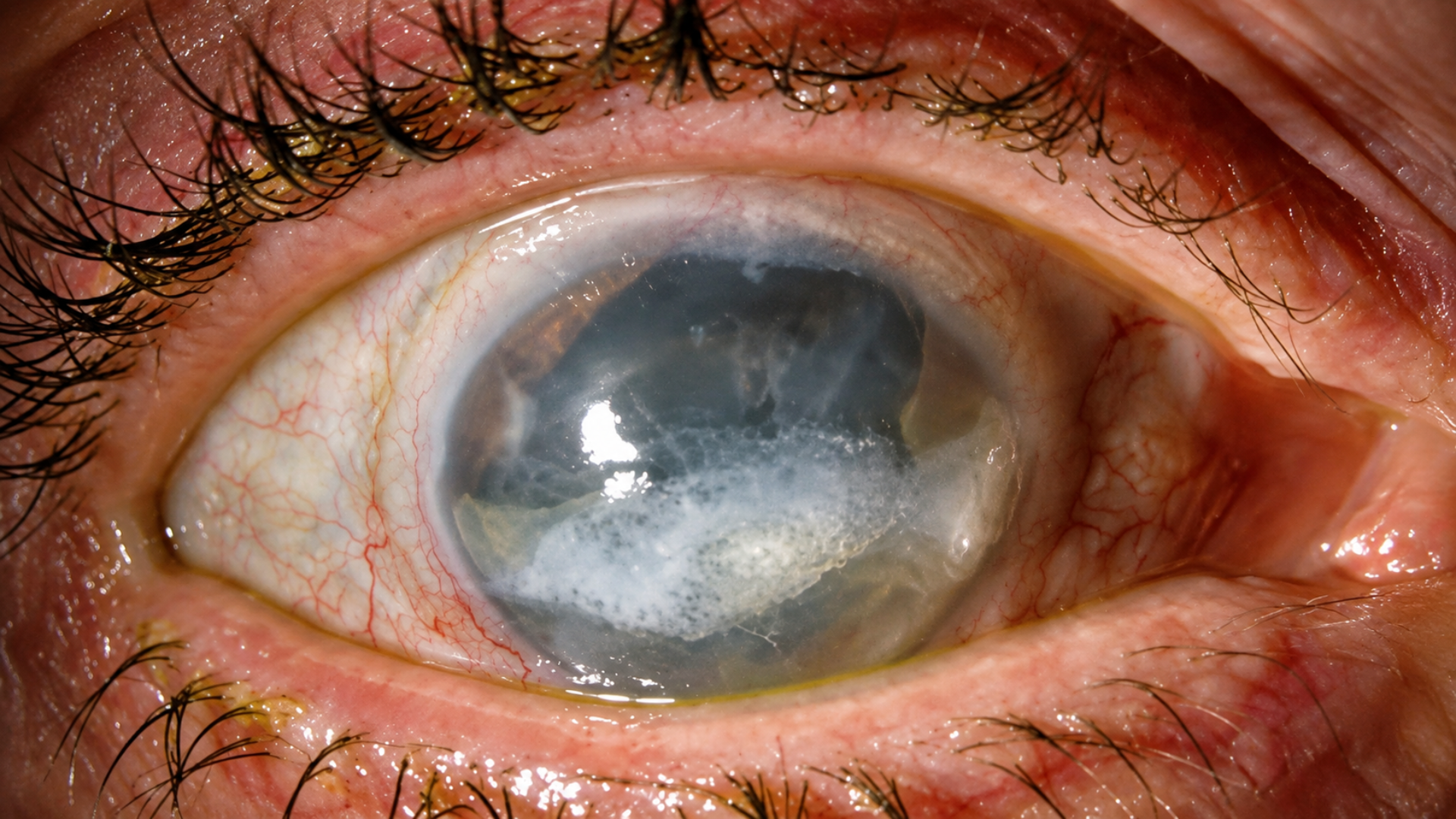
One TikTok video has been watched more than 30 million times. In it, 20-year-old Grace Jamison explains why she’s losing her sight: she showered with her contact lenses in. The diagnosis was acanthamoeba keratitis, a rare parasitic infection of the cornea, and her videos have sent millions of contact lens wearers scrambling to check whether they’ve been doing the exact same thing for years.
The Parasite Behind This Infection Is Almost Everywhere
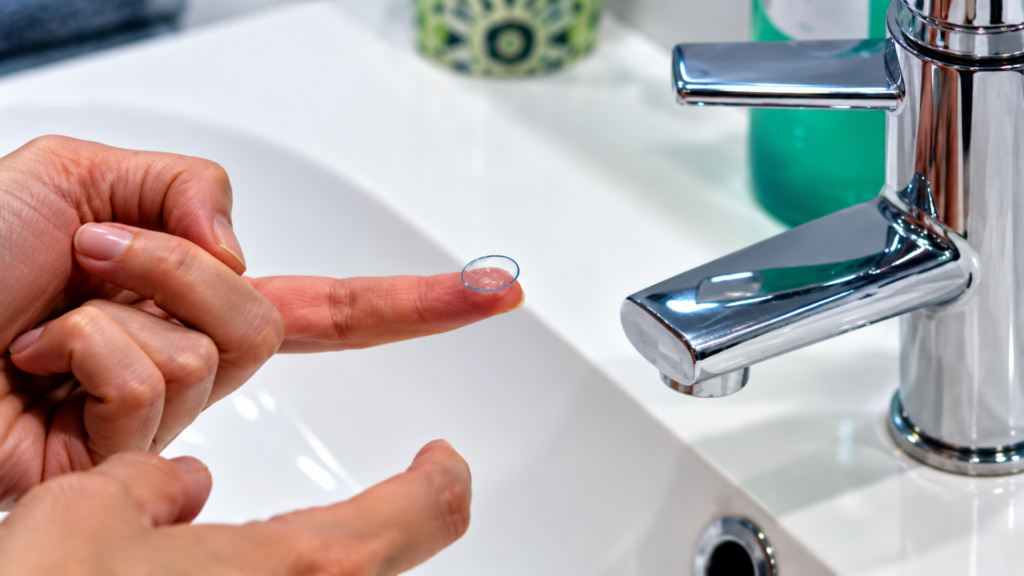
Acanthamoeba isn’t exotic. It lives in tap water, pools, hot tubs, soil and dust, and most people encounter it at some point without ever getting sick. Developing an infection is a different story: the CDC estimates it strikes roughly one to two contact lens wearers per million each year, yet contact lens users account for the overwhelming majority of cases.
It’s Not the Water Alone, It’s the Combination

“The concern is the combination of contact lens wear, water exposure and improper lens care, which can create an opportunity for infection,” said Dr. Teri K. Geist, president of the American Optometric Association. Encountering the amoeba isn’t the danger. Wearing a lens that traps it against the eye, for hours, under a soft plastic barrier, is what turns a common microorganism into a threat.
A Trip to the Dominican Republic Turned Into a Two-Month Blindness
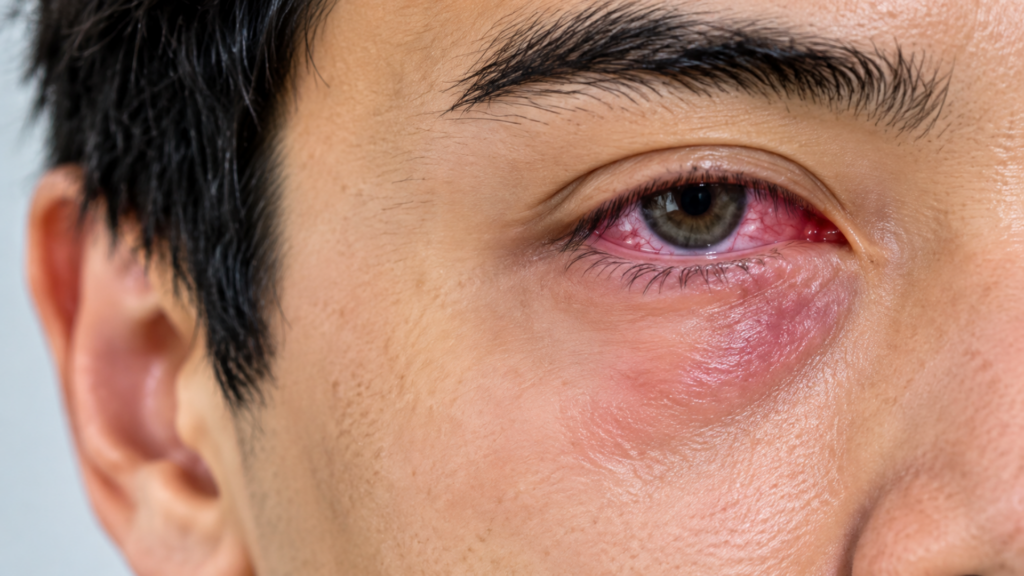
Jamison contracted the infection while showering with her contacts on in the Dominican Republic. Weeks after returning home, an optometrist misdiagnosed her and prescribed steroid drops, the wrong treatment for a parasitic infection. Within another week she was completely blind in both eyes. She stayed that way for close to two months before proper treatment finally began.
‘It’s Really Hard to Sleep,’ She Said of the Pain
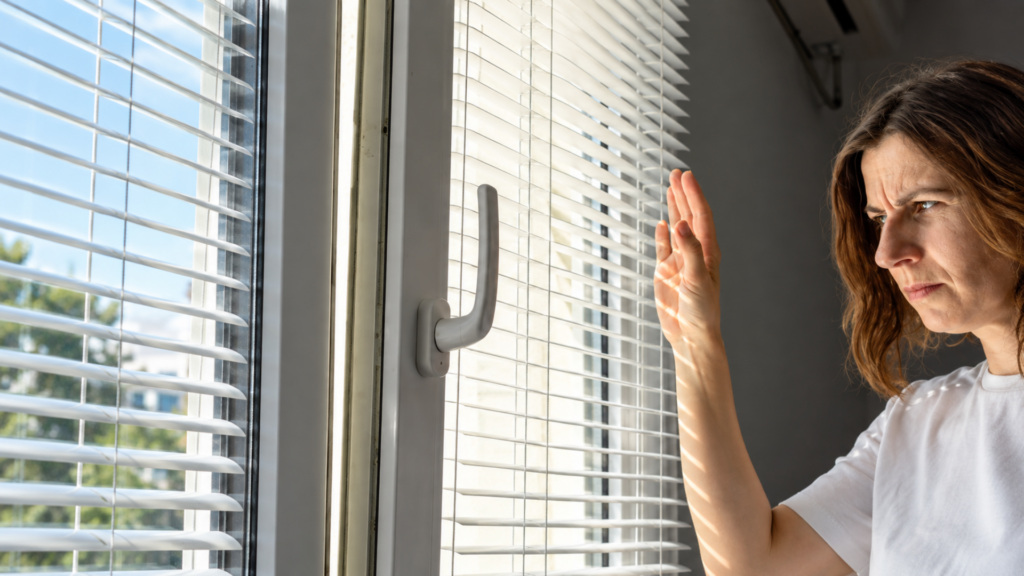
Jamison described the infection as “brutal” in her videos. “There’s a lot of eye pain. There’s a lot of pain in your head. It goes everywhere,” she said, adding that the light sensitivity made basic daily function nearly impossible. Beyond the pain, patients often report a persistent feeling of something stuck in the eye and redness that lingers long after lenses come out.
The Treatment Can Take Longer Than the Infection Itself
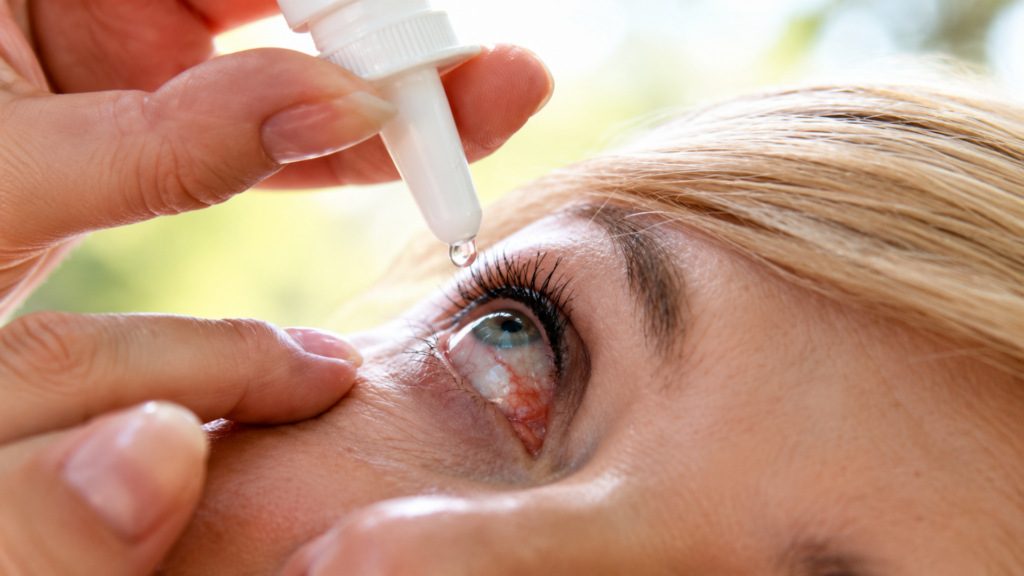
Acanthamoeba’s cyst form resists standard antimicrobial treatment, which is why recovery drags on. Jamison’s regimen has involved eye drops applied every 30 minutes to an hour, using agents like chlorhexidine, stretched across months. She regained vision in her left eye. Her right eye, doctors say, sustained damage that hasn’t reversed.
Acanthamoeba Isn’t the Only Threat Lurking in Water
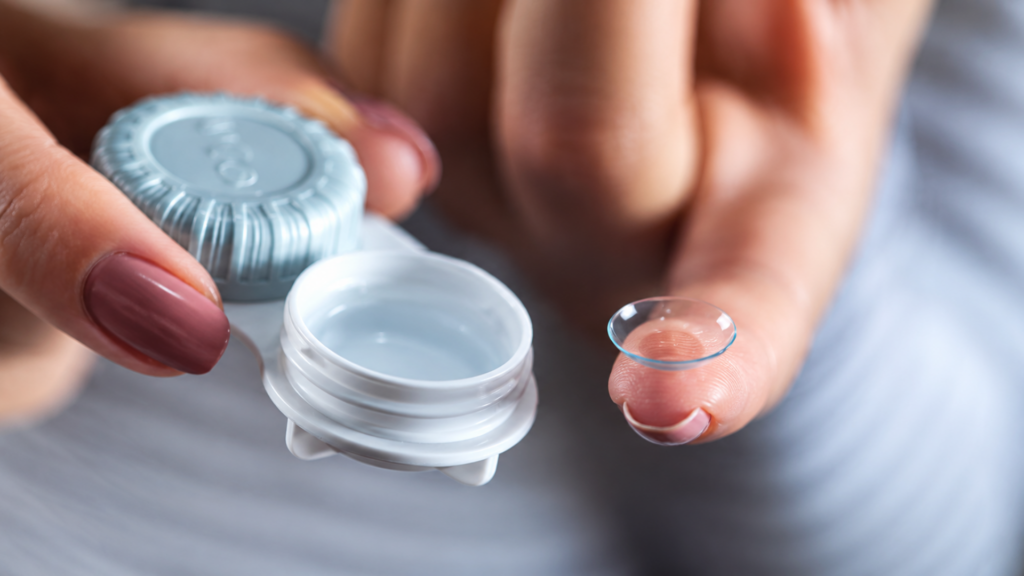
Geist was clear this isn’t a one-parasite problem. “Water is not sterile and can contain bacteria and other microorganisms that we do not want trapped between a contact lens and the surface of the eye,” she said. Pseudomonas bacteria, another common water-borne organism, can trigger corneal damage within 24 to 36 hours, moving even faster than acanthamoeba does.
‘I’m Shocked Nobody Ever Told Me,’ One Viewer Wrote
The comment sections on Jamison’s videos reveal how little this risk has been communicated. One viewer admitted they hadn’t removed their contacts in six months. Another said they’d worn lenses in the shower for years without a single problem. Geist says that history of no consequences is exactly what makes the habit dangerous: consistency matters more than luck.
The Fix Is Simpler Than the Infection Is Terrifying
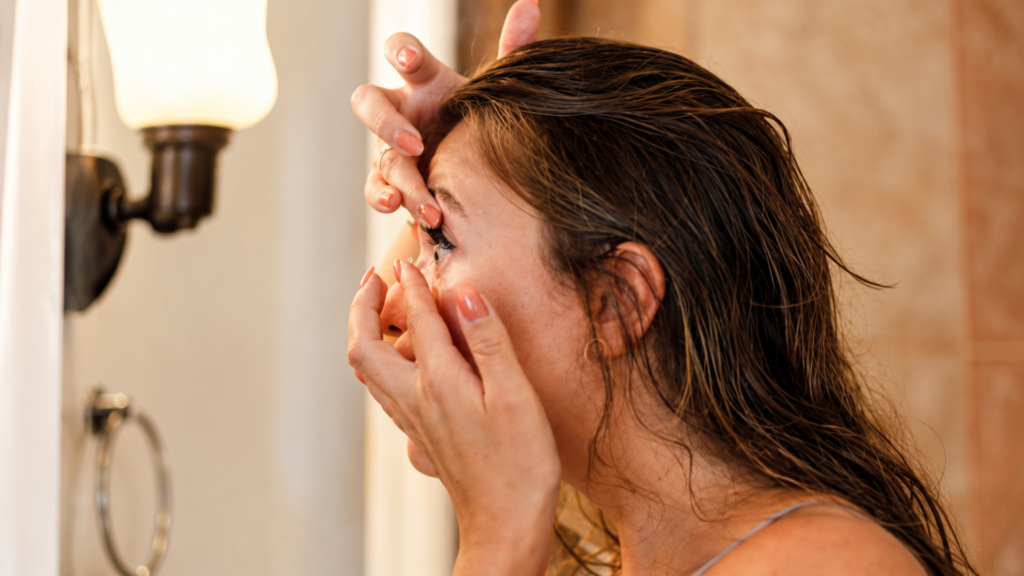
Geist’s guidance is a short list: remove contacts before showering, swimming or hot tubs; never use tap water on lenses or cases; wash and dry hands first; use only sterile, doctor-recommended solution and replace it fresh each time rather than topping it off; and never sleep in lenses unless specifically prescribed to.
Catching It Early Is the Only Real Defense
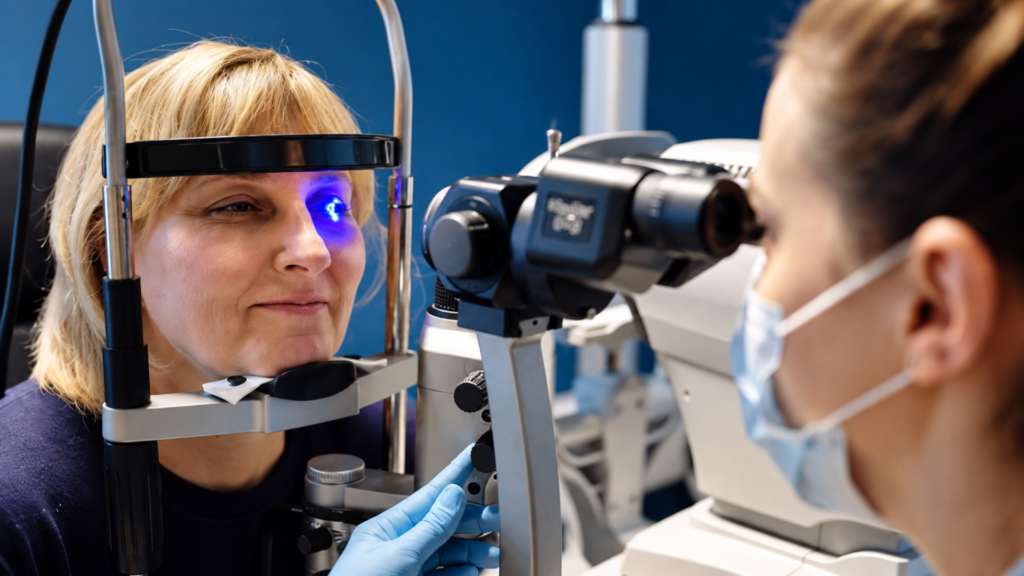
Acanthamoeba keratitis is hard to treat once established, which makes early recognition the single biggest factor in preserving vision. Persistent eye pain, redness or light sensitivity that outlasts a normal irritation warrants a call to a doctor, not a wait-and-see approach. Jamison’s case didn’t turn on bad luck. It turned on a habit millions of contact lens wearers repeat without a second thought.