

Products are selected by our editors, we may earn commission from links on this page.
Turning off a smart TV does not always mean every feature inside it has stopped working. A new investigation involving Gamers Nexus, Level1Techs, and independent security researchers found that tested LG OLED TVs could collect extensive information about their surroundings, while researchers also demonstrated microphone access when a television appeared to be off or was disconnected from the internet. There is an important distinction, however: LG disputes the suggestion that its TVs secretly record ordinary household conversations, saying ambient audio is not collected, recorded, or transmitted unless voice functionality has been intentionally activated.
Some LG TVs Remain Active After the Screen Goes Dark

Pressing the power button can put certain LG televisions into a standby-style mode rather than completely shutting down their electronics. LG’s own documentation explains that supported models with its Always Ready feature can continue offering functions after the TV is switched off with the remote, including voice recognition when that feature has been enabled. LG says Always Ready is available on certain models from 2022 onward, although features and settings vary by television.
Voice Recognition Is Designed to Work With the Screen Off

The ability to hear something while the screen is off is not necessarily a hidden feature. LG says compatible TVs with Direct Voice Recognition can respond when someone says “Hi LG,” including when the television appears turned off, provided the necessary voice and standby features have been enabled. That requires the television to monitor for its wake phrase, and LG says audio used for wake-word detection is processed locally and promptly deleted when no wake word is detected.
Researchers Found a More Concerning Microphone Risk
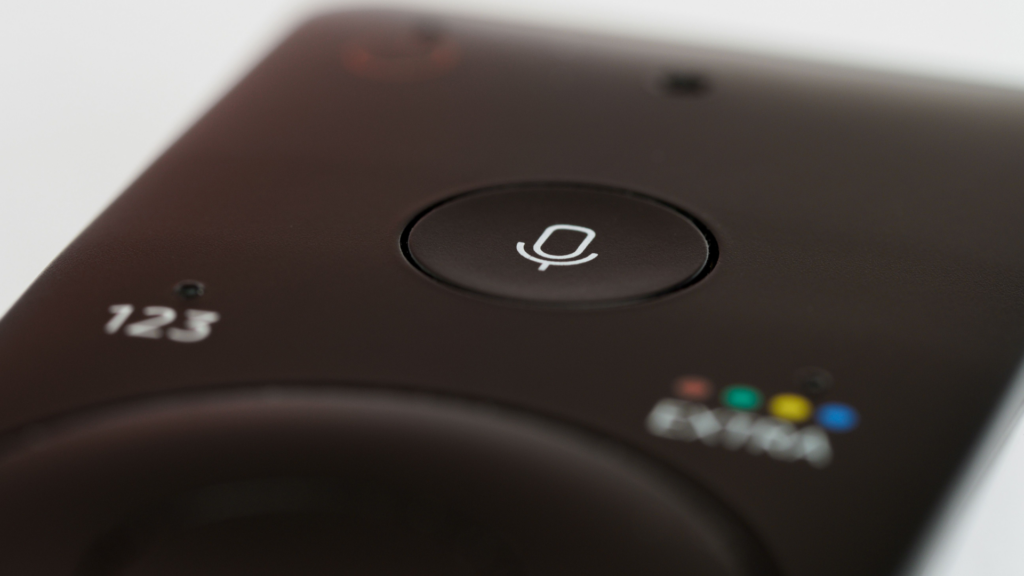
The investigation raised a separate concern beyond LG’s intended wake-word functionality. Researchers demonstrated security vulnerabilities that they said could potentially allow a compromised television to capture microphone audio, including while it was in standby, and audio could reportedly be stored locally while the television was offline. ConsumerAffairs notes that this does not mean every LG TV is secretly recording its owner, but rather that researchers demonstrated capabilities that could potentially be abused if a television were compromised.
Your TV May Also Be Looking Around Your Home Network

The microphone findings were not the investigation’s only privacy concern. Researchers reported that tested LG televisions scanned their local networks and identified other connected hardware, including smartphones, computers, and smartwatches, while also collecting information involving nearby Wi-Fi networks. It is a reminder that a modern smart TV functions much more like an internet-connected computer than the relatively simple television sets many households grew up using.
Automatic Content Recognition Can Track What’s on the Screen
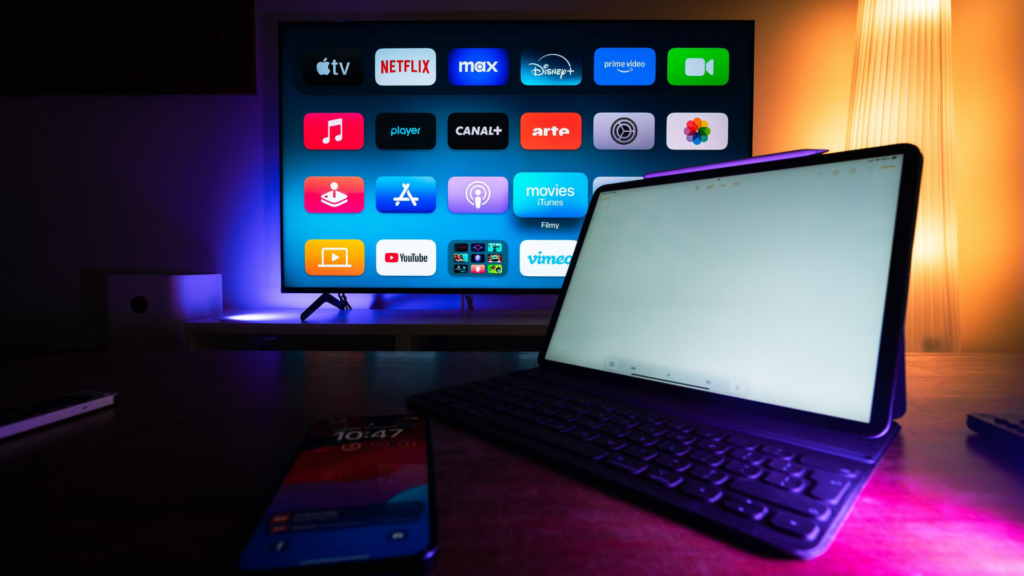
Another technology involved is Automatic Content Recognition, commonly called ACR, which identifies what is playing on a television by creating digital fingerprints from snippets of content and comparing them with reference databases. Researchers found that this type of technology can identify viewing activity beyond a television’s built-in streaming apps, potentially including material displayed through connected HDMI devices. ACR is not unique to LG and is widely used across the smart-TV industry for advertising and audience measurement.
LG Says It Does Not Secretly Record Ambient Conversations

LG has pushed back against some of the most alarming interpretations of the investigation. In a statement reported by Ars Technica, the company said that when an enabled television in standby is waiting for its wake word, audio used for that detection is handled locally, deleted if the wake word is not heard, and not transmitted to LG servers. LG further said its televisions do not collect, record, or transmit ordinary ambient conversations unless the user has intentionally activated voice functionality.
Check Whether Voice Features Are Actually Turned On

LG owners concerned about microphone access can start by reviewing which smart features they have enabled rather than assuming the television’s default configuration is the same on every model. LG’s support instructions direct compatible users to All Settings, General, AI Service, and Voice Recognition Settings to manage voice recognition, while Always Ready has its own controls under General on supported televisions. People who never use hands-free commands may decide that keeping these features disabled is an easy way to reduce unnecessary functionality.
Turning Off Tracking Features Can Reduce Data Collection
Users can also look for settings associated with ACR or Live Plus, viewing information, personalized advertising, and other data-sharing features and disable the ones they do not want. Keeping webOS updated is particularly important when security researchers disclose vulnerabilities because manufacturers can address problems through software patches. Those wanting stronger separation can disconnect the television itself from Wi-Fi and use a separate streaming device, although doing so means giving up some of the TV’s built-in connected features.
Your Smart TV Deserves the Same Privacy Attention as Your Phone
The investigation does not establish that every LG television is constantly recording private conversations, but it does show why consumers should think differently about the black screen sitting in their living room. Smart TVs can contain microphones, network connections, viewing-recognition technology, advertising systems, and software that continues performing certain functions in standby, depending on the model and settings. Reviewing voice recognition, ACR, personalized advertising, software updates, and network access can therefore be just as important as checking the privacy settings on a phone or computer.