

Products are selected by our editors, we may earn commission from links on this page.
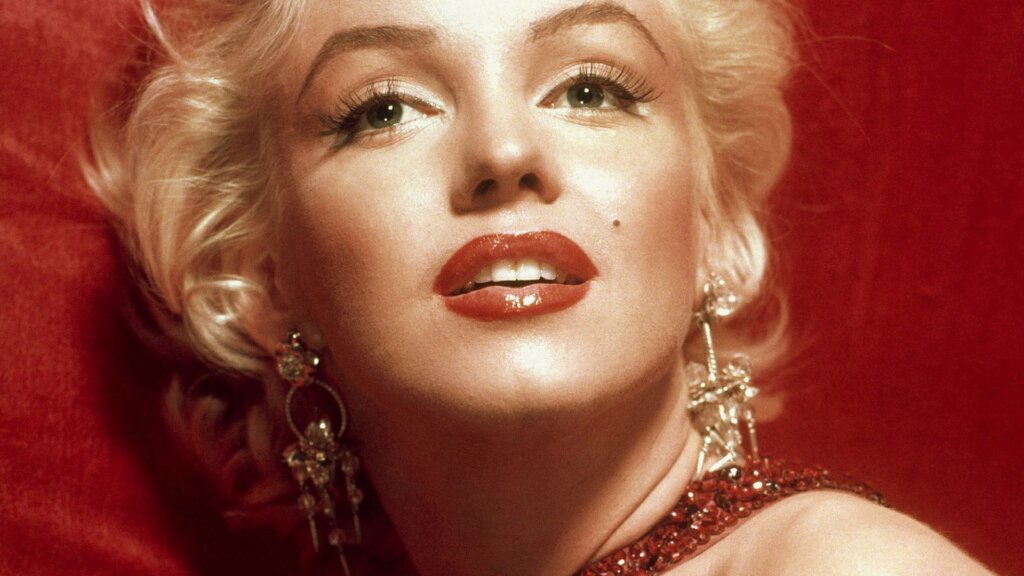
Red lipstick feels like a modern beauty staple, but its story stretches back thousands of years and touches everything from ancient royalty to modern protest movements. According to National Geographic, archaeologists recently uncovered trace pigments resembling a modern lipstick recipe in a 4,000-year-old vial from Iran. From there, the color has swung between glamour, danger, and rebellion again and again.
It All Started With a Mesopotamian Queen
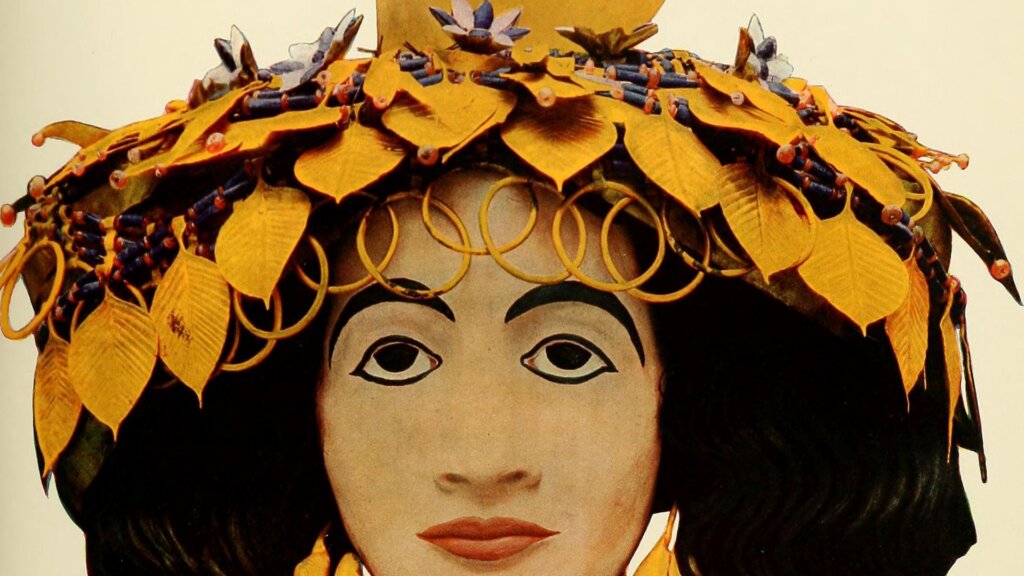
Red lip coloring dates back to around 3500 B.C., when Mesopotamia’s Queen Puabi used a mixture of white lead and crushed red rocks to stain her lips as a mark of her status. The trend caught on quickly among the wealthy. Archaeological digs later revealed that many affluent Sumerians were buried with their own lip colorants carefully stored inside cockle shells, treating the pigment as a valuable possession worth carrying into the afterlife.
Cleopatra Preferred a Different Red
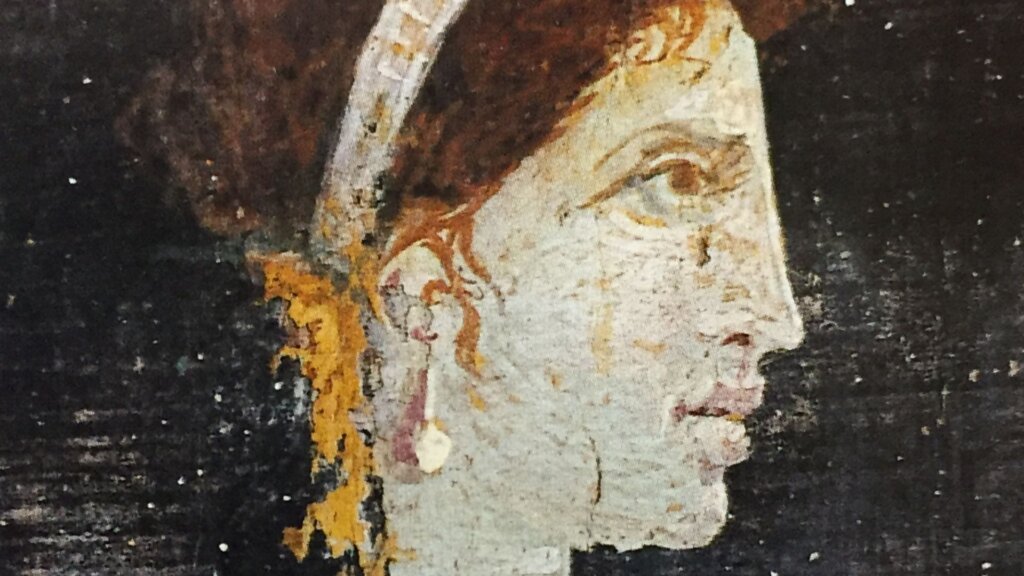
Ancient Egyptian aristocrats favored red ochre mixed with resin to create their own bold lip color. Queen Cleopatra, however, opted for something more unique: carmine, a deep red pigment extracted from crushed cochineal insects. That same insect-based pigment remains recognizable in the beauty world today, connecting one of history’s most famous rulers directly to ingredients still discussed in modern cosmetics conversations.
Ancient Greece Turned It Into a Stigma
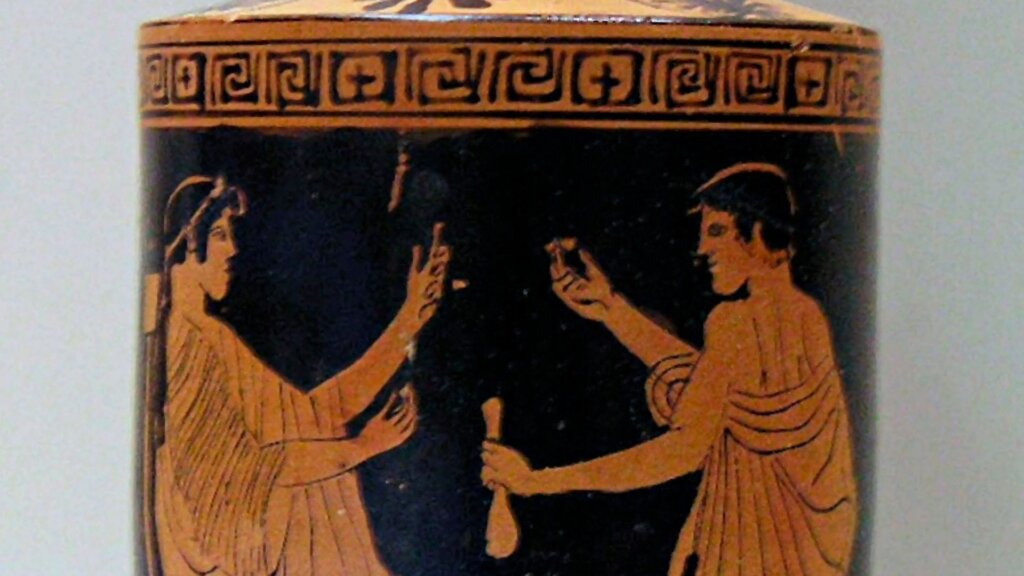
In ancient Greece, red lips carried an entirely different meaning, becoming closely associated with sex workers rather than high-status women. According to author Sarah E. Schaffer, women in that role risked punishment for improperly posing as ladies if they appeared in public without their designated lip paint. That paint itself was made from a strange mix of ingredients, including mulberries, seaweed, sheep sweat, and even crocodile excrement.
Rome Made It Fashionable Again, at a Cost
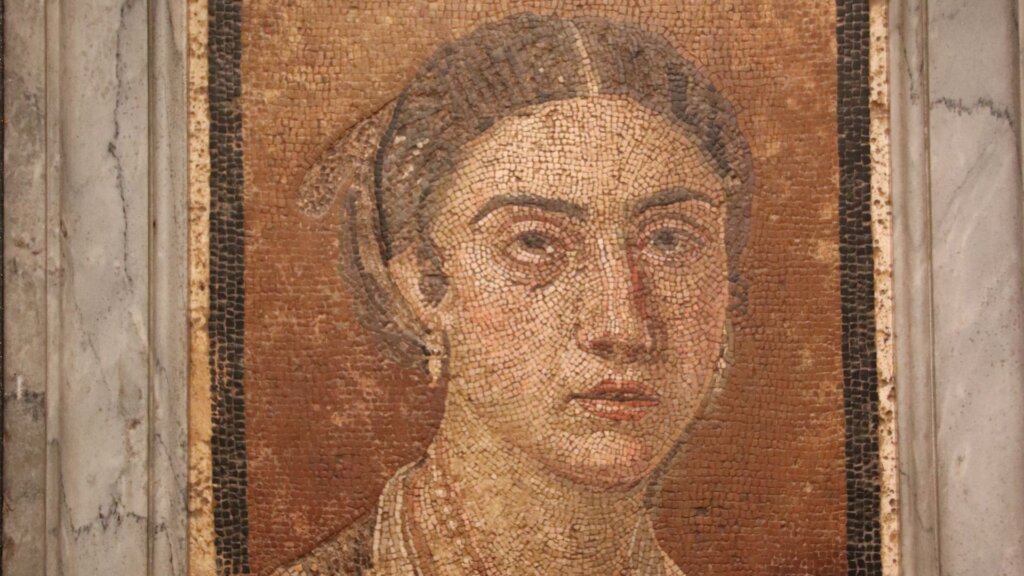
By the time of the Roman Empire, lip coloring had become common again, with more vibrant shades signaling higher social status. That fashion came with real danger, though, since expensive pigments like mercury-laden vermilion were potentially deadly poison. Ironically, poorer Romans who relied on red wine sediment for their lip color likely ended up far safer than those who could afford the fashionable, toxic alternative.
Witchcraft Fears and a Fearless Queen
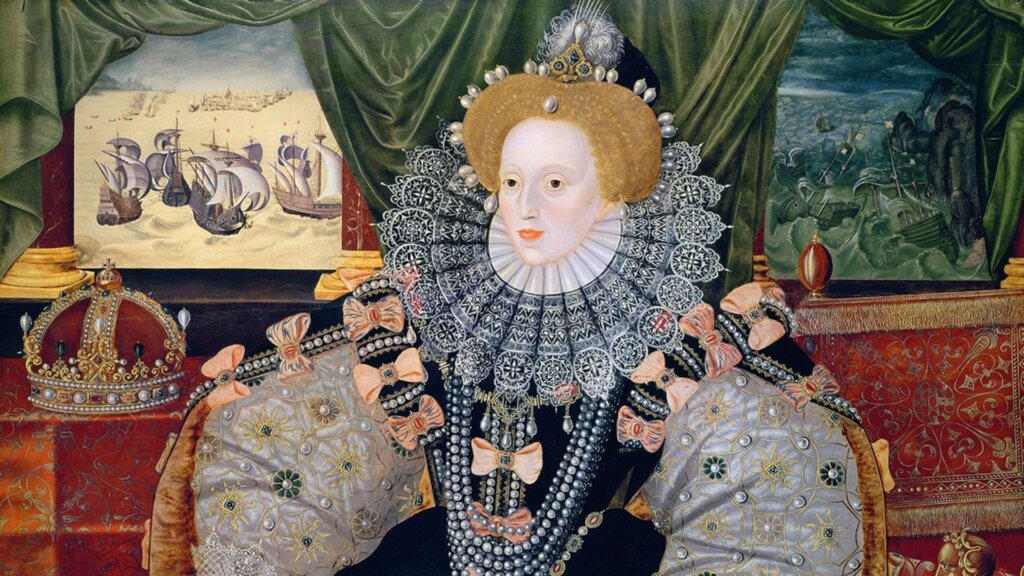
During the Middle Ages, cosmetics took on a slightly wicked reputation as Crusaders reintroduced Western Europe to Middle Eastern beauty practices, clashing with religious teachings that emphasized natural humility. In England, red lipstick was believed to repel evil spirits, and Queen Elizabeth I famously wore a custom crimson blend of cochineal, gum arabic, egg whites, and fig milk. Her reign sparked a surge in the trend, though the goodwill did not last. Under her successor, growing fears about witchcraft eventually led to a 1770 law allowing women to be tried as witches if makeup was used to deceive men into marriage.
Suffragettes Turned It Into a Symbol of Defiance
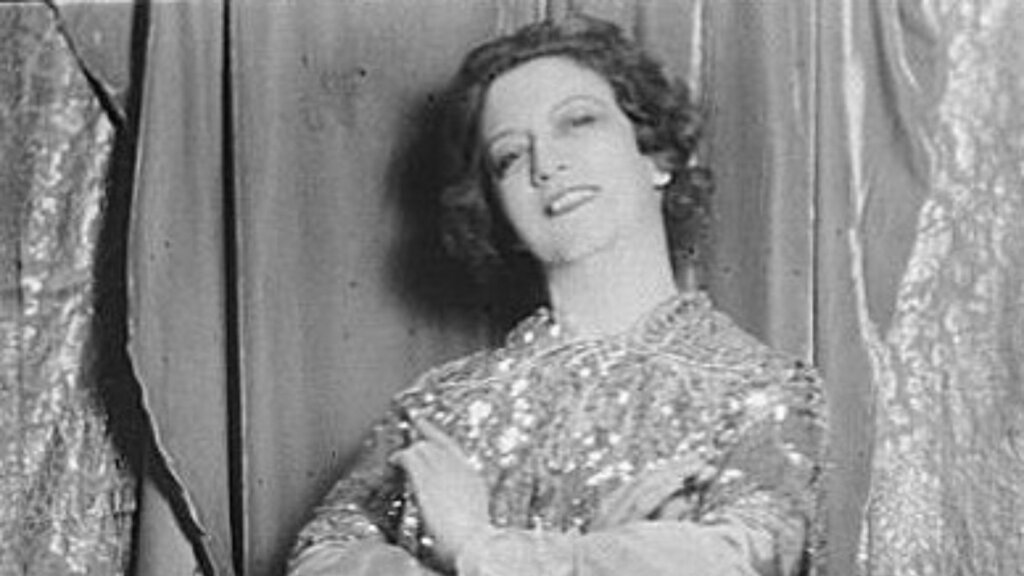
Red lipstick found new meaning in the 1920s, when it became a symbol of the fight for women’s rights. Beauty entrepreneur Elizabeth Arden distributed lipstick tubes to suffragettes marching in New York City in 1912, encouraging figures like Elizabeth Cady Stanton and Emmeline Pankhurst to wear it as a badge of courage. By 1933, Vogue had declared that if the defining gestures of the century were being preserved for future generations, applying lipstick would top that list.
A Wartime Symbol of Resilience
By World War II, red lipstick had shifted from a symbol of rebellion into one of patriotic femininity, with shades bearing names like Fighting Red and Victory Red. Elizabeth Arden even created a shade specifically to match the crimson trim on female Marines’ uniforms, while factories kept lipstick stocked in dressing rooms to help boost worker morale. According to one historical account, even Adolf Hitler reportedly despised the trend.
From Hollywood Glamour to Modern Protest
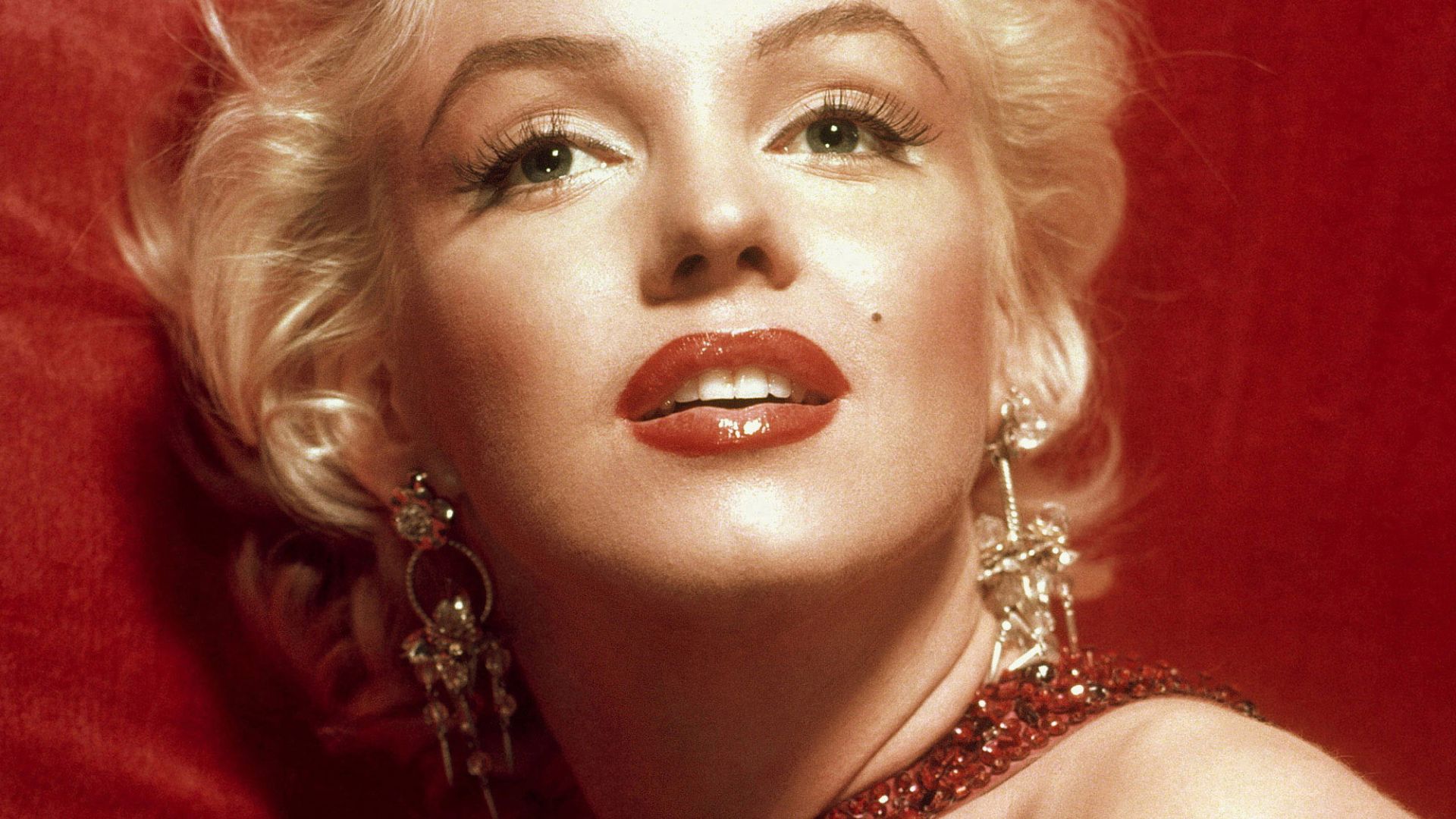
After the war, Hollywood icons like Audrey Hepburn and Marilyn Monroe cemented red lipstick as a timeless glamour staple, a legacy still visible today in celebrities like Taylor Swift. But its meaning as a form of protest never disappeared. In 2018, Nicaragua’s SoyPicoRojo campaign saw men and women wear red lipstick to oppose the country’s dictatorship, and in 2019, thousands of Chilean women wore it to denounce violence against women. Proving the color’s rebellious roots are very much alive.
A Color That Refuses to Fade
From ancient queens to modern protesters, red lipstick has carried wildly different meanings depending on the era, yet it has never truly gone out of style. It has represented royalty, invited persecution, fueled a fight for equality, and boosted morale during wartime, all in the same simple swipe of color. Few beauty products can claim a history this layered, which is exactly what makes red lipstick more than just a passing trend.