

Products are selected by our editors, we may earn commission from links on this page.
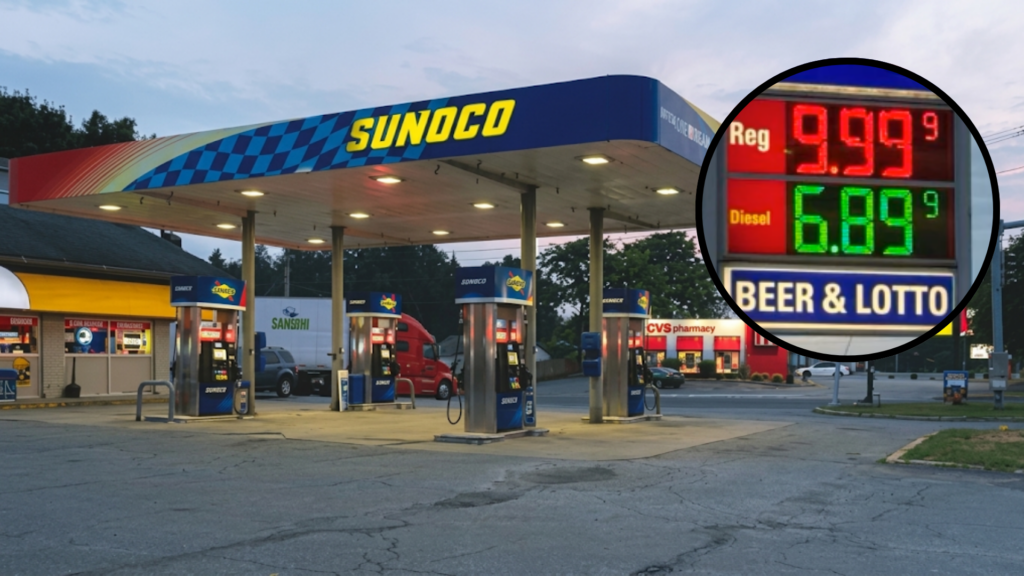
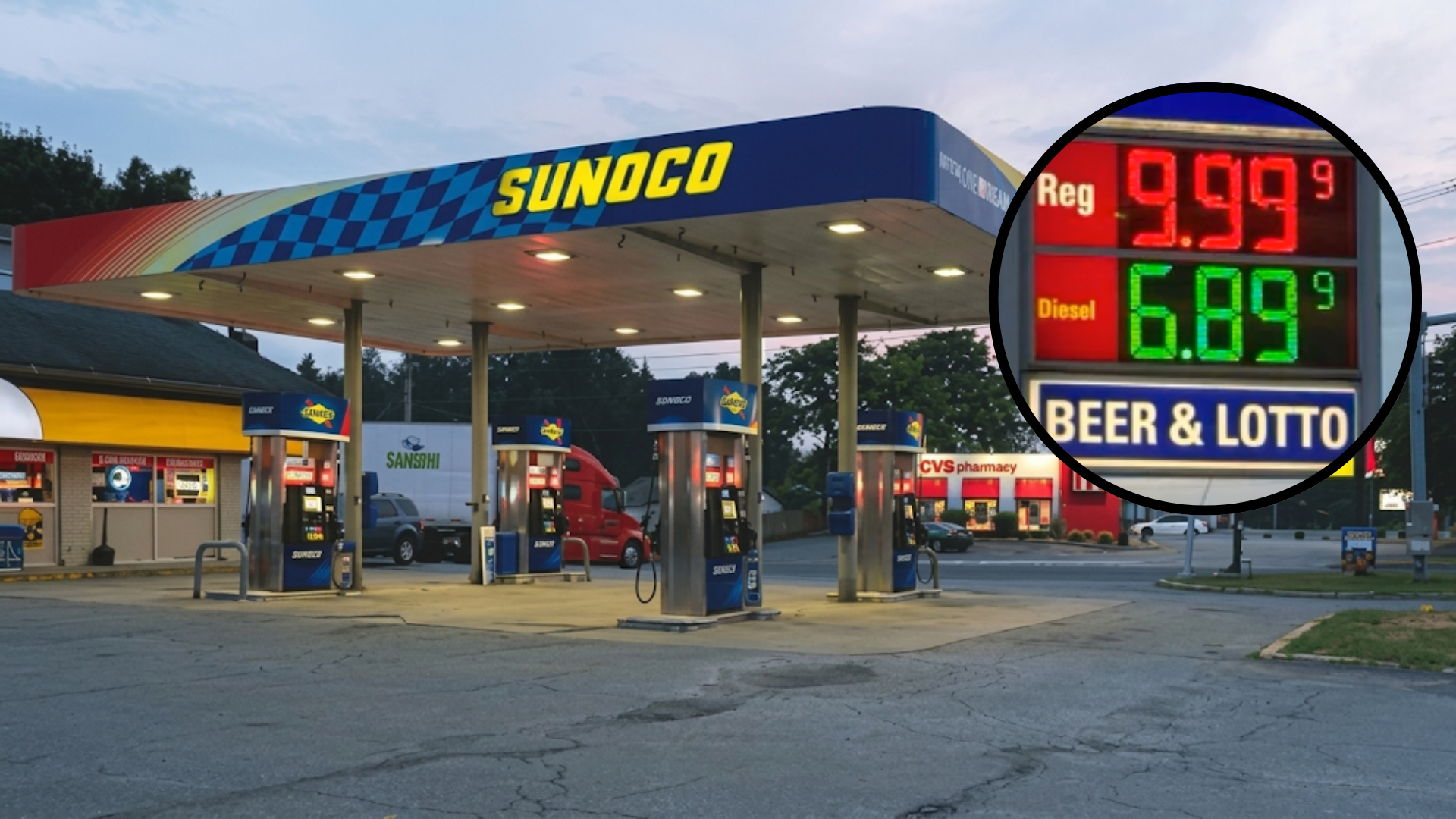
Body: A viral photo showing an Ohio gas station charging $9.99 a gallon spread rapidly across social media, appearing to show one of the most extreme price spikes in the country. The real explanation turned out to be far more mundane. Newsweek’s own investigation found the station wasn’t actually charging that price at all, it had simply run out of gas.
The Post Was Viewed More Than 770,000 Times
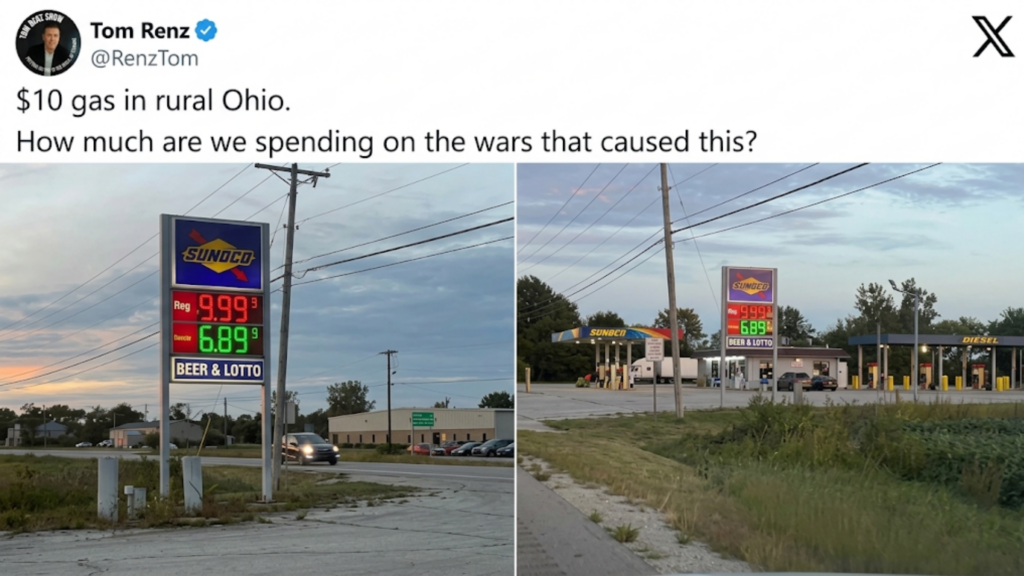
The post, viewed more than 770,000 times on X, showed a fuel price display reading $6.89 for diesel and $9.99 for regular gas at a rural Ohio station. Posted by Tom Renz, an Ohio-based lawyer and political commentator, the images circulated as apparent evidence that some Americans were facing especially severe gas price spikes tied to the ongoing war with Iran.
Real Prices Have Climbed a Lot, Just Not That Much
National gas prices genuinely have climbed significantly since the war began on February 28, rising roughly 50 percent to a national average of $4.48 as of the Sunday in question, according to AAA data. Ohio’s own statewide average for regular unleaded rose from $2.76 before the conflict started to $4.53, a 64 percent increase over that same stretch of time.
The Numbers in the Photo Simply Didn’t Add Up
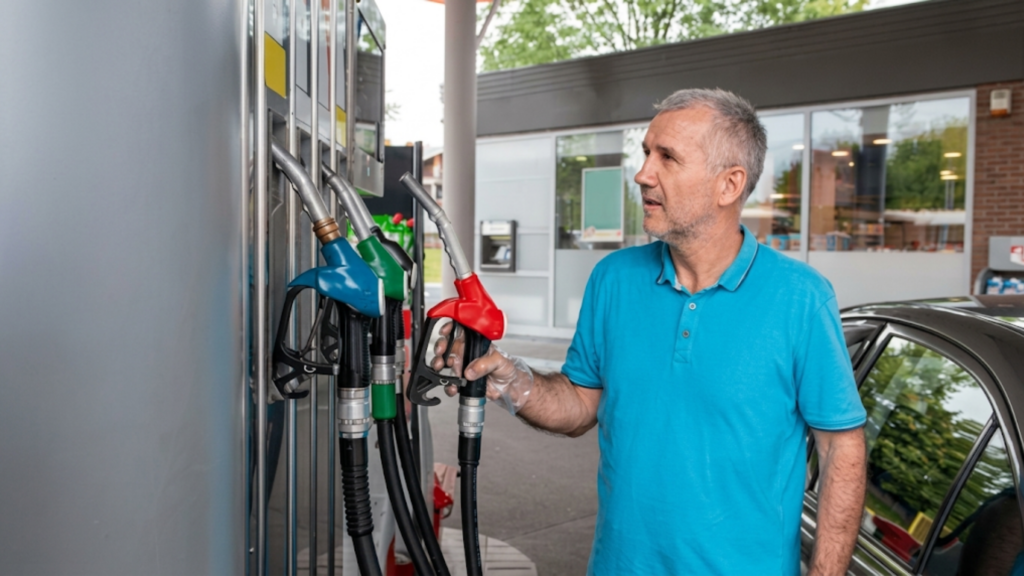
Even against that real backdrop of rising prices, the numbers in the viral photo simply didn’t add up mathematically. A price of $9.99 would mean the station was charging more than double both the national and Ohio state averages. It would also mean regular gas cost more than diesel, which typically runs roughly $2 higher per gallon elsewhere in the state.
A Road Sign in the Photo Helped Pinpoint the Station
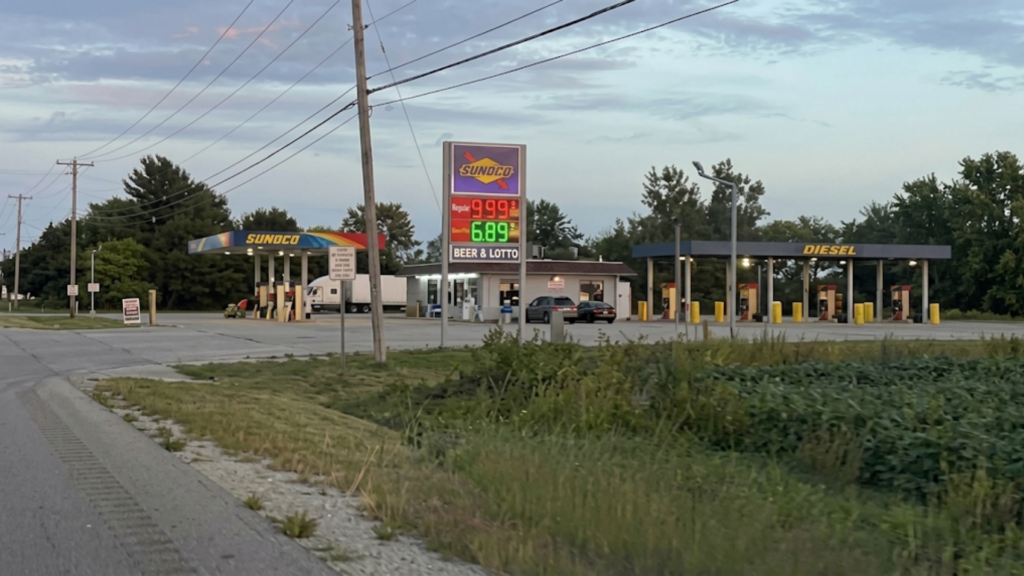
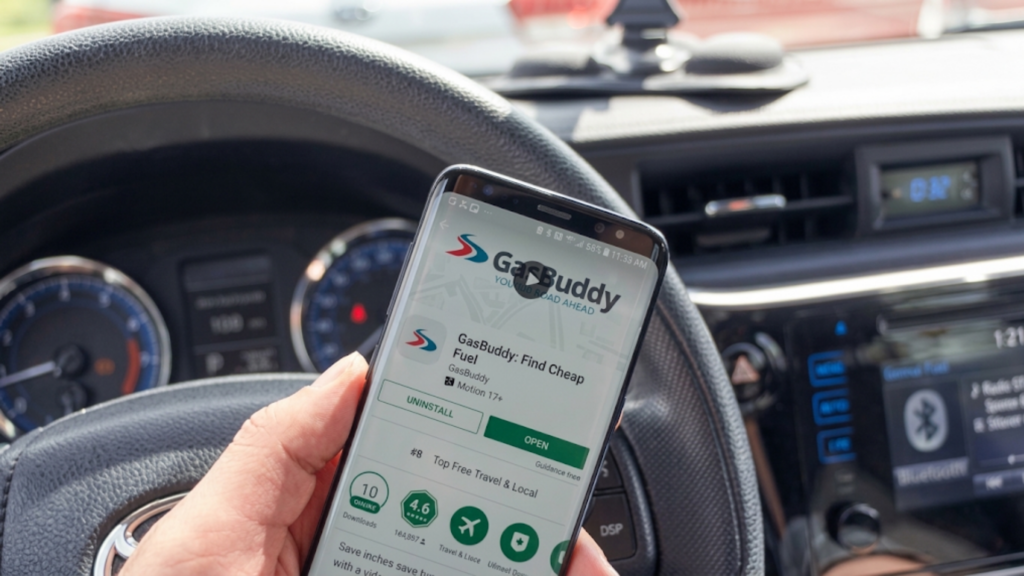
Using location clues embedded in the post itself, including a road sign pointing toward Genoa and Elmore, Newsweek traced the photos to Ottawa County, Ohio, specifically. Reported prices in those two villages sat at $4.57 and $4.89 per gallon that same Saturday, according to GasBuddy, nowhere close to the $9.99 figure shown in the viral image.
The Exact Station’s Real Prices Told a Different Story
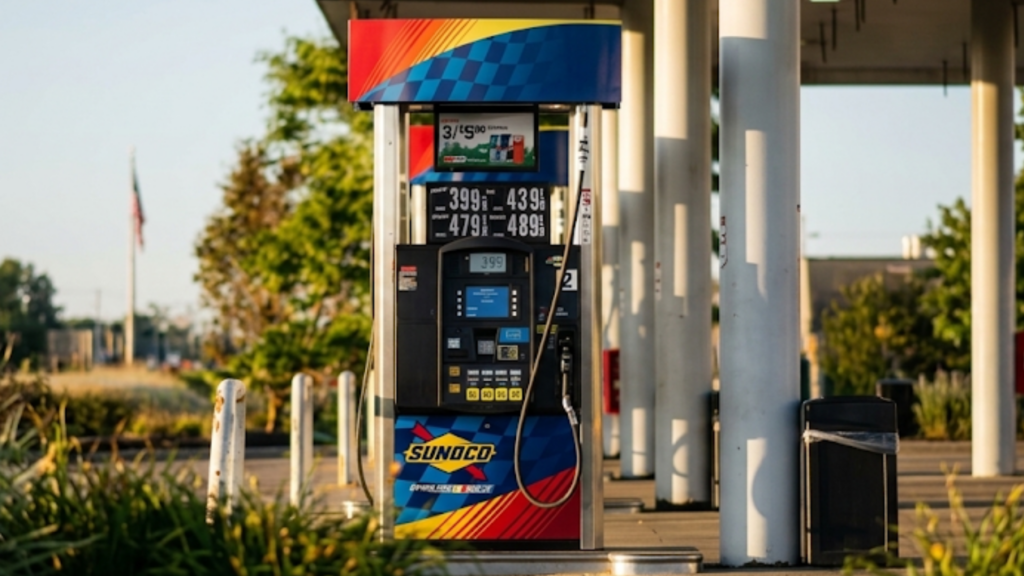
The investigation eventually led to a specific Sunoco station located at 4541 US-20 in Gibsonburg, Ohio. Google Maps listed that station’s actual 24-hour average prices at $4.50 per gallon for regular gas, $5.30 for premium, and $6.90 for diesel, figures consistent with regional averages rather than anything resembling the number shown in the post.
An Employee Revealed the Real Reason for the Number
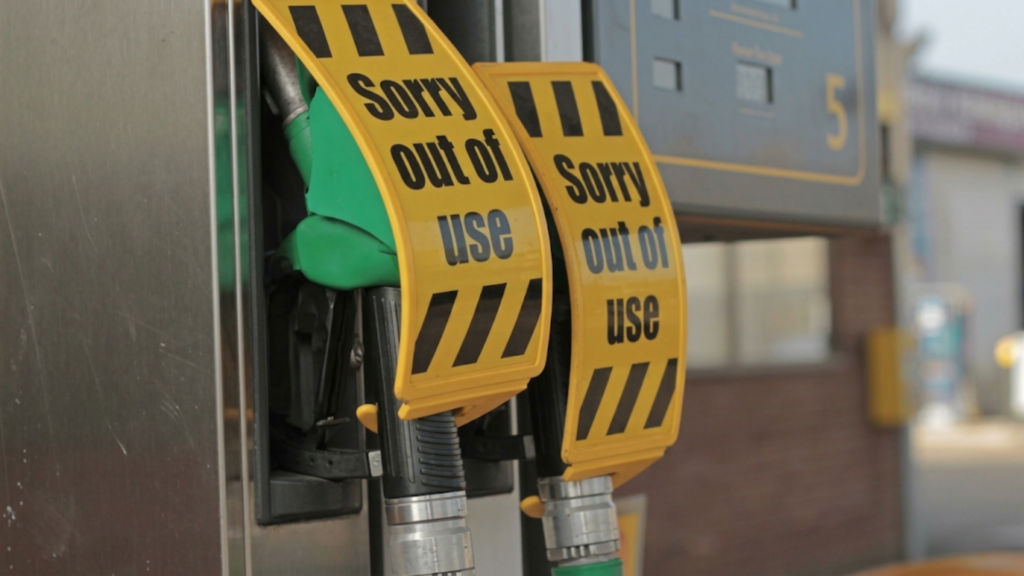
When Newsweek contacted the station directly, an employee explained the real reason behind the unusual number displayed that day. The $9.99 figure appeared not because that was the actual price, but because the station’s tank had run completely empty, and $9.99 served as a placeholder rather than an actual per-gallon charge.
This Exact Pattern Happened Before, Back in 2021
This isn’t a new phenomenon specific to this particular shortage. Patrick De Haan, GasBuddy’s head of petroleum analysis, pointed to a nearly identical pattern following the 2021 Colonial Pipeline hack, when stations ran out of fuel entirely. “The stations did say their sign said $9.99, but they had done that because they had run out of diesel,” De Haan said, describing it as tied to the displays’ three-digit price limit.
Even the Original Poster Later Admitted This Was Possible

After his images were shared further by radio host and conspiracy theorist Alex Jones, Renz acknowledged the empty-tank explanation as a real possibility himself. “These pics are real and I don’t care why. If it is because the gas station was out of gas, why is that happening? I drive by that station all the time, I’ve never seen that before,” he wrote in a follow-up post.
Real Prices Are Up Significantly, Just Not Like This Photo Showed

Real gas prices have climbed substantially since the war began, creating genuine financial pressure on consumers and a political challenge for Trump’s party heading into this year’s elections. But this specific viral image, despite its scale of engagement, wasn’t evidence of the price spike it appeared to show. The supply shock has not yet produced widely reported fuel shortages, though concerns about availability continue growing.