

Products are selected by our editors, we may earn commission from links on this page.
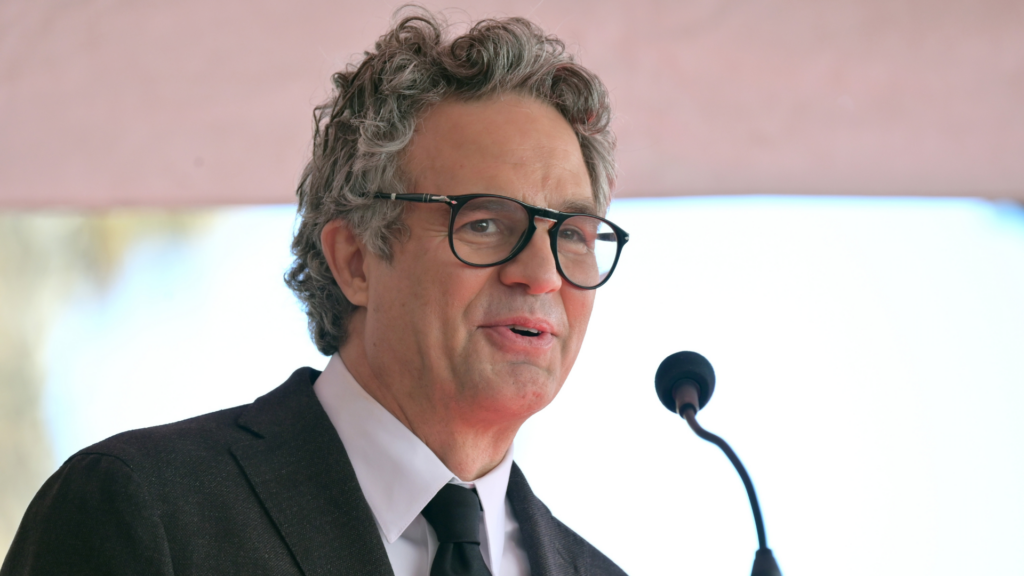
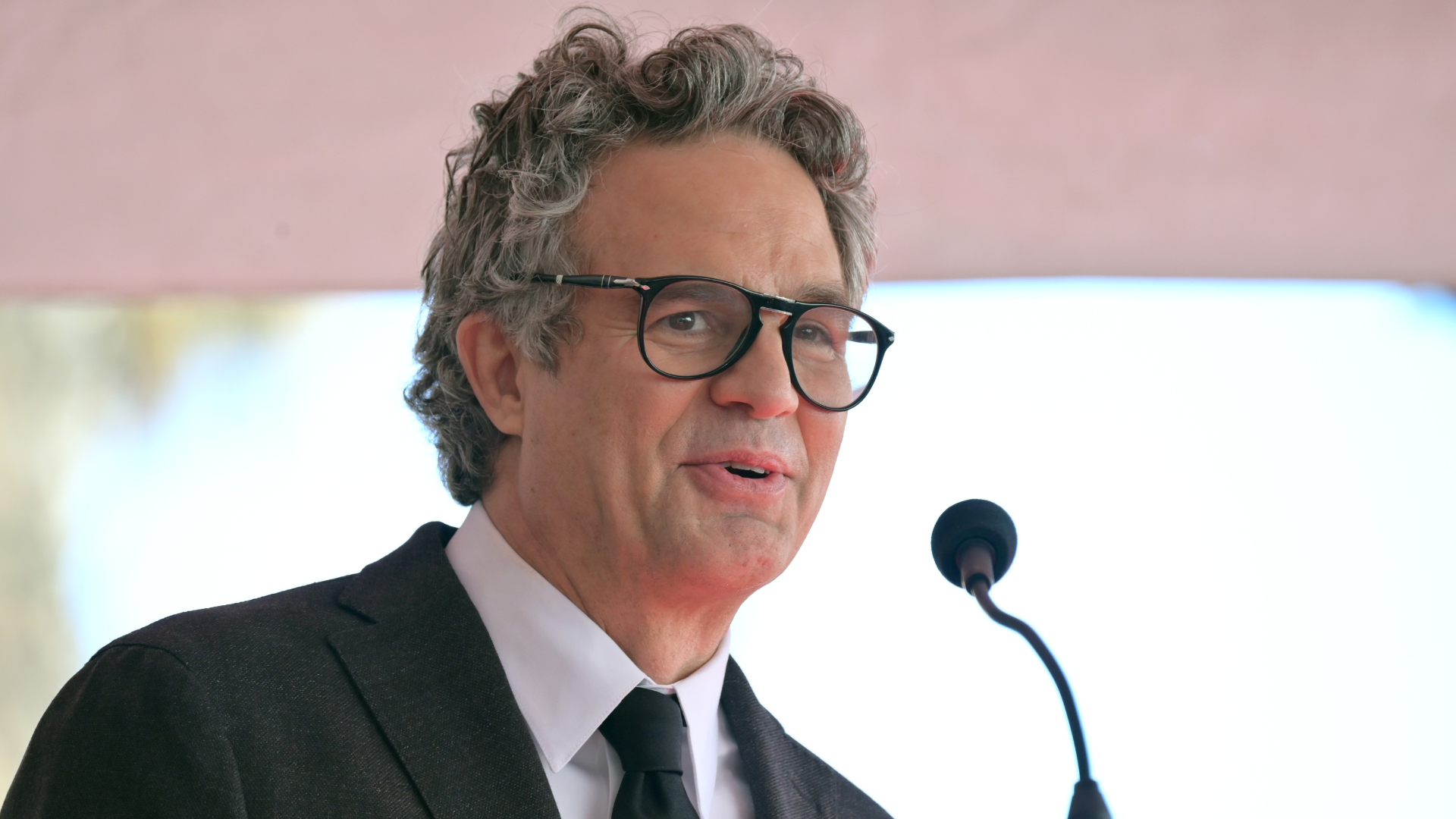
Mark Ruffalo publicly urged California Attorney General Rob Bonta not to settle the state’s antitrust lawsuit challenging Paramount Skydance’s proposed acquisition of Warner Bros. Discovery. In a September 19 social media post, Ruffalo told Bonta, “Do not cave,” while pointing to support from thousands of filmmakers and more than 75,000 petition signatures opposing the proposed settlement. His appeal came as Bonta and 11 other state attorneys general were negotiating with Paramount over terms that could allow the merger to proceed.
Ruffalo Pointed to Filmmaker Opposition
Ruffalo said 5,670 filmmakers had put their names behind efforts opposing the merger and cited more than 75,000 additional signatures gathered in roughly three weeks. He argued that the attorneys general should continue challenging the transaction rather than accept what he characterized as promises from Paramount. His comments reflected the concerns of some people in the entertainment industry who feared that combining two major Hollywood companies could affect competition, production and employment.
The Lawsuit Targeted a Proposed Paramount-Warner Bros. Merger
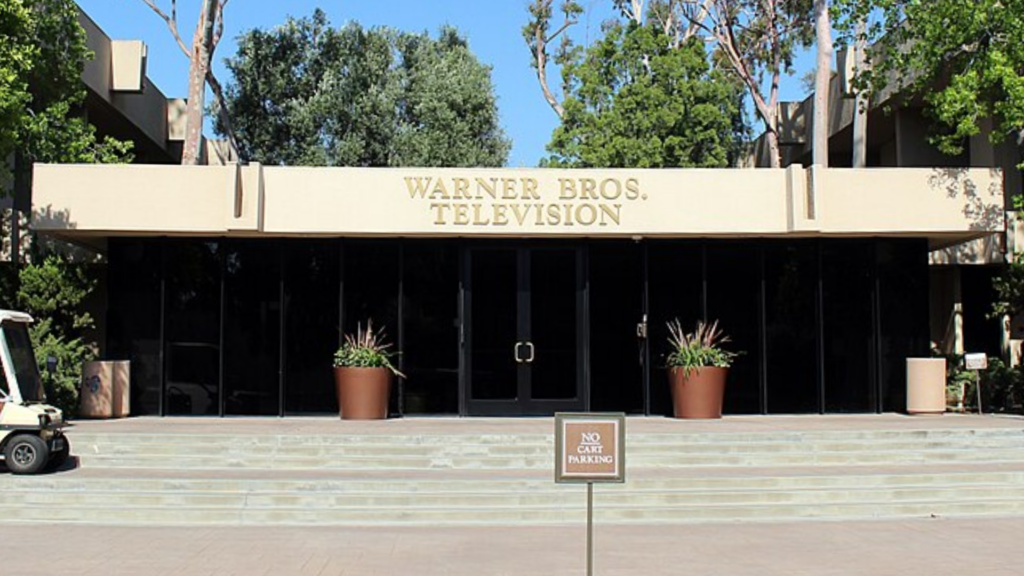
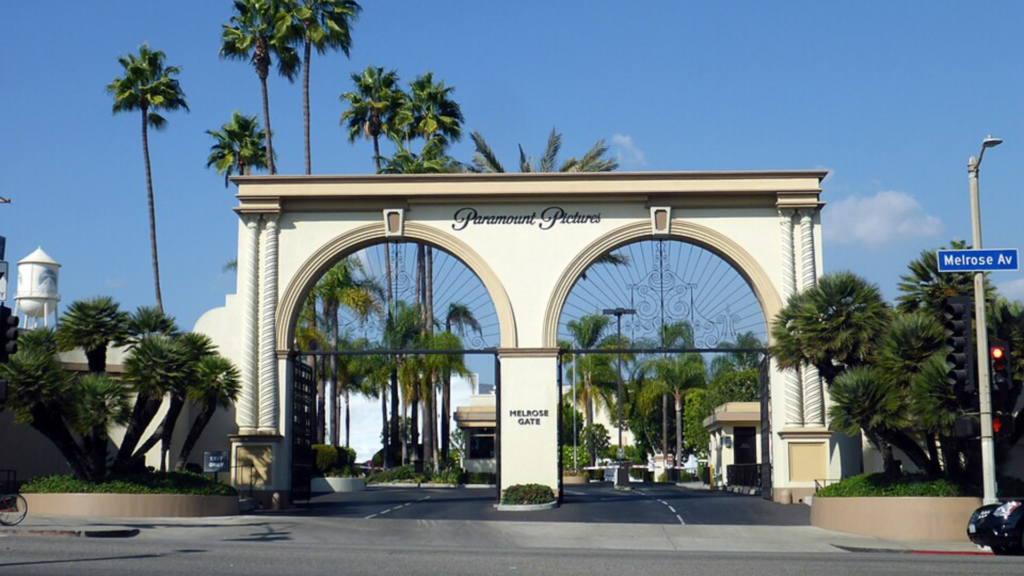
The lawsuit was filed in July by Bonta and a coalition of 12 state attorneys general to challenge Paramount’s proposed acquisition of Warner Bros. Discovery. The states alleged that the approximately $110 billion transaction could reduce competition in film distribution and cable television markets while potentially affecting movie theaters, consumers and the amount and variety of entertainment available. Paramount and its supporters have disputed those concerns and have argued that the combination can benefit consumers, workers and the broader creative industry.
Bonta Had Previously Sought Strong Protections
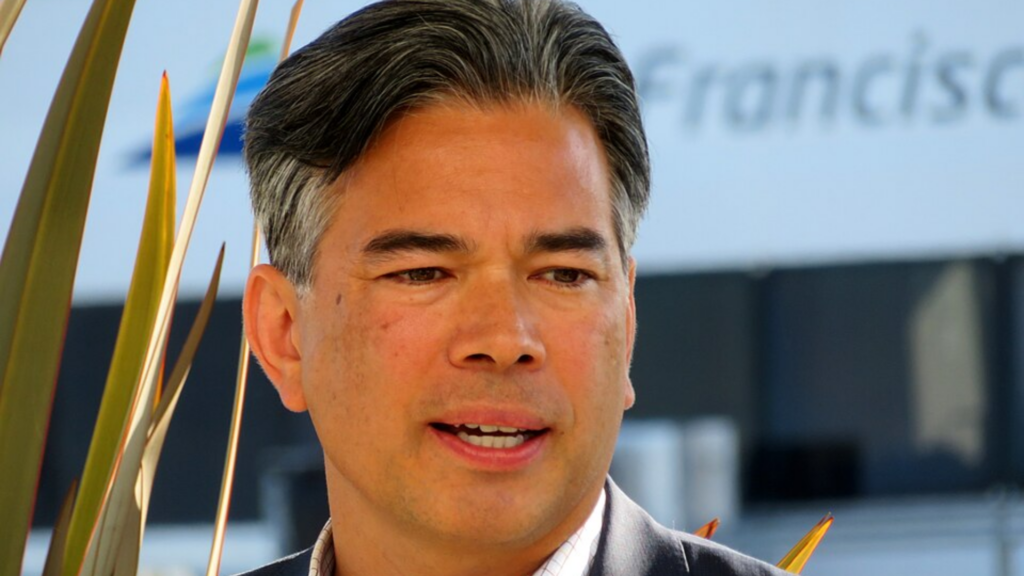
Before the settlement, Bonta had indicated that any agreement would need meaningful protections rather than relying only on promises about how the combined company would behave. The attorney general’s office had argued that the merger could lessen competition in film distribution, blockbuster film distribution and cable channel licensing. Earlier in July, Bonta also secured an agreement preventing the companies from completing the merger until June 1, 2027, or until after a court ruling on the states’ claims, whichever came first.
Paramount and the States Eventually Reached a Settlement
Despite the opposition Ruffalo expressed, Bonta announced on September 21 that the coalition had reached a settlement with Paramount Skydance. The agreement is designed to resolve the states’ antitrust concerns while allowing the proposed Warner Bros. acquisition to move forward if the court approves the deal. Bonta said the settlement was not an endorsement of the merger but instead a way to secure enforceable protections for competition, consumers and workers.
The Deal Requires More Film Releases
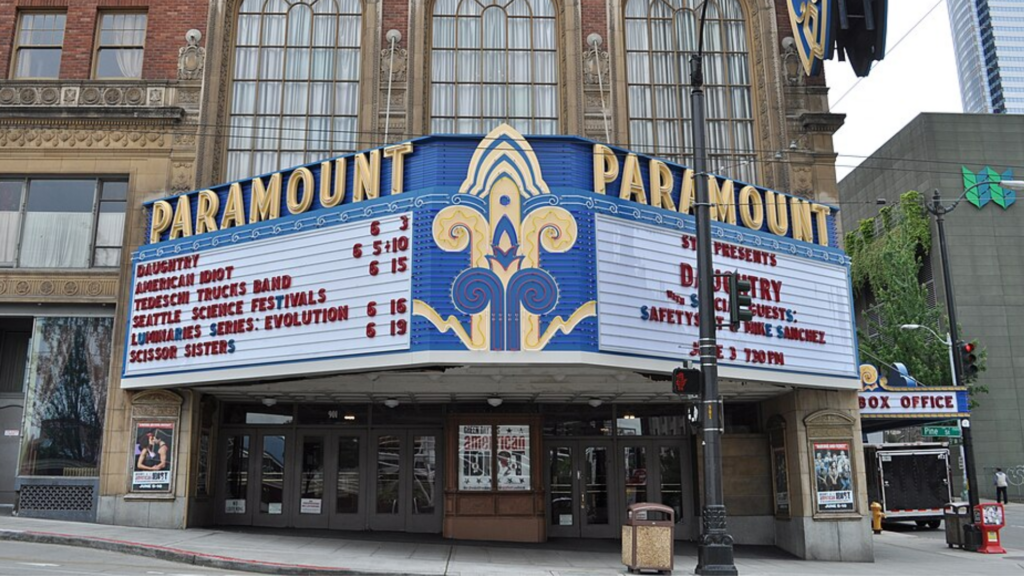
Under the settlement, the combined company must release at least 30 films annually during the first two years, including at least 20 wide releases, and 32 films annually during the following three years, including at least 21 wide releases. At least four independent films must also be released each year during the five-year commitment period. If Paramount fails to meet the required film output, it must pay $30 million for each missed film and could be required to divest Miramax Studios.
Paramount Also Committed More Money to U.S. Production

The settlement requires Paramount to spend at least an additional $1.5 billion on U.S. film production over five years compared with its 2025 spending levels. The agreement also establishes a $25 million independent-film fund and requires the merged company to contribute $5 million annually toward purchasing independent films. The production commitments are intended to address concerns about the potential impact of the merger on domestic filmmaking and employment.
Workers and Cable Viewers Are Also Covered

The settlement includes a $47.5 million workforce fund over five years for training and career development for workers displaced by the merger. Paramount must also negotiate its basic cable channels separately from Warner Bros. basic cable channels for five years, a condition intended to preserve competition in those negotiations. The agreement also requires the company to maintain a free streaming service comparable to Pluto TV and establishes a News Editorial Independence Board for CNN and CBS.
The Settlement Still Needs Court Approval

The settlement does not immediately complete the merger because a court must still approve the agreement. If approved, Paramount would be able to proceed toward completing its acquisition of Warner Bros. Discovery, creating a much larger entertainment company with major film studios, television networks and streaming services under one corporate structure. The agreement also includes an independent monitor responsible for overseeing compliance with its terms.
Ruffalo’s Warning Came Before the Final Deal
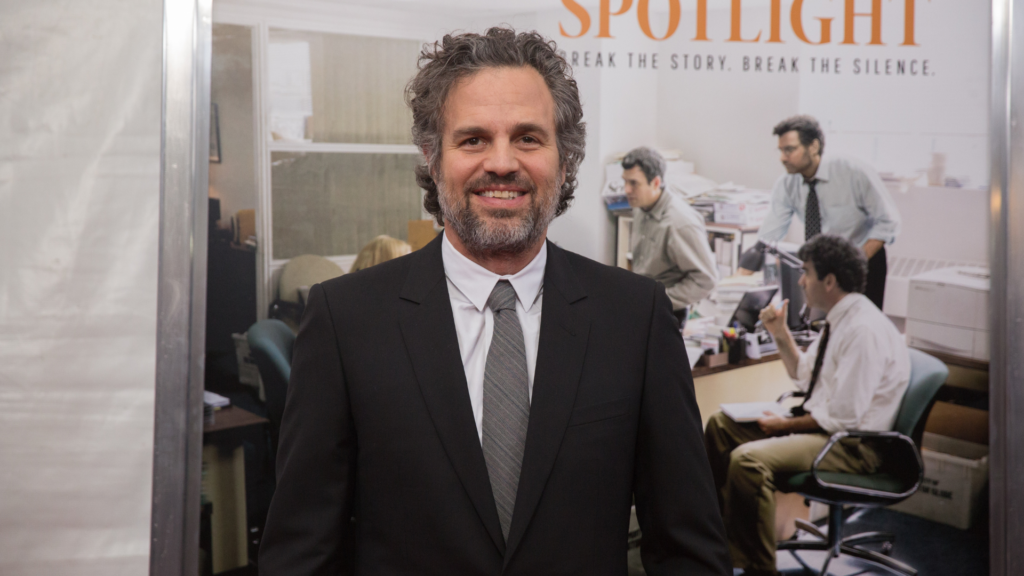
Ruffalo’s intervention captured a broader dispute over whether regulatory conditions could adequately address concerns surrounding the proposed merger. While some entertainment unions and industry groups ultimately welcomed provisions in the settlement, other critics continued to question whether the safeguards would be sufficient to prevent the effects of greater media consolidation. The final agreement therefore represents a significant change from the moment when Ruffalo was publicly asking Bonta to reject any settlement, but the merger remains subject to judicial approval and continued scrutiny.