


Products are selected by our editors, we may earn commission from links on this page.

Candida auris, a drug-resistant yeast capable of causing severe infections, has been detected in 27 states so far in 2026, according to CDC data reported by ABC News. As of the week ending July 25, 3,437 cases had been identified, although that total was actually about 1,000 lower than the 4,290 recorded by the same point in 2025. Health officials remain concerned because C. auris can spread within healthcare facilities, persist on surfaces, and resist some of the limited antifungal medications available to treat serious infections.
Candida Auris Is a Yeast That Can Cause Serious Infections
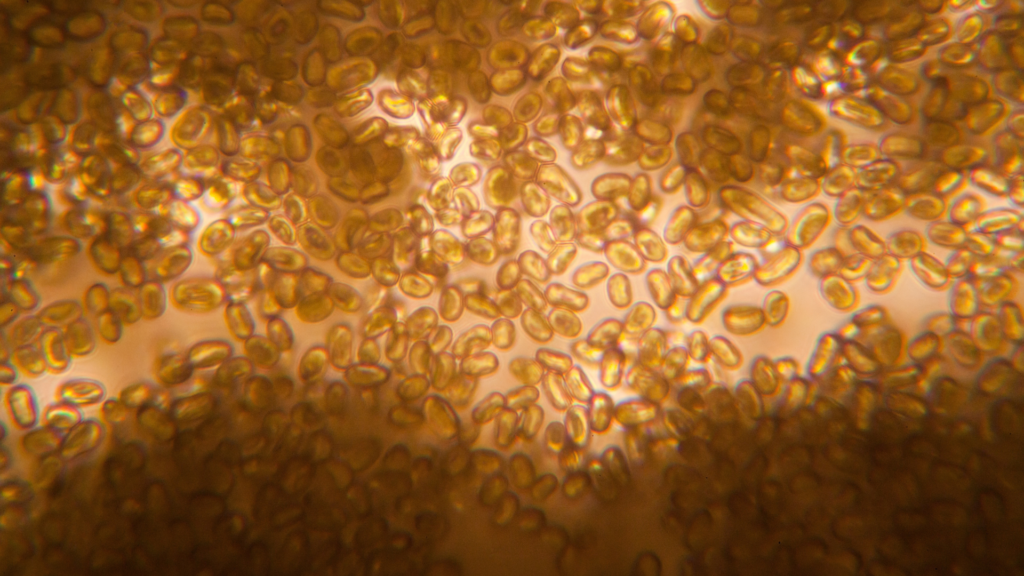
C. auris is a type of yeast that can live on a person’s skin without causing symptoms, a situation known as colonization, but it can also enter the bloodstream and other parts of the body and cause invasive infections. Those serious infections can be difficult to treat, particularly when the organism is resistant to antifungal medications. Fungal infections overall range from mild conditions to life-threatening disease, with people who have weakened immune systems facing some of the greatest risks.
California, Texas and Tennessee Have Reported the Most Cases

The 2026 cases reported through late July were spread across 27 states, but some states accounted for considerably more than others. California had reported 873 cases, followed by Texas with 433 and Tennessee with 283, according to CDC data cited by ABC News. The geographic reach demonstrates why public-health agencies continue monitoring C. auris, although simply detecting cases in more places does not mean most Americans face an immediate risk of infection.
The Fungus Is Primarily a Healthcare Facility Problem

Unlike many infections people commonly encounter in everyday community settings, C. auris is particularly concerning in hospitals, nursing homes, and other healthcare facilities caring for medically vulnerable patients. Both people with active infections and people who carry the fungus without symptoms can spread it, and C. auris can survive for extended periods on objects and surfaces such as bedrails and doorknobs. That durability makes careful infection-control practices especially important when healthcare facilities identify a colonized or infected patient.
Healthy People Generally Face a Much Lower Risk

The nationwide numbers can sound alarming, but C. auris does not pose the same risk to everyone. Experts say healthy people generally do not need to worry about becoming seriously ill from the fungus, while people who are already hospitalized or medically vulnerable face much greater risk. Patients with weakened immune systems and those who have or recently had medical devices entering the body, including breathing tubes and catheters, are among the groups considered particularly vulnerable.
Its Resistance to Antifungal Drugs Is the Bigger Concern

The reason C. auris receives so much attention is not simply that it can cause infection, but that many samples resist medications doctors normally rely on to treat fungal disease. A CDC analysis of 8,033 samples collected during 2022 and 2023 found that more than 95% were resistant to fluconazole, while 15% were resistant to amphotericin B and about 1% were resistant to echinocandins. Fewer than 1% were resistant to all three major antifungal classes, and the CDC says echinocandins remain the recommended initial treatment for most C. auris infections.
Candida Auris Can Be Difficult to Identify

Recognizing C. auris can be complicated because symptoms depend on which part of the body has become infected and many affected patients are already being treated for other serious conditions. Laboratory testing is needed to confirm the organism, and accurately distinguishing it from other types of Candida is important for determining treatment and infection-control measures. Surveillance has therefore become a significant part of the response, with CDC weekly reporting continuing to track C. auris cases during 2026.
The Reported Death Rate Needs Important Context

Studies cited by the CDC have estimated mortality among patients with C. auris infections at roughly 30% to 60%, but that statistic requires considerable context. Many people who develop invasive C. auris infections are already critically ill or have serious underlying medical conditions, making it difficult to determine how much the fungus itself contributed when a patient dies. The figure therefore should not be interpreted as meaning a healthy person who encounters C. auris automatically faces anything close to that level of risk.
Case Counts Are Rising Over Time, but the Increase Has Slowed

C. auris has expanded significantly since it was first reported in the United States, which is why health officials continue treating it as an emerging antimicrobial-resistance threat. However, the latest numbers contain an important piece of perspective: the CDC says cases have continued increasing from year to year overall, but the rate of increase has slowed since 2022, and the number identified through July 25, 2026 was below the comparable 2025 figure. Weekly CDC surveillance remains provisional and can change as states submit and revise their reports.
The Biggest Concern Remains Protecting Vulnerable Patients

For most healthy Americans, the spread of C. auris across 27 states is not a reason to panic or assume everyday public spaces have suddenly become dangerous. The greater challenge is preventing transmission among people already vulnerable to severe infection, which makes rapid identification, careful cleaning, hand hygiene, appropriate protective equipment, and communication between healthcare facilities especially important. C. auris also illustrates a broader problem facing medicine: there are relatively few antifungal drugs available, while resistance to those treatments is becoming an increasingly important public-health concern.