


Products are selected by our editors, we may earn commission from links on this page.

The economy can look surprisingly strong right before investors start getting nervous. Americans are still spending, businesses are investing heavily and the Federal Reserve says economic activity is expanding at a solid pace. Yet one development has complicated that picture: the Fed just raised interest rates for the first time in more than three years. For anyone with money in stocks or a retirement account, history gives that change more significance than another routine Fed announcement.
This article was created with the assistance of AI and reviewed by our editorial team for accuracy and clarity.
The Fed Has Switched Direction
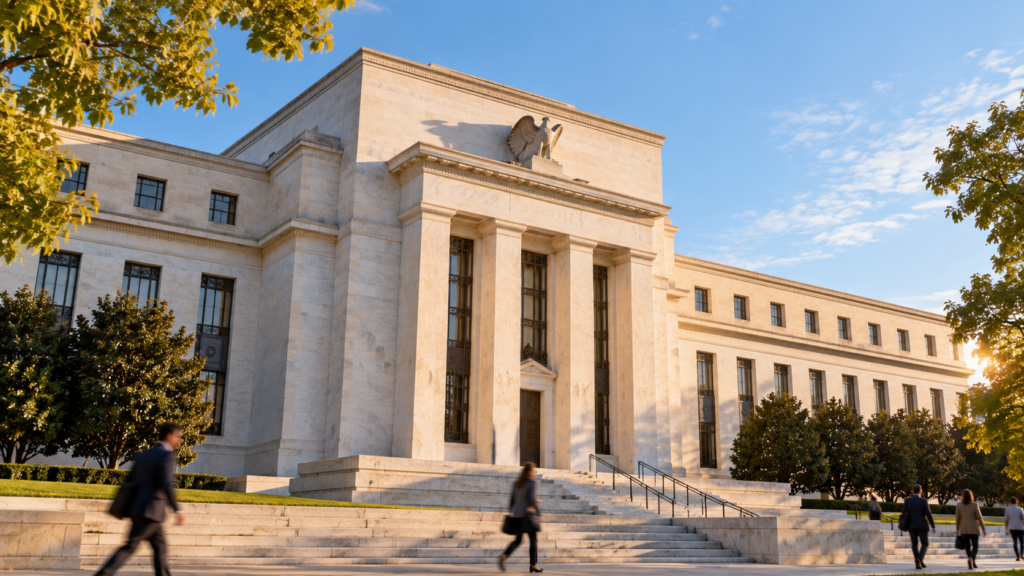
On September 16, policymakers unanimously raised the federal funds target range by a quarter percentage point to 3.75% to 4%. The move marked a clear shift after years without an increase, and Fed projections showed policymakers expected a median year-end rate of 4.1%, suggesting higher rates could still be ahead. The reason is straightforward: inflation remains too high for the central bank’s comfort even while the broader economy continues growing.
Why That Makes Stock Investors Pay Attention
Higher interest rates work their way through the economy by making borrowing more expensive. Companies can face steeper financing costs, while households may pay more to borrow for homes, cars and other purchases. That can eventually restrain spending and corporate profits. Meanwhile, higher yields make bonds more appealing to investors who might otherwise put that money into stocks. None of that guarantees falling share prices, but it changes the environment in which stocks have to compete for investors’ dollars.
History Is Where The Warning Gets Interesting

The recent rate increase has revived comparisons with previous Fed tightening cycles. Over the past 25 years, there were three earlier cycles in which the central bank began raising rates. According to an analysis cited by The Motley Fool, the S&P 500 fell an average 11% at some point during the three months following the first increase in those cycles. The Nasdaq Composite’s average decline was 17%. Those figures describe past episodes, not a forecast for what stocks will do this time.
Today’s Economy Doesn’t Look Like A Recession

What makes the current moment unusual is that the Fed isn’t responding to a collapsing economy. It says activity is expanding at a solid pace, with resilient domestic spending and robust capital investment. Retail sales jumped 1.2% in August from the previous month, according to government data cited by the Associated Press. Strong demand may be good for growth, but when inflation is already elevated, it can also make price pressures harder to cool.
Inflation Is Refusing To Leave Quietly

The Fed’s preferred inflation measure was running 3.7% higher in July than a year earlier, while core inflation was 3.3%, according to the AP. Both remained well above the central bank’s 2% goal. Higher energy costs, tariffs and bottlenecks connected with the artificial intelligence investment boom have all contributed to the current price environment. That helps explain why policymakers raised rates even as President Donald Trump publicly pushed for substantially lower borrowing costs.
The Bond Market Is Sending Its Own Message

Investors are also watching longer-term interest rates, which the Fed does not directly control. The 10-year Treasury yield has climbed above 5% during 2026, reflecting forces including inflation expectations, government borrowing and intense demand for capital as technology companies pour money into AI infrastructure. When safe government debt pays more, stocks face tougher competition because investors can earn a relatively attractive yield without taking the same market risk.
This Isn’t The Low-Rate 2010s Anymore

For years after the Great Recession, cheap money became almost normal. Mortgage rates frequently sat near historically low levels, companies could borrow cheaply and investors searching for stronger returns were pushed toward stocks. That backdrop has changed. The average 30-year mortgage rate recently reached 6.95%, while businesses and the federal government are competing for enormous amounts of capital. For households and investors accustomed to the previous era, higher borrowing costs may increasingly feel less temporary.
But History Doesn’t Provide A Script

Previous tightening cycles can show how markets have reacted under similar circumstances, but three episodes over 25 years are far too few to establish an inevitable outcome. Today’s economy also has its own unusual forces, from massive AI investment to geopolitical disruptions and resilient consumer spending. The Fed itself projects 2.3% real GDP growth in 2026 alongside 3.7% PCE inflation. In other words, investors are dealing with an economy that is growing while inflation remains stubborn, rather than a simple repeat of an earlier cycle.
The Next Inflation Reports Could Matter More Than The Warning

The historical pattern becomes more relevant if stubborn inflation keeps the Fed raising rates and bond yields elevated. It becomes less relevant if price pressures cool enough for policymakers to stop tightening sooner than expected. That puts upcoming inflation, spending and economic data at the center of the story. The warning from history isn’t that a correction must happen. It’s that after the first rate hike, the path of inflation and interest rates can suddenly matter much more to investors than the strength of today’s economy alone.