

Products are selected by our editors, we may earn commission from links on this page.
A photo going viral usually means someone chose to share it widely themselves, hit post, and watched it spread. This one didn’t work that way at all. The image that cost a Michigan credit union CEO her job wasn’t even posted publicly by the person who lost the job over it, a detail that makes the whole story considerably stranger than the headline suggests.
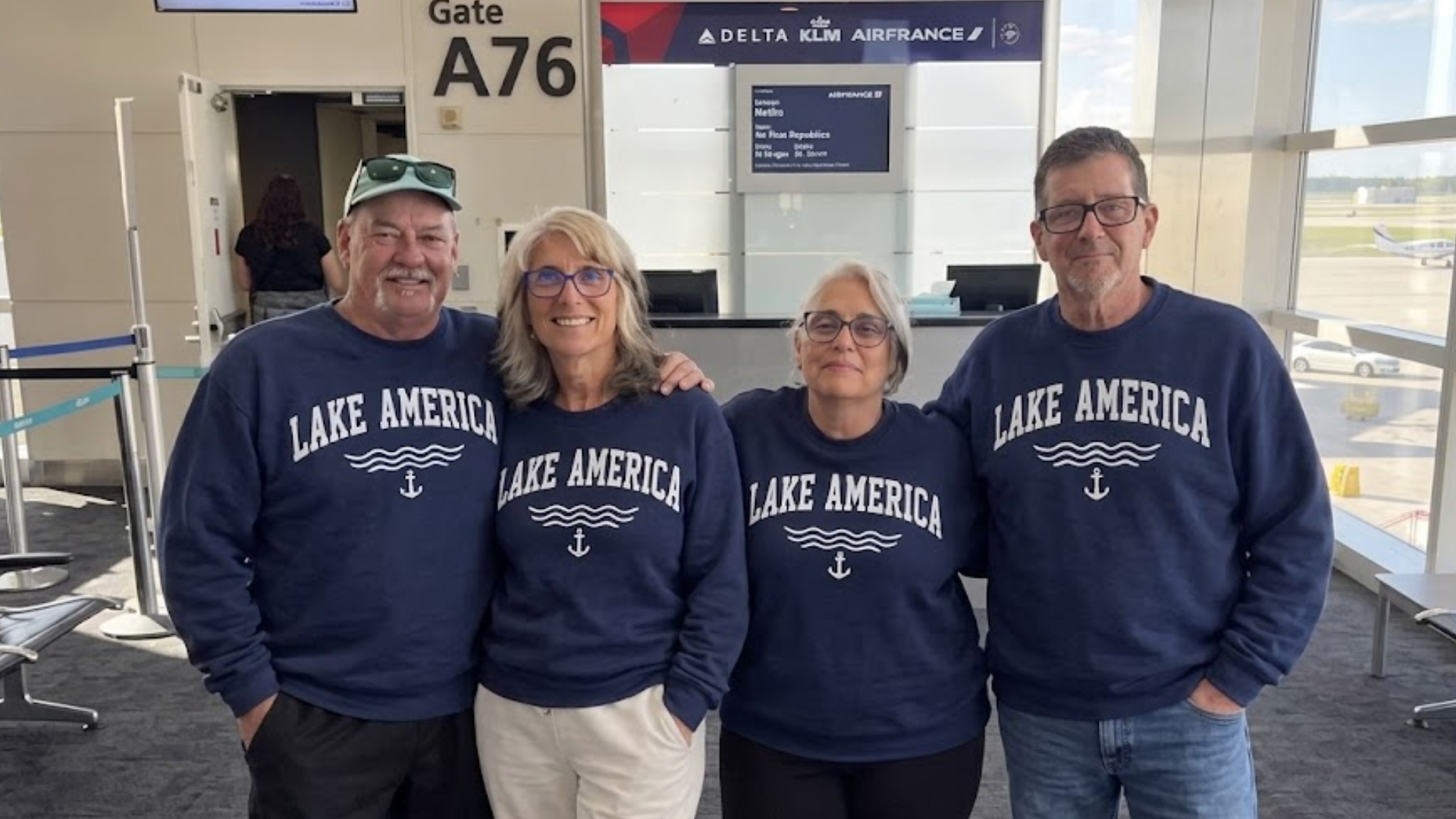
Jane Smith led Saginaw-based Family First Credit Union until this week. She lost her job after a photo of her and her family in “Lake America” sweatshirts went viral online. Family First announced on Sept. 23 that Smith was no longer with the company, effective immediately, with Chief Operations Officer Jason Acosta stepping in as interim CEO.
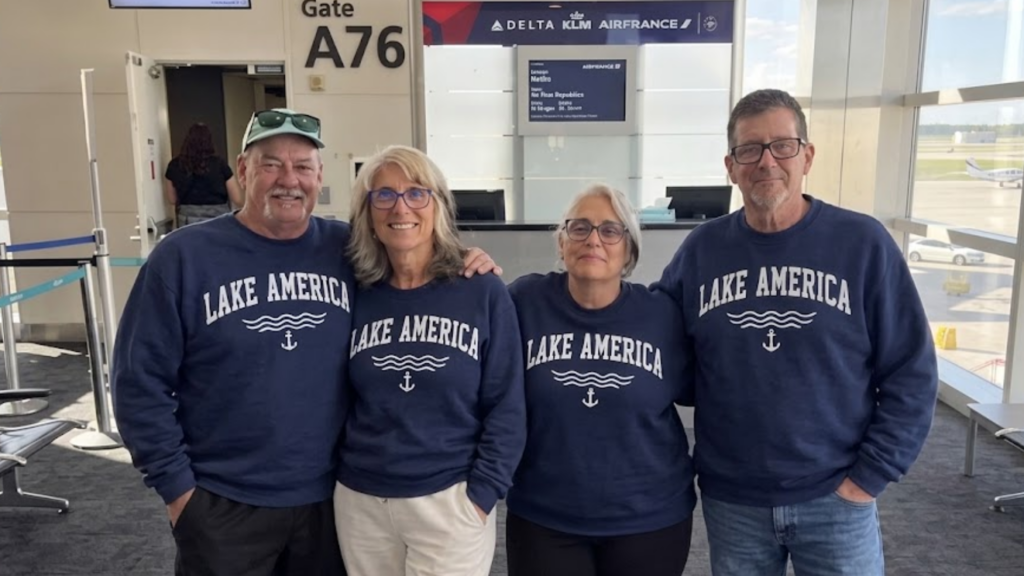
Those sweatshirts never physically existed. Smith says the entire image was edited using artificial intelligence, added onto a real photo of her and three relatives after the fact. Understanding exactly how that AI-edited photo ended up circulating publicly, rather than staying private, explains a lot about why this story unfolded the way it did.
Smith Posted It Privately With an AI Label. Her Sister Removed It.

The photo originated on Sept. 11. Smith and her family were leaving for a planned 10-day trip to Halifax, Nova Scotia. Somewhere in the airport conversation, talk turned to a recent Trump executive order, and the family used ChatGPT to see what they would look like wearing sweatshirts reading “Lake America.” Smith then posted the image to her own private Facebook page, with a label indicating it contained AI-generated content.
That private post is not what actually went viral. According to Smith, her sister took a screenshot of the image, stripped away the AI disclosure, and reposted it publicly with a new caption: “Like our sweatshirts? Not sure Canada will. Lol lol.” That public repost, missing the one detail that explained what people were actually looking at, is what spread far beyond the family.
None of that sequence excuses or explains away the offense people took. It does clarify who actually chose to share what, and when, which matters for understanding this story accurately. What the joke was actually referencing, a real and genuinely controversial piece of federal policy, deserves its own closer look before judging anyone.
Trump Renamed Lake Ontario. That’s What the Joke Was About.
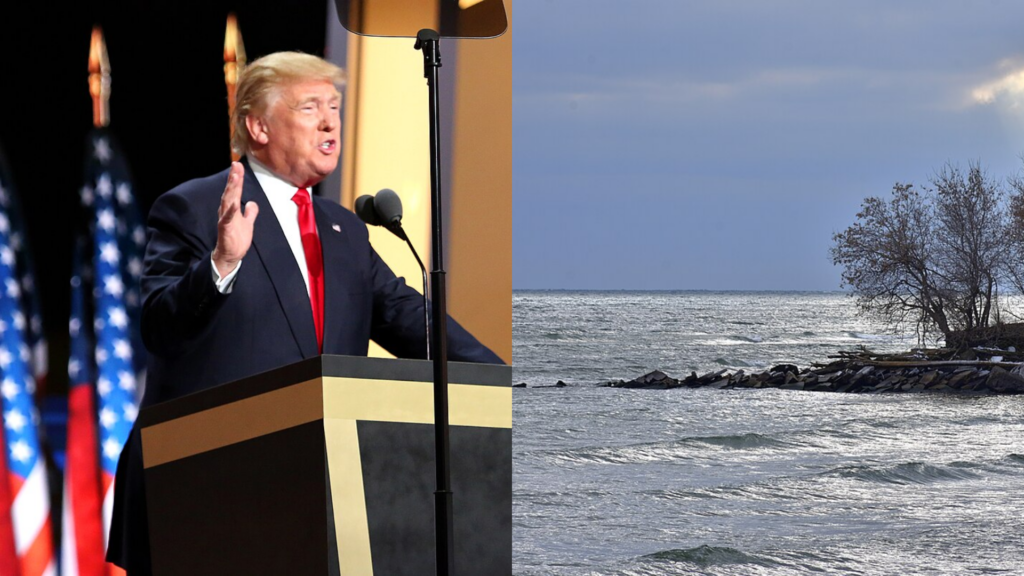
The joke referenced President Trump’s executive order, signed last month, renaming Lake Ontario “Lake America,” a move made amid an escalating trade dispute with Canada. Smith described her family’s intent plainly. “We weren’t trying to make a political statement,” she told Michigan outlet WJRT, saying instead they were simply poking fun at one of the Great Lakes getting a new name.
The renaming itself has been genuinely controversial. Canadian Prime Minister Mark Carney publicly criticized the move, and the satirical TV show “South Park” mocked it directly. Google and Apple both faced criticism after updating their map apps to display the new name for U.S. users, a decision that drew its own wave of backlash separate from anything Smith’s family did.
Smith’s family joke landed inside all of that tension. A photo referencing a genuinely divisive policy, stripped of its AI disclosure and shared without context, arrived into an online conversation already primed for exactly this kind of controversy. What happened to Smith personally once that photo spread is where the real consequences of this story become clear.
Intimidation and Threats Cut Her Family’s Vacation Short

The backlash escalated quickly and personally. Smith said she began receiving death threats after the photo went viral, and her family ultimately cut their Halifax vacation short and returned home early. Reflecting on the fallout, Smith said she understood why people in Canada would find the sweatshirts offensive if they had seen them in person, adding, “I am not a person that would ever want to offend or hurt anybody.”
Family First confirmed Smith’s departure in a Sept. 24 Facebook post, without publicly detailing its exact reasoning. “We sincerely apologize for the concern, disappointment and pain this situation has caused,” the credit union wrote, adding that it understood members held different perspectives on the decision while emphasizing its responsibility to act in the institution’s best interest.
The full sequence matters more than the snapshot most people saw. A privately shared, clearly labeled AI joke became something else entirely the moment someone else in the chain removed the one piece of context that explained what people were looking at. By the time it reached the public, all anyone saw was a family seemingly mocking a real, controversial name change, with nothing left to signal it was never real to begin with.