

Products are selected by our editors, we may earn commission from links on this page.
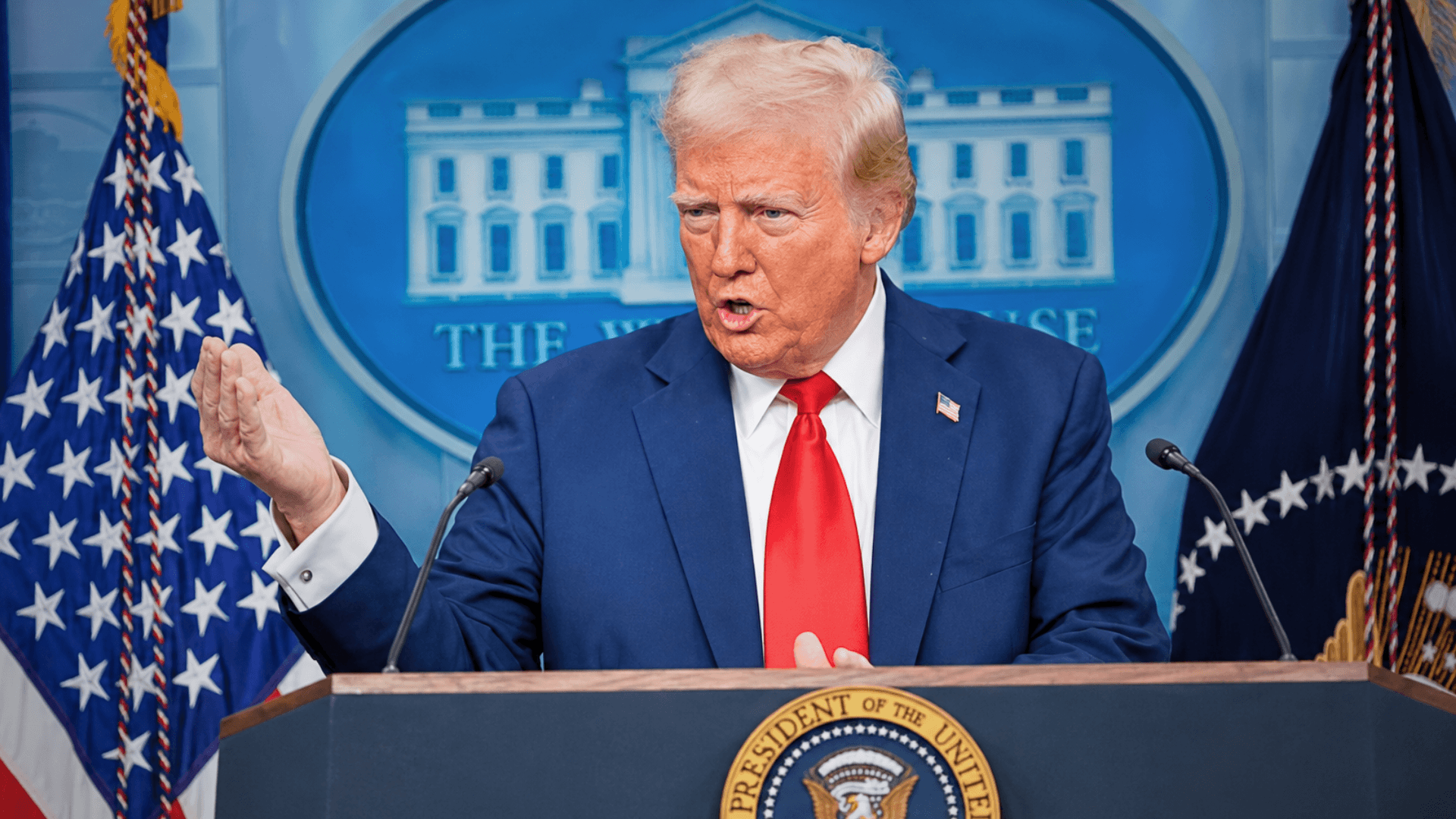
A $5,000 check sounds like money you could count on, but right now nothing about it is certain. President Donald Trump said in a Saturday video that every adult citizen would get the money if Republicans win both the House and the Senate. For retirees on fixed incomes and families watching every dollar, that is a big number. Yet it is a promise, not a plan. No one has set a date.
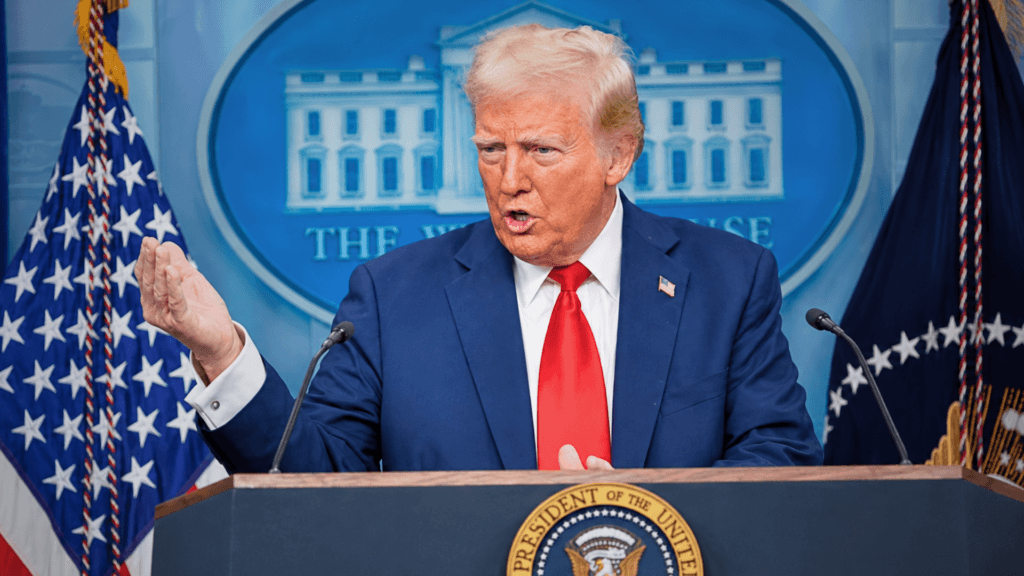
The offer is tied to the November midterm elections, and that shapes how it should be read. Trump first made the pledge last month at a Republican National Committee event in Dallas. In his video, President Donald Trump said, “I’m going to give all adult citizens in the United States of America $5,000,” if Republicans win both chambers. That ties the money to an election result. Adult citizens would qualify, but the details stop there.
The big catch is how few facts exist so far, and they are the same for every voter. No bill has been written. No rules say who qualifies, or whether people who owe no income tax would count. No payment date has been shared. Trump also did not say whether Congress would have to approve the spending. Until those answers come, the check is an idea. The money would have to come from somewhere.
Trump Says Tariffs Could Pay the $1 Trillion Cost, but the Plan Does Not Say How

Tariffs are the money source Trump points to, and that is a big claim to unpack. Tariffs are taxes on goods that come in from other countries. Trump said the government is collecting massive amounts from them, and he put the cost of the checks at about $1 trillion. That is a one followed by twelve zeros. He has not said how tariff money would be set aside for the checks.
The $21 trillion figure is not the same as money for checks. Trump said that much has been invested in the United States over the past 15 months, and he credits tariffs and what he calls record success. But investment means money that companies plan to spend on things like factories. It is not cash the government holds. Think of it like a neighbor saying he will build a garage. That does not put money in your wallet.
The video’s warning about the economy also came with no supporting data. “If the Democrats win, you will have an economic depression, much like 1929,” President Donald Trump said. The remarks offered no study or forecast to back that up. Others may see the economy differently, so voters are left to weigh both sides. For now, the clearest view of what Americans think comes from polls.
61% in One Poll Say the Checks Probably Won’t Show Up, Even if Republicans Win
Plenty of Americans like the idea of $5,000, yet how the question is asked changes the answer. An Economist/YouGov poll of 1,461 registered voters, taken September 11 to 14, found 48 percent in favor of sending the money and 40 percent against. But only 38 percent called it a good idea, while 45 percent called it a bad one. So one voter can like a check and still doubt the plan.
Most of those polled doubt the checks would ever arrive. In the same Economist/YouGov poll, 61 percent said Trump probably or definitely would not send them even if Republicans kept Congress. Only 22 percent expected him to. Likely voters also opposed the checks, 45 percent to 43 percent, a near split. For a retiree or a parent planning a budget, that doubt is worth knowing before anyone counts on the money.
Voters are not all reacting the same way to the pledge. A Verasight survey of 1,500 adults, taken September 16 to 21, asked if it changed their vote. Thirty-three percent said less likely to vote Republican, 15 percent said more likely, and 52 percent said no difference. Adults 18 to 29 leaned less likely, 41 percent to 19. Among Republicans, 63 percent said it changes nothing. Earlier payment ideas show how promises like this one tend to play out.
Past Check Ideas Show a Pattern: Small, Targeted Payments Move Ahead While Big Ones Stay Proposals

The $5,000 pledge is the latest in a string of payment ideas, and the numbers keep changing. In February 2025, Azoria CEO James Fishback pushed a plan to return 20 percent of savings from the Department of Government Efficiency. Trump and Elon Musk backed the concept of $5,000 payments, but it stayed a proposal. Later that year came a possible $2,000 tariff rebate for working families. That idea grew into today’s $5,000 pledge.
The payments already moving were smaller and aimed at set groups. Eligible service members received a $1,776 “warrior dividend” in December 2025. Trump said Friday night that checks of nearly $100 would go to millions of seniors to help cover Medicare Part B premiums. A $500 health care premium rebate is also being paid now. “Everybody got their money,” President Donald Trump said of the service member checks.
The payments that are moving share something the $5,000 pledge lacks: a clear outline. Each went to a named group, in a set amount, for a stated purpose. A readable plan turns a promise into a payment. The $5,000 pledge would reach the most people, yet it has the fewest details. The only thing with a date on it is the vote, and the check waits behind it.