

Products are selected by our editors, we may earn commission from links on this page.
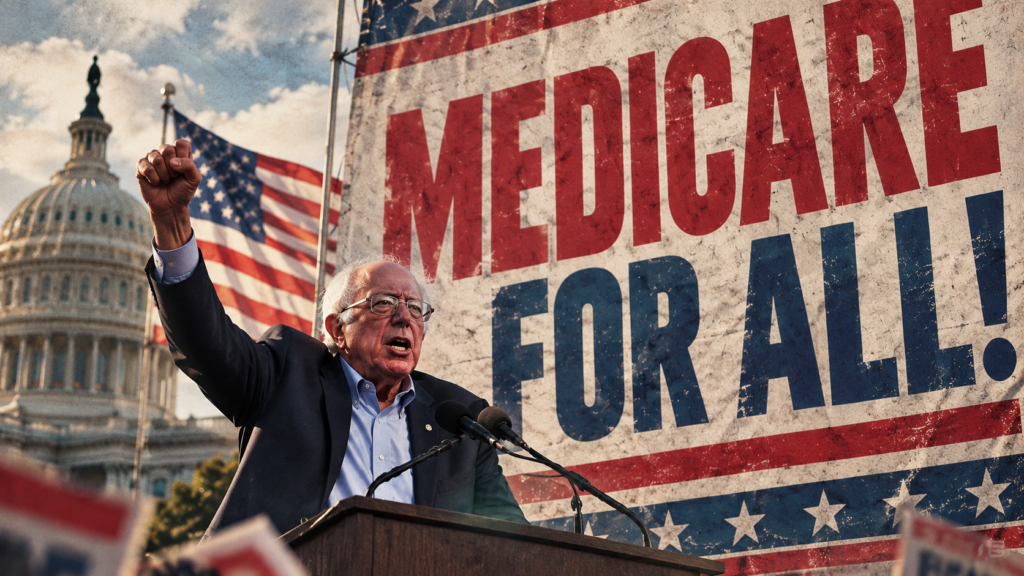
In 2016, Senator Bernie Sanders made one health policy idea a core issue of his presidential primary campaign, and KFF, a health policy research firm, began polling on it. A decade later, the group asked Americans again and recorded the highest share it has ever measured. The idea is Medicare-for-all, a single government health plan for everyone. The poll lands less than a month before midterm elections, and its central number says a great deal about where voters stand right now.
This article was created with the assistance of AI and reviewed by our editorial team for accuracy and clarity.
Two-Thirds of U.S. Adults Now Favor Medicare-for-All, Up From 53% in 2020
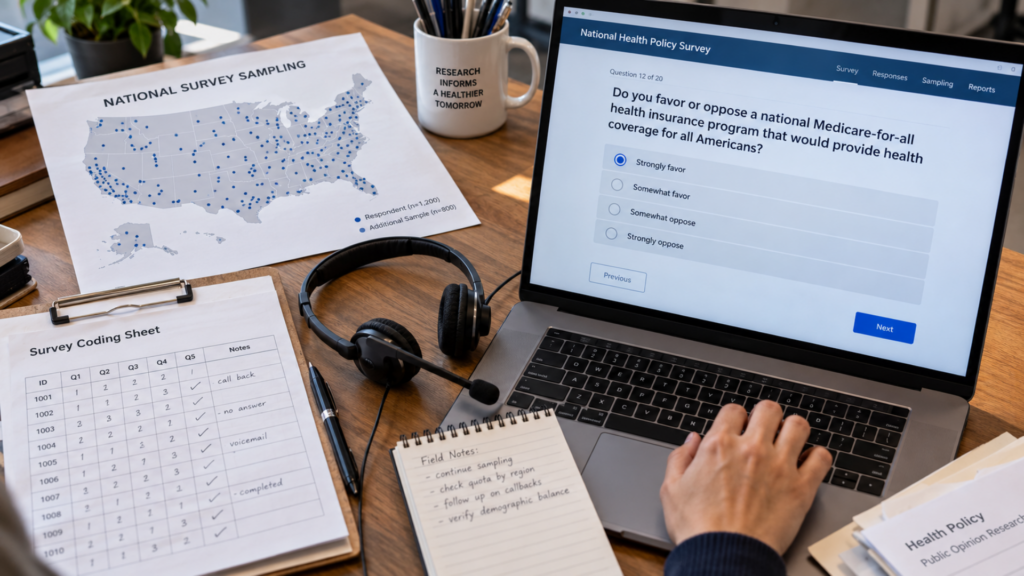
KFF’s latest poll finds 66% of U.S. adults favor a national health plan, sometimes called Medicare-for-all, in which everyone gets insurance from a single government plan. That compares with 53% in October 2020, and about a third (34%) now oppose it. The survey reached 1,328 adults from September 16 to 21, with a margin of error of plus or minus 3 percentage points. The overall number hides a sharp divide between the political parties.
84% of Democrats and 72% of Independents Are in Favor, While 66% of Republicans Are Opposed
Support runs high among Democrats and independents. KFF finds 84% of Democrats and 72% of independents in favor. Among Republicans, 66% oppose the idea, including about half (48%) who say they strongly oppose it. The partisan gap is wide, with the two-thirds figure for the whole country resting on Democratic and independent backing. Age adds another layer, and it involves the people who already have Medicare.
Three in Four Adults Ages 18 to 29 Favor It, Compared With 54% of Those 65 and Older
Younger adults lead the way, with 75% of those ages 18 to 29 favoring Medicare-for-all, according to KFF. Among adults 65 and older, most of whom are currently enrolled in Medicare, support is a slim majority at 54%. Medicare, the federal program covering older Americans and some people with disabilities, gives the proposal its name. For many voters of every age, the pressure point sits in their monthly budget.
Six in Ten Voters Worry About Affording Health Care, Tying It With Gas Prices as the Top Money Concern

KFF finds 60% of voters are very (25%) or somewhat (35%) worried about affording health care for themselves and their families, including premiums and out-of-pocket costs for office visits and prescription drugs. Gasoline and transportation costs sit at nearly the same level. Food (52%), utilities (51%), and housing (41%) follow. About half of voters (47%) call it extremely important for midterm candidates to discuss health care costs. A KFF analyst sees a connection between that worry and the shift in opinion.
KFF’s Audrey Kearney Ties the Shift to Public Frustration Over the Cost of Care
Audrey Kearney, a senior survey analyst at KFF, said polling all year has shown public frustration with health care costs, and that frustration may be fueling a desire for change. Reuters reports that about 30 million of the 340 million U.S. residents will be uninsured this year, up from 26.6 million in 2025, citing Congressional Budget Office estimates and shrinking federal funding for Affordable Care Act plans and Medicaid. The strong support carries a major condition.
Opposition Climbs to 76% When Voters Hear About Possible Delays in Tests and Treatments
KFF tested how opinion moves when people hear arguments commonly made by critics. Opposition rises to 76% when respondents are told Medicare-for-all could mean delays in medical tests and treatments, 64% when told it could raise taxes, and 61% when told it could threaten the current Medicare program. According to KFF, these shifts occur regardless of party or age. Supporters have claims of their own that move opinion just as sharply.
Support Hits 76% When Voters Hear It Would Guarantee Coverage as a Right, but Splits Over Ending Private Insurance

When told the plan would guarantee health insurance as a right, 76% say they would favor it, and 75% favor it if it eliminated premiums and cost-sharing. Private insurance is the most divisive detail: 52% would favor Medicare-for-all even if it eliminated private insurance companies, while 47% oppose. That framing drew 37% in favor and 58% opposed in October 2020. KFF says support is likely to shift during any real public debate, and the campaign trail is hosting one now.
Democrats Hold a 42% to 22% Trust Edge on Health Costs, While Republican Voters Rank Fraud First
With midterms on November 3, 42% of voters say they trust Democrats more on health care costs, compared with 22% for Republicans. In April, the split was 37% to 26%. Several progressive candidates, including Michigan Senate candidate Abdul El-Sayed, have embraced a government-run system, according to Reuters. Republican voters, however, name a different top priority: 54% call fraud in government programs extremely important for candidates to discuss.
Rising Costs Have Pushed Medicare-for-All Support to a Polling High, With Conditions Attached
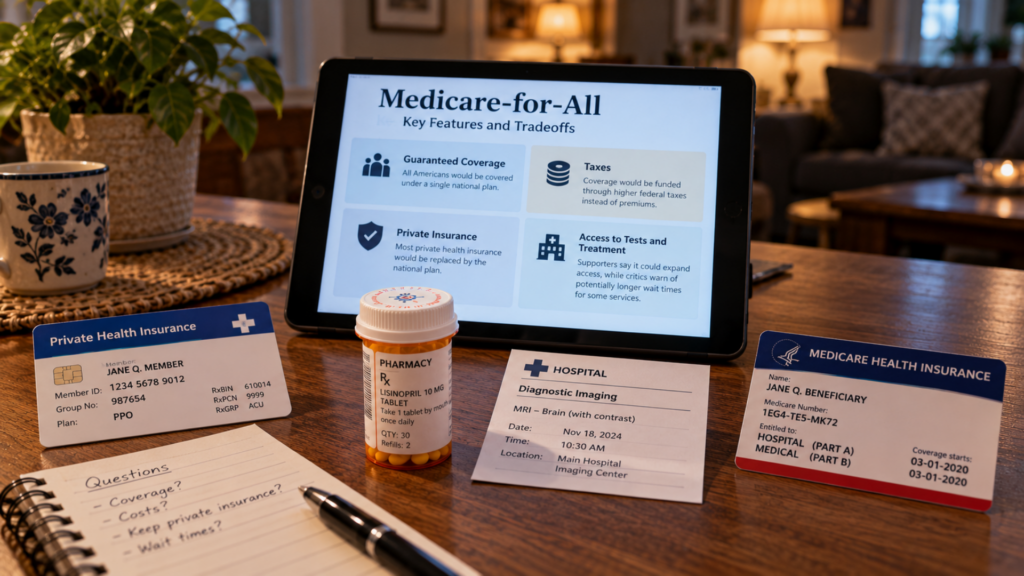
KFF’s September poll puts support for Medicare-for-all at 66%, the highest in a decade of polling, as health care costs rank among voters’ top financial worries. The support is broad and conditional. Republicans oppose the idea by a wide margin, and concerns about delays, taxes, and the existing Medicare program pull numbers down, while promises of guaranteed coverage and no premiums push them up. A majority says yes in the abstract. The details decide the rest.