

Products are selected by our editors, we may earn commission from links on this page.
Beauty brands are used to competing over ingredients, formulas, and the next product shoppers will want to try. But in September 2026, several launches began looking remarkably familiar within days of one another, turning a distinctive packaging idea into an internet mystery. The resemblance was difficult to miss, but the story was more complicated than simply pointing to a copycat. So how did a “first of its kind” beauty launch become a three-brand conversation almost overnight?
A “First of Its Kind” Claim Set Everything in Motion
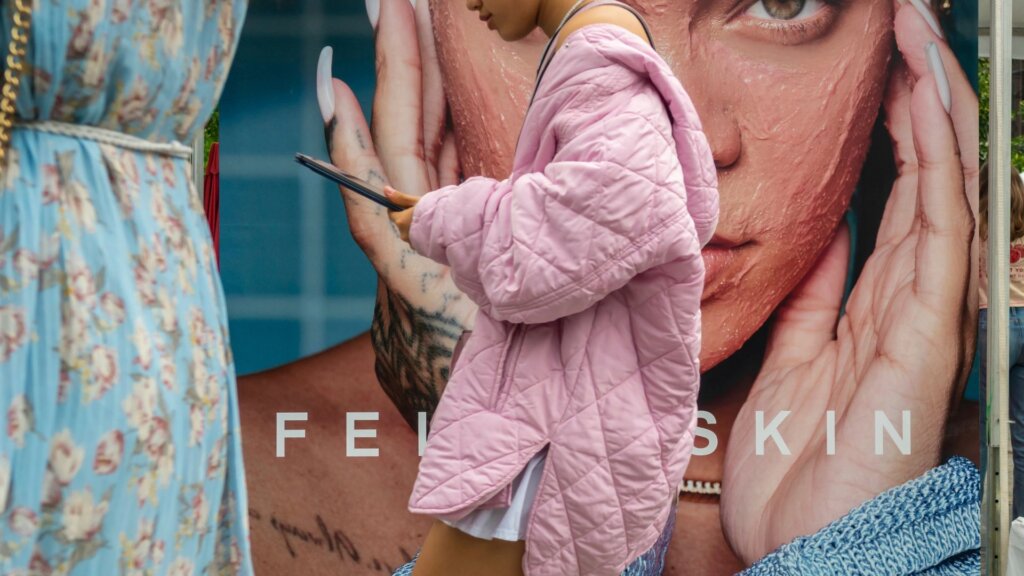
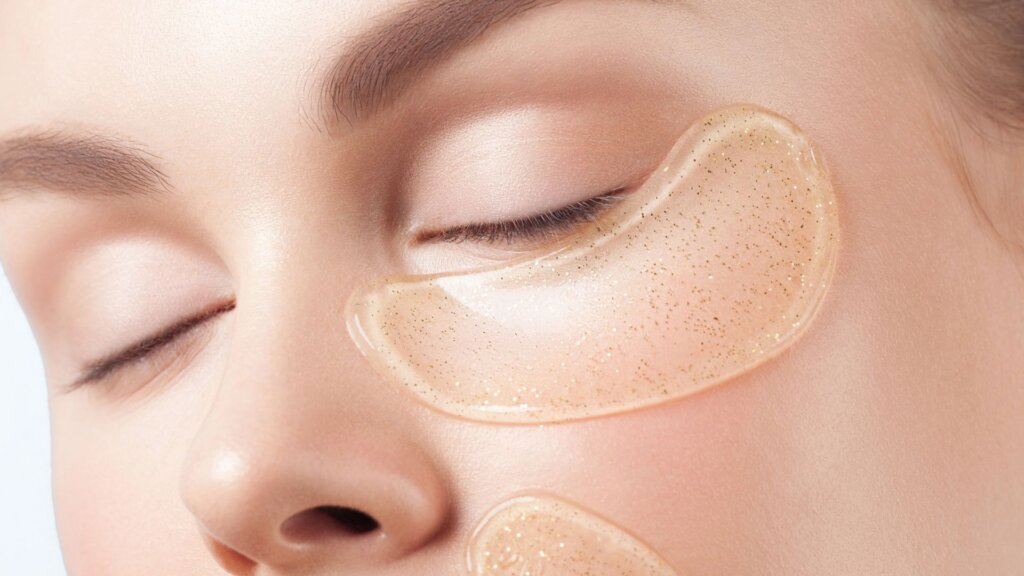
The story began on September 17 when Fenty Skin teased its Dew N Plump Fresh-Sliced Hydrogel Eye Patches. The brand described the packaging as “first of its kind,” highlighting a grinder style dispenser that releases a freshly cut hydrogel patch instead of storing loose patches in a traditional tub. The design aimed to address frustrations such as messy liquid and slipping patches. At first, it appeared unusually distinctive. But what happened when another major brand revealed something strikingly similar?
Then Another Eye Patch Started Looking Very Familiar
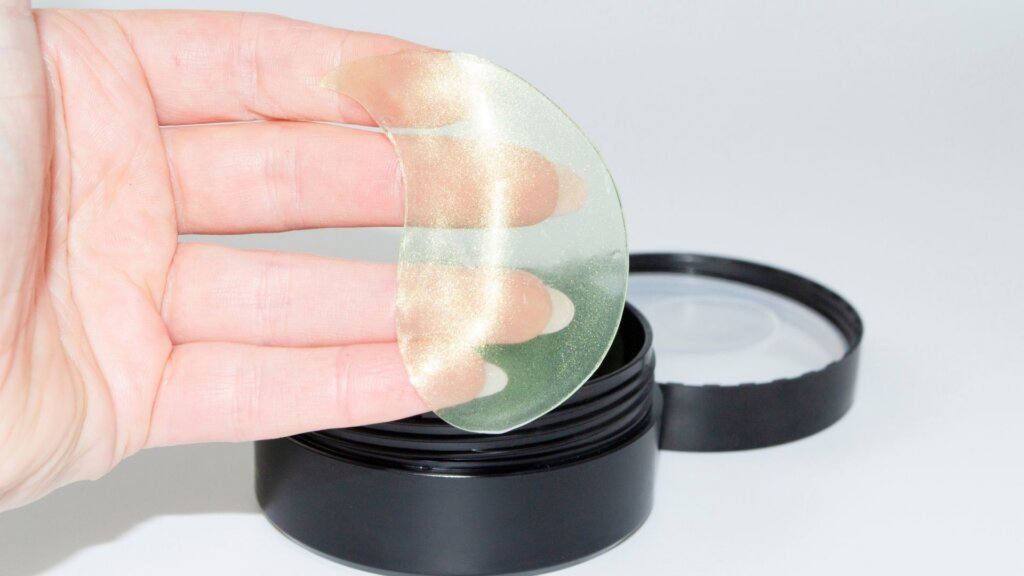
Only days later, Glow Recipe entered the picture with its Exopeptide Caffeine Brightening and Depuffing Fresh Slices Eye Mask. Influencers began receiving the product in a similarly distinctive twist and dispense container, making comparisons with Fenty’s newly teased patches difficult to avoid. Social media users began questioning how two major beauty brands could arrive at such similar concepts around the same time. Yet before that question could be settled, another launch made the coincidence even harder to explain.
A Third Brand Made the Coincidence Harder to Ignore
Hours after Glow Recipe’s product appeared online, creator Prableen Kaur Bhomrah unveiled Huda Beauty’s Undereye Jelly Patches, the brand’s first skincare product. Once again, the patches arrived in the same type of grinder style dispenser. With Fenty Skin, Glow Recipe, and Huda Beauty presenting remarkably similar concepts within days, reactions and speculation quickly followed. But there was another twist waiting: what if none of these three brands had actually introduced the format first?
The Packaging Had Already Appeared Months Earlier
That question led beyond the three launches. Korean beauty brand Wonder Bath had released its Slice Serum eye patches in July, before the September products sparked widespread attention, using the same freshly cut patch format. BeautyMatter also reported that multiple South Korean packaging manufacturers offer the technology, complicating any simple claim of ownership. The similarities could therefore have an explanation beyond copying. But if the containers look nearly identical, does that mean the products inside are essentially the same?
Similar Containers Do Not Mean Identical Products
That is where an important distinction emerges. Although the packaging looks strikingly similar, the formulas were developed separately. Huda Kattan said the formulas differed while expressing frustration over packaging exclusivity, and Glow Recipe’s founders also emphasized their independent formulation process. Glow Recipe’s version includes ingredients such as exopeptides, caffeine, and panthenol. In other words, the outside may have started the comparison, but the products are not interchangeable. So how did the brands respond once everyone noticed?
The Brands Chose Humor Instead of a Public Feud
Rather than allowing the similarities to become an entirely serious dispute, the brands largely joined the online joke. Fenty Skin shared a version of the familiar Spider-Man pointing meme featuring the similar dispensers, while Glow Recipe responded positively and Huda Kattan participated in the playful exchange. Glow Recipe also posted its product surrounded by cartoon flames with the message “This is fine.” The humor kept attention on all three launches, but it also raised a bigger question: how can beauty innovations collide this closely?
The Collision Revealed How Beauty Innovation Can Happen
The answer may lie partly behind the scenes. Brands can encounter overlapping manufacturers, suppliers, technologies, and industry trends, allowing similar ideas to emerge without identical formulas. Packaging expert Allison Kent-Gunn Garibay explained that consumers often associate unfamiliar technology with whichever brand introduces them to it first. That means perception and timing can influence who receives credit for an innovation. But once the novelty of the packaging wears off, what could actually determine which brand comes out ahead?
The Internet’s Question May Take Time to Answer
So who did it better? The sources do not establish a clear winner, and the shared packaging alone cannot answer the question. BeautyMatter points to factors including formula, creator attention, and launch strategy, while Cosmopolitan similarly emphasizes that product performance may ultimately matter more than simply arriving first. Once consumers move past the nearly identical dispensers, their experiences with the products can shape the competition. And that leaves one final question: was being first ever the most important part?
The Most Original Looking Idea May Not Belong to One Brand
Probably not. What began as three remarkably similar launches ultimately revealed a more complicated story about how beauty products are developed, introduced, and perceived. The fresh-cut packaging existed before the September launches and is available through multiple manufacturers, while the formulas inside remain distinct. That makes the internet’s “who did it better?” debate more meaningful than a race to claim first place. In the end, each product still has to give beauty shoppers a reason to choose it.