

Products are selected by our editors, we may earn commission from links on this page.
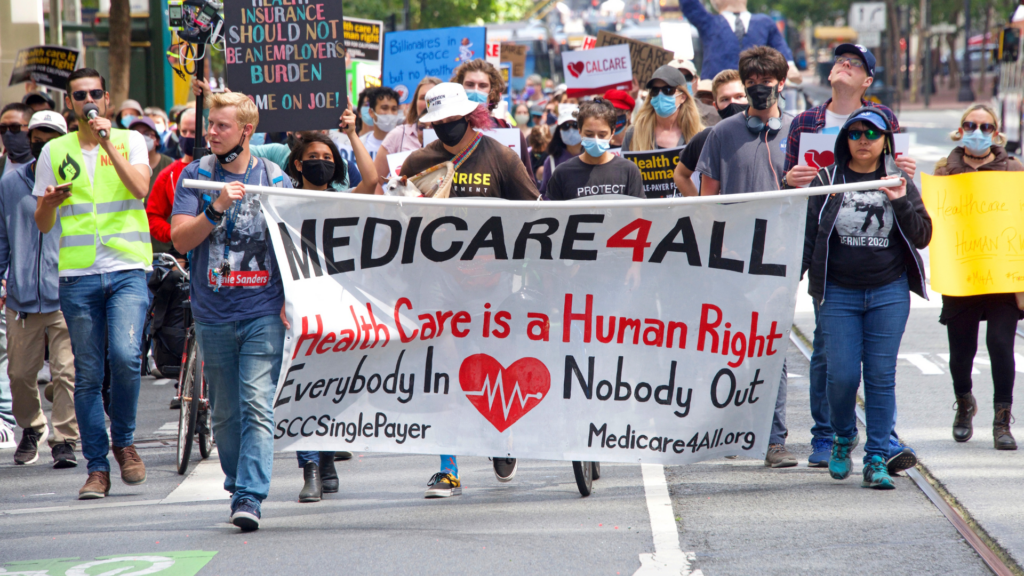
Two-thirds of U.S. adults now say they favor a national health insurance plan sometimes called Medicare-for-all, according to a September 2026 KFF Health Tracking Poll. The 66% support marks the highest level KFF has recorded since it began asking Americans about the proposal, up from 53% in 2020. The poll comes as healthcare affordability remains a major concern for voters heading into the 2026 midterm elections.
Support is not evenly divided along party lines, but the idea has attracted substantial support from Democrats and independents. About 84% of Democrats and 72% of independents said they favor Medicare-for-all, while 66% of Republicans opposed the proposal. KFF found that 79% of Americans also favor having the federal government do more to help provide health insurance to more people, including majorities among Democrats, independents and Republicans.
The poll surveyed 1,328 U.S. adults from September 16 through 21, 2026, with most respondents registered to vote. Healthcare expenses ranked as the leading economic concern among those surveyed, with 60% saying they were very or somewhat worried about affording healthcare costs, compared with 59% worried about gasoline prices and 52% concerned about grocery costs. The findings suggest that frustration with the cost of coverage and medical care is helping fuel interest in major changes to the healthcare system.
Support Changes When Americans Hear What Medicare for All Could Mean

The headline support for Medicare-for-all becomes more complicated when people are told about specific consequences of a single-payer system. If respondents were told the proposal could eliminate private health insurance companies, 52% still favored it while 47% opposed it, showing that the prospect of replacing private coverage remains a much closer question. That 52% support is nevertheless considerably higher than the 37% support KFF recorded when it asked the same question in 2020.
Concerns about possible drawbacks can sharply reduce support. When people were told Medicare-for-all could lead to delays in medical tests and treatments, 76% opposed the proposal, while 64% opposed it when told taxes could increase and 61% opposed it when told the existing Medicare program could be threatened. Those responses show that Americans can favor the general idea of universal coverage while becoming much more skeptical when potential costs or disruptions to their current healthcare are emphasized.
The poll also found that supporters and opponents have different expectations about how a government-run system would affect healthcare. At least half of Medicare-for-all supporters said they expected access to providers, wait times and insurance paperwork to stay about the same, while opponents were more likely to predict that each would get worse. Among people who currently have private insurance, 57% said they thought it would be likely they could keep their existing coverage under Medicare-for-all, despite the fact that a true single-plan system could eliminate private insurance.
Why Healthcare Costs Are Driving the Debate

The growing interest in Medicare-for-all comes as many Americans continue to struggle with the price of healthcare. KFF’s survey found that 60% of adults were very or somewhat worried about being able to afford their healthcare costs, making medical expenses the top economic concern measured in the poll. The issue is particularly relevant as voters prepare to decide control of Congress in the November 3 midterm elections.
Support becomes even stronger when Americans hear arguments emphasizing financial relief and universal access. KFF found that 76% would favor Medicare-for-all if it guaranteed health insurance as a right, while 75% would support it if it eliminated premiums and cost-sharing. Those results indicate that the promise of reducing what people pay directly for healthcare is a powerful part of the proposal’s appeal.
At the same time, Medicare-for-all is not one specific policy with a single agreed-upon design. Different proposals could determine what services are covered, how providers are paid, whether private supplemental insurance is allowed and how the system would be financed, meaning public support could change substantially depending on the details. The current polling therefore reflects broad interest in universal government-provided coverage rather than approval of one finalized Medicare-for-all law.
What the New Poll Says About America’s Healthcare Divide
The latest KFF findings show that Medicare-for-all has reached its highest recorded level of public support, but the numbers do not mean Americans have reached a consensus on how the healthcare system should change. Two-thirds favor a national plan in the broadest terms, yet support becomes nearly evenly divided when the proposal is described as eliminating private insurance. The gap demonstrates how much the wording and specific details of a healthcare reform plan can influence public opinion.
The debate is also being shaped by a basic financial concern that cuts across party lines: Americans want healthcare to be more affordable. Large majorities support a greater federal role in helping people obtain insurance, while concerns about taxes, treatment delays and changes to existing Medicare benefits can push people in the opposite direction. As healthcare costs remain a major concern for voters, candidates supporting different approaches are likely to face pressure to explain not just how their plans would expand coverage, but how they would affect people’s premiums, medical bills and access to care.
For now, the polling presents a complicated picture rather than a simple victory for Medicare-for-all. Americans increasingly support the idea of universal government-backed health insurance, but many remain uncertain about giving up private coverage or accepting potential tradeoffs involving taxes, wait times and the existing Medicare program. With the 2026 midterm elections approaching, the findings suggest that the cost and structure of America’s healthcare system will remain an important issue for voters deciding what kind of reform they want.