

Products are selected by our editors, we may earn commission from links on this page.

Both chambers of Congress approved the Common Cents Act without a single dissenting vote, a bill written to end penny production permanently. It has not been signed by President Donald Trump, and until it is, the change rests on administrative discretion rather than law. Buried in the same text is a second instruction that lawmakers are now pushing Treasury to act on: study whether the nickel can be made from cheaper metals. The nickel costs roughly 13 cents to produce. House GOP Conference Chair Lisa McClain of Michigan and Senator Cynthia Lummis of Wyoming, who led the bill in their chambers, want that study started.
This article was created with the assistance of AI and reviewed by our editorial team for accuracy and clarity.
The nickel loses more money per coin than the penny did

Most people assume the penny was the worst offender in the Mint’s ledger, since it is the smallest denomination and the one everyone complains about. By loss per coin, the nickel is worse. Treasury’s figures put nickel production at about 13 cents against a face value of five, a gap of roughly eight cents on every coin struck. When the Treasury Department announced in December 2025 that the Mint would stop making pennies, the penny was costing more than three times its value. The nickel costs more than two and a half times its value, but the absolute shortfall per coin is larger because the denomination is larger.
A nickel is mostly copper, which is the expensive part
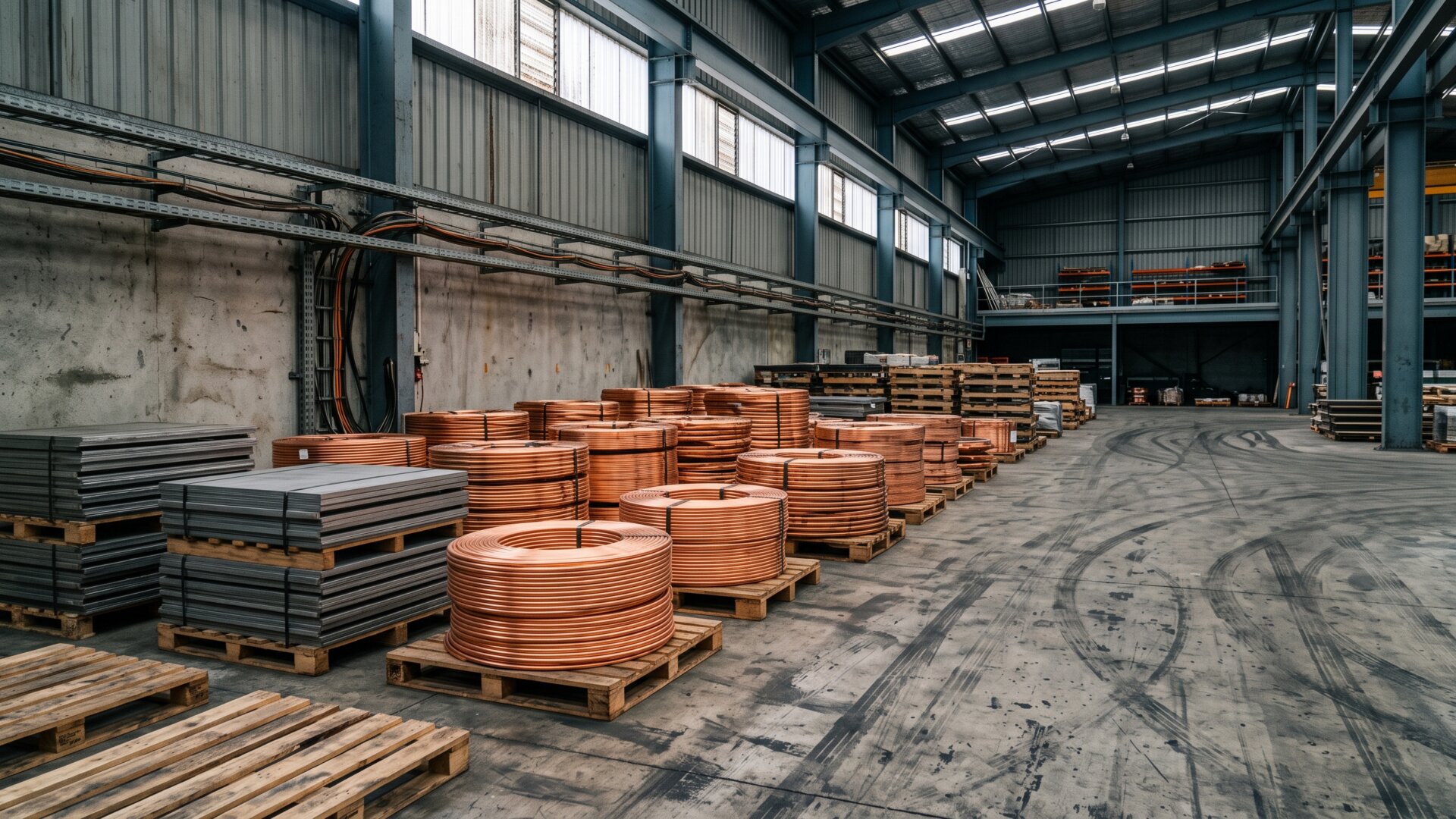
The coin Americans call a nickel is 25 percent nickel and 75 percent copper. That composition has been in place since the Second World War interrupted it, and the copper share is what drives the cost. Copper and nickel are both traded commodities, so the Mint’s expense per coin moves with metal markets rather than with anything Congress controls. This is why the bill asks for a materials study instead of a price cap. The Common Cents Act, according to a release from McClain’s office, authorizes a lower-cost composition if testing shows it will cut production costs without significantly disrupting coin-operated machines.
Ending the penny was projected to save $56 million

In its December 2025 announcement, the Trump administration put immediate savings from halting penny production at $56 million. Set against federal spending, that is a rounding error. Set against the Mint’s own operations, it is substantial, because the Mint’s circulating coin business is supposed to generate revenue for the Treasury rather than consume it. The difference between what a coin costs to make and what it is worth is called seigniorage, and it runs in the government’s favor on quarters and dollars. On pennies and nickels it runs backward. Every penny and every nickel struck under current conditions moved money out of the Treasury instead of into it.
Lisa McClain frames it as a materials problem, not a coin problem

“If it costs 13 cents to make a five-cent coin, Washington should fix the problem instead of wasting more taxpayer money,” McClain told Fox News Digital. She described her bill as giving Treasury “a path to make nickels at a lower cost without disrupting how Americans use them,” and called it “a simple reform that saves money and brings a little more common sense to government.” The framing is deliberate. Her proposal does not retire the nickel or change its value. It changes what the disc is made of, which keeps the denomination intact while removing the loss.
Cynthia Lummis points to the half-cent as the precedent
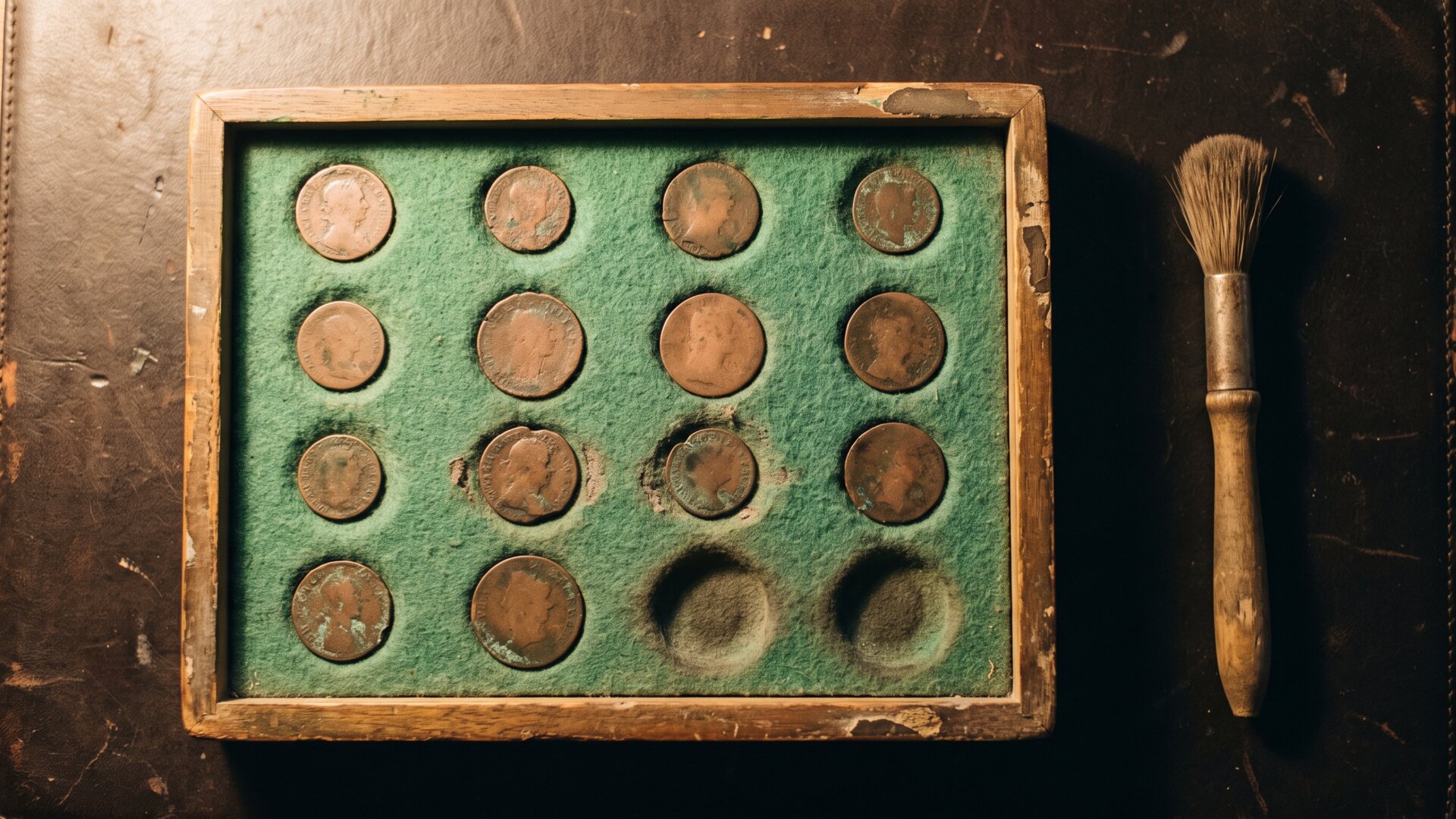
Lummis, who carried the bill in the Senate, told Fox News Digital that “more and more Americans are paying with credit cards, debit cards, and stablecoins for everyday purchases that once would have been made with cash or coins.” She then reached back for a historical parallel: “The half-cent coin was retired when it was no longer needed, and the penny has now reached that same point.” Her stated hope is to find a cheaper way to produce the nickel “so that it remains economically viable for years to come.” That is a position in favor of keeping the coin, not scrapping it.
Vending machines are the reason composition changes are slow
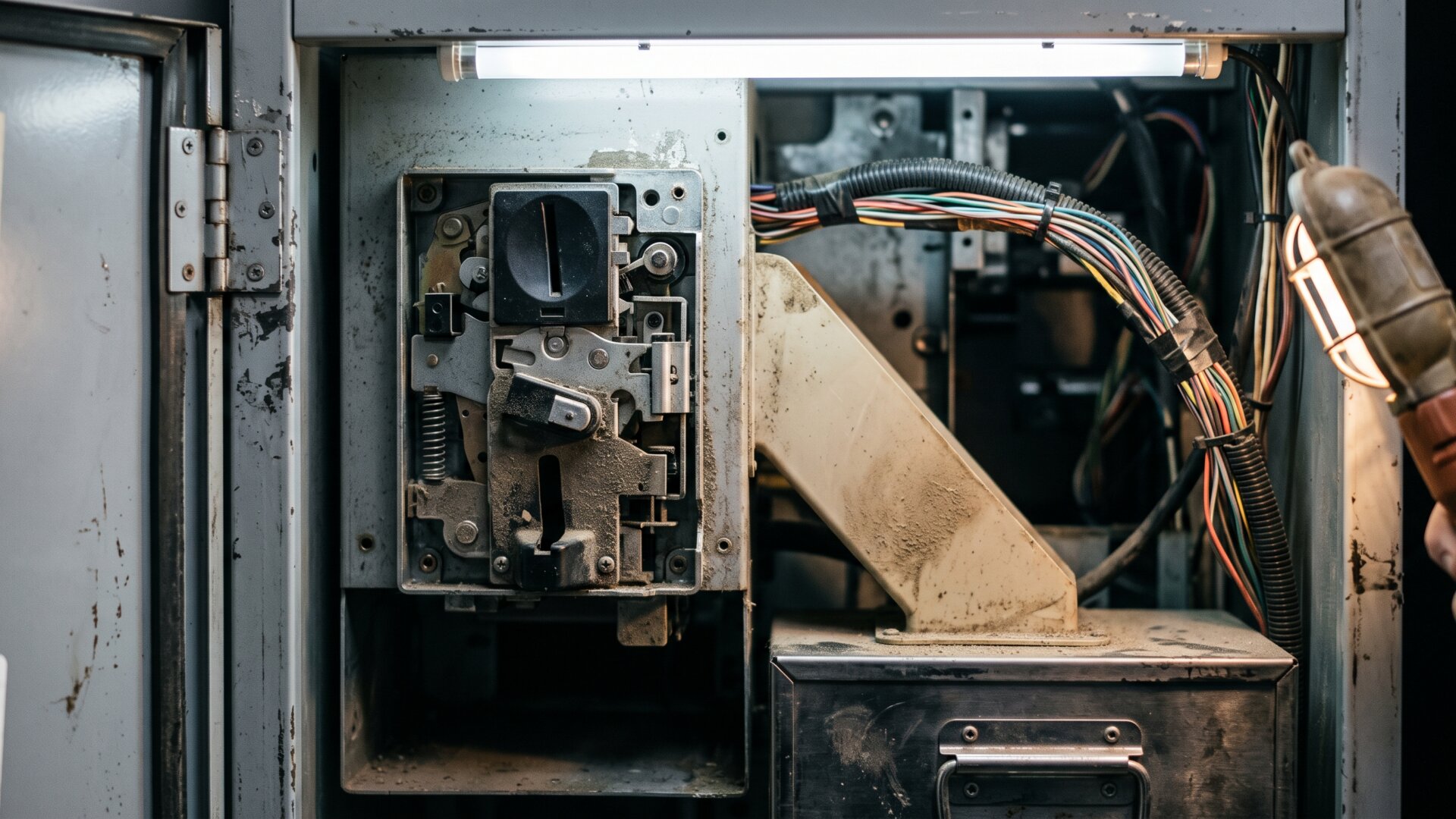
The common assumption is that a coin’s metal can be swapped for something cheaper whenever the Mint decides. The obstacle is the installed base of coin-operated machines. Vending equipment, parking meters, laundry machines, and transit fare boxes identify coins by physical signature: weight, diameter, thickness, and electromagnetic response, which varies with alloy. Change the alloy and the signature changes with it. McClain’s release ties the authorization directly to this, permitting a new composition only if testing shows it will not significantly disrupt coin-operated machines. That testing requirement, not metallurgy, is the slow part of any switch.
Treasury’s secretary wants to retool the nickel, not retire it
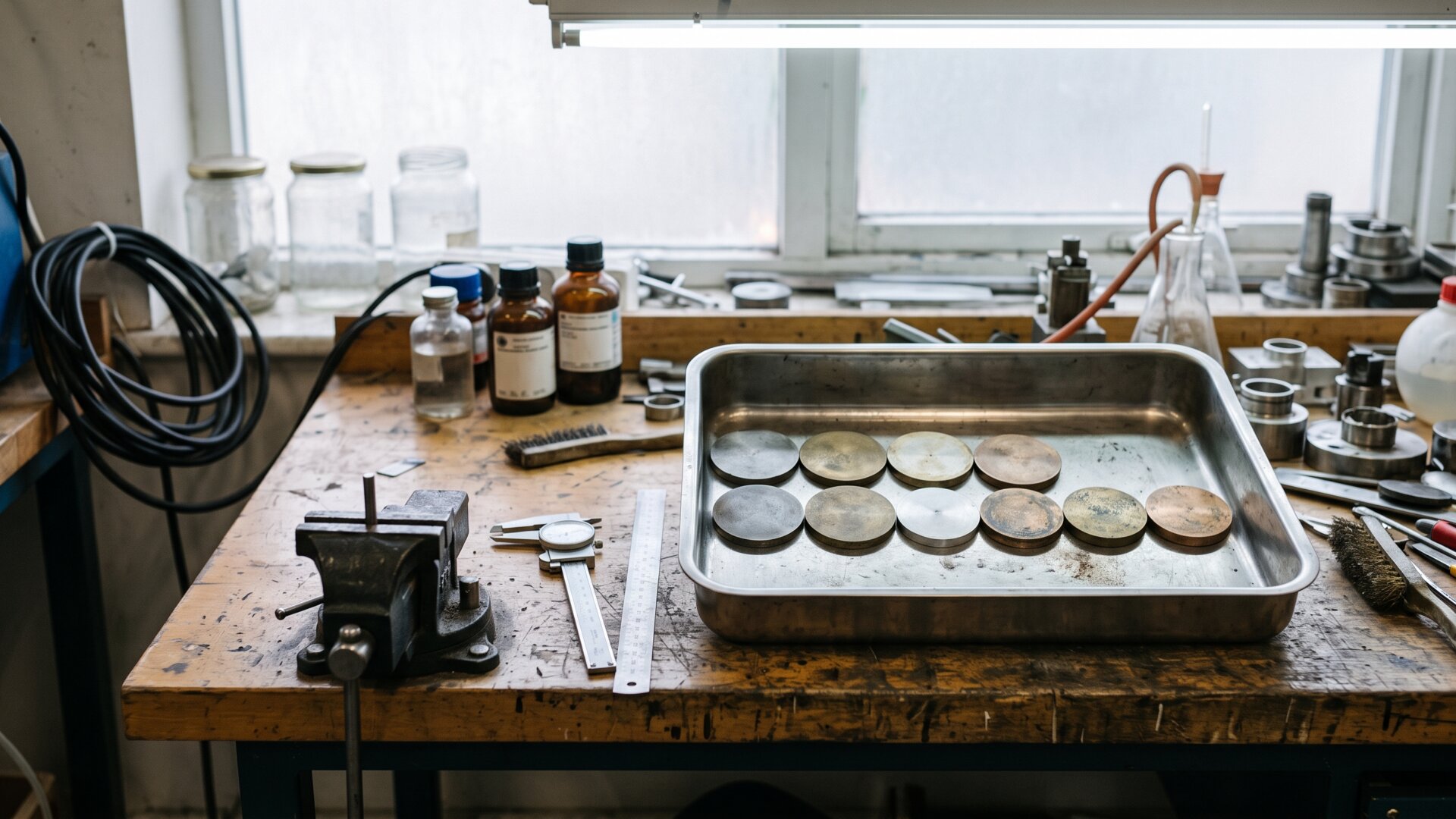
Treasury Secretary Scott Bessent told Fox News in May 2025 that he believed the United States could “retool” the nickel to make it cheaper to produce. That word choice matters, because it is the opposite of the penny decision. Nothing in the public record suggests meaningful appetite for ending nickel production, at least as of the bill’s passage. The nickel occupies a different position in the coin set than the penny did. It is the only coin between the penny and the dime, and removing it would leave a five-cent gap in cash pricing that rounding cannot close as cleanly as the penny’s one-cent gap.
Without a signature, the penny decision can be undone

The penny stopped being minted because the Treasury Department said so in December 2025, not because Congress passed a law. That distinction carries real weight. An administrative decision made by one administration can be reversed by the next without any vote. The Common Cents Act would convert the policy into statute, which is why supporters keep pressing for a signature on a bill that already cleared both chambers unanimously. The White House did not respond to a request for comment on whether and when Trump plans to sign it. Until he does, penny production is paused rather than ended.
The United States has changed coin metal before, under pressure

Composition changes are not hypothetical. Wartime shortages pushed the Mint to strike 1943 cents in zinc-coated steel, and to remove nickel from the five-cent coin during the same period. Silver came out of dimes and quarters in 1965 as bullion prices climbed past face value. In each case the trigger was the same as now: the metal became worth more than the money. The difference is that those changes were forced by scarcity, and this one would be chosen in advance. If you empty a coin jar, the nickels in it are the coins costing the Treasury the most to replace.