

Products are selected by our editors, we may earn commission from links on this page.
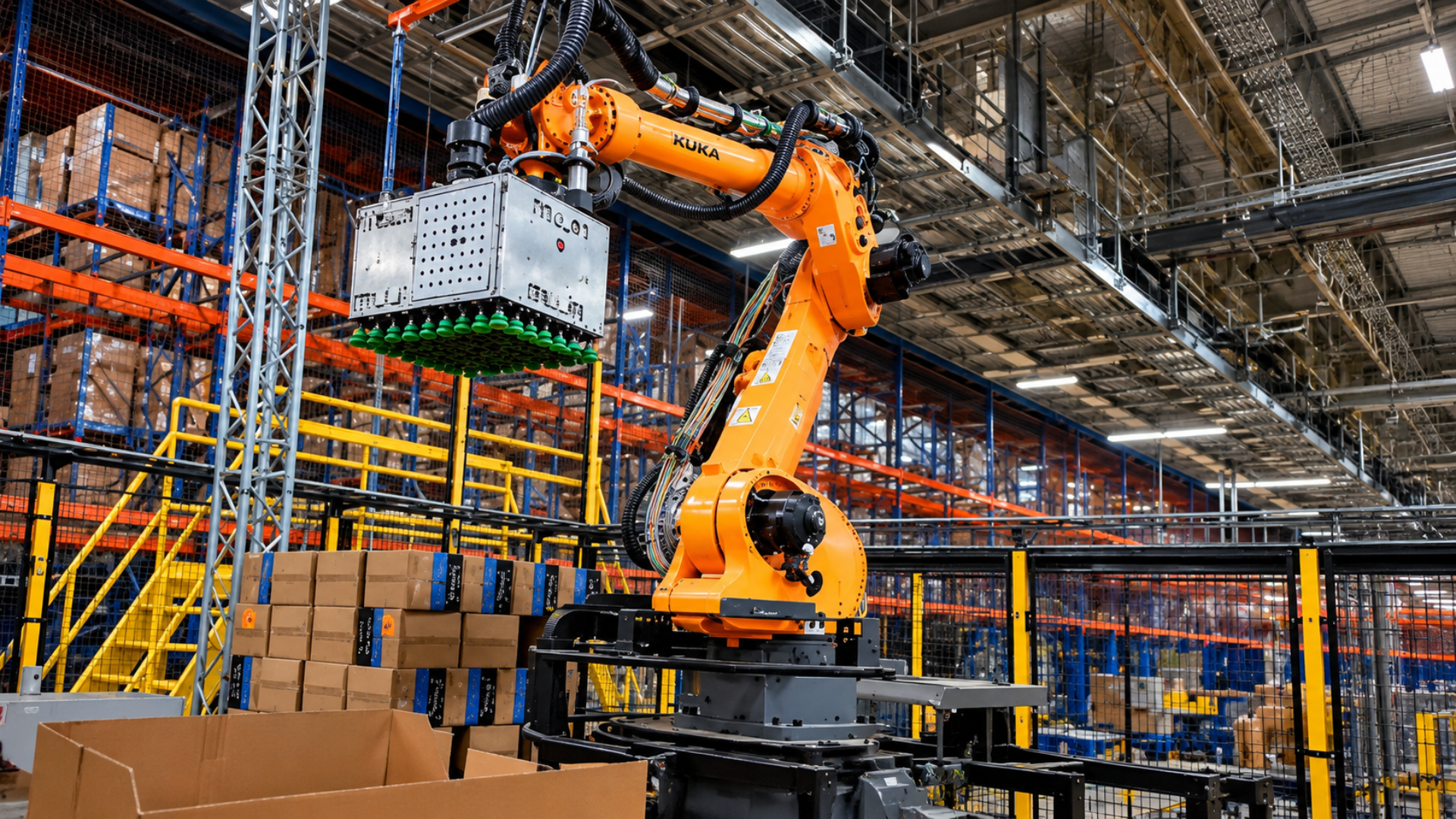
You have probably pulled something out of a cardboard box a hundred times without thinking about it. For Walmart’s robots, that move is still a struggle. The company has spent billions on warehouse robots, yet taking an item out of a box and packing it for a customer is proving surprisingly hard. So why is such a simple task so hard for expensive machines? The answer says a lot about robots, jobs, and what automation really costs.
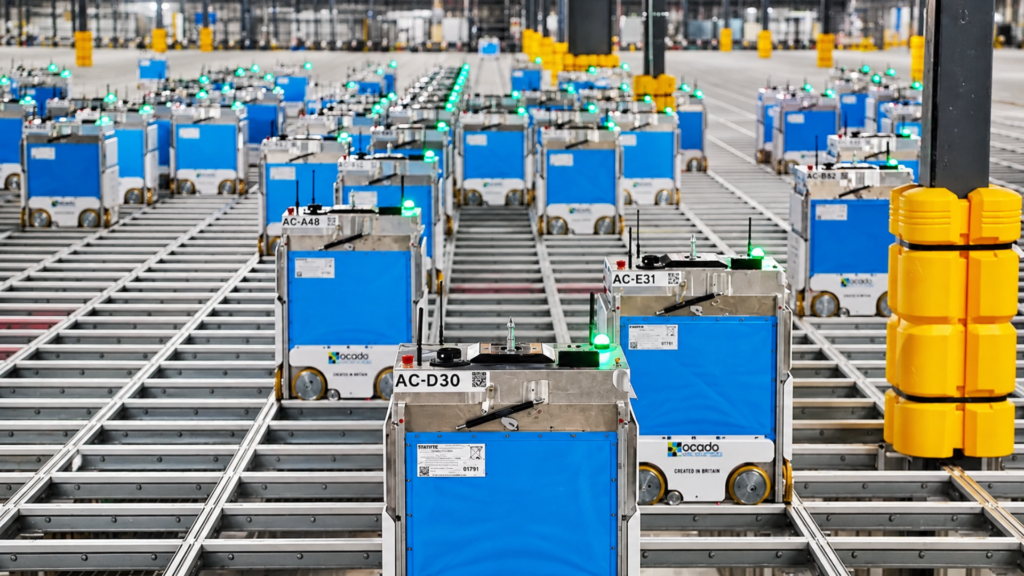
Walmart’s warehouses have long run on people. The company relies on more than 140,000 warehouse workers to unload trucks, move goods, and send them to stores and homes. One step, called breakpack, means taking items out of a cardboard box to ship them one by one. People find it easy. Walmart and its robotics partners searched for years for a robot solution before settling on small wheeled robots now going into more than a dozen warehouses.
Even the small robots have limits. They struggle with large, heavy items like jumbo bags of dog food, so people still have to handle those. The robots that shuttle goods around also break down too often, according to the Wall Street Journal. That is a problem for a company that wants robots to do more, not less. To see why, it helps to look at what the robots are up against.
Old Boxes, Old Warehouses, and Odd-Shaped Products Make the Job Harder Than It Looks
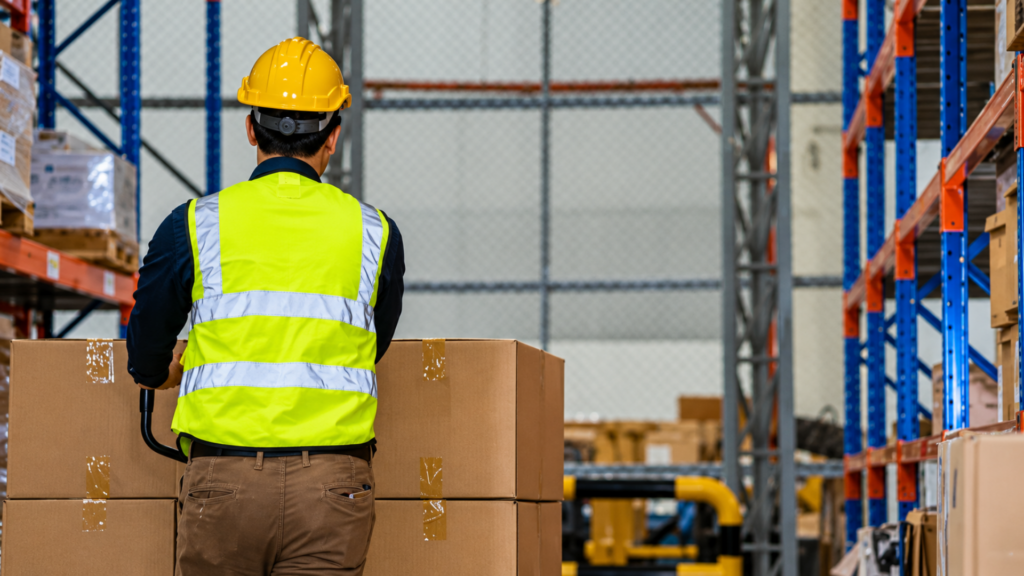
Walmart’s own boxes got in the way. The cardboard shipping boxes the company has used for years turned out to be too big for the new automated systems. Walmart had to switch to shorter boxes that must be taped shut, which adds cost. It is a small change on paper. But for a company as big as Walmart, small changes add up fast.
Many warehouses are also old. Walmart is often adding robots to buildings put up in the 1980s and 1990s, according to Supermarket News, which makes the work harder than starting fresh. Then there is the stuff itself. Dog food comes in heavy bags. Even turkeys caused problems, the Wall Street Journal reported. Everyday products come in all shapes and sizes, and robots do best with neat, predictable items.
All of this explains why a task people do without thinking is so hard to automate. A person can reach into a box, feel what is inside, and adjust to a heavy bag or an odd shape in a second. A robot needs the right box, the right space, and the right item. When even one of those is off, the job slows down, and that is where the extra costs begin. That gap is the core problem.
The Robots Bring New Bills: Pricey Engineers and Power Costs That Can Top $800,000 a Month
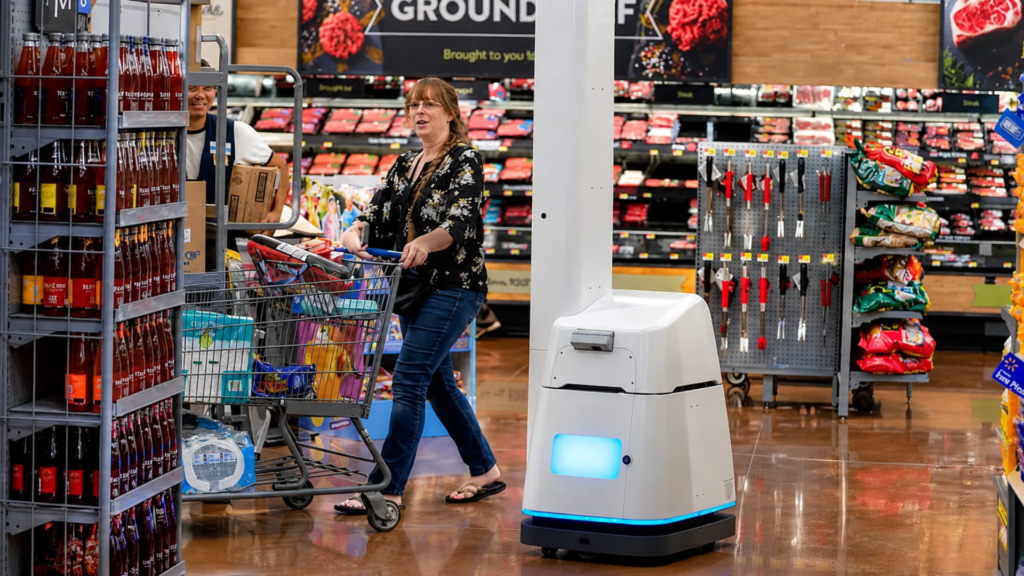
Walmart’s plan is to need fewer warehouse workers. Executives say many workers would move into managing and fixing robots instead. That sounds like a smooth handoff. But sources for the Wall Street Journal say the cost of mechanical and electrical engineers at the automated warehouses is higher than the pay of unskilled warehouse workers. So fewer workers does not automatically mean a smaller bill.
Electricity is another new cost. According to the Journal, as summarized by Yahoo Finance, monthly power bills at Walmart’s automated grocery warehouses can top $800,000 at peak times. Its sources are people familiar with the matter. Under mostly manual operations, the bill was about $250,000. That is more than three times as much. Machines that run all day need a lot of power.
Walmart is under pressure to keep going. Amazon has pulled ahead on warehouse automation, and Rueben Scriven of the market-intelligence firm Interact Analysis told the Journal the contest amounts to an “arms race” between retailers. Walmart expects its automation spending to peak this year and next. So the company is racing a rival while still working out the costs. That race is not just Walmart’s problem, and other grocers have already felt it.
Kroger Wrote Off $2.6 Billion on Its Own Automation Push, a Warning for Everyone
Walmart is not the only company learning this the hard way. Kroger had to write off $2.6 billion after a big bet on an automated fulfillment network did not pay off, according to Futurism’s reporting. A write-off means the company counts the money as a loss. For shoppers and workers, it is a reminder that robot-run warehouses are not a sure path to savings.
Next up are humanoid robots, machines built like people. Companies are pouring billions into them, Futurism says, but it calls the technology a moonshot for practical physical labor. Walmart’s own story shows why that matters. If a wheeled robot cannot reliably lift a bag of dog food, a walking robot has even more to prove. The Journal’s subtitle says Walmart’s push has reached “peak complexity.”
The job was never just lifting. It is judging, adjusting, and fixing things when they go wrong, and robots still struggle with that. Walmart’s billions have not erased that gap yet. They have changed who does the work and how much it costs. Until robots can do it, the next box you open may still have been packed by a person.