

Products are selected by our editors, we may earn commission from links on this page.
The shingles vaccine is already recommended to protect older Americans against a painful viral infection, but new research suggests it may offer another unexpected benefit. A study published in Nature Medicine in August 2026 found that adults ages 60 and older who received the newer recombinant shingles vaccine, Shingrix, had a lower burden of certain cardiovascular problems over the following seven years compared with those who received the older vaccine. The findings are encouraging, although researchers emphasize that the association does not prove the vaccine directly prevents heart disease.
The Vaccine Was Originally Designed to Prevent Shingles
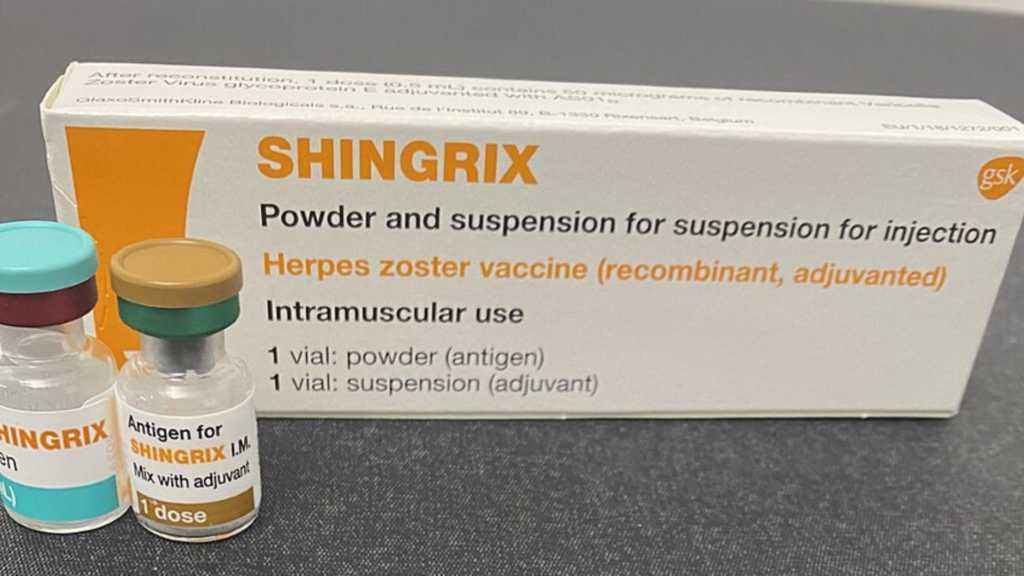
Shingles occurs when the varicella-zoster virus, which also causes chickenpox, becomes active again after remaining dormant in the body for years. The condition typically produces a painful, blistering rash and can sometimes cause long-lasting nerve pain known as postherpetic neuralgia. According to the CDC, approximately one in three Americans will develop shingles during their lifetime, with the risk increasing as people get older. Shingrix is designed to prevent the infection and its complications, which remains its established medical purpose.
Researchers Examined More Than 72,000 Older Adults

Researchers from the University of Oxford analyzed health records from more than 72,000 American adults ages 60 and older, comparing people vaccinated immediately before and after the United States transitioned from the older shingles vaccine, Zostavax, to Shingrix in late 2017. The analysis included two matched groups of approximately 36,460 people each and followed cardiovascular outcomes over seven years. By comparing recipients of two different shingles vaccines rather than vaccinated and unvaccinated people, the researchers aimed to reduce differences in health behaviors that can complicate vaccine studies.
The Newer Vaccine Was Linked to a 9% Reduction
The study found that people vaccinated during the Shingrix era experienced a 9% lower burden of major cardiovascular problems over seven years compared with those vaccinated during the Zostavax era. The researchers measured a combined outcome involving ischemic heart disease, heart failure, and ischemic stroke, rather than focusing on just one condition. Although the percentage may sound substantial, the absolute difference in cardiovascular events between the groups was approximately one percentage point, making it important to understand the results in context.
Heart Disease and Heart Failure Showed Notable Differences
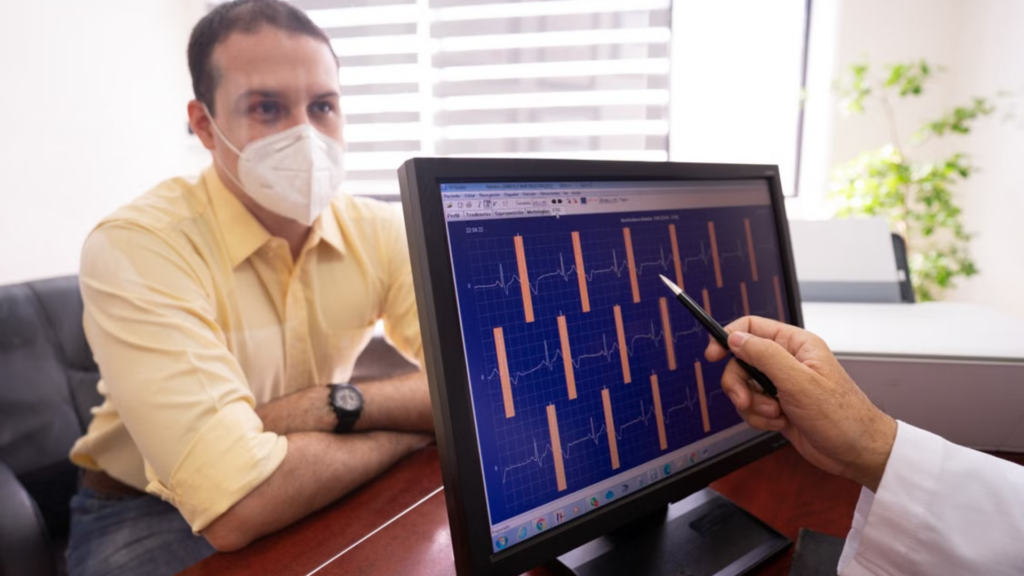
When researchers examined specific cardiovascular conditions, they found a 10% lower burden of ischemic heart disease and a 12% lower burden of heart failure among those who received the newer vaccine. Ischemic heart disease occurs when the heart muscle does not receive enough oxygen-rich blood, often because the arteries supplying it have narrowed. Heart failure develops when the heart cannot pump blood as effectively as the body needs, and both conditions become increasingly important health concerns as people age.
Researchers Also Found Differences in Stroke Risk

The findings extended beyond heart disease, although the results were not identical for every condition or demographic group. Researchers observed a 12% lower burden of ischemic stroke among men who received the newer vaccine, while the corresponding association was not statistically significant among women. They also identified a 7% lower burden of atrial fibrillation, an irregular heart rhythm that can increase the risk of stroke. These findings suggest that any potential cardiovascular benefit may vary depending on the condition being examined.
Scientists Are Exploring Why the Vaccine Might Help
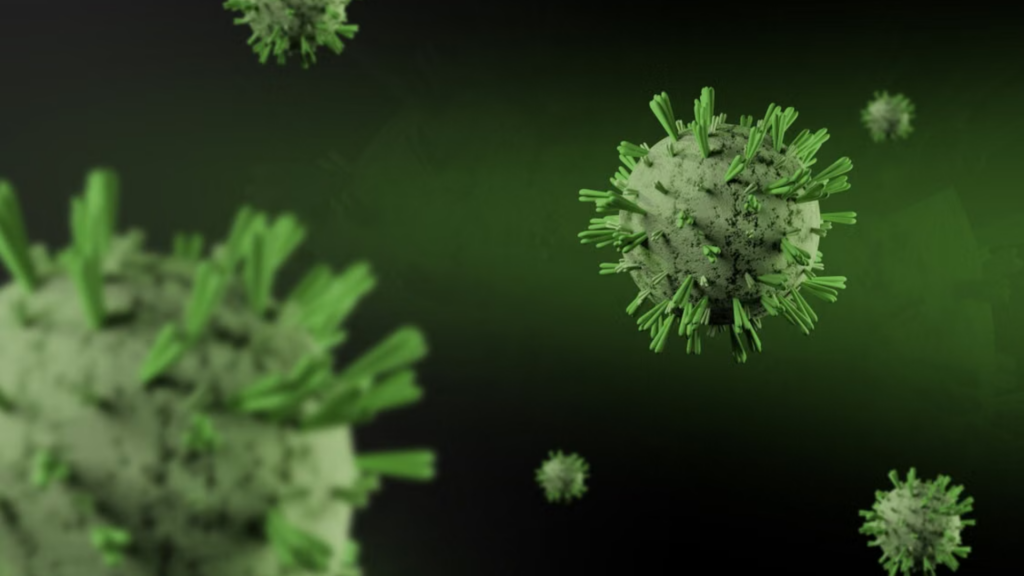
Researchers are still investigating why shingles vaccination might be associated with better cardiovascular outcomes. One possibility is that preventing reactivation of the shingles virus could reduce inflammation or other biological processes that place stress on blood vessels and the heart. Another possibility involves differences in the immune response produced by the newer recombinant vaccine compared with its predecessor. These explanations remain hypotheses, and the study did not establish which biological mechanism, if any, accounts for the observed differences.
The Apparent Protection Was Strongest in the Earlier Years
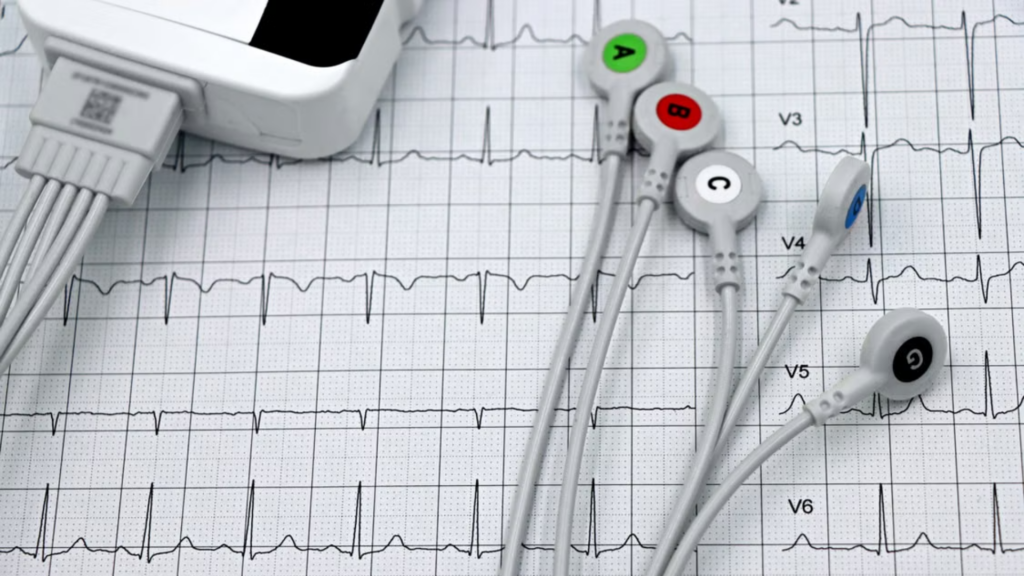
The study also found that the association between Shingrix and reduced cardiovascular problems became weaker over time. According to study author Maxime Taquet, the apparent protective effect was strongest during the first several years following vaccination and gradually diminished during longer follow-up. This pattern raises additional questions about whether any benefit is temporary, whether immune responses change over time, or whether other factors influence the results. Researchers say further investigation is needed before conclusions can be drawn about lasting cardiovascular protection.
The Findings Do Not Mean Shingrix Is a Heart Disease Treatment
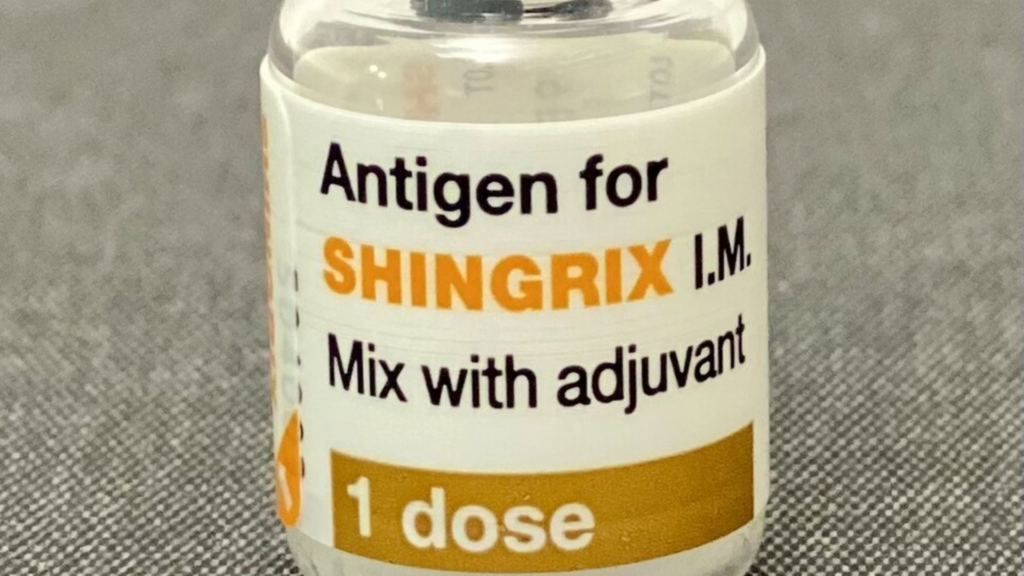
Despite the promising findings, researchers caution that this was an observational study rather than a randomized clinical trial designed to prove that Shingrix prevents heart disease. Comparing two vaccinated groups helped address some limitations of earlier studies, but other differences between patients could still have influenced the outcomes. The researchers concluded that clinical trials and additional studies are necessary to determine whether the vaccine provides genuine cardiovascular protection. For now, it should not replace established heart-health measures such as managing blood pressure, treating high cholesterol, exercising regularly, and avoiding smoking.
The Possible Heart Benefit Gives Older Adults Another Reason to Pay Attention
The shingles vaccine’s possible connection to cardiovascular health adds to growing scientific interest in whether preventing certain infections can produce benefits beyond their immediate symptoms. The CDC currently recommends two doses of Shingrix for adults ages 50 and older, along with eligible immunocompromised adults ages 19 and older, primarily to prevent shingles and its complications. While the newly identified cardiovascular association remains unproven as a direct benefit, the findings could help researchers better understand how vaccination, inflammation, and heart health interact as people age.