


Products are selected by our editors, we may earn commission from links on this page.

When you picture someone thriving in their 80s or 90s, you might imagine a person who eats perfectly, exercises every morning and never misses a health checkup. Those habits can certainly matter, but one geriatrics specialist has noticed something different among her healthiest older patients. It isn’t a particular food, fitness routine or expensive wellness habit. Instead, it has more to do with how people approach everyday life, especially when familiar routines start feeling easier than trying something new.
Getting Older Doesn’t Mean Giving Up
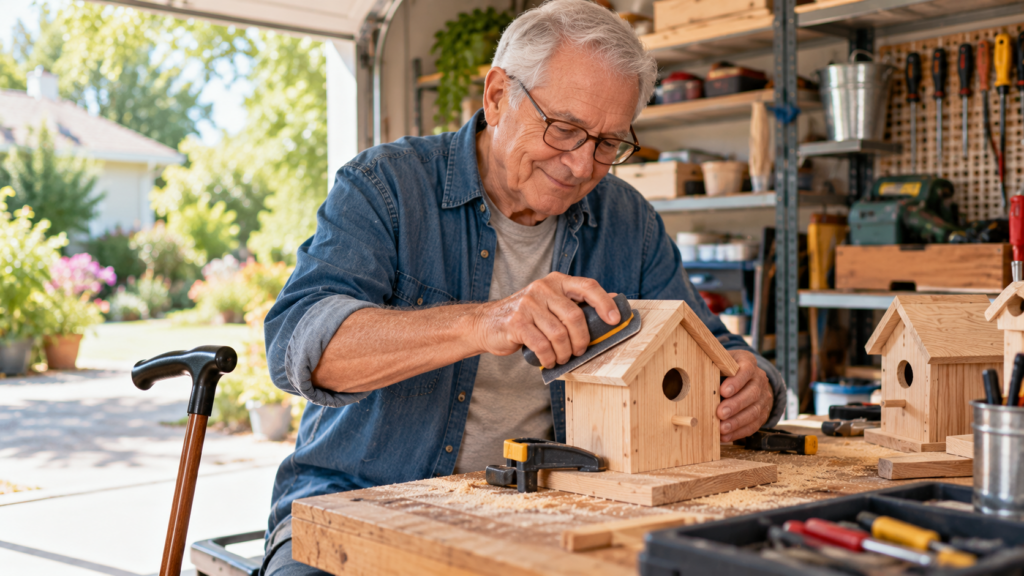
Aging naturally brings changes in strength, mobility and energy. Activities that once seemed effortless may require more time or adjustments, but that doesn’t mean personal growth has to stop. Dr. Stephanie Rogers, a professor of medicine in geriatrics at the University of California, San Francisco, emphasizes that aging or disability shouldn’t be viewed as failure. She believes older adults can continue adapting, enjoying life and sometimes improving age-related limitations. Her observations challenge the assumption that later life should always involve doing less.
Familiar Routines Can Become Surprisingly Limiting
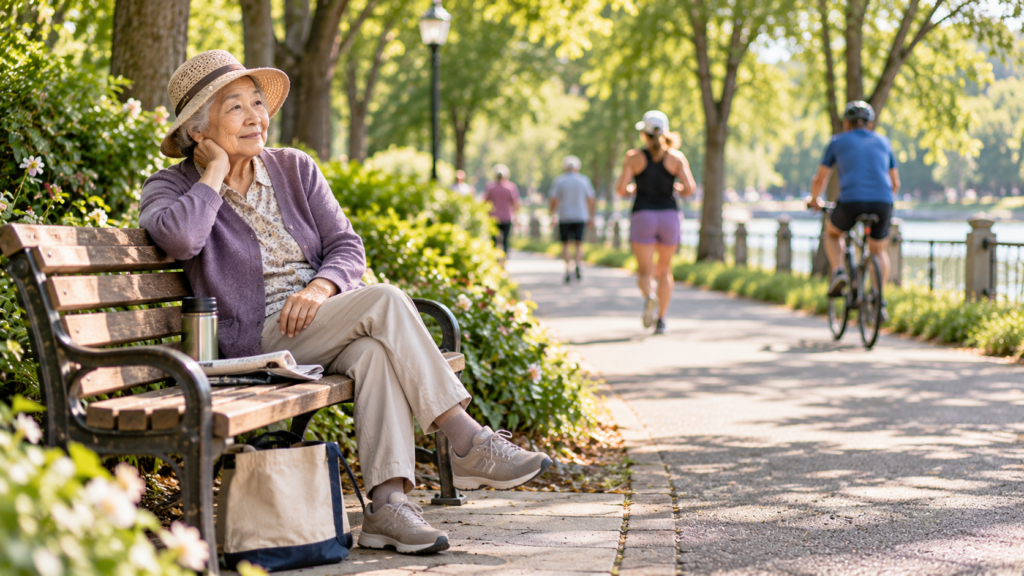
There’s comfort in knowing exactly how your day will unfold. You take the same walk, visit the same places and stick with activities you’ve mastered. Predictability can be reassuring, especially when physical abilities change. But repeating familiar activities exclusively may leave fewer opportunities to develop other skills. Rogers points out that doing the same strength exercises repeatedly can maintain certain abilities while neglecting others. That’s where her advice takes an unexpected turn.
Her Healthiest Patients Avoid Getting Too Comfortable
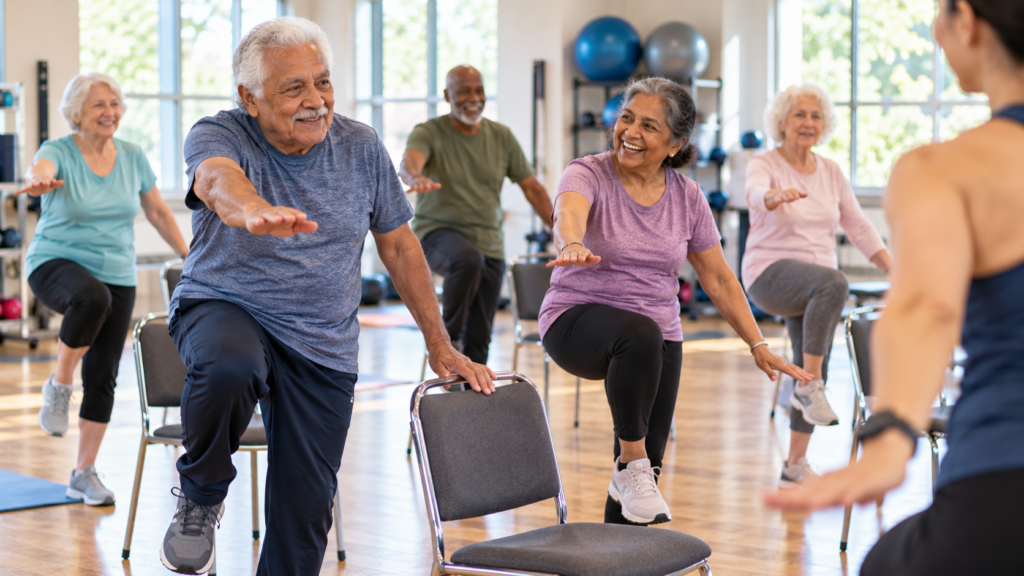
The common thread Rogers notices among her healthiest patients in their 70s, 80s and 90s is that they don’t allow themselves to become too comfortable. She isn’t suggesting anyone should give up rest or relaxation. Rather, she encourages people to keep challenging themselves physically, mentally and socially through manageable new experiences. The goal isn’t constant difficulty. It’s remaining open to activities that require a little more effort than yesterday’s routine.
A Little Challenge Can Encourage Adaptation
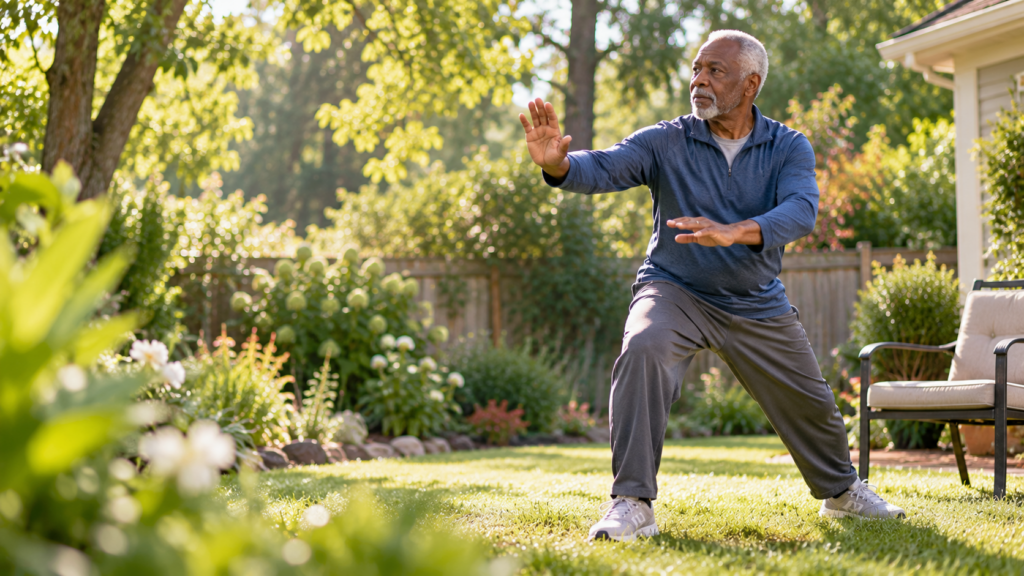
The reasoning involves how the body responds to manageable stress. Rogers describes a concept called hormesis, in which small amounts of certain stressors can trigger adaptive responses. Trying a different movement, for example, asks muscles, nerves and joints to coordinate in unfamiliar ways. Over time, appropriately chosen challenges may help improve strength, balance and mobility. That doesn’t mean all stress is beneficial, however. The amount and type of challenge matter, particularly for people managing medical conditions.
The Right Amount Of Discomfort Matters
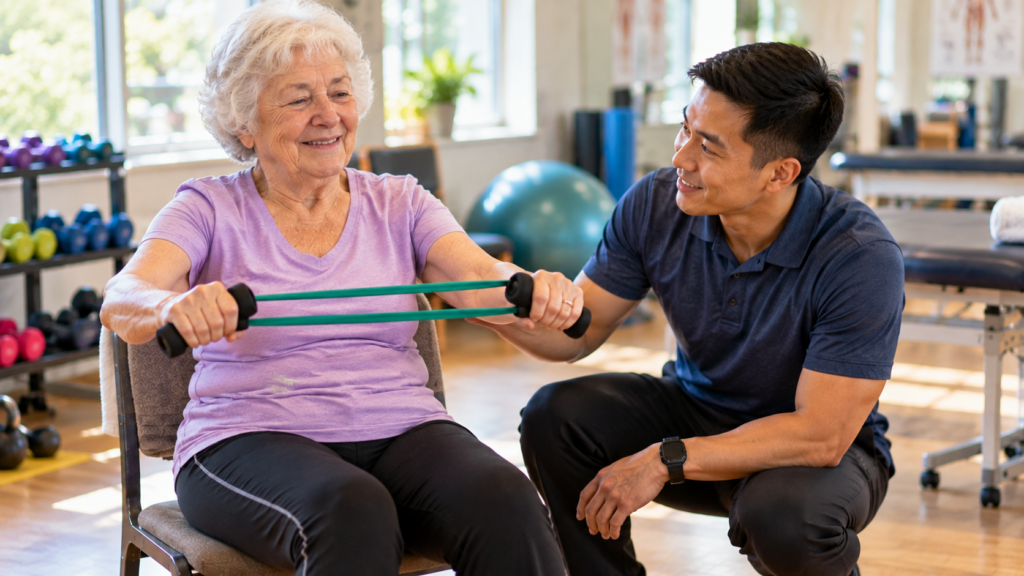
There’s a difference between stretching your abilities and pushing yourself beyond safe limits. Harvard Summer School’s discussion of comfort zones explains that moderate challenges can support learning and performance, while excessive stress can interfere with progress. Rest and familiar routines also remain important. For older adults, this distinction is especially practical. A new activity should be achievable with appropriate support, not something that increases the likelihood of injury or leaves someone overwhelmed.
Your Brain Needs New Experiences Too
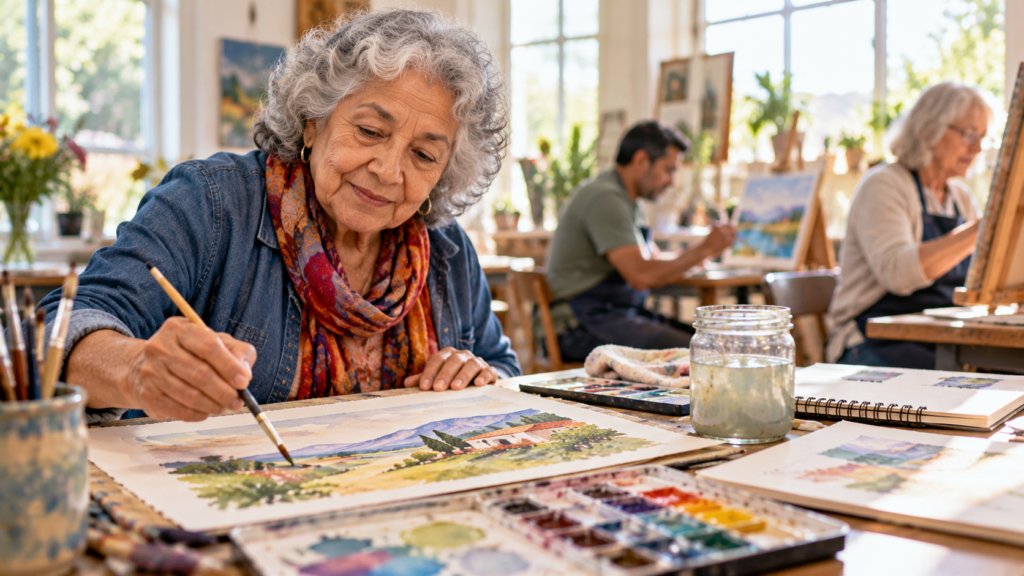
Staying challenged doesn’t necessarily mean adding another workout. Learning an artistic skill, practicing a different language or exploring an unfamiliar subject can introduce mental challenges without demanding strenuous physical effort. Rogers includes these activities among her suggestions for older adults who want to keep growing. Harvard’s guidance similarly highlights learning new skills as a way to expand interests and build confidence. The same principle can extend beyond individual hobbies into relationships.
Meeting New People Can Be Part Of The Challenge
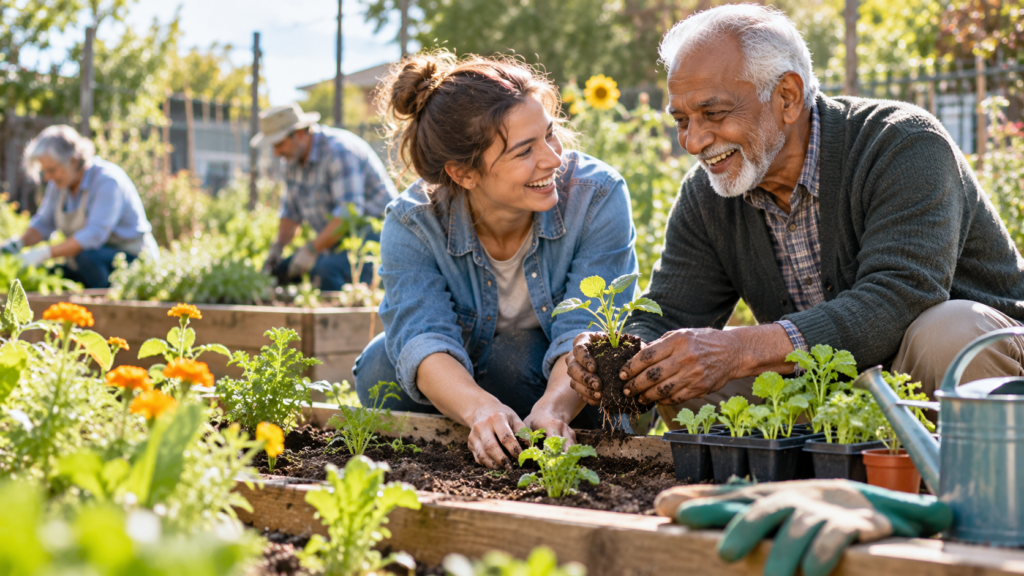
Social habits can become just as predictable as exercise routines. Rogers suggests making friends with someone from a different generation, an opportunity to encounter unfamiliar perspectives and experiences. Harvard also recommends attending social events, volunteering or exploring new places as ways to move beyond familiar surroundings. For someone who feels hesitant about unfamiliar situations, even a small conversation or community activity can provide a meaningful starting point.
You Don’t Have To Overhaul Your Life

The encouraging part is that staying curious doesn’t require dramatic changes. Someone might try a different low-impact exercise, cook with an unfamiliar ingredient or sign up for a beginner’s class. Rogers recommends choosing enjoyable challenges and changing direction when something isn’t working. People with underlying health conditions should consult their doctor before starting new physical activities. Her observation is clinical experience, not proof that avoiding comfort alone causes better health, but it offers a practical approach to staying engaged.
The Next Chapter Can Still Bring Something New
The challenge of healthy aging may increasingly involve finding opportunities to grow while respecting changing abilities. That could mean adapting a favorite activity, discovering an unexpected interest or building friendships that wouldn’t otherwise happen. Rogers also emphasizes the importance of maintaining a positive outlook toward aging rather than assuming improvement is impossible. As people live through their later decades, the question isn’t simply how much they can preserve from earlier life, but what new experiences they can still make room for.