

Products are selected by our editors, we may earn commission from links on this page.
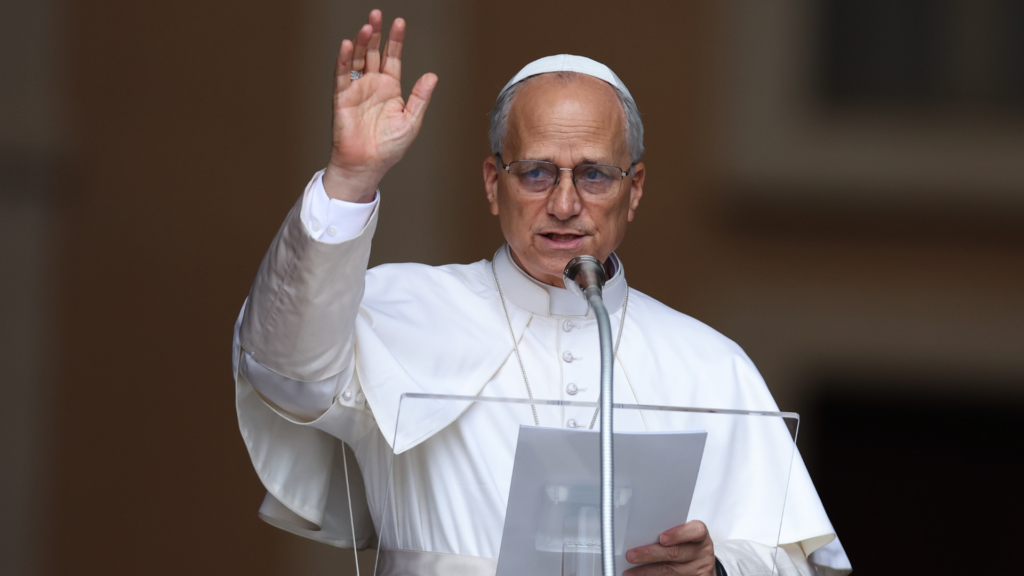
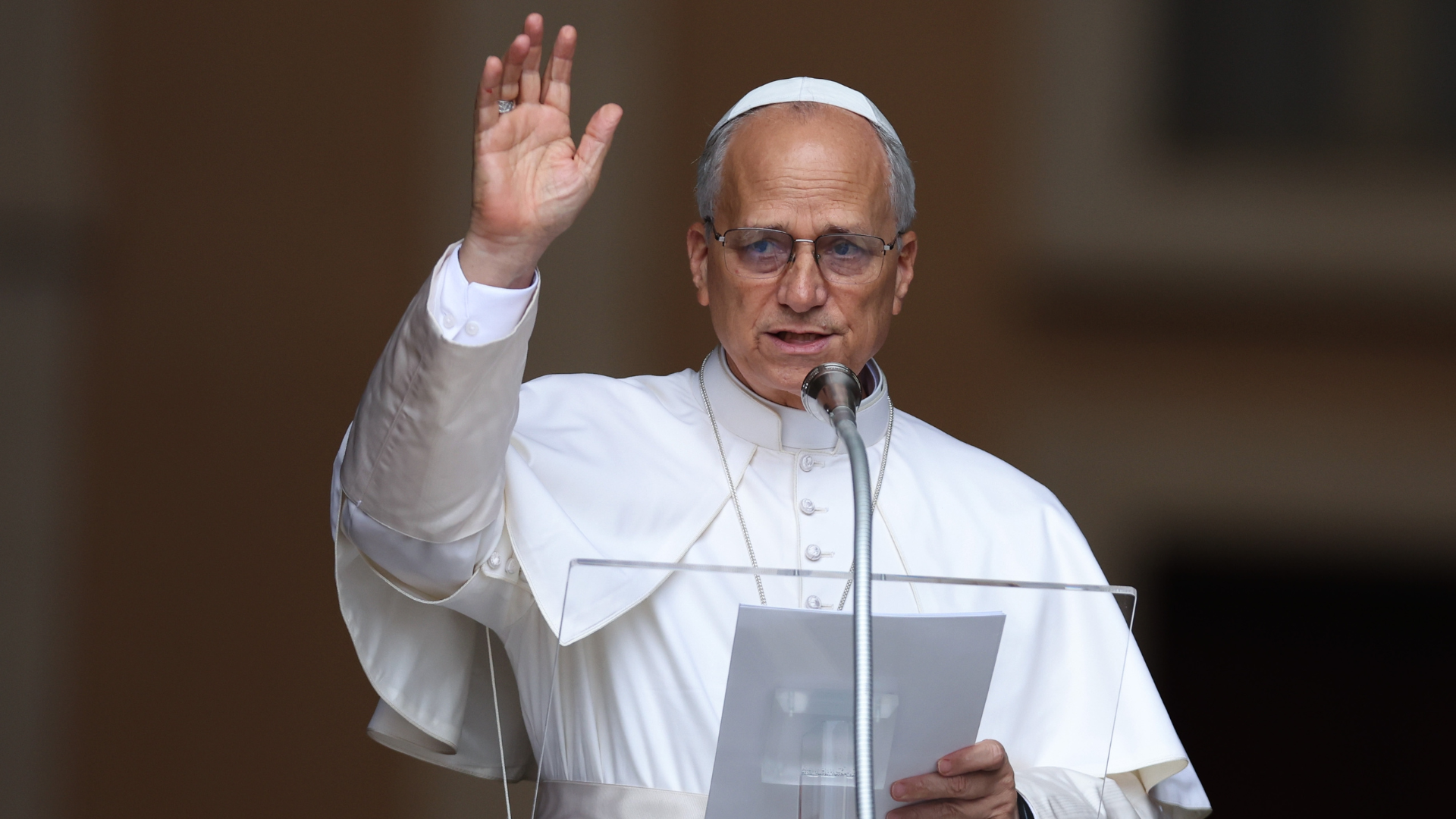
Pope Leo XIV asked Catholics around the world to pray for him after doctors discovered a small, localized nodule in his lung, revealing the health concern during his Sunday Angelus address on October 11. The 71-year-old pontiff told the crowd gathered in St. Peter’s Square that the growth had been detected at a very early stage and that his doctors recommended removing it. He thanked the faithful for their support, saying, “I entrust myself to your prayers.”
The announcement marked the first major publicly disclosed health concern of Leo’s papacy, which began in May 2025. Born Robert Francis Prevost in the Chicago area, Leo became the first American pope and has continued a demanding schedule of religious services, meetings, and international commitments. His decision to speak publicly about the planned operation offered a rare glimpse into the personal health challenges facing the head of the Catholic Church.
At the time of his announcement, the Vatican said the procedure was scheduled for the beginning of the following week, with an expected recovery period of about seven days. The pope said he was following medical advice, but officials initially did not disclose whether doctors suspected the nodule was cancerous. Subsequent developments have brought more clarity: Leo underwent surgery on October 13, and reports following the operation said doctors identified lung adenocarcinoma.
What Doctors Found and Why Surgery Was Recommended
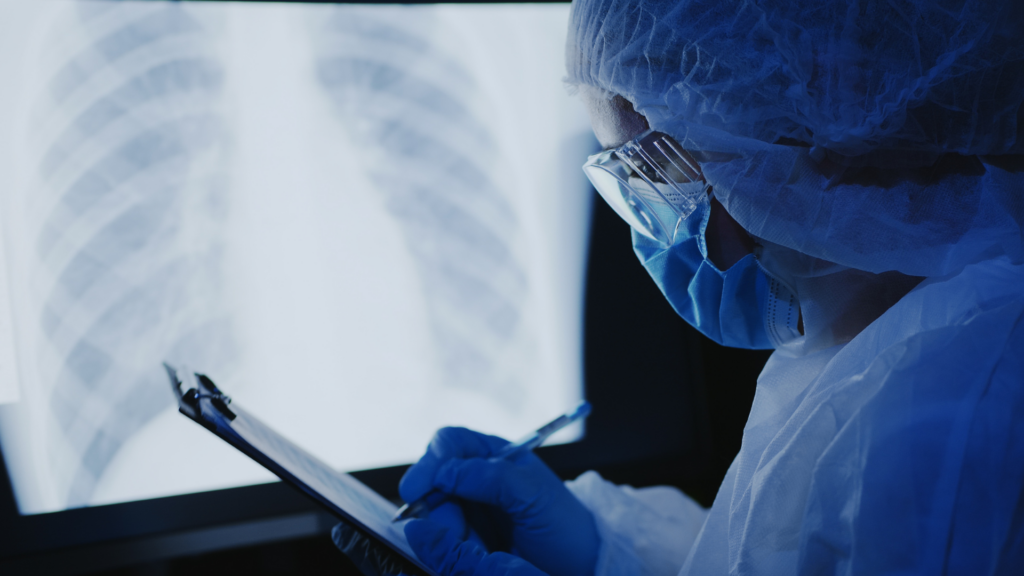
A lung nodule is a small area of abnormal tissue that may be discovered during medical imaging, sometimes when doctors are investigating an unrelated condition. These growths can have several causes, including previous infections, inflammation, and cancer, so finding one does not automatically mean a person has a malignancy. Medical specialists have emphasized that most lung nodules are benign, although the decision to remove one depends on factors such as its appearance, size, location and the patient’s overall health.
Leo said the nodule was detected early and was well localized, and his doctors recommended surgery rather than simply monitoring it. Removing a suspicious growth can allow specialists to examine the tissue directly and determine what it is, while also treating a cancerous lesion before it has an opportunity to spread. The Vatican had not initially provided detailed medical findings, so the exact nature of the nodule remained uncertain before the operation.
Following the October 13 procedure, the Associated Press reported that doctors diagnosed lung adenocarcinoma, a common type of lung cancer, after removing the lower lobe of Leo’s right lung. The operation was reported to have lasted about 90 minutes without complications, and the pope returned to his recovery room afterward. Further results, including information about his lymph nodes, were still pending, meaning the full extent of the disease had not yet been established in the initial report.
What the Diagnosis Could Mean for the Pope’s Recovery
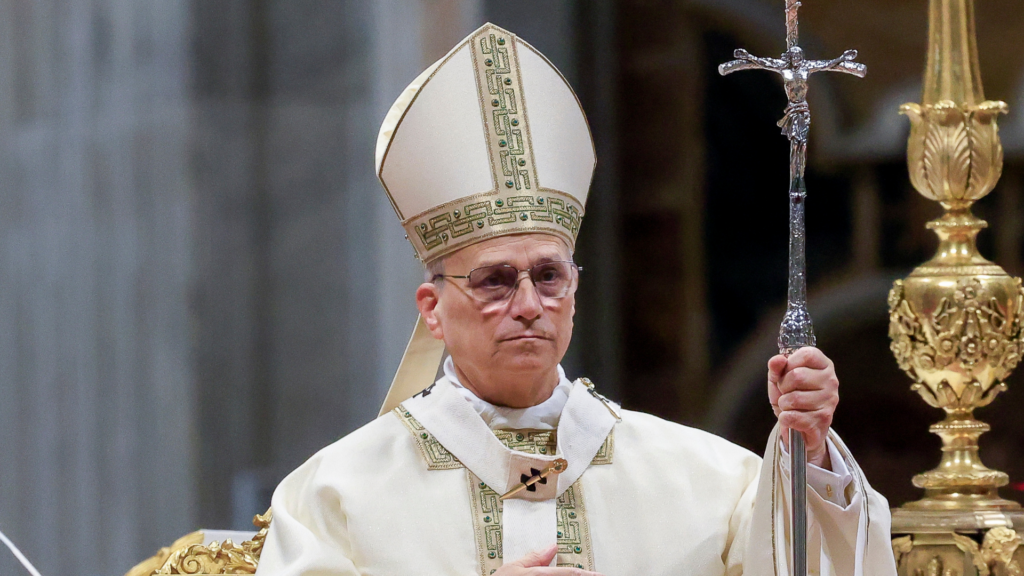
The diagnosis adds an important dimension to the pope’s recovery, although doctors still need further information to determine the full picture. Lung adenocarcinoma develops in glandular cells in the lung and can vary considerably in its behavior, depending on the stage and whether it has spread. When a cancer is detected while still localized, surgery may be an effective treatment, but the appropriate next steps depend on the pathology results and other clinical findings.
The Vatican had estimated that Leo would need about a week to recover from the operation, and his scheduled audiences through October 20 were canceled, according to CBS News. That period gives the pope time to recover from surgery while doctors monitor his condition and assess the results. Officials had not announced a full treatment plan in the immediate aftermath of the procedure, so it would be premature to conclude whether additional treatment will be necessary.
The health concern has also raised questions about the pope’s planned November trip to Uruguay, Argentina and Peru, scheduled for November 6 through 17. Before the surgery, Leo indicated that he still intended to make the journey, but recovery and follow-up medical advice could affect the itinerary. The Vatican’s updates and any subsequent announcements about his schedule will be important indicators of how quickly he can resume his regular duties.
Catholics Around the World Continue to Pray for Pope Leo
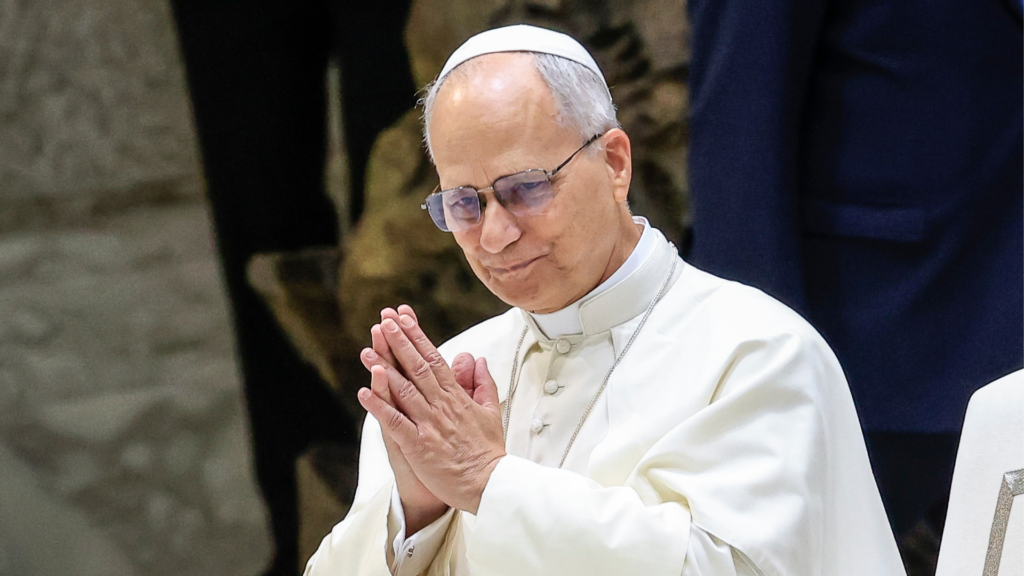
News of Leo’s planned surgery prompted prayers and messages of support from Catholics and religious leaders in several countries. In Chicago, where the pope grew up, Cardinal Blase Cupich called on the faithful to pray for his swift and complete recovery, asking that the medical team be guided during the procedure. The response reflected the significance of the first American pope to Catholics who see his health as closely connected to the leadership and spiritual life of the Church.
The pope’s own message placed faith at the center of the moment, even as he followed his doctors’ recommendation to undergo surgery. His public disclosure allowed Catholics to respond with prayer while medical specialists worked to remove the growth and determine its nature. Now that the operation has been completed and lung adenocarcinoma has been reported, attention has shifted toward the pending test results, his recovery, and whether further treatment will be required.
For now, Leo’s recovery remains the immediate priority, with further medical information needed to clarify the diagnosis and outlook. The early detection and surgical removal are important developments, but the results of additional testing will help determine what comes next. As Catholics continue to offer prayers for the 71-year-old pontiff, the coming days are expected to bring a clearer picture of his health and the possible effect on his responsibilities and upcoming travel plans.