

Products are selected by our editors, we may earn commission from links on this page.
Cannabis use among middle-aged and older adults is attracting growing scientific attention as researchers investigate how it may affect memory, concentration, and long-term brain health. While previous studies have linked prolonged heavy cannabis use to cognitive difficulties, newer research has identified some unexpectedly positive associations involving brain structure and cognitive performance. These findings suggest that the relationship between cannabis and the aging brain may be more complicated than many people realize, particularly after age 40. However, scientists emphasize that the evidence remains mixed and does not establish cannabis as either a reliable cognitive enhancer or an inevitable cause of memory decline.
Long-Term Cannabis Use Has Been Linked to Memory Problems

A long-running study discussed by Harvard Health followed nearly 1,000 people in New Zealand from childhood into their mid-40s, examining the relationship between long-term cannabis use and cognitive performance. Researchers found that individuals who used cannabis heavily over many years demonstrated difficulties with learning, processing speed, and memory compared with those who did not use cannabis. Participants with prolonged heavy use also experienced an average IQ decline of approximately 5.5 points from childhood, although the results do not mean every cannabis user will experience similar changes. The findings raised concerns about whether sustained exposure could contribute to cognitive difficulties that become more noticeable during middle age.
Friends and Family May Notice Changes in Attention
One notable finding from the New Zealand research was that cognitive difficulties were not limited to formal testing, as people who knew the long-term cannabis users also reported noticing problems involving memory and attention. These changes could become apparent during ordinary activities, such as following conversations, remembering instructions, or completing tasks that require sustained concentration. However, occasional forgetfulness does not automatically indicate cannabis-related cognitive impairment, since stress, sleep problems, medications, and other health conditions can also affect mental performance. Researchers therefore caution against attributing every memory lapse in middle age to cannabis exposure.
A Newer Study Found Unexpected Results in Older Adults

Researchers at the University of Colorado Anschutz Medical Campus recently examined information from 26,362 adults between the ages of 40 and 77 using data from the UK Biobank. Their study found that greater lifetime cannabis use was generally associated with larger volumes in several brain regions and better performance on certain cognitive tests, presenting a different perspective from earlier research focused on heavy long-term use. The average participant was approximately 55 years old, making the findings particularly relevant to discussions about cannabis and cognitive aging. However, the researchers stressed that these associations do not prove cannabis caused the differences or that using cannabis improves brain health.
Cannabis Use Was Associated With Differences in Brain Volume
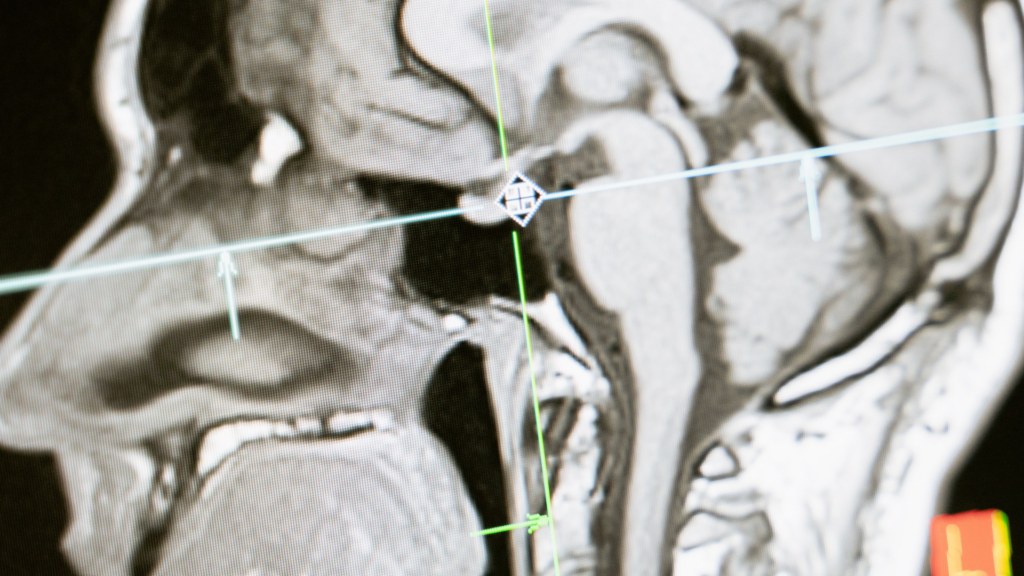
The Colorado researchers focused on brain regions containing relatively high concentrations of CB1 cannabinoid receptors, which interact with compounds found in cannabis. Several of these regions contribute to memory formation, emotional processing, and learning, making them especially relevant when studying cognitive changes during aging. Researchers observed that greater lifetime cannabis use was often associated with larger regional brain volumes, although one region, the posterior cingulate cortex, showed an association with smaller volume. Because larger brain structures do not automatically indicate better cognitive function, the findings require further investigation before researchers can determine their clinical significance.
Moderate Cannabis Use Showed Some Favorable Associations

One particularly interesting observation involved participants who reported moderate lifetime cannabis use, as this group often demonstrated favorable associations with brain volume and cognitive performance. In several measurements, moderate users showed larger brain regions or stronger test performance than participants reporting lower or higher lifetime exposure, although the pattern was not consistent across every outcome. The study also relied on self-reported lifetime cannabis use and lacked detailed information about dosage, frequency, and product potency, limiting what researchers could conclude. These results should not be interpreted as evidence that moderate cannabis consumption protects memory or that a particular amount is safe for cognitive health.
THC Can Still Temporarily Affect Memory and Concentration

Despite the newer findings, established research shows that THC, the primary intoxicating compound in cannabis, can temporarily interfere with attention, short-term memory, coordination, and decision-making. THC interacts with cannabinoid receptors in brain regions involved in processing and storing information, which helps explain why some people experience forgetfulness or difficulty concentrating while under its influence. These short-term effects are particularly important for activities requiring sustained attention or quick reactions, including driving and operating equipment. The Colorado study does not contradict these findings because it examined lifetime exposure and cognitive measurements rather than testing participants during acute intoxication.
Today’s Cannabis Products May Carry Different Risks

Another important consideration is that cannabis products available today can differ substantially from those used decades ago, particularly in their THC concentrations. Harvard Health has highlighted how average THC potency has increased over time, while certain concentrates and edible products may contain considerably higher amounts than traditional cannabis flower. The Colorado researchers also acknowledged that they lacked detailed information about the THC and CBD content of products participants had consumed throughout their lives. This makes it difficult to determine whether the findings accurately reflect the potential cognitive effects of modern high-potency cannabis products, especially among adults who use them frequently.
Researchers Still Have Important Questions About Cognitive Aging
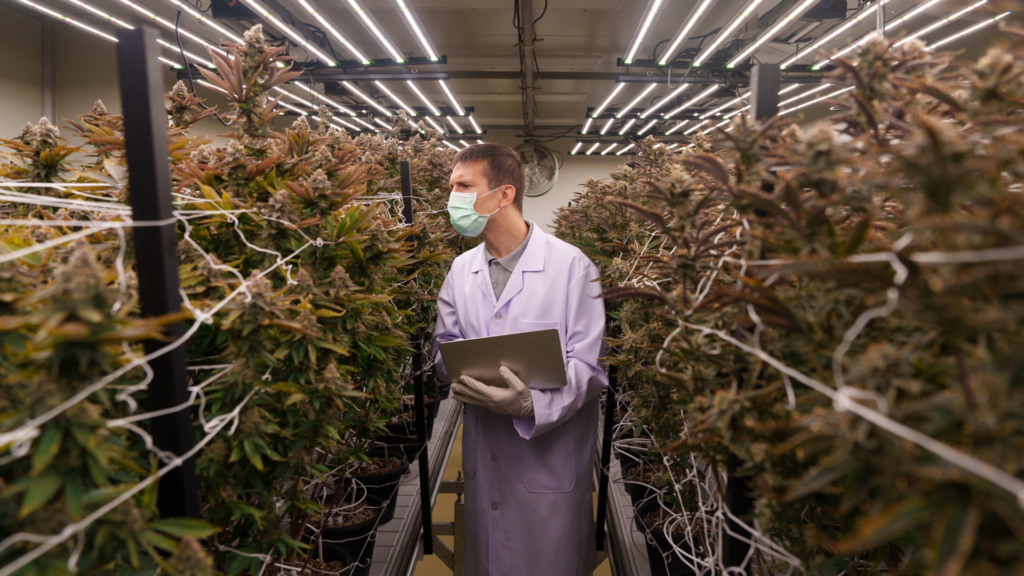
The differences between the studies illustrate why researchers remain cautious about making sweeping claims concerning cannabis and brain health. The New Zealand study followed participants over many years and identified cognitive difficulties associated with prolonged heavy use, while the Colorado study examined lifetime cannabis exposure and brain measurements among middle-aged and older adults. Differences in study design, participant characteristics, cannabis exposure, and cognitive testing may help explain why the findings are not identical. Scientists still need additional research examining THC potency, frequency of consumption, underlying health conditions, and long-term cognitive outcomes before determining whether cannabis exposure contributes to meaningful changes in brain aging.
What Adults Over 40 Should Know About Cannabis and Memory
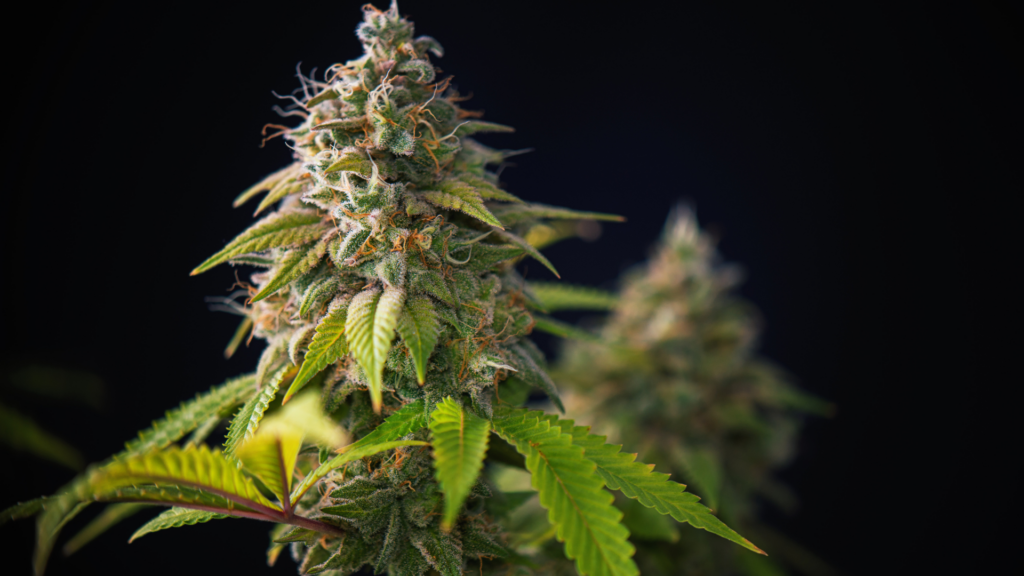
The latest research suggests that cannabis and cognitive aging have a complicated relationship that cannot be reduced to a simple claim that the substance always helps or harms the brain. Prolonged heavy use has been associated with difficulties involving memory and attention, while newer observational findings have identified potentially favorable associations among some middle-aged and older adults without proving that cannabis provides cognitive protection. Anyone experiencing persistent forgetfulness, difficulty concentrating, or changes in mental clarity should consider discussing their symptoms and cannabis use with a healthcare professional, since several medical and lifestyle factors can contribute to cognitive difficulties. For now, the most important takeaway is that promising research findings do not establish cannabis as a treatment for age-related memory problems, and more evidence is needed to understand its long-term effects.