

Products are selected by our editors, we may earn commission from links on this page.
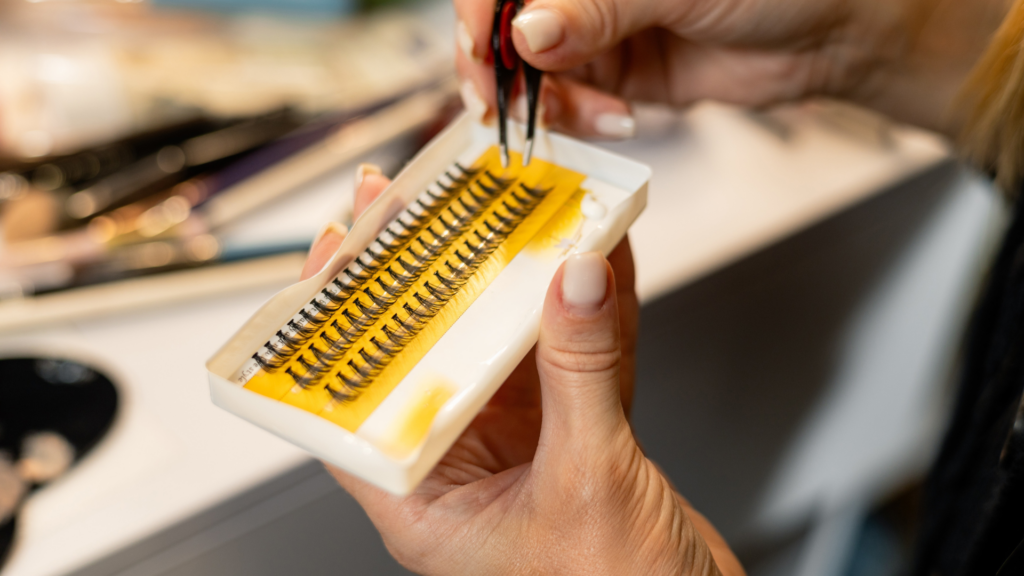
Eyelash extensions have become a popular beauty treatment for people who want longer, fuller lashes without applying mascara every day. However, new research suggests that repeatedly getting extensions may be associated with an unexpected concern: tiny skin mites living around the eyelashes. The findings have raised questions about eyelid hygiene and possible eye irritation among people who regularly undergo the cosmetic procedure.
The study, led by ophthalmologist Tetiana Zhmud and colleagues at National Pirogov Memorial Medical University in Ukraine, examined 345 women between the ages of 16 and 28. Nearly one-quarter of the participants had previously received eyelash extensions, and 58% of those who used them said they returned for the procedure every three to four weeks. The research was presented at the 44th Congress of the European Society of Cataract and Refractive Surgeons in September 2026.
The findings do not mean that everyone who gets extensions will develop an eye problem, nor do they establish that extensions directly cause a mite infestation. Instead, the research highlights a possible connection between repeated treatments, eyelid health and symptoms that people may mistake for ordinary irritation from beauty products. Researchers say appropriate cleansing and medical assessment when symptoms persist are important parts of eye care.
What Researchers Found About Skin Mites and Eyelash Extensions
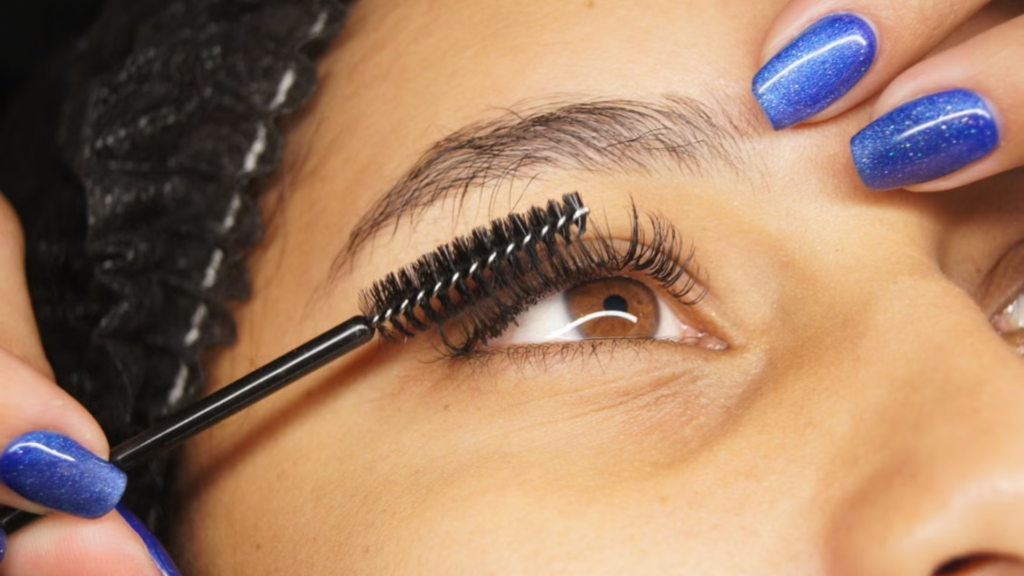
Researchers examined eyelash samples from a smaller group of 25 women who regularly wore extensions. They found Demodex folliculorum mites in 24 of the 25 samples, or 96%. These microscopic organisms live in hair follicles and nearby oil-producing glands, including those around the eyelashes, and their presence does not automatically mean someone has an infection or needs treatment.
Among the 86 women in the study who had used extensions, 47.6% reported discomfort, redness, tearing or itching following the procedure. The researchers also found that 85% of women who had received extensions at least 10 times showed signs of meibomian gland dysfunction. These tiny glands along the eyelids produce oil that helps prevent tears from evaporating too quickly, so problems with their function may contribute to dry or irritated eyes.
Of the 25 women whose eyelashes were examined under a microscope, 18 showed signs of irritation consistent with mite-related inflammation. Symptoms included itching, redness, swelling, lashes sticking together and scaly skin around the lash roots. However, the sample was small, and researchers did not compare these participants with a control group of women who had never used extensions, so larger studies are needed to clarify the relationship.
Why These Tiny Mites Can Become a Problem
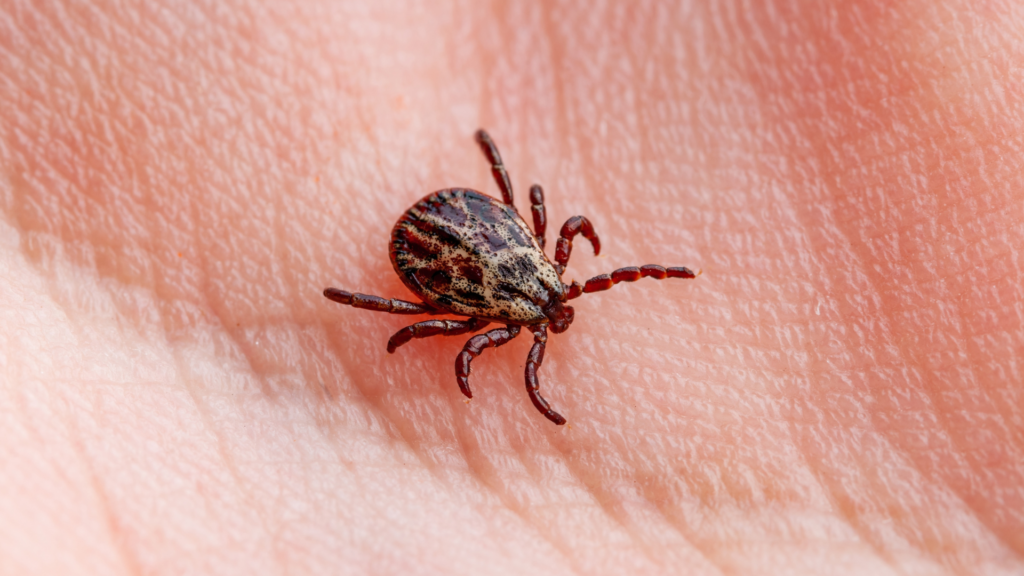
Demodex mites are commonly found on human skin, where they live around hair follicles and feed on material such as skin cells and oils. In many people, they cause no noticeable symptoms. Problems can arise when mite populations increase or trigger inflammation, potentially contributing to a condition called demodectic blepharitis, which is inflammation of the eyelid margins.
Repeated eyelash extension treatments may make eyelid care more challenging, particularly if people avoid cleaning their lash lines because they worry about damaging the extensions. Residue from cosmetics, oils and adhesive can also collect around the base of the lashes. Researchers believe these factors may affect the eyelid environment, but the study did not prove that extensions themselves cause mites to multiply.
The findings also point to a concern involving the meibomian glands, which help keep the surface of the eye lubricated. If these glands become blocked or produce insufficient oil, people may experience dryness and irritation. Because redness, itching and discomfort can have several causes, including sensitivity to adhesive or other products, symptoms alone cannot confirm a mite problem. Persistent or worsening symptoms should be assessed by an eye care professional.
How to Care for Your Eyes Without Giving Up Extensions
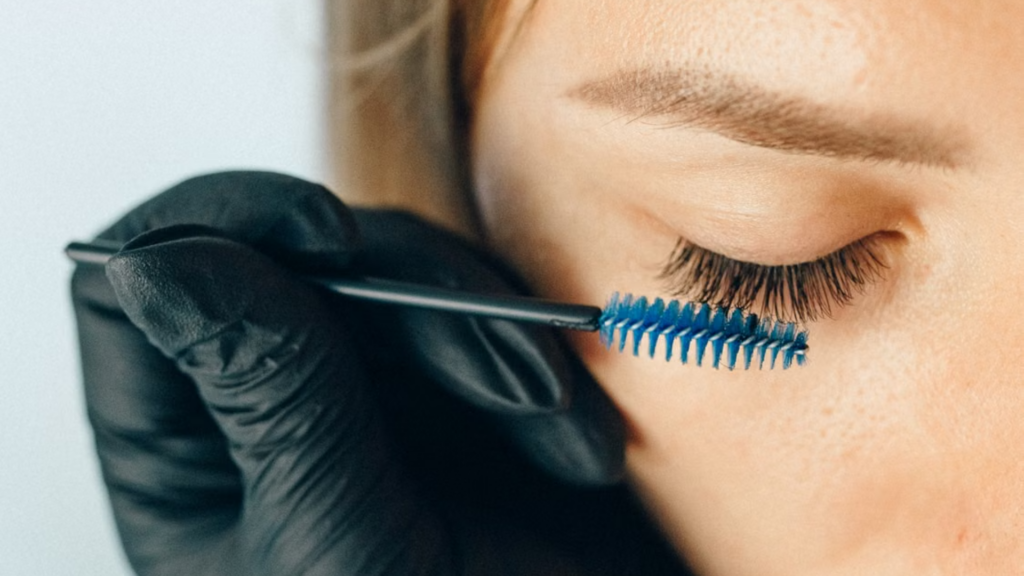
Researchers emphasized that their findings do not mean people must stop getting eyelash extensions. Instead, they recommend paying attention to eyelid hygiene and seeking medical advice if irritation continues. The study’s lead researcher suggested using a preservative-free, hypoallergenic gel specifically designed for eyelid hygiene, together with an eyelash-cleaning brush, twice daily when appropriate for the individual and their extensions. Anyone using a product near the eyes should follow its instructions and avoid getting it inside the eye.
People who regularly wear extensions should watch for persistent itching, redness, swelling, crusting or scaling at the roots of their lashes, as well as unusual dryness or discomfort. These symptoms do not necessarily indicate Demodex mites, and treatment should depend on the cause. An ophthalmologist or other qualified eye care professional can examine the eyelids, determine whether mites or another condition are involved, and recommend suitable treatment if needed. Antiparasitic medication may be considered when an infestation is confirmed, but people should not self-treat their eyes with harsh cleansers or unapproved products.
Ultimately, the study is an early warning about a possible eye health issue, not proof that eyelash extensions are unsafe for everyone. The researchers acknowledged the limited number of samples tested for mites and the absence of a comparison group, meaning further research is needed before firm conclusions can be drawn. For people who enjoy extensions, careful cleansing, awareness of symptoms and timely professional assessment may help protect eyelid health while allowing them to make informed decisions about their beauty routines.