

Products are selected by our editors, we may earn commission from links on this page.
“Shouldn’t someone go to prison?” Reddit user u/Pj_o7 asked in an r/news thread. Another user, u/Thetman38, replied, “No that’s for the poors only.” The exchange captured frustration over how major financial institutions are punished when regulators uncover serious violations. Behind the outrage is a case involving billions in suspicious transactions and compliance failures that continued despite regulatory warnings.
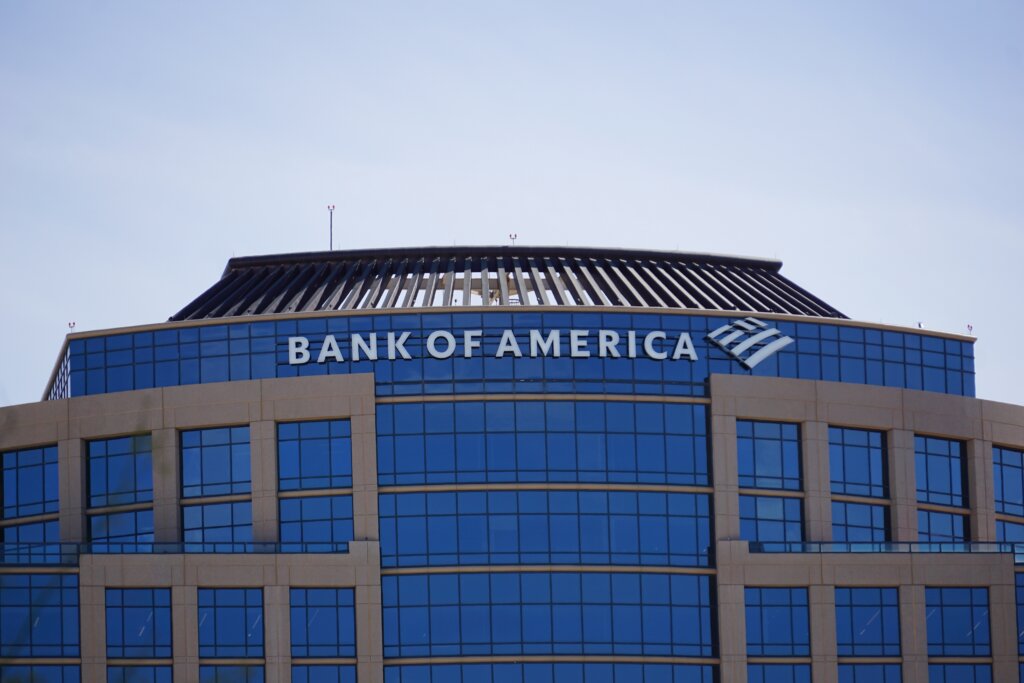
On October 13, the U.S. Treasury Department announced approximately $1.21 billion in combined penalties against Bank of America. Regulators found that the bank failed to report more than $5 billion in suspicious transactions on time, including over $1 billion connected to priority financial crime and national security risks.
The enforcement action ranks among the largest in Treasury history. According to the Associated Press, it is the department’s third-largest penalty, behind settlements involving Binance in 2023 and TD Bank in 2024. However, unlike those cases, Bank of America’s announcement was not accompanied by a Justice Department criminal action, Newsweek reported.
Billions in Suspicious Transactions Slipped Through the Cracks

Bank of America’s problems went beyond late paperwork. Regulators said its monitoring systems failed to adequately investigate potentially suspicious activity across trillions of dollars in transactions. Those weaknesses prevented authorities from receiving timely information that could have helped identify financial crimes.
Treasury identified activity potentially connected to Chinese money-laundering networks, fraud, and trade-based money laundering along the U.S.-Mexico border. The latter involves disguising illegal financial activity through commercial transactions. Investigators also alleged that the bank prioritized revenue and relied too heavily on outside inquiries from law enforcement and other financial institutions to identify suspicious transactions.
According to the Treasury consent order cited by USA TODAY, the failures stretched from 2018 through 2025. Regulators had identified significant deficiencies by 2023, prompting the Office of the Comptroller of the Currency (OCC) to issue a cease-and-desist order in December 2024. Yet weaknesses persisted. As part of its settlement with Treasury’s Financial Crimes Enforcement Network (FinCEN), Bank of America admitted to willfully violating anti-money-laundering requirements.
How the Penalties Add Up to $1.21 Billion
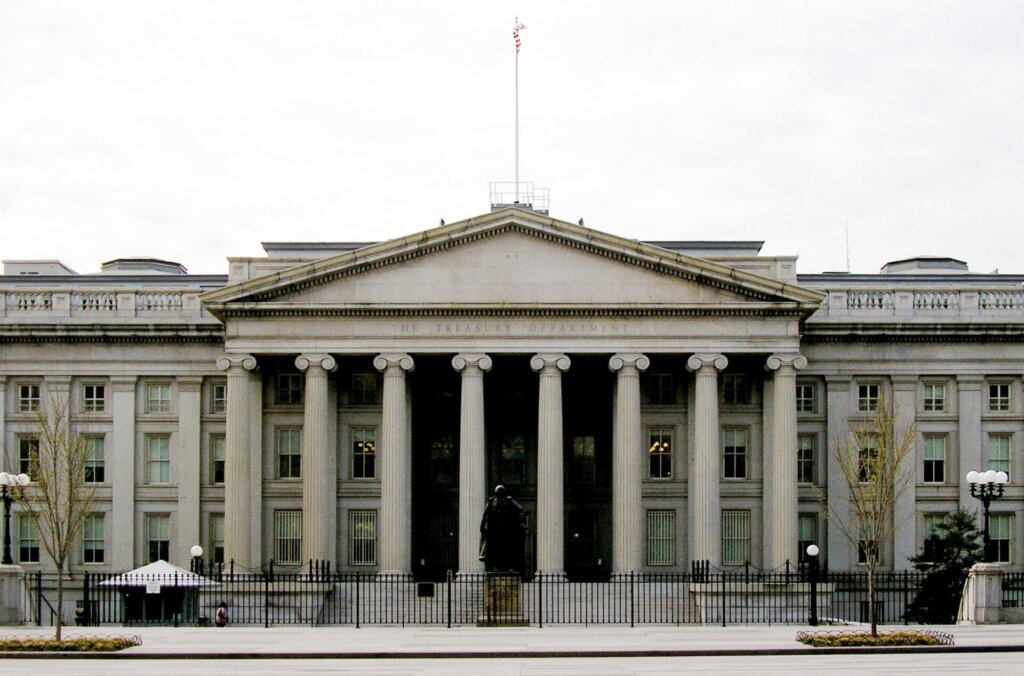
The financial breakdown matters. The $1.2 billion FinCEN penalty includes a $750 million OCC penalty, meaning those figures shouldn’t be added together. The OCC portion is the largest penalty in that agency’s history. A separate $11.6 million settlement with Treasury’s Office of Foreign Assets Control (OFAC) brings the combined amount to approximately $1.21 billion.
The OFAC settlement concerned 475 apparent violations of U.S. sanctions programs. Treasury said Bank of America improperly processed more than $14 million in payments involving sanctioned individuals and financial institutions. The cases touched sanctions programs involving Russia, Belarus, Iran, Burma, Somalia, narcotics trafficking, and global terrorism. Some violations involved payments through sanctioned banks and delays updating federal sanctions watchlists.
The bank will also feel the penalty in its earnings. Bank of America told FOX Business that the payments would result in a $1.2 billion non-tax-deductible charge against third-quarter financial results, reducing net income by approximately 17 cents per share. Treasury Secretary Scott Bessent warned that failures at an institution this large create significant risks for the wider U.S. financial system.
Bank of America Must Now Prove Its Systems Work

Bank of America has acknowledged the compliance failures and says improvements are underway. In a statement reported by the Associated Press, the bank said it had invested billions in technology and assigned thousands of employees to fighting financial crime. It also said it had made substantial progress addressing the deficiencies regulators identified.
The settlement requires more than paying the penalties. Bank of America must work with an independent third party to investigate previously undetected suspicious transactions and evaluate its anti-money-laundering controls. Additional sanctions compliance commitments include employee training, testing, audits, and continued cooperation with federal regulators.
The case also raises questions about whether financial penalties provide sufficient accountability. Newsweek noted that Bank of America reached a separate $16.65 billion settlement in 2014 over mortgage-backed securities tied to the financial crisis, although that involved different misconduct. This time, the immediate consequences are financial penalties, mandated reforms, and continued oversight rather than announced criminal charges. The next measure of accountability will be whether the bank can demonstrate that its reporting systems meet federal requirements.