

Products are selected by our editors, we may earn commission from links on this page.
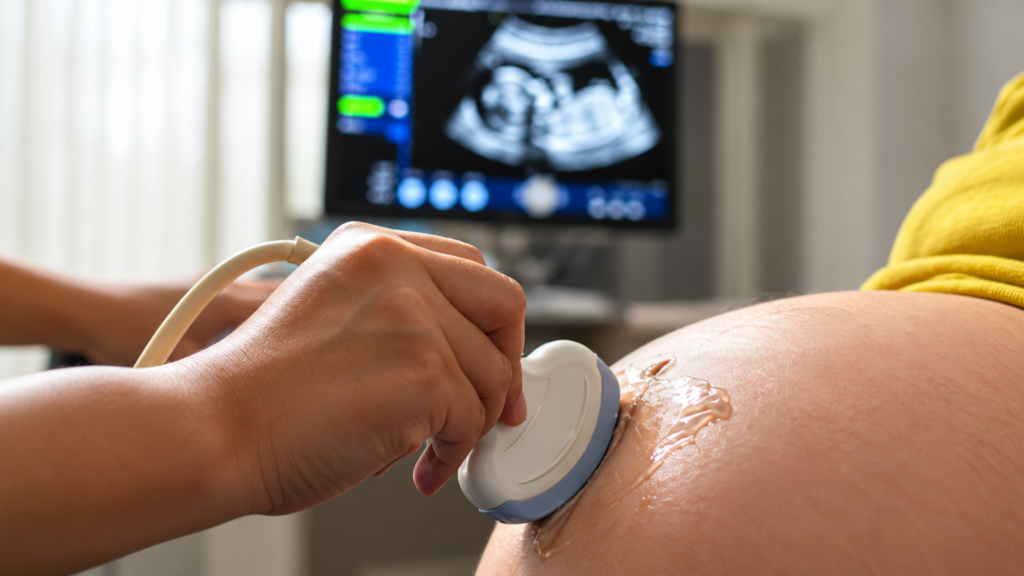
Between 1987 and 2021, about 3.7 million people were born in Sweden, and national registers logged their health and school records for decades. Hidden inside that mountain of data was a group of just 975 people who shared one unusual starting point: an infection passed from mother to baby before birth. Researchers at Karolinska Institutet tracked them for as long as three decades. The size of the gap between this group and everyone else surprised even the team.
The infections belong to a family known as TORCH, an acronym covering pathogens such as rubella, toxoplasmosis, and cytomegalovirus. Most germs that sicken a pregnant woman stay with her. These slip through the placenta and reach the fetus directly. Doctors have linked them to harm in newborns for decades, yet nobody had measured the long-term fallout at this scale. The study’s lead author, Hugo Sjöqvist, told Newsweek the team was “surprised by the magnitude of the risks.”
Autism was one of the outcomes the researchers tracked through those records. Children with a diagnosed TORCH infection received an autism diagnosis at roughly triple the rate of children without one, and that figure became the study’s headline. Even so, it was only one piece of what the registers held. Another diagnosis in the same records climbed far higher.
Intellectual Disability Risk Climbed More Than Sevenfold, and Severe Cases Rose Even Higher
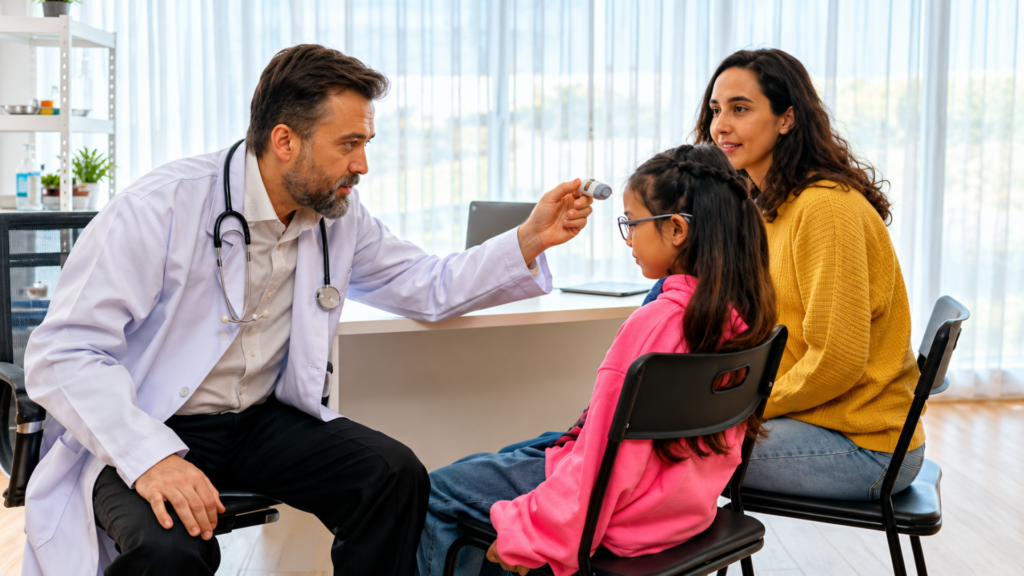
Intellectual disability was the outcome scientists already expected to rise. Children with a registered TORCH infection received that diagnosis more than seven times as often as everyone else in the study. The team then sorted diagnoses by severity, and the pattern shifted. Mild cases showed about triple the risk. Moderate cases showed nearly eight times the risk. One category remained, and its figure was the most dramatic of the three.
For severe to profound intellectual disability, the adjusted risk reached roughly 23 times that of unaffected children, with the upper edge of the statistical range stretching to about 30, according to the JAMA Pediatrics paper. Numbers that large invite doubt. Families share genes, homes, and circumstances, any of which could distort a comparison between two groups of strangers. So the team ran a second analysis built to remove that doubt, one that put brothers and sisters side by side.
In the sibling analysis, each child with a TORCH infection was compared with a brother or sister who never had one, which keeps family background largely constant. The pattern held, and for intellectual disability the sibling figure ran higher, at more than 11 times the risk. Shared family factors alone are unlikely to explain the results, the researchers concluded. Then they split the autism group in two, and the halves told very different stories.
Autism Risk Jumped Above Sixfold When Intellectual Disability Was Also Diagnosed

Among children with TORCH infections who also had intellectual disability, the autism risk rose to about six times that of unaffected children. Among those without intellectual disability, it dropped to roughly double. The authors say the autism link is driven mainly by children with both diagnoses. Sjöqvist told Newsweek that the link surviving in children without intellectual disability came as a surprise. Then the researchers looked at children who had neither diagnosis.
Those children still differed from their peers. Among 420 people with a TORCH infection, no autism or intellectual disability diagnosis, and a recorded grade at age 16, school results ran lower on average. The drop measured 1.5 points on a scale where the typical student scores 100. In Sweden’s A-to-F system, the authors say, that equals losing one letter grade across half of a student’s subjects. One infection stood out with a drop of about five points.
Individually, the stakes look serious. The researchers calculate that roughly one in five children born with a TORCH infection would be expected to develop autism. Cytomegalovirus, or CMV, stood out among the group: it accounted for about half of all cases and carried an autism risk more than four times higher than in unaffected children. Zooming out from individual families to the whole country, though, produced a number so small it required three decimal places.
Researchers Estimate Only 0.034% of Swedish Autism Cases Link to TORCH Infections, but Prevention Is Possible
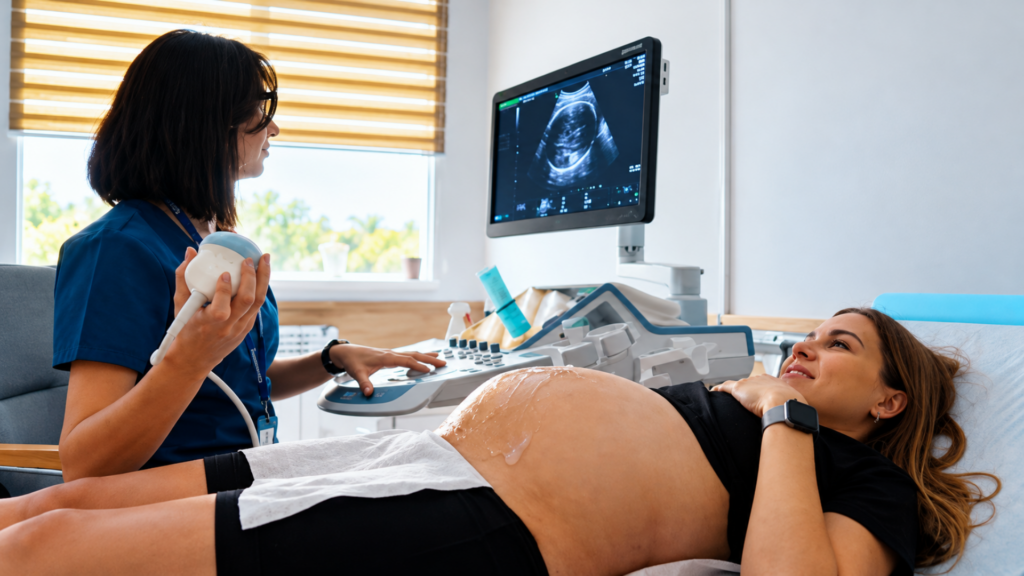
That number, 0.034%, is the share of autism diagnoses in Sweden the researchers estimate could be tied to TORCH infections. For severe intellectual disability, the share reaches about 1.2%. Rarity explains the gap: the study recorded about 2.5 infected babies for every 10,000 births. Reneé Gardner, a researcher on the team, stresses that mother-to-child transmission of these infections is unusual, though affected children face clearly higher risks.
Prevention starts with vaccination before pregnancy, which protects against rubella. CMV has no vaccine, and the CDC says about 1 in 200 babies is born with it, with roughly 1 in 5 of those facing long-term problems such as hearing loss. Sjöqvist recommends good hand hygiene and avoiding young children’s saliva and urine during pregnancy. For toxoplasmosis, he advises washing vegetables, skipping undercooked meat, and taking care around cat feces.
The strongest case for prevention sits inside the study itself. By the mid-1990s, rubella had virtually disappeared in Sweden after national vaccination arrived, and infection rates in the register fell with it. Sjöqvist cautions that rubella outbreaks are growing more common in countries where fewer people are vaccinated. Every case of congenital rubella that never happens in those places is a child who never appears in a data set like this one.