

Products are selected by our editors, we may earn commission from links on this page.
Scientists may have uncovered an important clue explaining why a small number of people develop heart inflammation after receiving an mRNA COVID-19 vaccine. A study published in Nature Communications suggests that hidden vulnerabilities in mitochondria, the tiny structures responsible for producing energy inside cells, could make certain individuals more susceptible to myocarditis. The condition is a rare but recognized complication following vaccination, particularly among adolescent boys and young men, although it can occur in other groups. Researchers believe their findings could help explain why most vaccinated people never experience this complication while a small minority develop heart-related symptoms.
The Rare Side Effect Is Known as Myocarditis

Myocarditis occurs when the heart muscle becomes inflamed, potentially affecting how efficiently the heart pumps blood throughout the body. The condition has been documented in rare cases following mRNA COVID-19 vaccination, with reports occurring most frequently among adolescent boys and young adult men, particularly within a week after a second dose. Symptoms can include chest pain, shortness of breath, and a racing or irregular heartbeat, although the severity varies between patients. According to the Centers for Disease Control and Prevention, most patients with myocarditis following vaccination have experienced improvement in their symptoms, but medical evaluation remains important whenever concerning heart symptoms develop.
Researchers Investigated an Unexpected Part of the Cell
Instead of focusing exclusively on the immune system, researchers investigated whether mitochondria could help explain why certain people are more vulnerable to vaccine-associated myocarditis. Mitochondria generate much of the energy needed for normal cellular activity, making them especially important in heart muscle cells that must work continuously. The scientists discovered signs of mitochondrial abnormalities in heart tissue samples from patients who had experienced myocarditis after vaccination, suggesting that the condition may involve more than an unusually strong immune response. Their findings introduced the possibility that previously unnoticed weaknesses in cellular energy systems could contribute to the development of inflammation.
Hidden Mitochondrial Problems May Increase Vulnerability

The researchers proposed that some individuals may have mitochondrial vulnerabilities that remain largely unnoticed during ordinary conditions because healthy cellular mechanisms compensate for the underlying damage. However, when the cells experience additional stress, these hidden weaknesses may become more significant and interfere with normal heart function. The study suggests that vaccination-related biological responses could expose this vulnerability in certain susceptible individuals, potentially contributing to inflammation. Importantly, the researchers have not established that mitochondrial abnormalities explain every case of vaccine-associated myocarditis, and the findings do not mean people with common fatigue or other nonspecific symptoms have this risk factor.
Experiments With Mice Provided Additional Evidence

To investigate their theory, the scientists studied genetically modified mice with a defect affecting mitochondrial DNA maintenance, making their mitochondria more sensitive to stress. After receiving an mRNA vaccine, these mice developed reduced heart pumping function and increased immune cell infiltration in heart tissue, findings consistent with an inflammatory response. The experiments helped researchers examine a potential biological pathway that could connect mitochondrial vulnerability with myocarditis. However, animal studies cannot fully reproduce the complexity of human biology, so the findings require additional investigation before scientists can determine how closely the mechanism applies to vaccinated people.
A Cellular Stress Reaction Could Help Explain the Inflammation
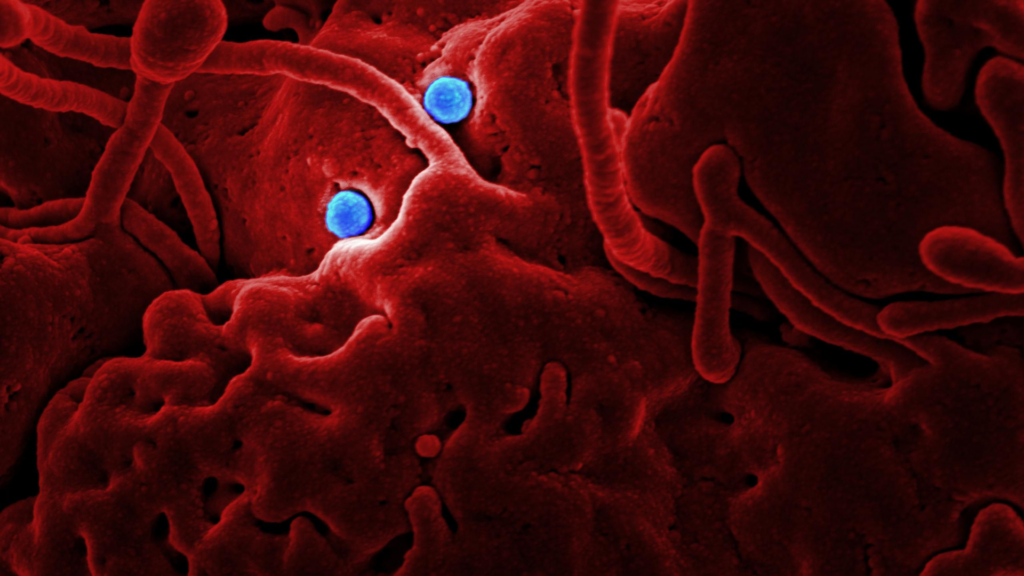
The researchers found that mRNA vaccination increased the production of reactive oxygen species within mitochondria in their experimental model. These highly reactive molecules are produced naturally during cellular activity, but excessive amounts can contribute to oxidative stress and damage important cell structures. The study also identified activation of RIPK3, a protein involved in a form of inflammatory cell death known as necroptosis, suggesting a possible pathway through which mitochondrial stress could damage heart tissue. This discovery offers a potential explanation for how an underlying cellular vulnerability might contribute to inflammation, although further human research is necessary to confirm the process.
Estrogen Signaling May Offer Another Important Clue

Another notable finding involved estrogen signaling, which researchers investigated because vaccine-associated myocarditis has been reported more frequently in younger males than in females. In the mouse experiments, a medication called bazedoxifene, which affects estrogen receptors, helped prevent the decline in heart function observed after vaccination. The results suggest that estrogen-related biological pathways may influence how vulnerable heart cells respond to mitochondrial stress. However, the experiment does not establish bazedoxifene as a treatment or preventive medication for vaccine-associated myocarditis in humans, and patients should not use hormone-related drugs for this purpose without established medical guidance.
The Risk Remains Low for Most Vaccinated People

Although the research provides a possible explanation for a recognized side effect, myocarditis after mRNA COVID-19 vaccination remains uncommon. The study cited an estimated incidence of approximately one case per 10,000 vaccinated males ages 12 to 30 and approximately one per 100,000 people in the remaining population, although estimates vary according to vaccine product, dose, age, sex, and study methods. The CDC continues to recognize myocarditis and pericarditis as rare vaccine-associated adverse events and monitors reports through multiple safety surveillance systems. The new findings should therefore be understood as an effort to explain an uncommon complication rather than evidence that most vaccinated individuals face significant heart damage.
Scientists Still Need to Confirm the Findings in Humans

While the researchers identified a promising biological mechanism, the study does not yet provide a clinical test capable of predicting who will develop myocarditis after vaccination. The findings were supported by patient tissue observations and experimental mouse models, but larger human studies are needed to determine whether mitochondrial vulnerability consistently contributes to the condition. Scientists must also investigate whether the same pathway appears in different age groups, vaccine formulations, and individuals with varying medical histories. Understanding these differences could eventually help researchers identify people at greater risk and explore targeted preventive strategies, but those possibilities remain subjects for future investigation.
The Discovery Could Help Researchers Better Understand Vaccine Safety

The discovery of a possible connection between mitochondrial vulnerability and vaccine-associated myocarditis offers scientists a new direction for investigating a rare but important safety concern. By examining how cellular energy systems, oxidative stress, and inflammatory signaling interact, researchers may eventually develop a clearer understanding of why certain individuals experience heart inflammation while most do not. For patients, the immediate advice remains unchanged: seek medical attention for chest pain, shortness of breath, or unusual heart palpitations following vaccination, and discuss individual vaccine risks and benefits with a healthcare professional. The findings represent progress toward understanding a rare complication, but they do not establish a new treatment or change the importance of evaluating vaccine safety using the full body of scientific evidence.