

Products are selected by our editors, we may earn commission from links on this page.
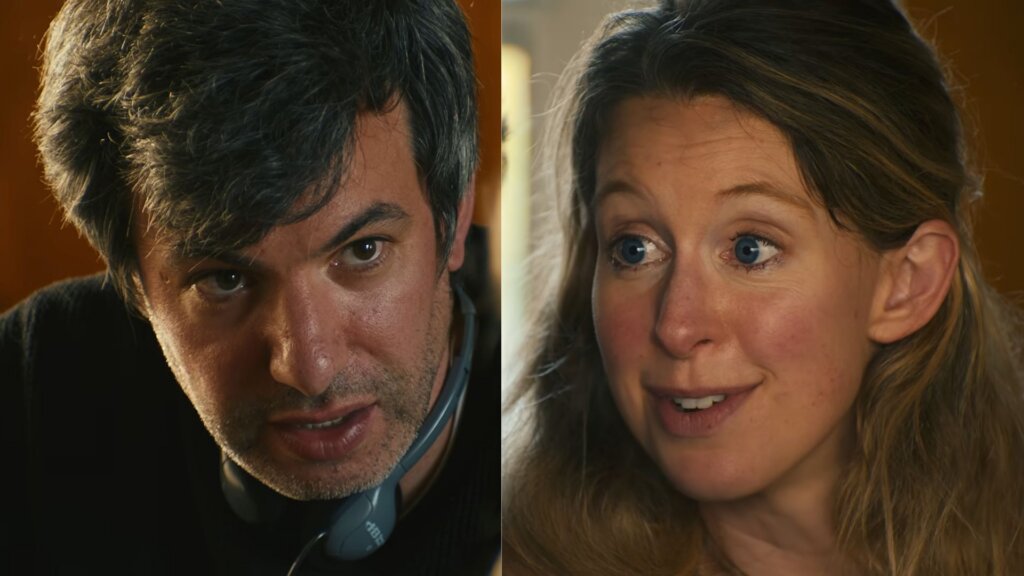
Nathan Fielder checked his phone one morning and found two missed calls from a prison number. Then a third came in. It was Elizabeth Holmes, and Fielder told WIRED the two had not spoken in more than six months. She was calling just before You Can See Everything, the documentary he co-directed about her final 34 days of freedom, opened in theaters.
A Secret Film Finally Reaches Theaters
You Can See Everything opened in US theaters on Friday, October 16. The film was shot largely in secret, and Fielder has said that kept outside attention from changing how the subjects behaved. A surprise trailer in September brought it into the open. Some critics have called it the movie of the year, and a few have wondered whether it could become the first documentary nominated for best picture.
34 Days Inside the Holmes Household
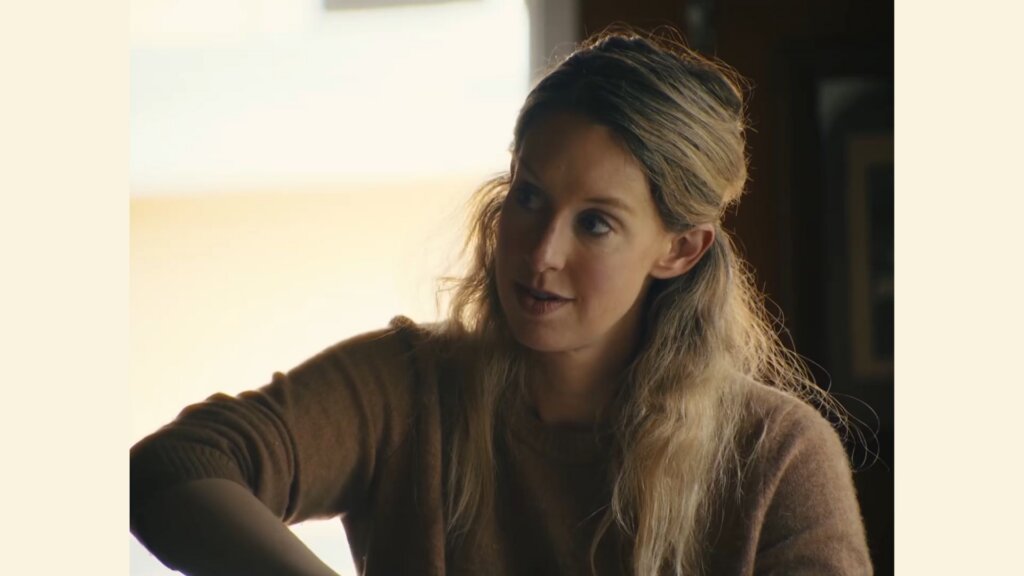
The film, co-directed by Fielder and Lance Oppenheim, follows Holmes, her partner Billy Evans, and their two young children through the 34 days before she reported to prison in May 2023. Microphones pick up her breathing as she reads bedtime stories, sometimes for 12 hours a day. Evans whisks eggs and corrects her cooking. Much of it is shot in extreme close-up, catching every zit, wrinkle, and bead of sweat.
An Unlikely Filmmaker for an Unlikely Subject
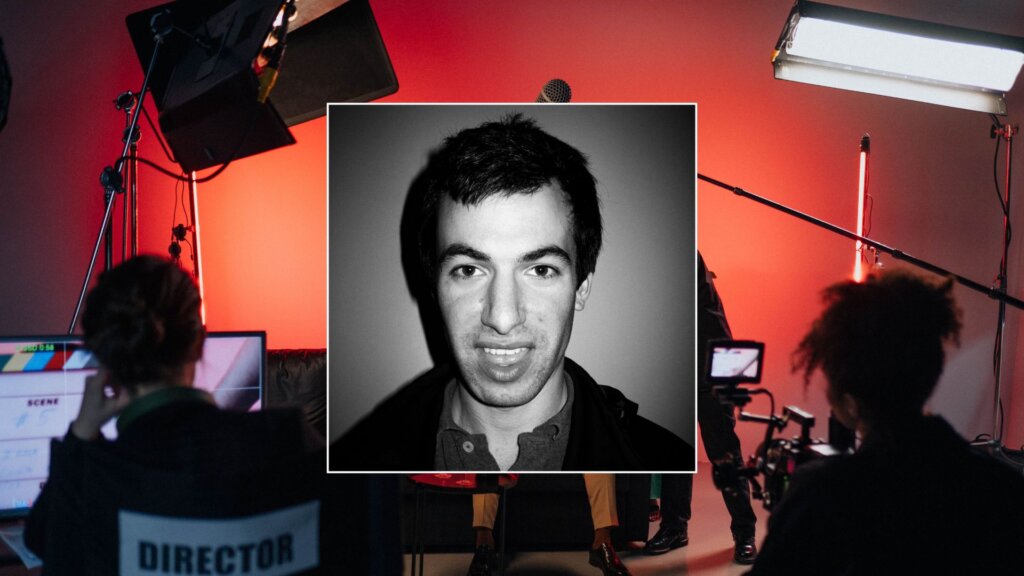
Fielder, a comedian, seems an unexpected pick to document Holmes. He built his name on Nathan for You and The Rehearsal, shows full of elaborate schemes and deliberate awkwardness, and his work often probes the difference between how people picture themselves and how others see them. In the film, he admits his doubts, wondering why Holmes wanted him and whether his lack of scientific knowledge makes him easy to fool.
A Stanford Dropout With a Big Promise
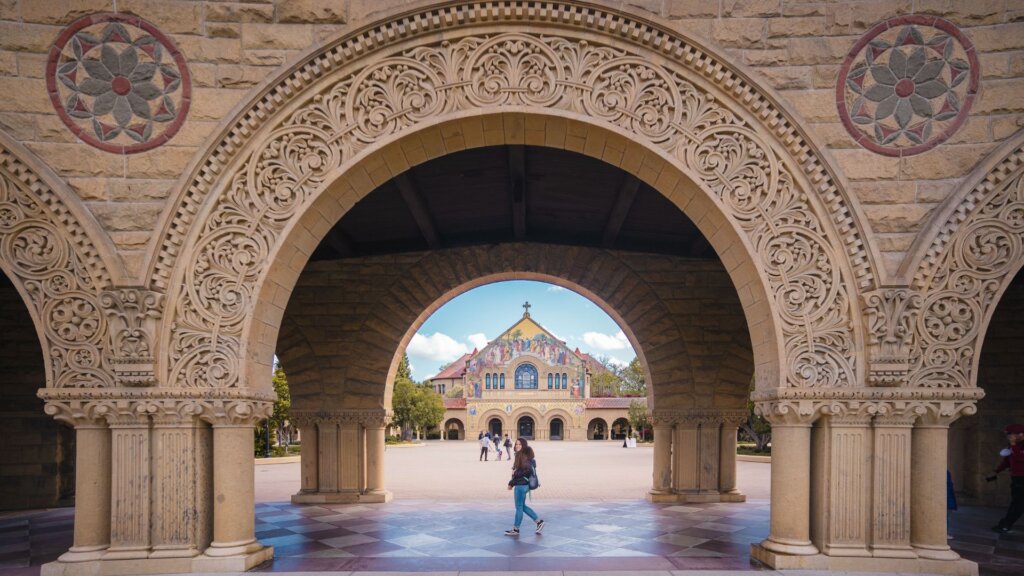
Theranos started in 2003, when a 19-year-old Holmes dropped out of Stanford University. Her pitch for the multibillion-dollar blood-testing industry promised hundreds of tests from a few drops of blood, using microfluidics. The timing helped. Margaret O’Mara, a history professor at the University of Washington, says Silicon Valley was being asked why so many brilliant people were only building apps, and Theranos looked like technology aimed at something meaningful.
The Voice Changed on Stage
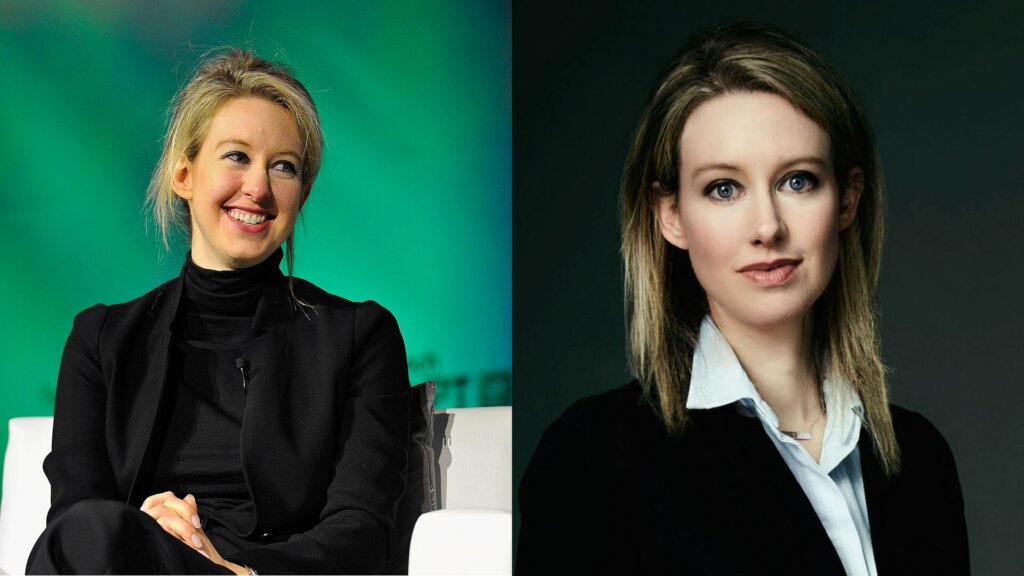
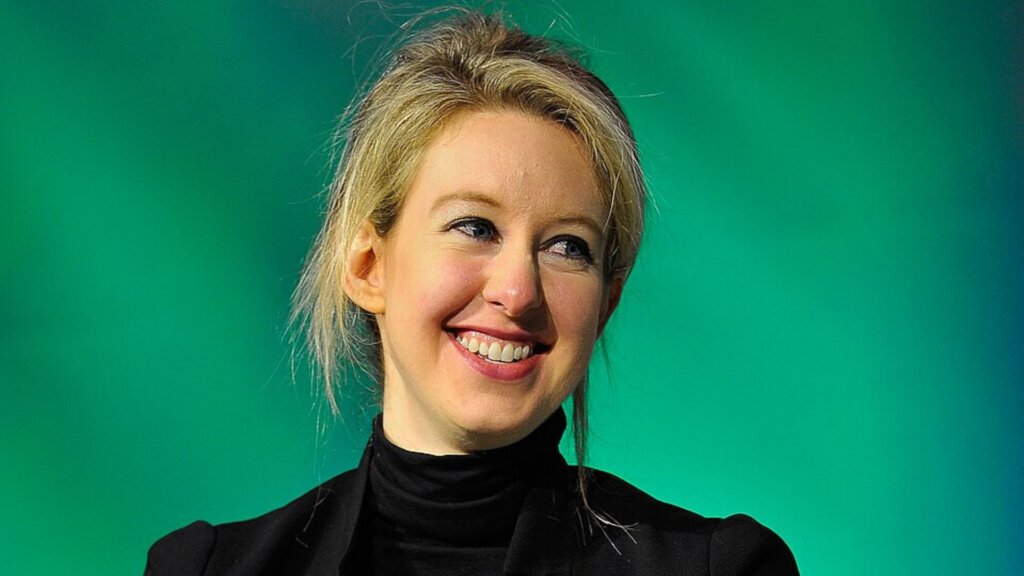
Holmes built a persona around a husky voice, an unblinking gaze, and a black turtleneck that nodded to Steve Jobs. Medical oncologist David Agus saw another side when he interviewed her on stage at a health conference. Backstage, she had been personable and pleasant. In front of the audience, he says, her accent changed, and her voice deepened, as though he were talking to a different person.
A Board Full of Heavy Hitters
Her investors and board members included Rupert Murdoch, Larry Ellison, Carlos Slim, Henry Kissinger, and George Shultz. With Ramesh “Sunny” Balwani, a businessman 19 years older and, in secret, her romantic partner, she raised $945 million. Theranos had published no peer-reviewed data, but Holmes was persuasive in a boardroom. Agus says she could speak up in a room full of people mid-discussion and have everyone follow her lead.
The Billionaire With an Empty Fridge
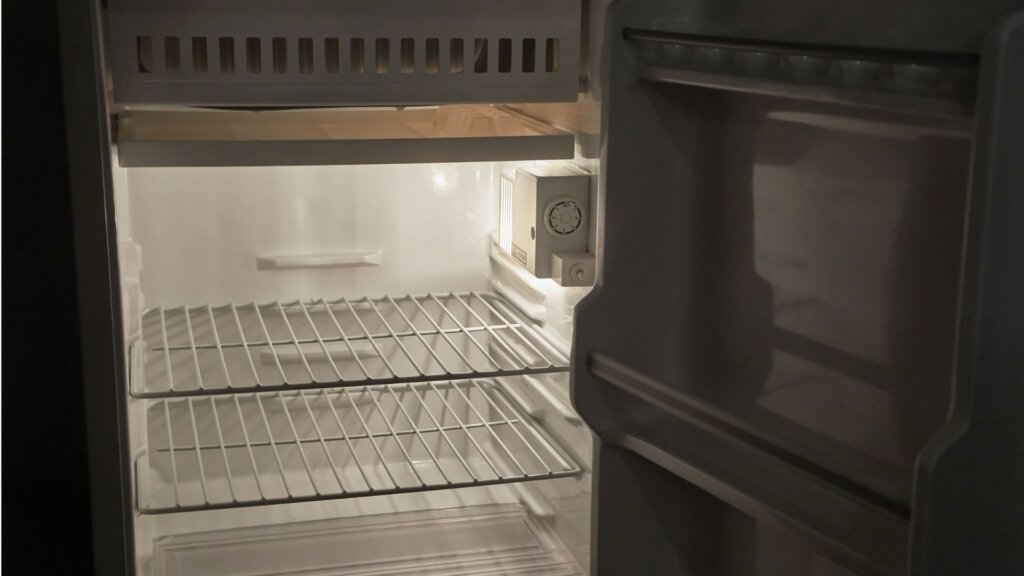
By 2014, Theranos was valued at $9 billion. By the time Holmes turned 30, her net worth stood at $4.5 billion, making her the youngest self-made female billionaire in the US. Magazine covers and power lists followed. The New Yorker described a routine with no vacation in ten years and an almost empty refrigerator. A vegan green blend of cucumber, parsley, kale, spinach, romaine, and celery several times a day.
The Statesman Who Took Her Calls
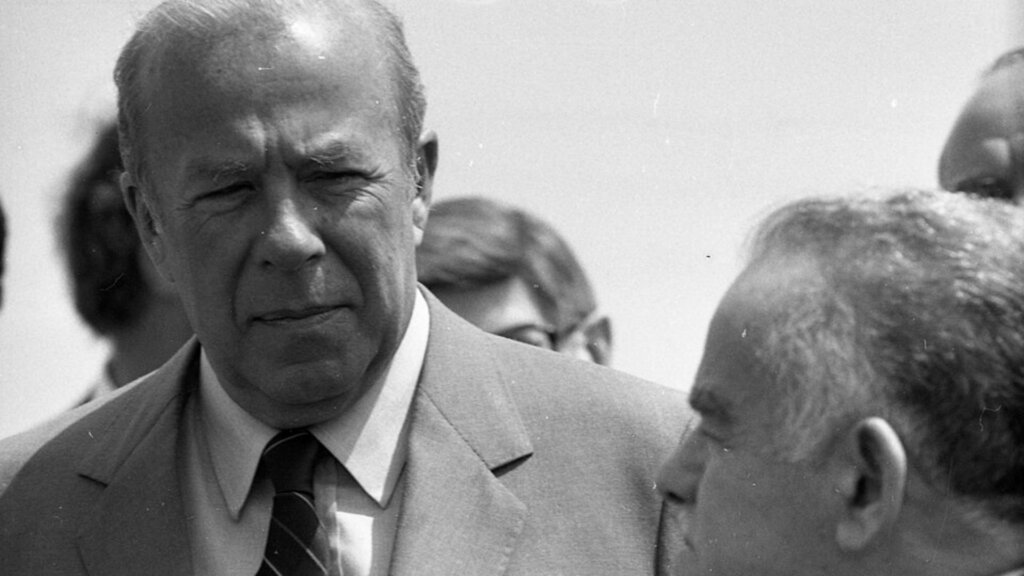
A former secretary of state joined the Theranos board in 2011, in his 90s, with no specialist background in laboratory diagnostics. According to biographer Philip Taubman, George Shultz spoke with Holmes by phone almost daily and invited her to family Christmas dinners. Holmes encouraged the attention, leaning in close when they sat together, and people around Shultz worried his enthusiasm had become tangled up with personal affection.
The Grandson Who Spoke Up
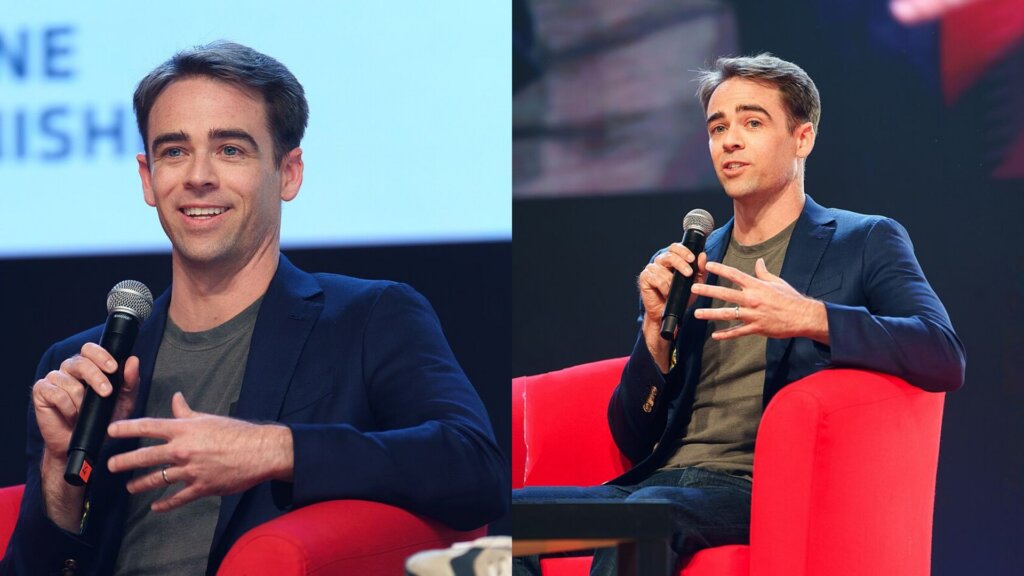
Shultz’s grandson, Tyler, interned at Theranos one summer at his encouragement. Tyler became convinced Holmes was overstating what the technology could do, and he took his concerns to the Wall Street Journal, whose investigation helped unravel the company. Her lawyers pursued Tyler; he was placed under surveillance, and he looked to his grandfather for protection. George Shultz declined to break with Holmes and died in 2021, at 100.
The Scientists Who Asked for Data
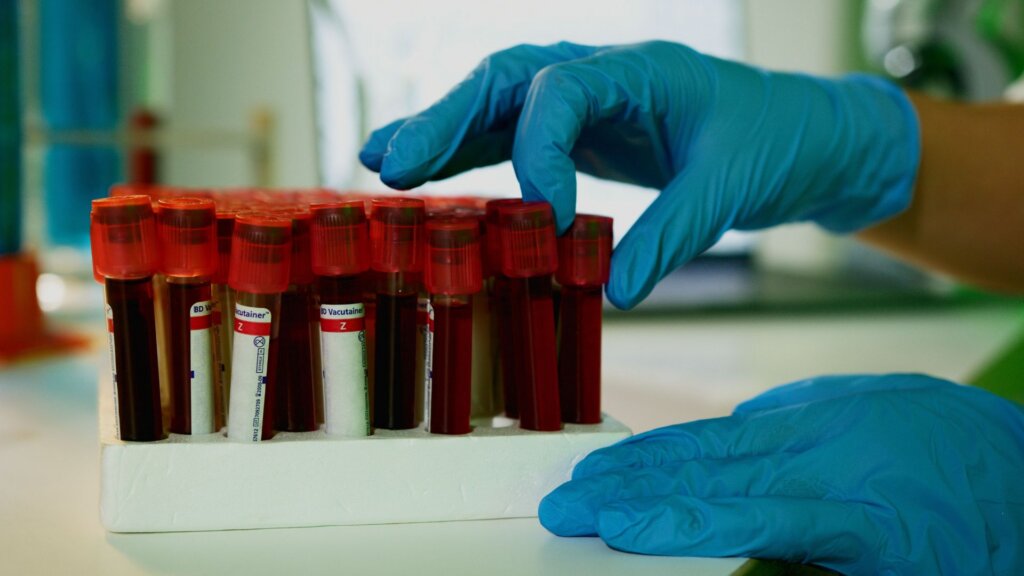
Outside the boardroom, scientists were asking questions. Agus asked how Theranos got around the clotting and clogging that come with tiny blood samples, and got no answer – his first red flag. At Stanford, medicine professor John Ioannidis wrote a 2015 JAMA commentary on the lack of peer-reviewed evidence. He says the company wanted him to recant, and when he asked for validation data, it cited more than 100 patent filings.
How the Rise Ended
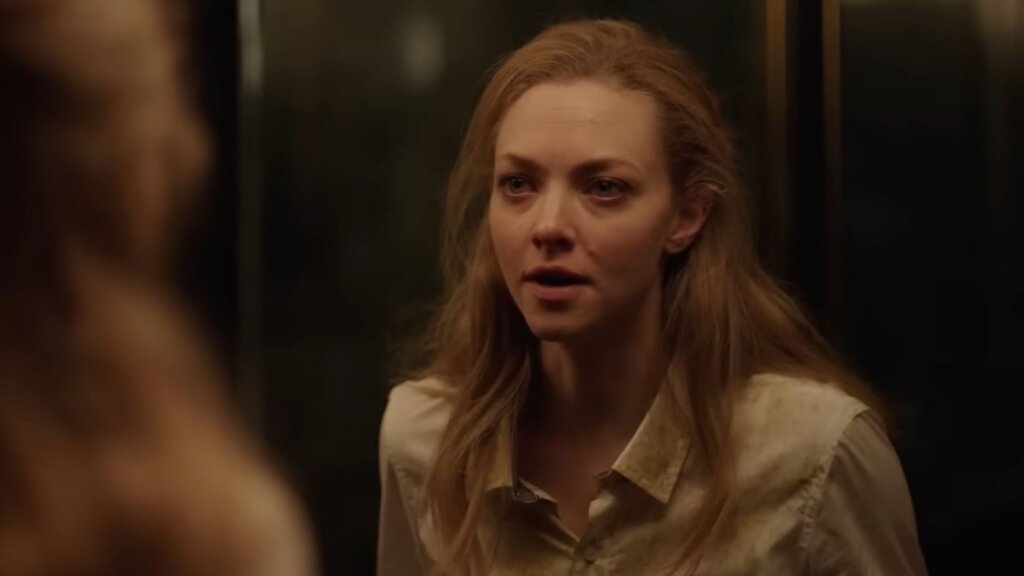
Holmes stepped down as chief executive in 2018, and the company collapsed that year. In 2022, she was sentenced to more than 11 years in prison for fraud and conspiracy. The saga has already been covered in a book, several podcasts, and The Dropout, the mini-series starring Amanda Seyfried. She reported to federal prison camp Bryan in Texas in May 2023, where the 34 days Fielder filmed with her ended.
She Is Not the First to Let Cameras In
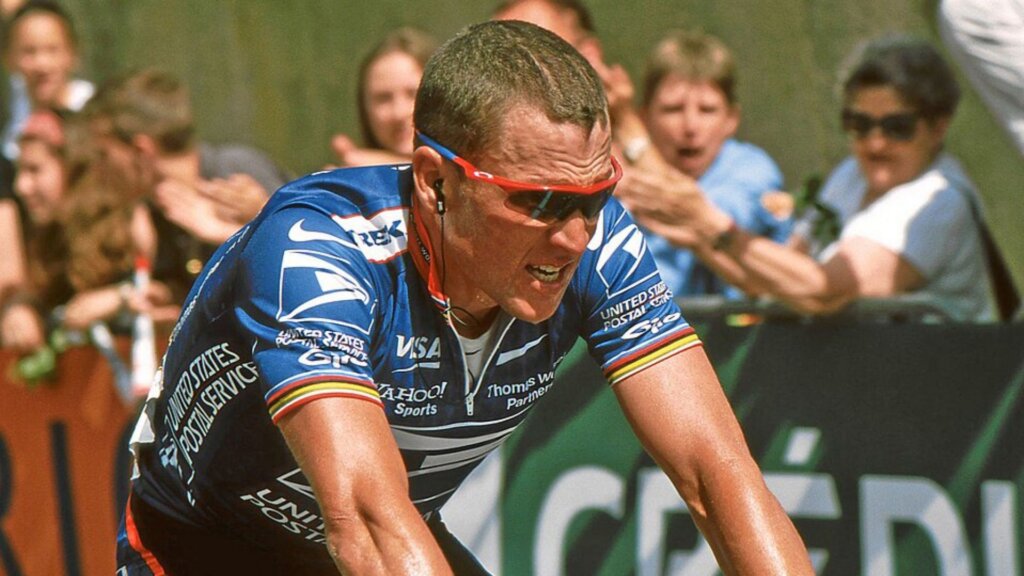
Holmes is far from the first to let documentary cameras in. Lance Armstrong, Imelda Marcos and Anthony Weiner did it too. Armstrong’s film was expected to be a puff piece until the doping came out, and he admits in The Armstrong Lie that he was prepared to say anything. Holmes still insists she has done nothing wrong, and in the film she says she has nothing to hide.
The Question of Being Real
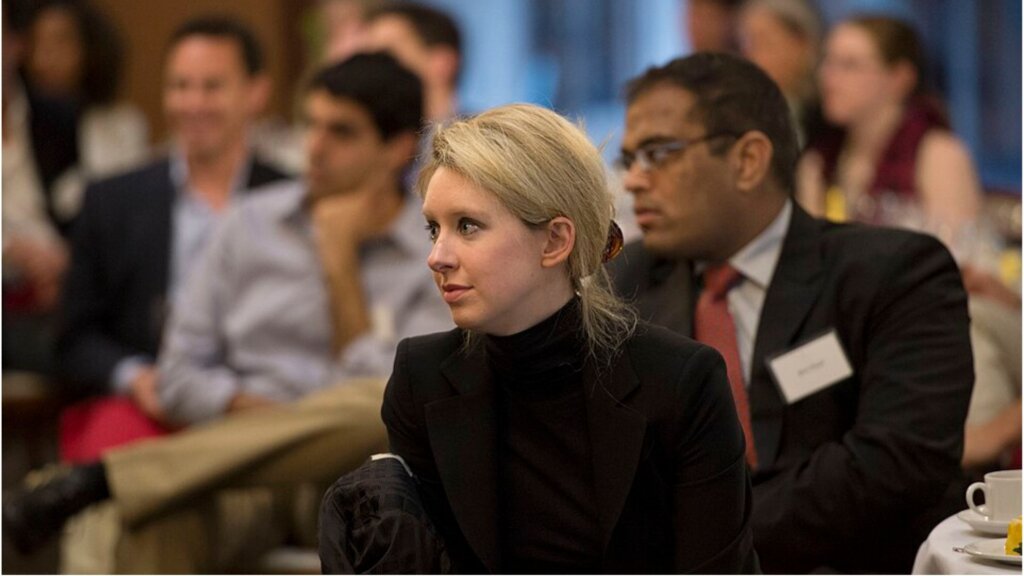
Evans says the best way for people to understand Holmes is to give them as much access to their daily lives as possible. Fielder presses her on whether she is being real with him, and Holmes insists she always is. Elsewhere in the film, she says the world believes a reality about her that is not true, then asks what the reality is.
More Than 200 Cameras
The film shows Holmes posing for more than 200 cameras, about a third of the way in. Before reporting to prison, she had her likeness scanned so a digital version of her can appear through video, hologram, and artificial intelligence during her sentence. Part of the reason was business. Even so, the session leaves her in tears, and she says she has a weird history with being on camera.
Theranos 2.0 Was Already in the Works
While the cameras rolled in the weeks before her sentence began, Holmes and Evans were actively planning a new healthcare startup, which the couple refers to as Theranos 2.0. Later, in 2025, two years into her sentence, Evans sought $18.5 million for a company called Haemanthus, which is said to hold patents for a device that claims to scan blood, urine, and saliva samples using lasers.
The Director Who Meant to Stay Off Camera
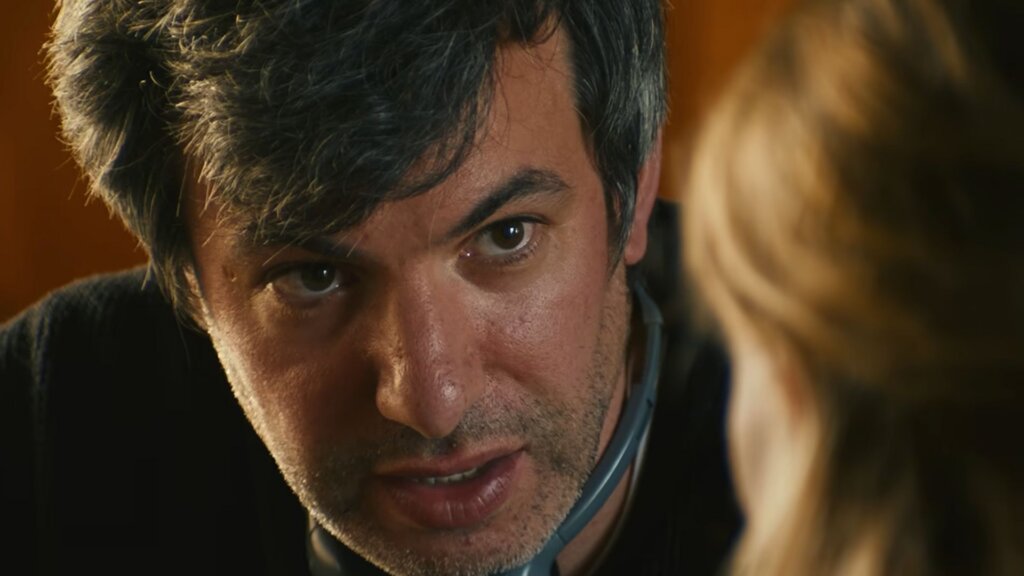
Fielder first planned to stay off camera. As filming went on, he started talking with Holmes and Evans and sometimes challenging accounts he found misleading, because, he told WIRED, the crew could not let the pair run whatever show they wanted. In the film, he also compares Holmes to a magician and wonders whether she may be the most manipulative person who has ever lived.
A Goodbye With Hair Dye and Sunglasses
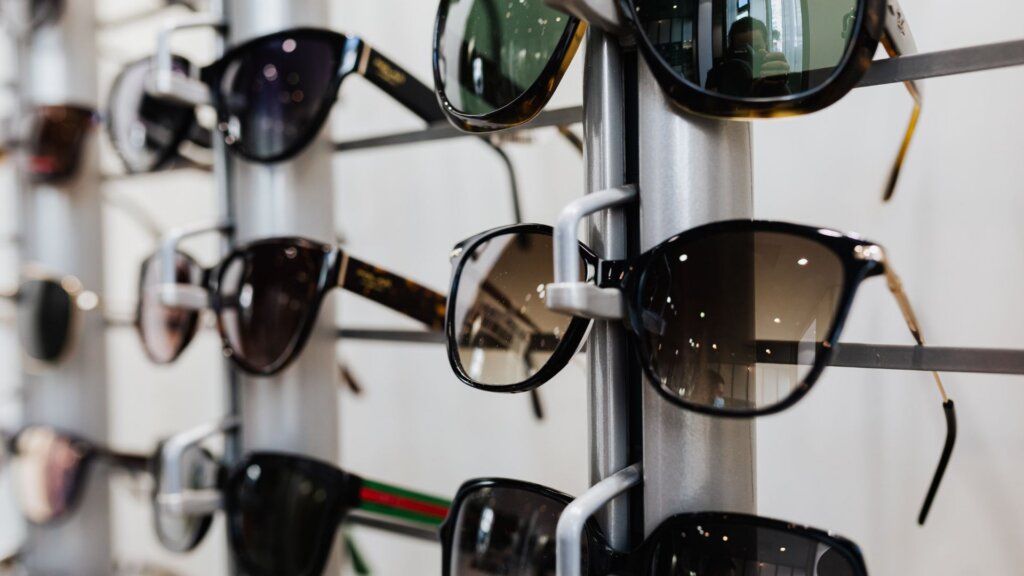
Before she left for prison, Fielder handed Holmes a gag gift of hair dye and sunglasses, in front of her parents, so she could go on the run. At the car, the two embraced and stared at each other awkwardly. Then Holmes, the one headed to prison, told him, “You’ve got this.” After 34 days of trying to figure her out, Fielder was the one getting the pep talk.
The Third Call
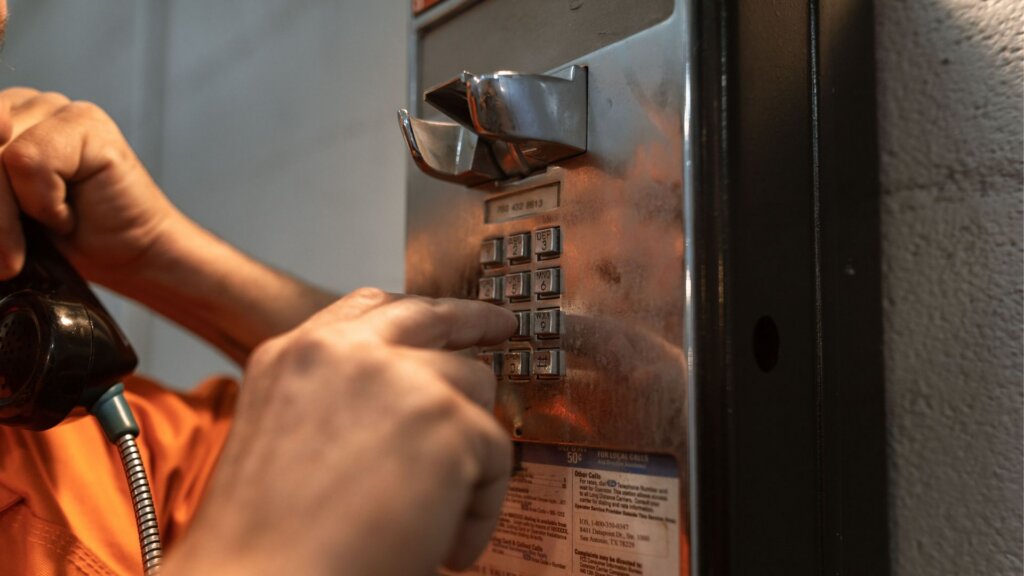
Fielder had heard that Holmes had to call repeatedly from prison because people cannot call back. He answered the third call and asked about the film. She had heard a few things but read little of the coverage. Then she said it. “I trust you.” He replied, “OK, thanks.” They talked about her kids and updates he would not share. Before hanging up, she said it again. “I trust you.”
A Question Still Open
Why say it twice? WIRED’s interviewer suggested the simplest reading is that Holmes trusts him to tell her story, but Fielder said he couldn’t speculate. The call came out of the blue, and he didn’t even know she could still reach out to him. History professor Margaret O’Mara says who the real Holmes is remains unanswered. Thirty-four days of footage and one phone call later, Fielder has one more thing about Holmes he cannot explain.