

Products are selected by our editors, we may earn commission from links on this page.
You check the mirror every day and think you know your own face. Then something looks different. A bit puffy. A little pale. A rash you blame on the sun. Most changes are harmless and pass quickly. But sometimes the first hint that something is happening inside your body shows up on your face. Learning which changes matter can help you act sooner, and one of them is an emergency.
A Drooping Face Is the One Change That Calls for 9-1-1
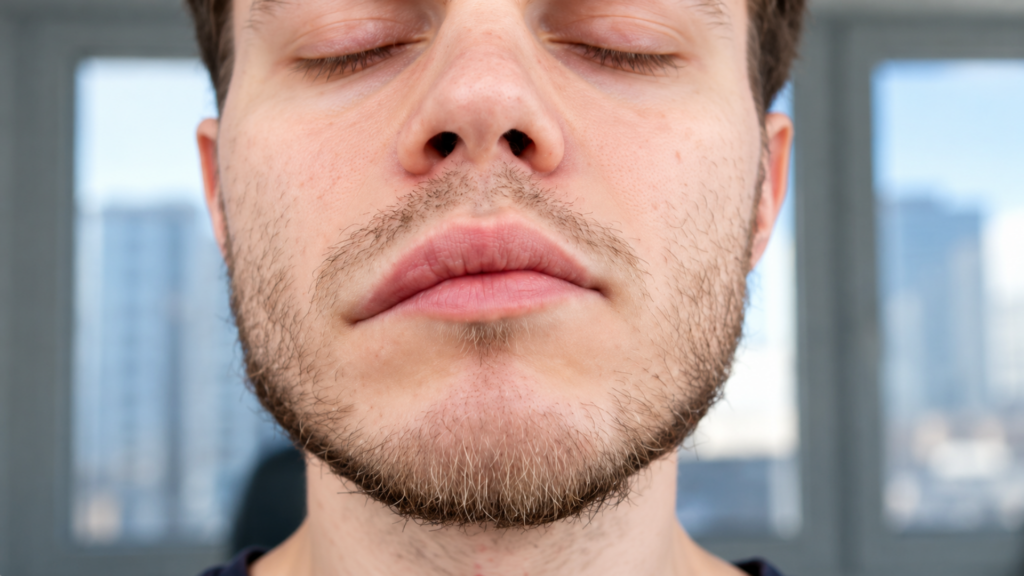
A drooping face can be a sign of a stroke. One-sided facial weakness is a warning, especially with weakness in an arm, slurred speech or trouble talking. Confusion, vision problems, loss of balance or a severe headache with no known cause are other red flags. Bell’s palsy can also cause drooping, and only a medical professional can tell the two apart. If you see these signs, call 9-1-1 right away.
Yellow Eyes Can Point to a Liver or Bile Duct Problem
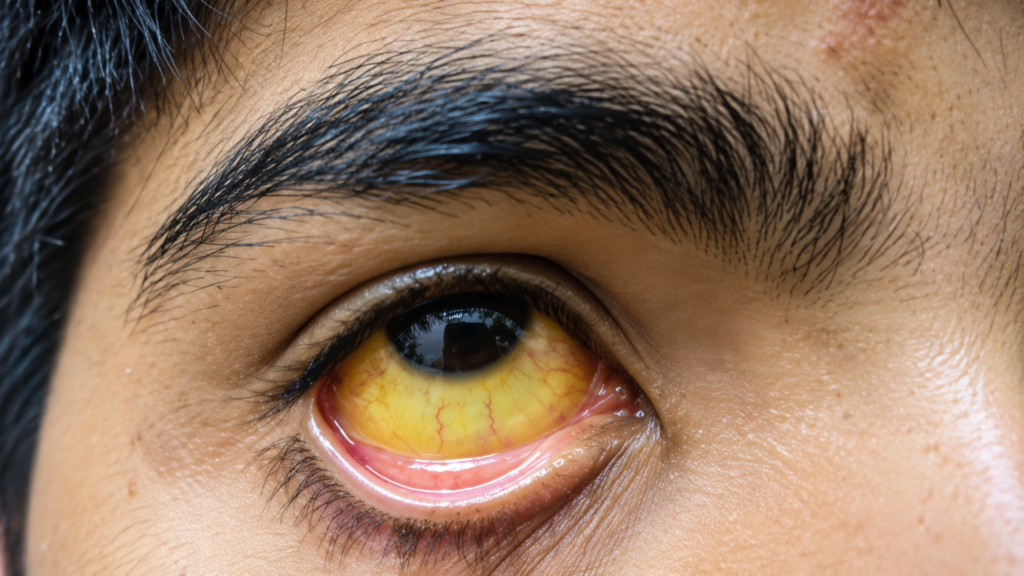
Yellow eyes can point to a liver or bile duct problem. Yellowing of the whites of the eyes, with or without yellow skin, is called jaundice. It happens when too much bilirubin builds up in the blood. Causes include liver disease, blocked bile ducts, gallstones and some blood diseases. Early signs can be subtle, especially in artificial light. A newly noticed yellow tint in an adult should be checked by a doctor.
Pale Skin Is a Clue to Anemia, but Not Proof
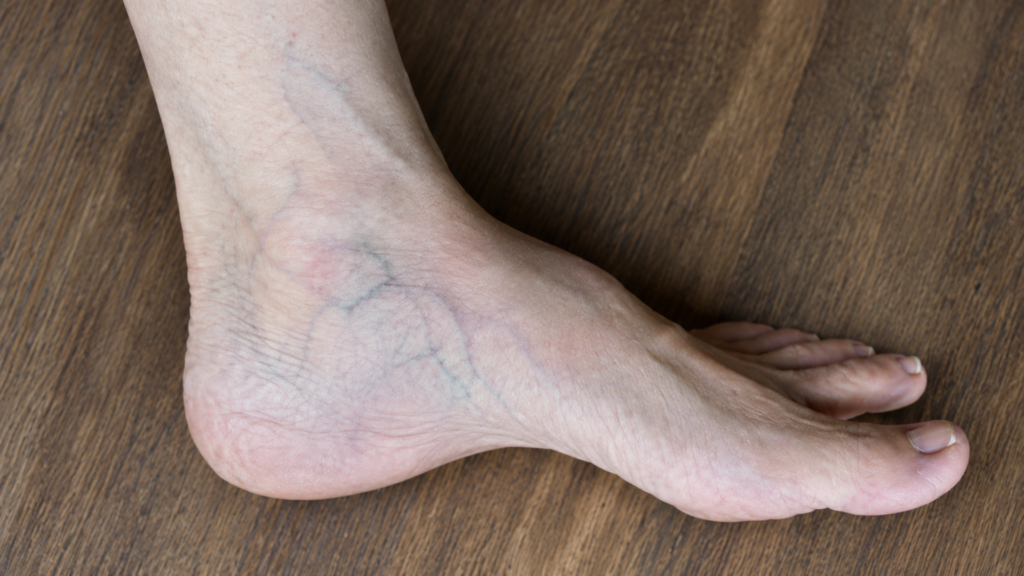
Pale skin can be a clue to anemia, but it is not proof. Paleness on the face, lips or inner eyelids may go with anemia, especially with fatigue, weakness, dizziness, shortness of breath or a fast heartbeat. Causes include iron deficiency, blood loss, vitamin deficiency and chronic disease. Skin tone varies from person to person, and lighting changes how it looks. Only a blood test can show whether you are anemic.
Cheek Redness Can Be Harmless or a Warning
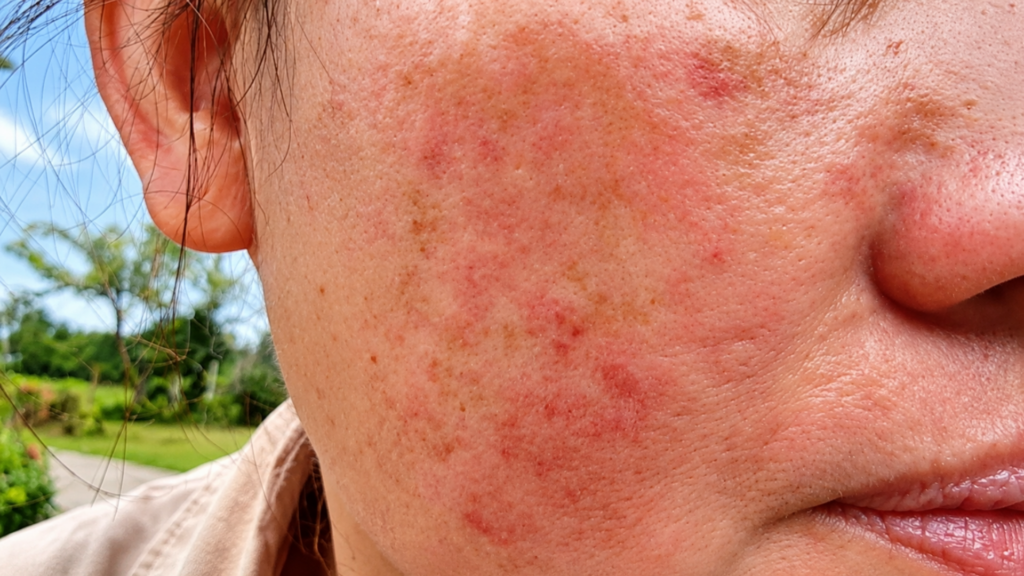
Redness on your cheeks can be harmless or a warning. Lupus may cause a red or purplish rash across both cheeks and the nose, often called a butterfly rash. It can get worse in the sun. Rosacea and other skin disorders can look similar. Redness that does not go away, especially in the center of the face, may be rosacea. Some autoimmune and hormone conditions also cause flushing, so ask a doctor.
Puffy Eyes Are Usually Nothing, but Lasting Swelling Deserves a Check
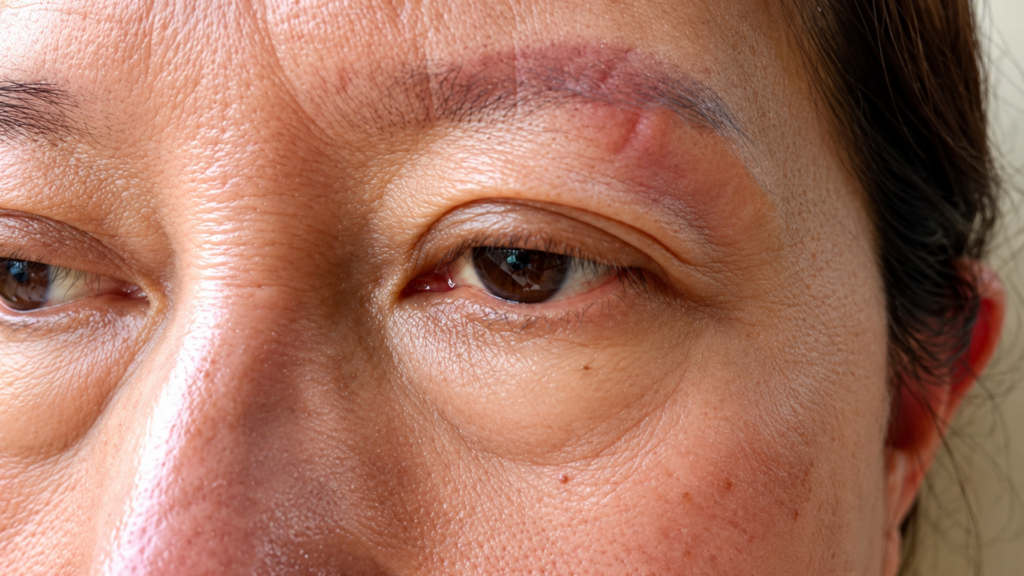
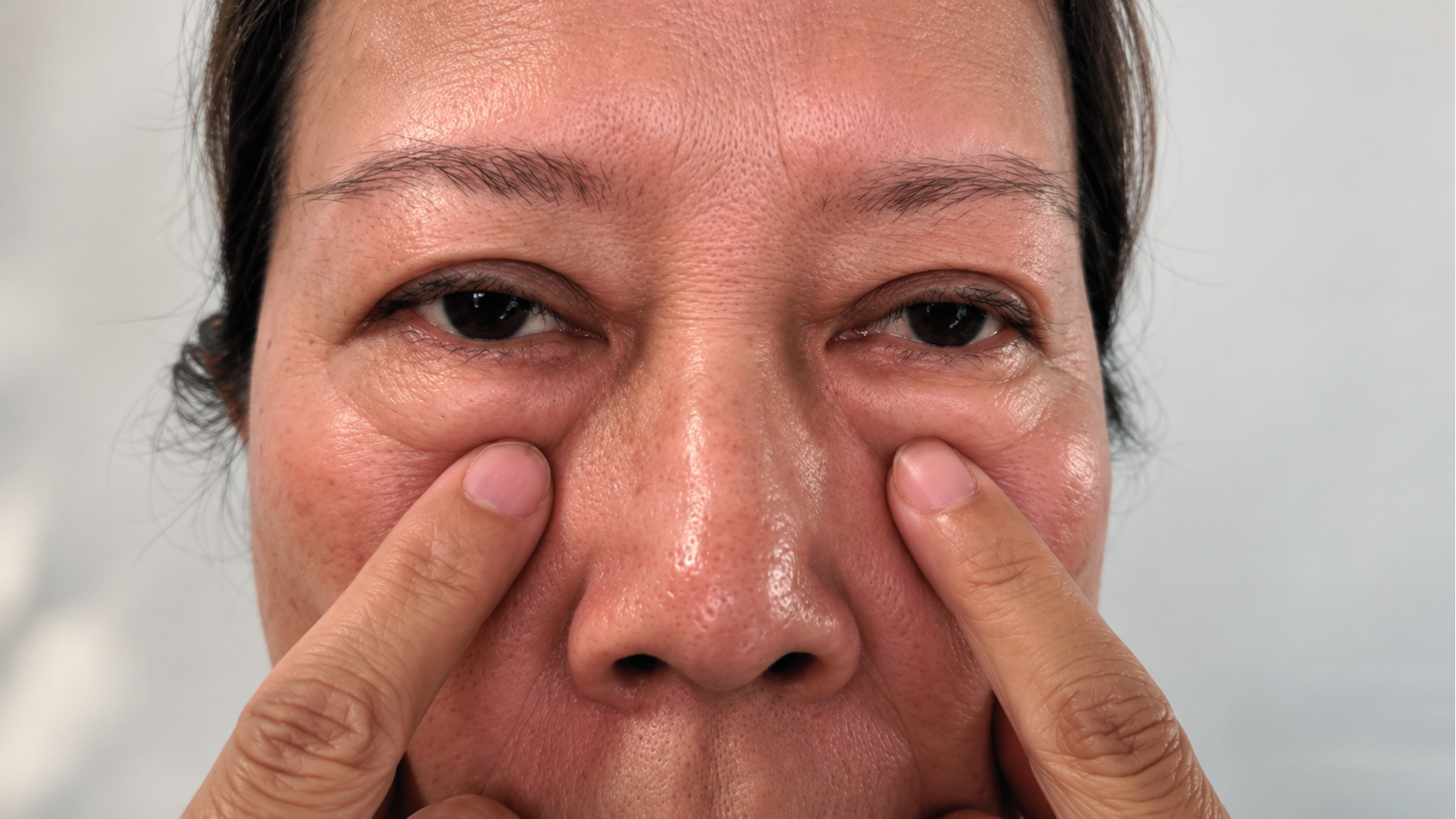
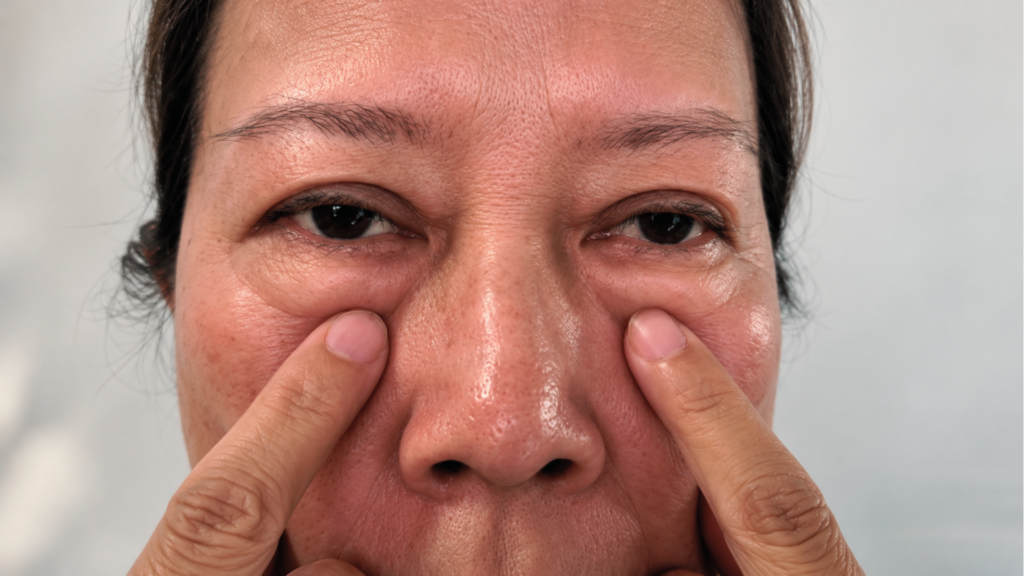
Puffy eyes are usually nothing, but lasting swelling deserves a check. A poor night’s sleep, allergies, crying or salty food can cause them. Long-term swelling can go with kidney disease, especially if fluid builds up elsewhere. Swollen eyelids can also come from an overactive thyroid, infection or inflammation. Get medical care right away for shortness of breath, swelling around the face, fever, intense pain or vision changes.
Bulging Eyes Can Signal a Thyroid Problem
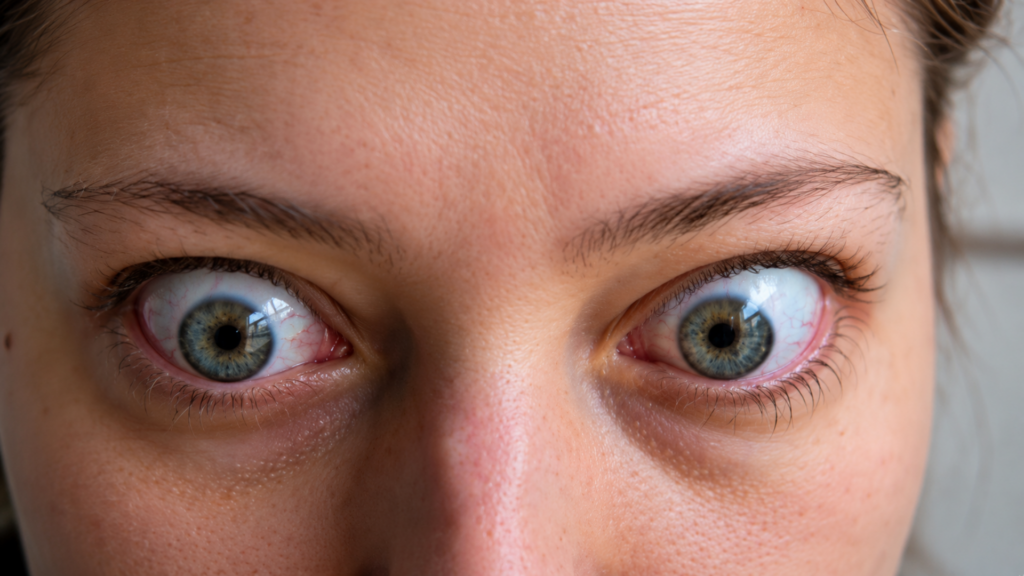
Bulging eyes can signal a thyroid problem. Thyroid eye disease can make the eyes protrude, and Graves’ disease is the most common cause. Other signs include dry or gritty eyes, redness, eyelid changes, double vision or trouble moving the eyes. Some people naturally have eyes that stand out, so your usual look matters. Get checked if the change is new, painful or affects your vision.
Cracked Mouth Corners and a Dark Neck Can Also Carry Clues
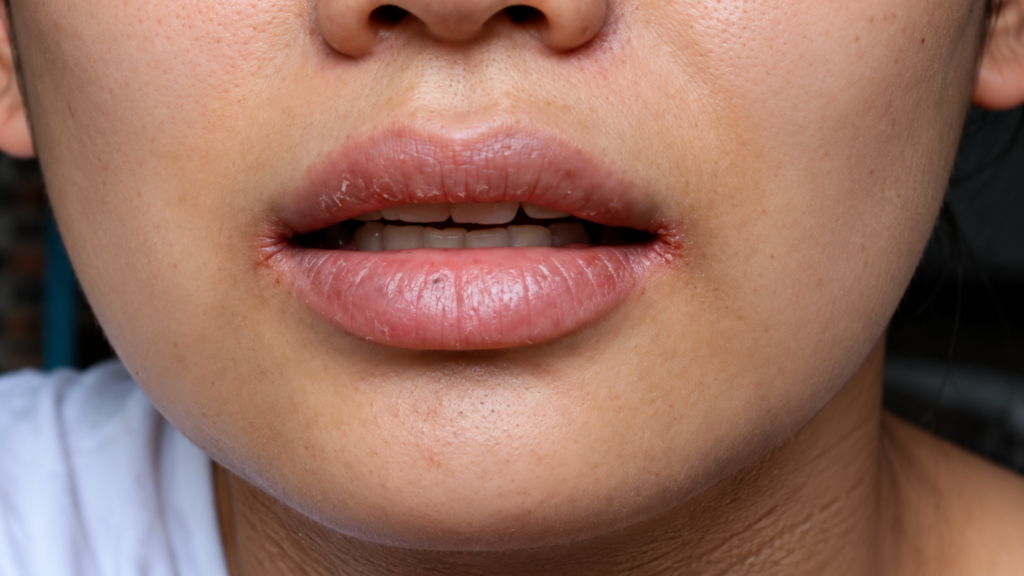
Small changes on the mouth and neck can also carry clues. Painful cracks at the corners of the mouth are called angular cheilitis. Causes include saliva, irritation, dentures and infection, and repeat cases can point to low iron or B vitamins. Dark, thick, velvety skin on the neck may be acanthosis nigricans. It sits just below the face, but it can signal insulin resistance, type 2 diabetes or polycystic ovary syndrome.
New Hair Growth or a Stubborn Twitch Is Worth Noting
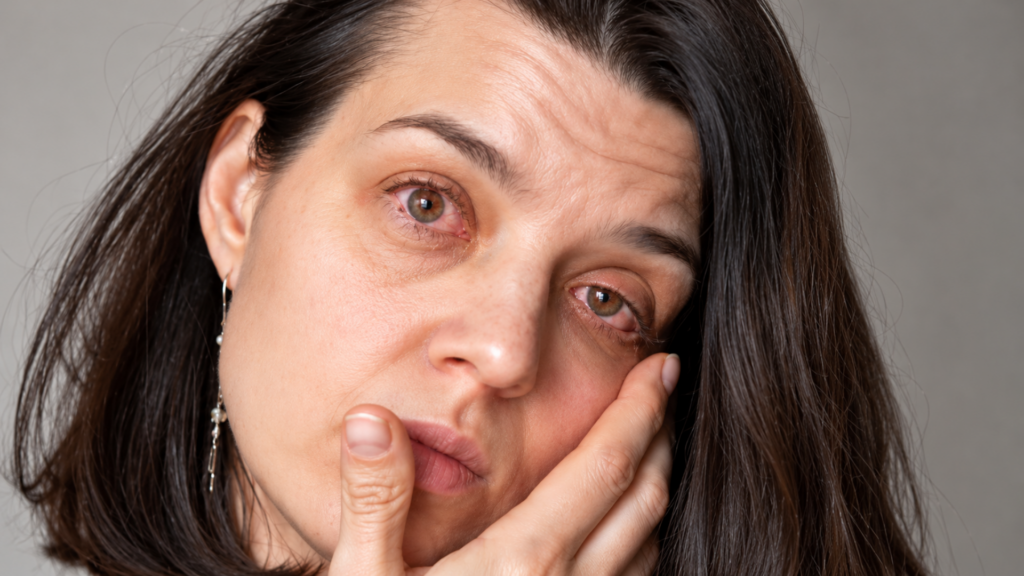
A new hair pattern or a stubborn twitch is worth noting. New dark, coarse hair on the chin, upper lip, chest or belly should be checked. Polycystic ovary syndrome is a frequent cause, especially with irregular periods, acne or thinning scalp hair. Brief eyelid twitching is common and often comes from stress, caffeine, fatigue or eye strain. Constant twitching on one side of the face may be a neurological problem.
Your Face Cannot Diagnose You, but It Can Start a Conversation

The face in the mirror cannot diagnose you, but it can start a conversation. Most signs are harmless. Timing, pain and other symptoms are what matter most. Know your own baseline, so a real change stands out. A sudden droop or confusion means 9-1-1. For the rest, a change that is new or will not go away is worth a call to your doctor.