


Products are selected by our editors, we may earn commission from links on this page.

Christina Applegate is facing an unsettling medical setback after doctors told her that she had been misdiagnosed with multiple sclerosis, more than five years after she first received the diagnosis. The actor, known for Married… with Children and Dead to Me, revealed the news on her podcast, MeSsy, explaining that her symptoms have not disappeared and that she still struggles with mobility and daily activities. For years, the diagnosis had given her a possible explanation for the pain, numbness and other physical problems that had disrupted her life. Now, with multiple sclerosis reportedly ruled out, Applegate says she is back at square one and searching for answers about what is causing her ongoing symptoms.
Her Symptoms Began With Numbness in 2021

Applegate has said her symptoms began in January 2021, when she noticed numbness in her toes. The sensation spread into her legs, and pain developed as her physical difficulties continued. Doctors evaluated her with neurological tests, brain and spinal MRI scans, and a lumbar puncture before she was diagnosed with multiple sclerosis later that year. At the time, the diagnosis appeared to provide an explanation for the changes she was experiencing, although the underlying cause of her symptoms has now become uncertain again.
Applegate Received MS Treatment for Years

After receiving her diagnosis, Applegate underwent infusion treatments intended to manage the condition. She also spoke publicly about living with multiple sclerosis and the effects it had on her ability to work, move comfortably and handle everyday tasks. Her experience became a central part of her public conversations about chronic illness, including on MeSsy, the podcast she co-hosts with actress Jamie-Lynn Sigler, who has multiple sclerosis herself. The new information means Applegate must now reassess years of medical care while continuing to deal with the physical problems that originally led her to seek answers.
A Change in Treatment Prompted Doctors to Reconsider the Diagnosis
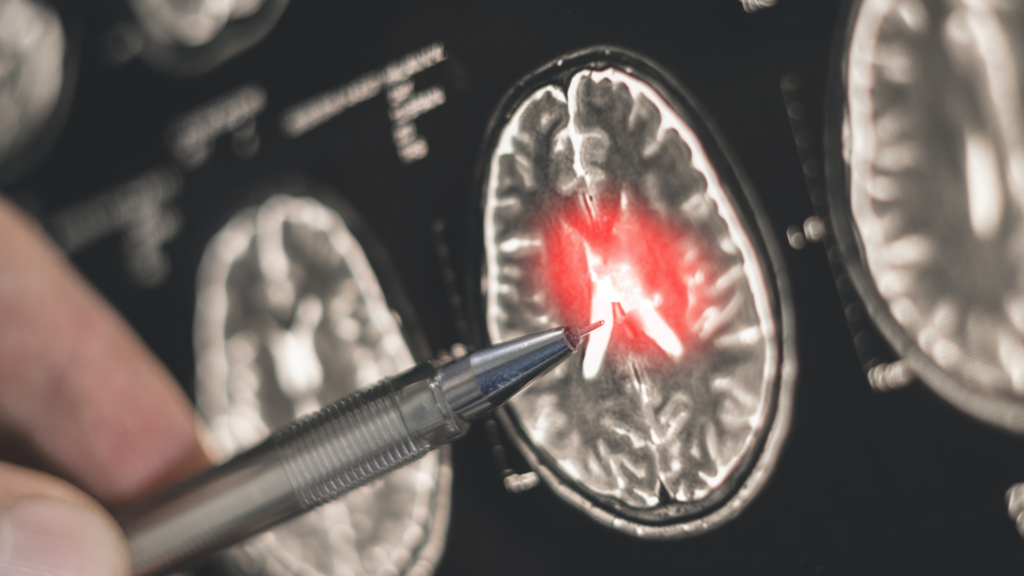
Applegate explained that her medical team began reconsidering the diagnosis after her doctor decided to stop an infusion treatment and monitor how her B cells responded. B cells are immune cells involved in the body’s immune response, and her doctor reportedly expected their levels to change after treatment stopped. Applegate said they did not increase or decrease as expected, prompting further investigation into whether multiple sclerosis was the correct explanation for her condition. A fresh review of her case, including newer imaging technology, ultimately led her medical team to conclude that she did not have MS, according to her account on the podcast.
The News Left Her Feeling Confused Rather Than Relieved

When Applegate’s doctor delivered the news, she recalled being told, “Congratulations, you don’t have MS.” Rather than feeling immediate relief, Applegate said she was unhappy and overwhelmed because the announcement did not explain why she remained so unwell. She described feeling as though she had returned to the beginning of a medical investigation, with no clear name for the condition affecting her. The news was also emotionally complicated because she had spent years understanding her experiences through the diagnosis and had built connections with others in the multiple sclerosis community.
Her Symptoms Have Continued Despite the Revised Diagnosis

Learning that she does not have multiple sclerosis has not brought Applegate’s physical difficulties to an end. She has said that she still experiences symptoms associated with the disease, including pain, weakness, tremors, fatigue and difficulty walking, and she sometimes needs a wheelchair to get from her car to a doctor’s office. She has also described problems with everyday activities, including using her hands, underscoring how much her symptoms continue to affect her independence. Applegate has emphasized that a revised diagnosis does not automatically make a person feel better, because the underlying cause of the symptoms still needs to be identified.
Doctors Must Look Beyond MRI Scans to Diagnose MS
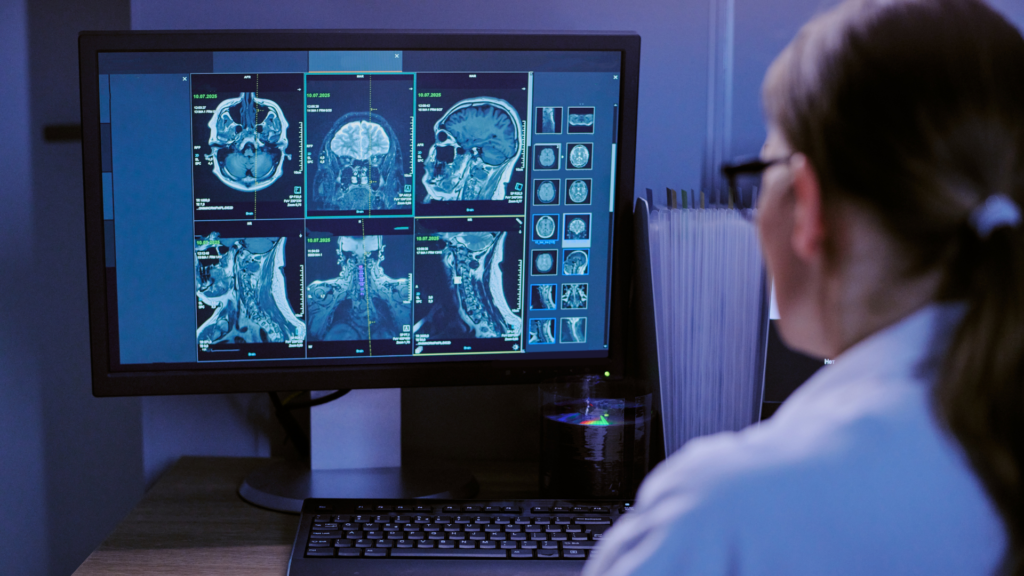
Multiple sclerosis is a disease in which the immune system damages the central nervous system, which includes the brain, spinal cord and optic nerves. There is no single test that can confirm MS on its own, so doctors assess a patient’s symptoms and medical history alongside neurological examinations, MRI scans and, when needed, spinal fluid analysis and blood tests. Certain abnormalities on brain scans can support an MS diagnosis, but similar findings may also appear in people with migraines or other conditions. Doctors must evaluate the overall pattern of evidence and rule out alternative explanations before concluding that a patient has the disease.
MS Misdiagnosis Can Happen Even After Extensive Testing

Applegate’s experience has drawn attention to the difficulty of distinguishing MS from conditions that produce similar symptoms. In a 2024 review of six studies involving 1,621 people diagnosed with MS, researchers found that approximately 15% had been misdiagnosed, although reported rates varied substantially between studies and medical settings. Neurologist Marwa Kaisey, who discussed the issue on MeSsy, has said her research found that nearly one in five people told they had MS did not actually have the disease. These findings do not mean every diagnosis is unreliable, but they highlight why doctors may need to revisit a conclusion when test results, symptoms or treatment responses do not fit the expected pattern.
Applegate Is Beginning Another Search for Answers

Applegate said she was preparing to begin another round of medical investigation after learning that her previous diagnosis was incorrect. She has discussed physical therapy three times a week and plans to work with her doctors to identify what might explain her ongoing symptoms. She also said her medical team was considering blood tests, including testing for rheumatoid arthritis, as part of the search for other possible causes. No replacement diagnosis has been publicly announced, and it remains unclear what condition, or combination of conditions, may ultimately explain her health problems.
Christina Applegate’s Experience Highlights the Need for Accurate Diagnoses

Applegate’s experience illustrates the emotional and practical consequences of receiving a diagnosis that later changes, particularly when symptoms continue without a clear explanation. Her story has also prompted renewed discussion among medical professionals about the importance of careful testing, updated diagnostic criteria and specialist opinions when a serious condition is suspected. Although learning that she does not have MS has left her facing new uncertainty, it also creates an opportunity for her doctors to investigate other explanations and consider more appropriate care. For now, Applegate remains focused on finding answers, and her case is a reminder that persistent symptoms deserve attention even when an earlier diagnosis no longer fits.