

Products are selected by our editors, we may earn commission from links on this page.
The beauty world is buzzing about Europe’s recent ban on certain gel nail polishes containing TPO (trimethylbenzoyl diphenylphosphine oxide), while these same products remain freely available in American stores. This regulatory split has left consumers wondering whether their favorite gel manicures pose hidden health risks that European authorities recognize but US regulators don’t.
What is TPO and Why It’s Used in Gel Polish
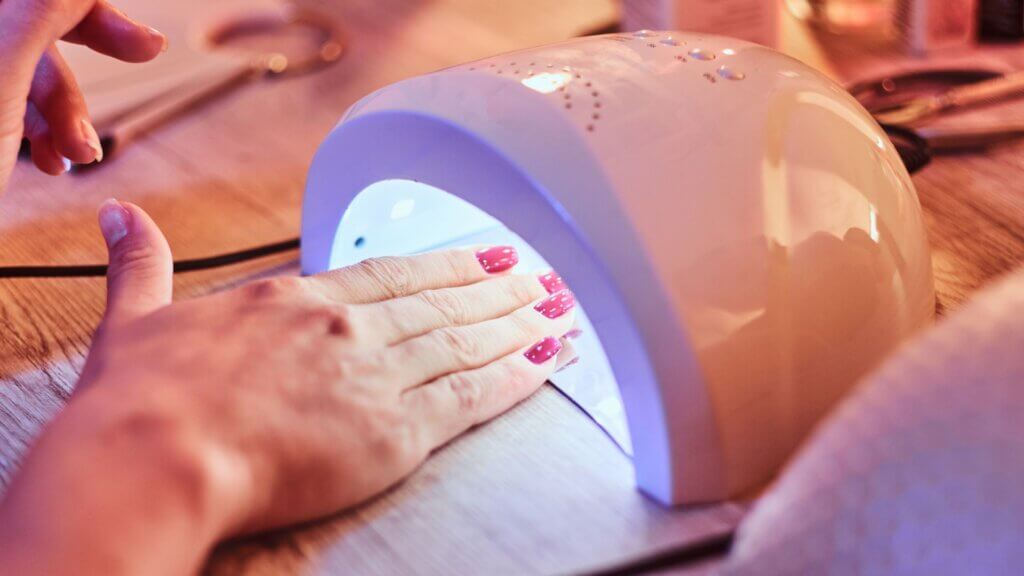
TPO, or trimethylbenzoyl diphenylphosphine oxide, serves as a photoinitiator in UV-cured gel nail polishes, helping them harden quickly under LED or UV lamps. This chemical compound has been a staple ingredient in the nail industry for years, praised for creating long-lasting, chip-resistant manicures. According to chemical safety databases, TPO enables the polymerization process that gives gel polish its signature durability and glossy finish.
The European Union’s Safety Concerns
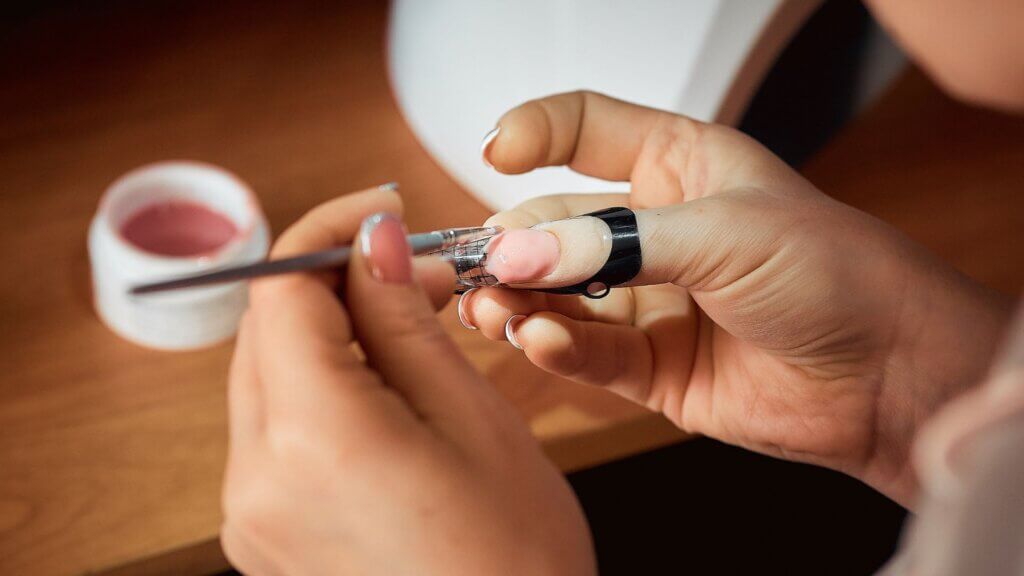
European regulators banned TPO effective September 1, 2025, citing potential health risks associated with prolonged exposure. The European Chemicals Agency (ECHA) determined that TPO could pose risks through skin contact and inhalation during application. Their assessment focused on cumulative exposure risks, particularly for professional nail technicians who work with these products daily, leading to the precautionary ban across all EU member states.
Timeline and Implementation of the EU Ban
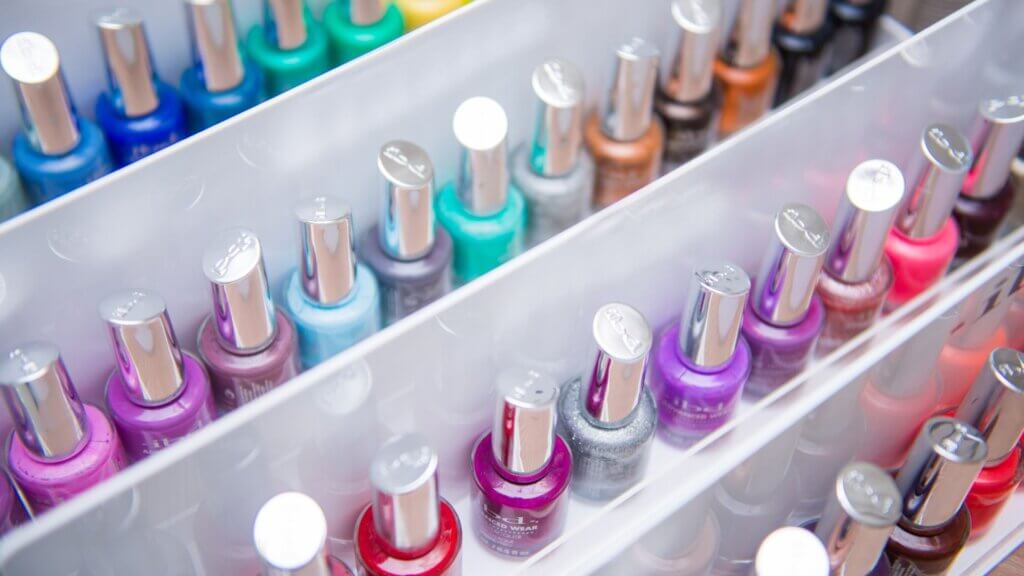
The ban didn’t happen overnight. European authorities provided manufacturers with a transition period starting from early 2025. Companies had months to reformulate their products and clear existing TPO-containing inventory from shelves. Major beauty retailers across Europe, including Sephora and Douglas, began phasing out affected products in spring 2025. This gradual implementation allowed the industry to adapt while ensuring consumer safety remained the priority.
Why the US Hasn’t Followed Europe’s Lead
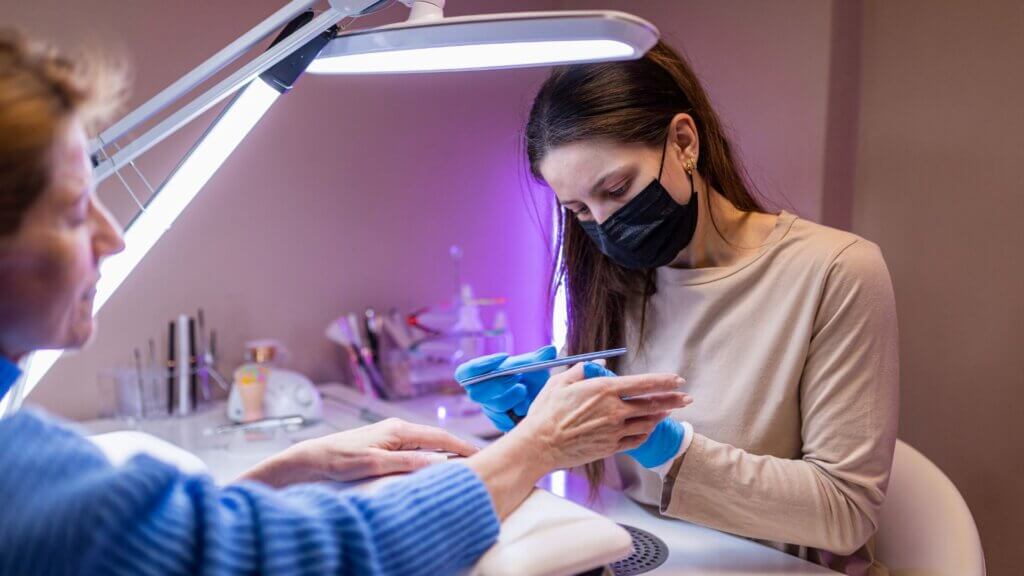
The FDA and EPA take different approaches to cosmetic ingredient regulation compared to their European counterparts. While Europe often applies the precautionary principle, banning substances when there’s potential risk even without definitive proof of harm, US agencies typically require stronger evidence of actual harm before restricting ingredients. American regulators are currently reviewing available data on TPO but haven’t concluded that immediate action is necessary.
Expert Opinions on TPO Safety Risks
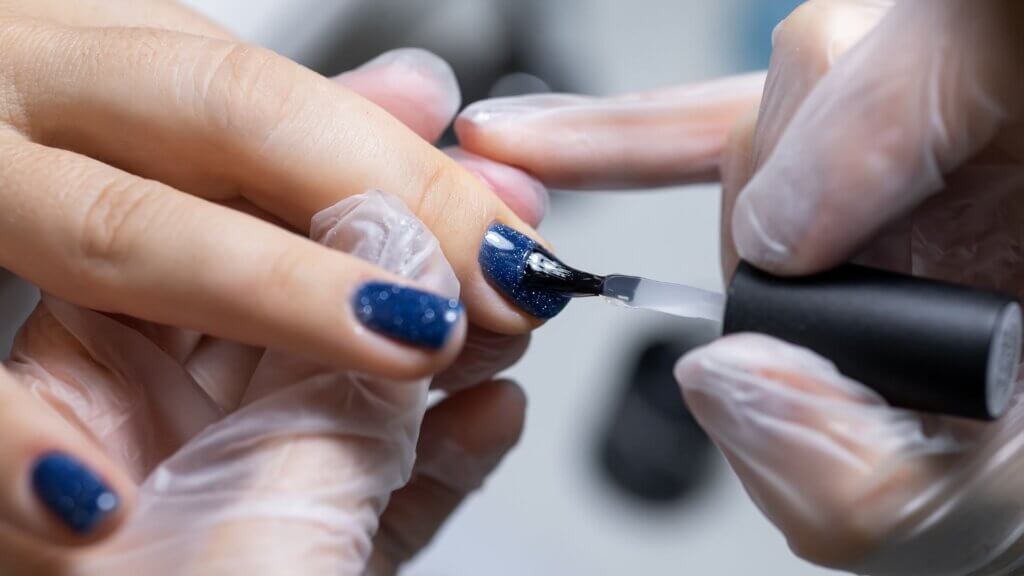
The scientific community remains divided on TPO’s safety profile. Some experts maintain that TPO is relatively safe as currently used in nail gels, while occupational health specialists express more concern about professional nail technicians’ daily exposure. Research suggests potential risks, including endocrine disruption, though definitive conclusions remain elusive. This ongoing scientific debate reflects the complexity of assessing long-term exposure effects from cosmetic ingredients.
How to Identify TPO-Containing Products

Consumers can check ingredient lists for “trimethylbenzoyl diphenylphosphine oxide,” “TPO,” or related chemical names to identify affected products. Popular brands that historically used TPO include certain OPI, Essie, and Sally Hansen gel formulations. However, many manufacturers have already begun reformulating their products even for the US market. Reading labels carefully and checking brand websites for updated ingredient information helps consumers make informed choices about their nail products.
TPO-Free Alternatives Already Available
The good news is that numerous TPO-free gel polish options exist, with brands like Green Flash, Zoya, Tenoverten, and Ella+Mila leading the clean beauty movement in nail care. These alternatives use different photoinitiator systems that achieve similar durability without TPO. Many professional salons are also transitioning to TPO-free formulas, recognizing both regulatory trends and customer preferences for cleaner beauty products with transparent ingredient lists.
Professional Salon vs At-Home Safety Considerations
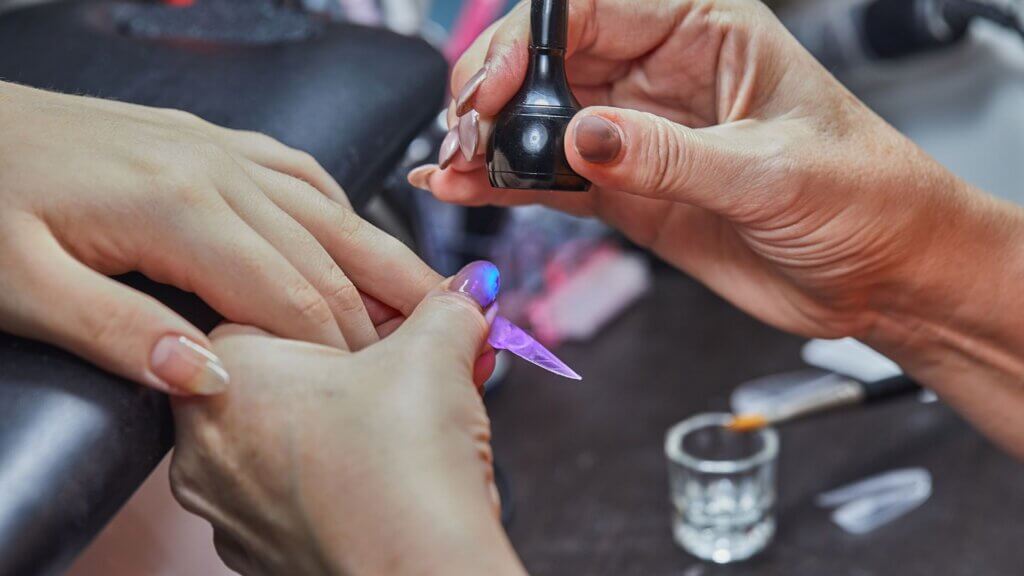
Professional nail technicians face higher exposure risks due to daily use of gel products in often poorly ventilated spaces. Workplace safety experts generally recommend proper ventilation systems and protective equipment for salon workers handling chemical products regularly. Home users typically have lower exposure levels but should still ensure adequate ventilation, limit the frequency of gel manicures, and consider taking breaks between applications to minimize cumulative exposure risks.
Additional Gel Manicure Safety Factors
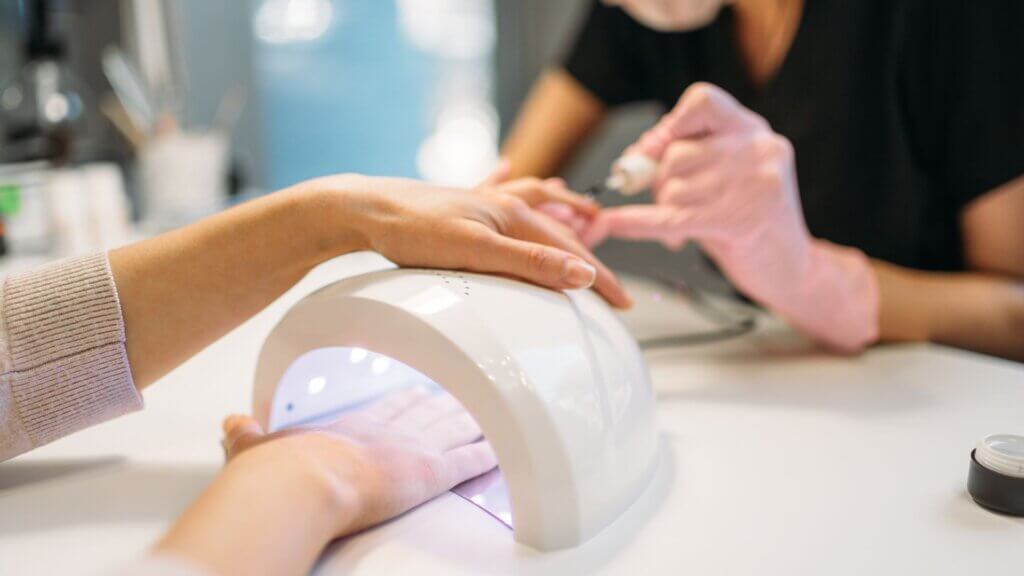
Beyond TPO concerns, gel manicures involve UV light exposure during curing, which some dermatologists link to increased skin cancer risks on fingertips. The American Academy of Dermatology suggests applying broad-spectrum sunscreen to hands before gel manicure appointments. Additionally, aggressive removal techniques can damage natural nails, and some users experience allergic reactions to other gel polish ingredients like acrylates and methacrylates.
The Future of Nail Polish Regulation

Industry experts predict that US regulations may eventually align more closely with European standards as consumer awareness grows and additional safety data emerges. Several states are already considering stricter cosmetic ingredient oversight, and major brands are proactively reformulating to meet the highest global standards. This trend toward cleaner formulations likely represents the future direction of the nail care industry, regardless of regulatory requirements.
Making Informed Choices

While TPO-containing gel polishes remain legal in the US, European regulatory action highlights the importance of ingredient awareness in beauty products. Consumers can protect themselves by choosing TPO-free alternatives, ensuring proper ventilation during application, and staying informed about evolving safety research. The nail industry’s shift toward cleaner formulations suggests that safer options will become increasingly accessible.