

Products are selected by our editors, we may earn commission from links on this page.
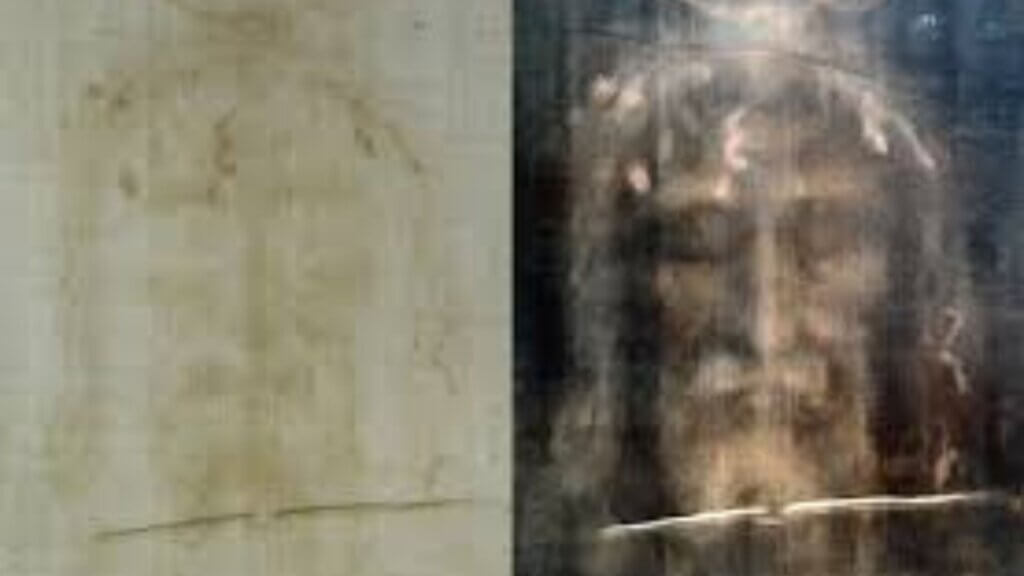
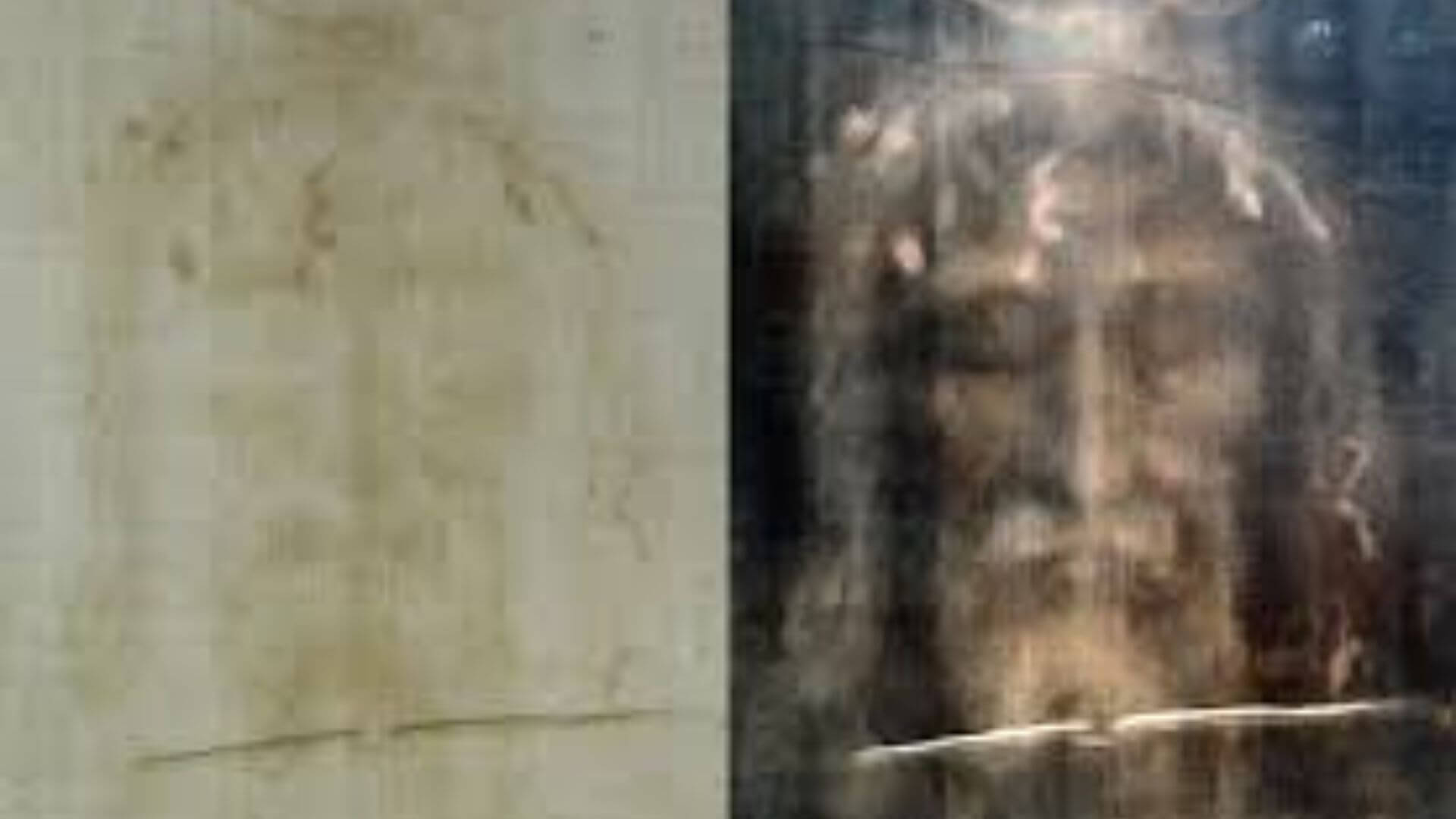
Whether or not the Shroud of Turin was actually the burial cloth for Jesus has been hotly debated for years. While some Christians believe this religious artifact to be a holy cloth, some studies have contested this theory and claimed it to be a fake religious relic. In recent studies, two strong pieces of evidence point to this fact.
The History of the Shroud of Turin
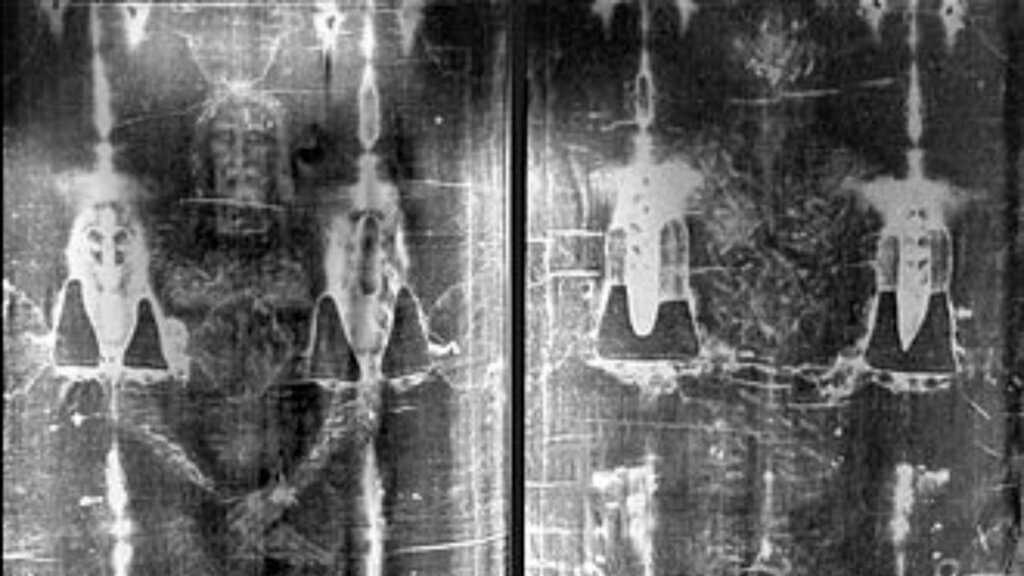
The Shroud of Turin has been famously claimed as Jesus’ burial covering. And yet, whether it is actually a real relic of Christ remains a point of discussion among both researchers and Christians. One of the pieces of evidence that brings its legitimacy is just how long the relic existed.
Shroud of Turin Dates Back to the 14th Century
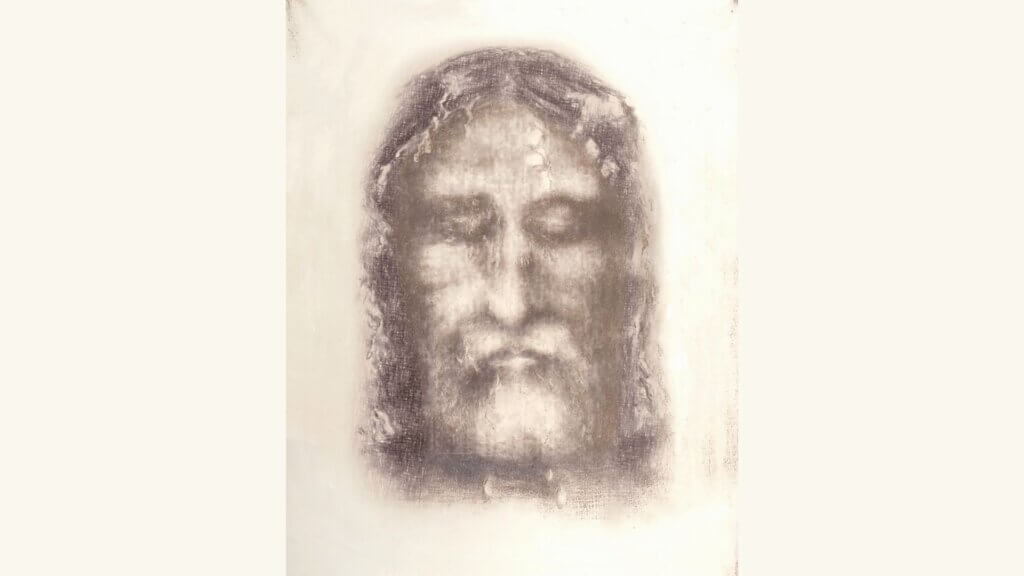
Scientists have used carbon dating to identify just how long the Shroud of Turin has existed. The analysis revealed that the cloth dates back to the 14th century, and not the time of Christ, as some Christians believe.
New Study Uses 3D Digital Design to Disprove Shroud
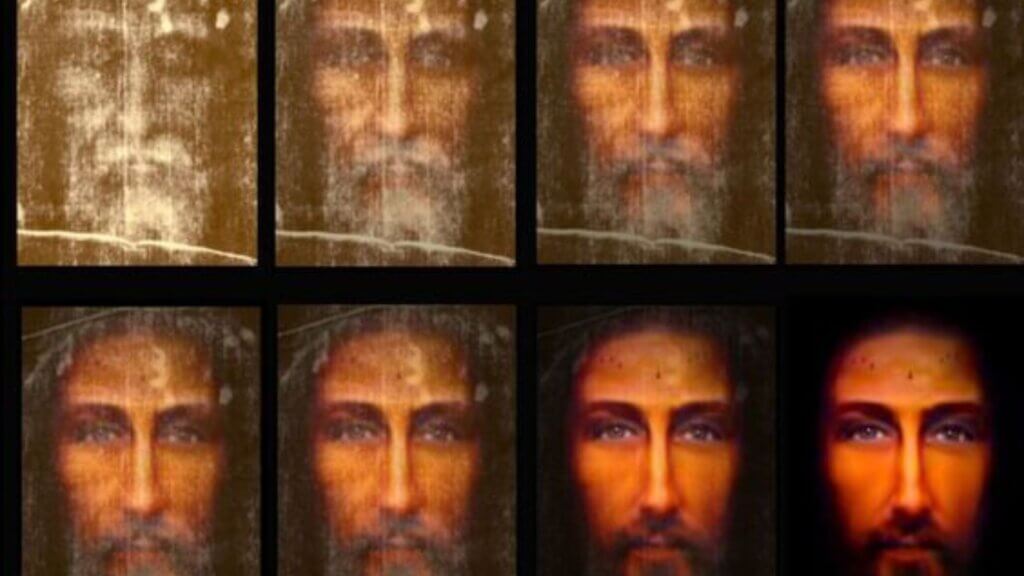
A 3D digital designer named Cicero Moraes recently published his findings in a study which appears to disprove the shroud’s authenticity as well. Moraes uses modeling software to recreate 3D imaging, specializing in historical facial reconstructions.
The Study’s Findings

Moraes found that there was no way the burial covering could have been used on a three-dimensional body. Rather, he believes the imprint shown was taken on a sculpture, and not Jesus himself.
The Power of Reconstructions

The designer compared how a cloth would drape over a real human body versus how it would fall over a low-relief sculpture of a human body. He found that the image of the shroud over the body could not be real due to the way it lays over it.
What Could it Be?

Moraes explained that the sculpture was likely “made of wood, stone or metal and pigmented (or even heated) only in areas of contact, producing the observed pattern”.
Religious Accuracy

During this time in medieval history, the creation of religious figures in stone, metal, or wood were not uncommon, adding validity to Moraes’ findings. Art history analysis has given more weight to this theory as carbon testing aligns with these truths.
The Catholic Church’s View on the Shroud of Turin

The Catholic Church itself does not endorse the shroud as authentic officially. However some faithful Popes still claim that it is the true religious relic.
Conclusion
Further testing on the fibers of the shroud should confirm the fact that it is a fraud. Yet, many still hold strong in their beliefs that the shroud is a true relic.