

Products are selected by our editors, we may earn commission from links on this page.
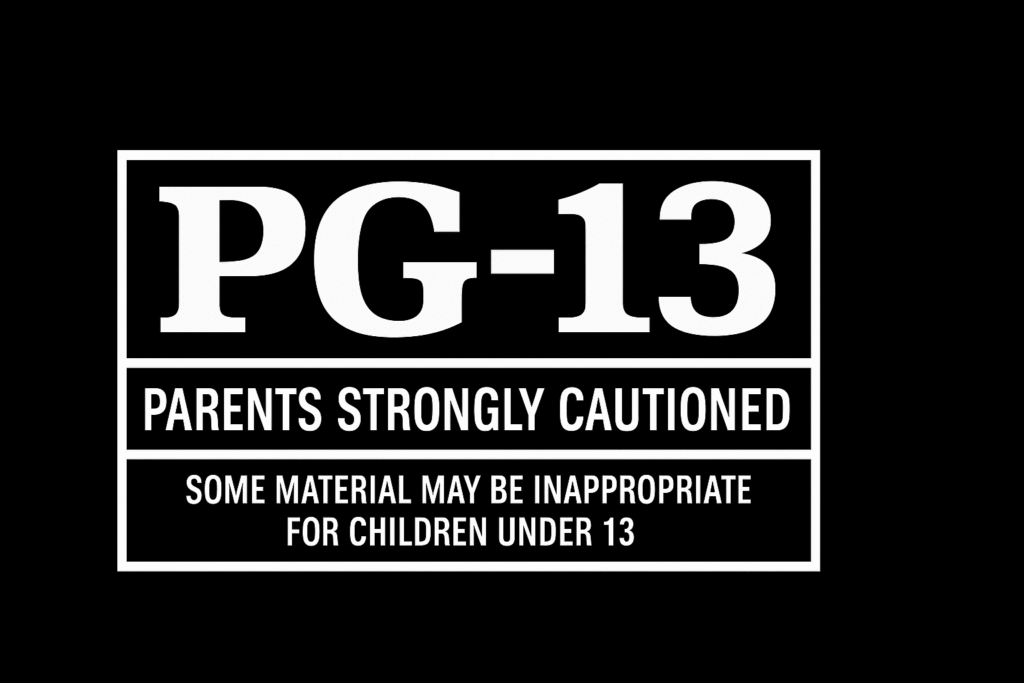
Instagram has unveiled new measures to restrict teenage users to content equivalent to a PG-13 movie rating, a move the company says will “safeguard teens” from adult or harmful material. These limits will apply by default to all users under 18, with parents able to enable stricter settings and oversee AI chat features. The decision comes as Meta faces ongoing criticism over youth safety and renewed political pressure to regulate online platforms.
A New Standard for Teen Safety

Meta described the update as its most significant teen protection effort since restricted accounts were launched in 2024. Under the new system, every underage user is automatically placed in a “13+” content setting, filtering posts with explicit language, violence, or substance use. Parents may opt for a “Limited Content” mode to remove even more material from feeds.
How the PG-13 Framework Works

The company says the policy mirrors what viewers might expect from a PG-13 movie, not a blanket ban on complex topics. Posts showing drug paraphernalia or risky behavior will be hidden, and AI-powered moderation will identify new trends that may endanger teens. These updates apply across features including Reels, Explore, and Stories, with protections expanding globally by year’s end.
Parental Oversight in the Age of AI

Alongside content filtering, Meta is rolling out AI safety tools that allow parents to block or monitor interactions between their teens and the company’s AI chat characters. Parents can see discussion topics, limit access time, or disable AI chats entirely. According to Meta’s AI safety statement, these virtual assistants are programmed to avoid romantic or self-harm-related themes and redirect teens to support resources when needed.
Rising Concerns About Effectiveness
Despite the detailed rollout, advocacy groups remain unconvinced. Fairplay and ParentsTogether told AP News that Meta’s prior safety efforts have often fallen short once deployed. They argue that limiting access is not the same as fixing recommendation systems that can still promote harmful or sexualized material to minors.
Reports Highlight Ongoing Gaps

Recent findings by Reuters show that only a fraction of Meta’s 47 youth-safety tools function as intended. Whistleblower Arturo Béjar, who led the independent review, said two-thirds of features were “woefully ineffective,” allowing adult messages and sensitive imagery to bypass filters.
Meta’s Response to Critics
Meta disputes those claims, saying they misrepresent how the new systems work. A company spokesperson said teens in restricted accounts now experience fewer harmful interactions and that AI models can detect users who misrepresent their age. The firm emphasized its progress on machine-learning moderation, which automatically identifies and removes disallowed material.
Policy Pressure and the KOSA Connection
The announcement coincides with the Kids Online Safety Act, a proposed U.S. law requiring tech companies to prevent and mitigate harm to minors. The bill would establish a legal “duty of care” and restrict algorithms from promoting harmful content. Observers note that Meta’s timing may signal an attempt to align with the bill’s principles before regulation becomes mandatory.
Hollywood Pushes Back

In an unexpected turn, the Motion Picture Association said it was never contacted about the PG-13 comparison, clarifying that its decades-old film rating system has no connection to Meta’s model. “Assertions that Instagram’s new tool will be guided by PG-13 ratings are inaccurate,” the MPA said, underscoring the symbolic rather than official nature of Meta’s new label.
From Safeguards to Shared Responsibility
Instagram’s PG-13 filter represents an effort to translate parental expectations from the theater to the digital world. But experts caution that long-term safety depends as much on education and family dialogue as on filtering algorithms. The American Psychological Association notes that empowering teens to understand and question what they see online may do more to protect their mental health than content limits alone.