

Products are selected by our editors, we may earn commission from links on this page.

Astronomers have captured an extraordinary cosmic event in which a supermassive black hole consumed a massive star, releasing a flare so bright it matched the light of 10 trillion suns. Detected from an astonishing 10 billion light-years away, this rare observation reveals the incredible power and unpredictability of black holes, offering valuable insight into how these colossal forces shape the universe.
A rare cosmic encounter
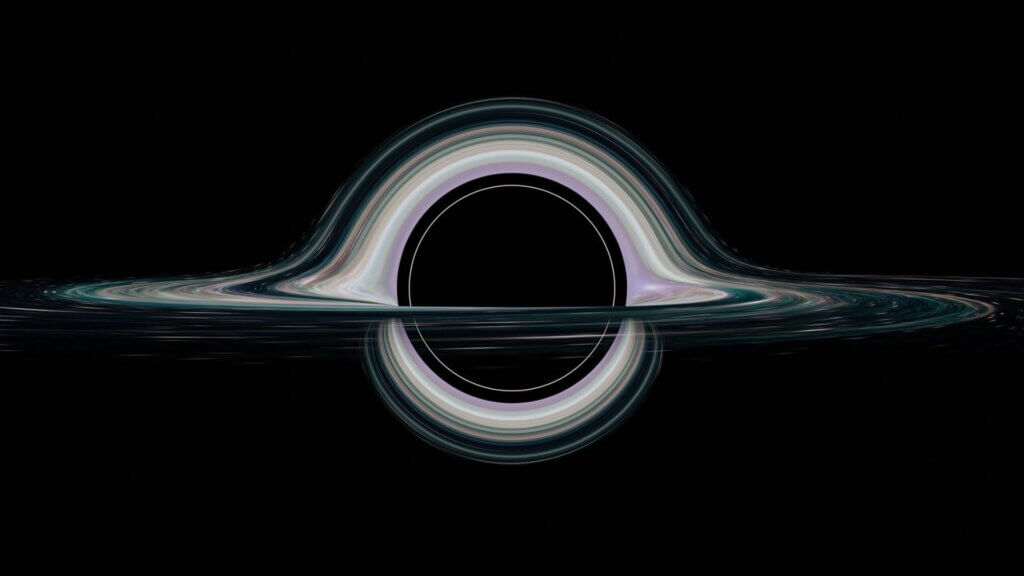
Researchers described the phenomenon as a one-in-a-million occurrence. While black holes often draw in stars, gas, and dust around them, this particular outburst was far beyond anything previously observed. Its duration and scale make it one of the most remarkable events ever recorded in astronomy.
The brightest flare on record
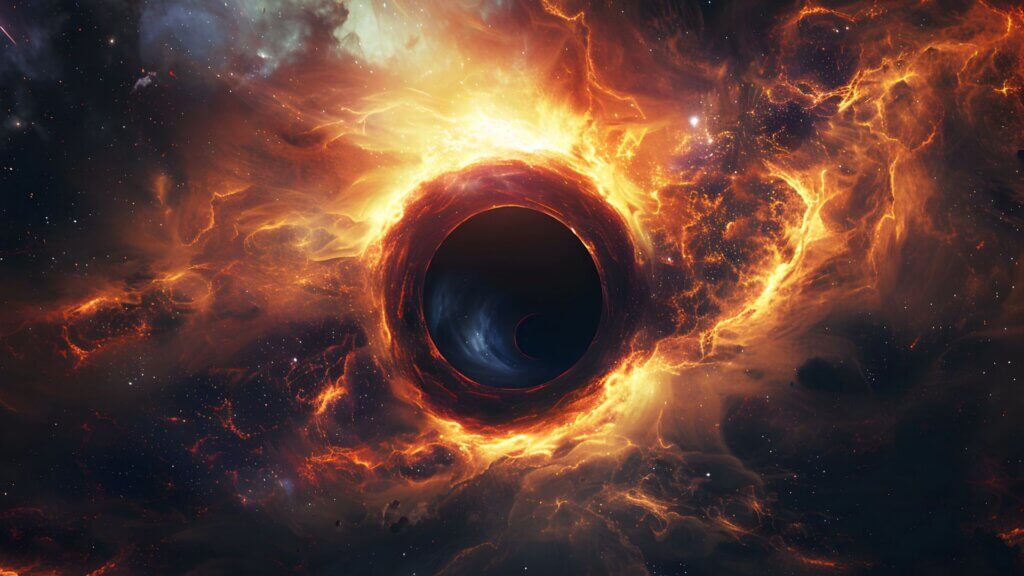
At its peak, the flare was around 30 times brighter than any similar event known so far. Scientists believe that both the size of the black hole and the star contributed to its intensity. The doomed star was estimated to be at least 30 times the mass of our sun, while the black hole reached a staggering 500 million solar masses, creating a level of energy almost impossible to imagine.
How the discovery began

The flare was first noticed in 2018 during a large sky survey using three ground-based telescopes. Initially cataloged as a particularly bright object, it did not draw much attention because the available data were limited. The event was temporarily forgotten as researchers moved on to other projects.
The rediscovery that changed everything
In 2023, astronomer Matthew Graham and his team at the California Institute of Technology decided to review earlier observations. When they recalculated the distance to the mysterious bright object, they were astonished to find it was far more distant than expected. The realization that such brightness came from so far away meant the energy output was far greater than anyone had anticipated.
Investigating the cause
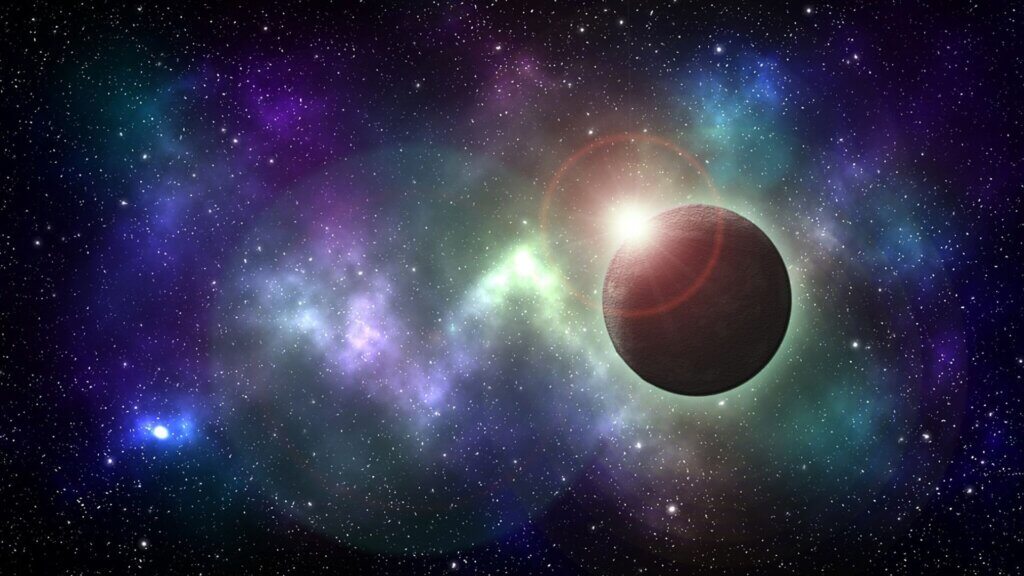
Graham’s team determined that a black hole flare was the most plausible explanation for the massive burst of energy. These flares occur when a star ventures too close to a black hole and is torn apart by its gravity. The material from the destroyed star forms a swirling disk of gas that releases enormous amounts of light and radiation.
An ongoing cosmic firestorm
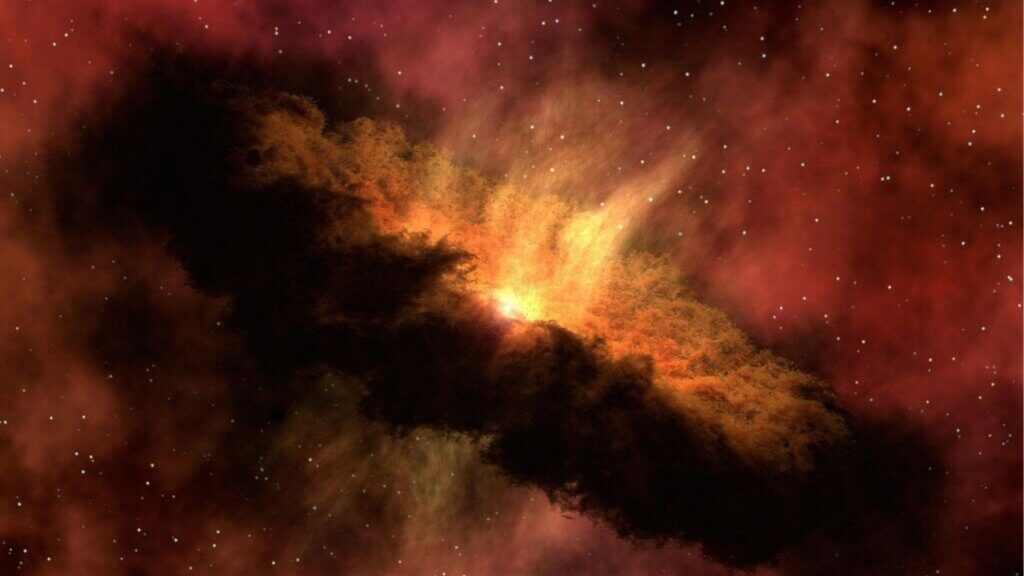
The flare has been active for more than seven years and appears to still be fading gradually. Such long-lasting emissions suggest that the black hole continues to draw in material from the star’s remains, keeping the region glowing across different wavelengths. It has become a rare opportunity to study how these cosmic interactions evolve over time.
From forgotten data to groundbreaking discovery

For years, the 2018 data sat unnoticed until technological advancements allowed scientists to revisit it with fresh methods. Once reanalyzed, the results revealed that the team had unknowingly recorded one of the most energetic and distant events in the known universe. This rediscovery has since sparked renewed interest in similar overlooked observations.
The chaos of galactic centers
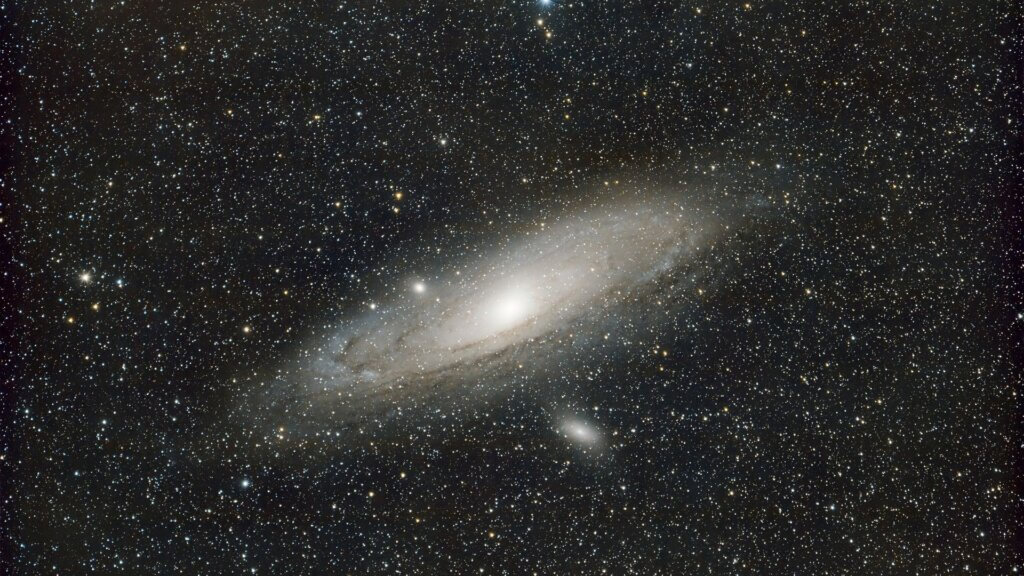
While scientists are still unsure exactly how the star met its fate, Graham suggests that gravitational interactions near the black hole might have nudged the star out of its orbit, pulling it into a destructive spiral. Such chaotic movements are common in galactic cores, where massive objects constantly influence one another’s paths.
Rethinking black hole behavior
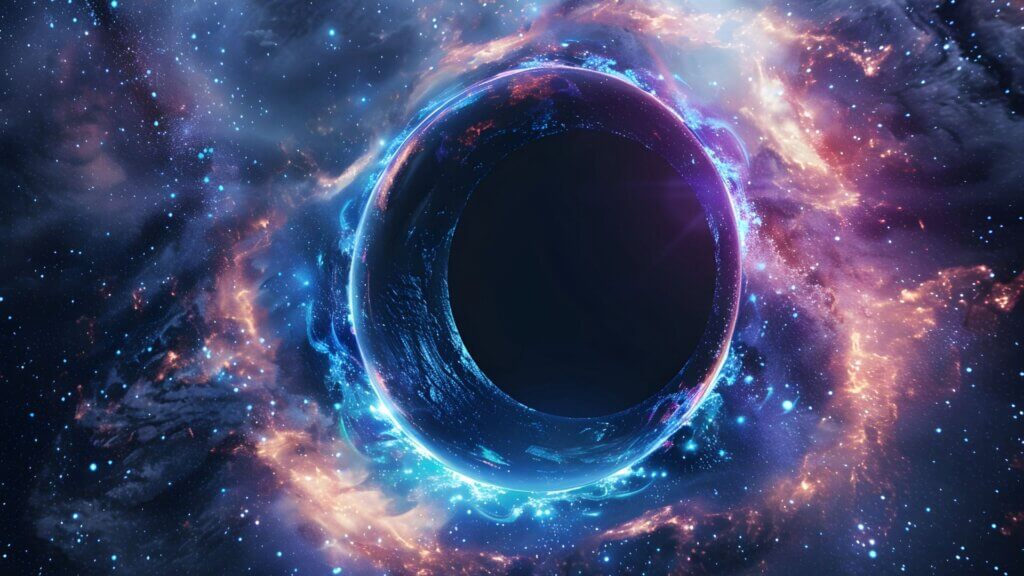
This event challenges the traditional view of supermassive black holes as calm, dormant entities resting at the centers of galaxies. Recent discoveries reveal that these regions are dynamic and filled with activity, constantly shaping their surroundings. As astronomers continue to study this flare, they hope to gain deeper understanding of how black holes grow, evolve, and transform the cosmic neighborhoods they inhabit.