

Products are selected by our editors, we may earn commission from links on this page.

Scrolling through TikTok has become a daily ritual for millions of people looking for something better; a new income stream, a second chance, or a way out of financial pressure. But for a growing number of job seekers, what looks like opportunity is turning into loss. Across TikTok, polished recruitment videos promise overseas jobs, remote work, and “guaranteed placements.” Behind the filters and testimonials, many of those offers are fake. And the money disappearing is very real.
How TikTok Became a Job Board Without Rules
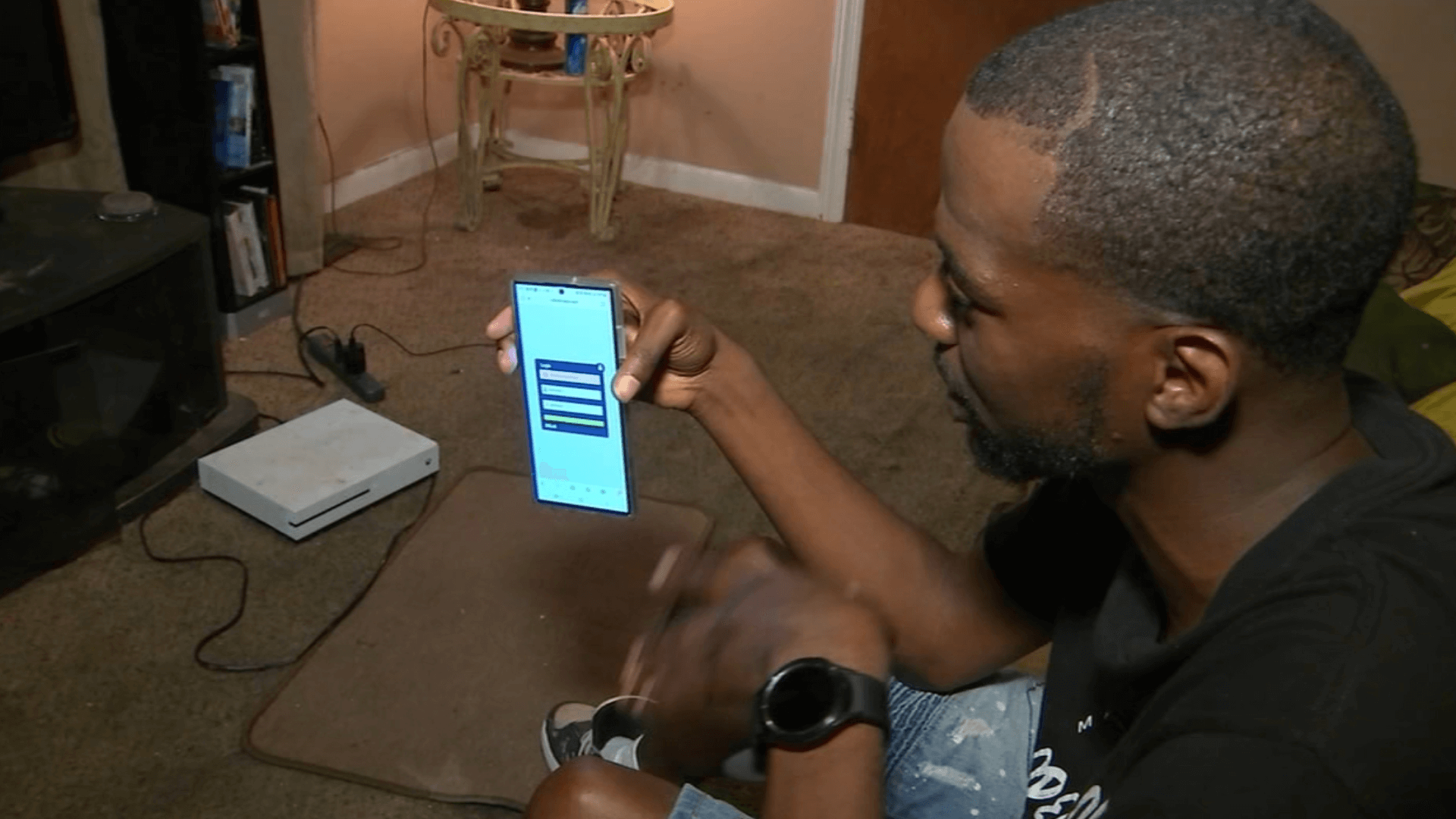
TikTok was never designed to be a hiring platform, yet it has quietly become one. Short videos showcasing “work permits,” staged office tours, and screenshots of visa approvals spread fast, boosted by algorithms that reward emotional hooks. Unlike traditional job boards, TikTok doesn’t require recruiters to prove legitimacy before advertising. For users already struggling, the line between content and contract blurs quickly.
The Cost of Believing the Wrong Video

For many victims, the amounts lost aren’t pocket change. Some handed over months, even years of savings to recruiters who asked for “processing fees” or “visa deposits.” Others sold livestock, borrowed from family, or quit existing jobs in anticipation of moving abroad. When the promised start dates passed and communication stopped, what remained wasn’t just financial loss, but silence and shame.
Why These Scams Feel Convincing

The most effective scams don’t look rushed or sloppy. Some operate from physical offices, conduct Zoom interviews, and issue documents bearing real company logos. Fake partnerships with legitimate European or North American employers are common. To someone unfamiliar with international hiring processes, the presentation feels official enough. The illusion of structure creates trust, and trust opens wallets.
Desperation as a Business Model

High unemployment, rising living costs, and limited local opportunities create fertile ground for deception. When people feel trapped, they’re more likely to take risks they normally wouldn’t. Scammers understand this. They tailor messages around urgency; “limited slots,” “last chance,” “fast processing”, pushing applicants to act before they verify. The scam isn’t just financial; it exploits hope itself.
When Platforms Stay Silent

Despite mounting evidence, many fraudulent accounts simply vanish and reappear under new usernames. Victims report videos disappearing overnight, offices closing suddenly, and phone numbers going dead. While some governments have issued blacklists of fake agencies, enforcement struggles to keep pace with how fast content spreads. TikTok, for its part, has largely avoided public accountability for recruitment scams thriving on its platform.
The Legal Gray Zone Victims Fall Into

Recovering lost money is rare. Many victims never report scams, fearing embarrassment or retaliation. Others discover the recruiters were never legally registered, leaving no clear path for restitution. Even when arrests occur, funds are often unrecoverable. The system places the burden of verification on job seekers, people least equipped to investigate international recruiters.
Are All Online Job Offers Suspicious Now?

Not every TikTok job post is a scam, which complicates the conversation. Some legitimate recruiters do use social media responsibly. But the lack of visible safeguards means users are forced to guess which opportunities are real. The result is growing mistrust — not just of TikTok ads, but of digital hiring itself. That skepticism may protect some, but it can also shut others out of genuine opportunities.
The Question Nobody Agrees On

Should platforms like TikTok be responsible for vetting recruiters, or does accountability rest entirely with users? Some argue increased moderation would save lives and livelihoods. Others worry stricter rules would limit access to real jobs for people already excluded from traditional systems. The debate exposes a deeper issue: in an economy driven by platforms, who is actually protecting workers?
What Happens When Hope Goes Viral

These scams succeed not because people are careless, but because they are human. They trust stories that look familiar, hopeful, and shared by thousands. As social media continues to blur the line between opportunity and illusion, the question isn’t whether these scams will stop; it’s how many people will be caught before systems catch up. And whether, next time a job offer goes viral, viewers will scroll past… or take the risk anyway.