


Products are selected by our editors, we may earn commission from links on this page.

Living past the age of 100 has long fascinated scientists and the public alike. While advances in medicine and healthier lifestyles have helped people live longer, only a small fraction reach what is known as exceptional longevity. Researchers have traditionally pointed to diet, exercise, and social connections as key factors, but new genetic research suggests the explanation may go back much further in time than previously thought.
A growing body of evidence now indicates that ancient DNA inherited from prehistoric human populations could influence how long some people live today. By examining genetic markers passed down over thousands of years, scientists are uncovering how evolutionary survival traits may still shape human health and aging.
This emerging research reframes longevity as not just a product of modern choices, but also a biological legacy — one rooted in the lives of ancient humans who survived extreme environments long before modern civilization existed.
The Role of Hunter-Gatherer Ancestry DNA
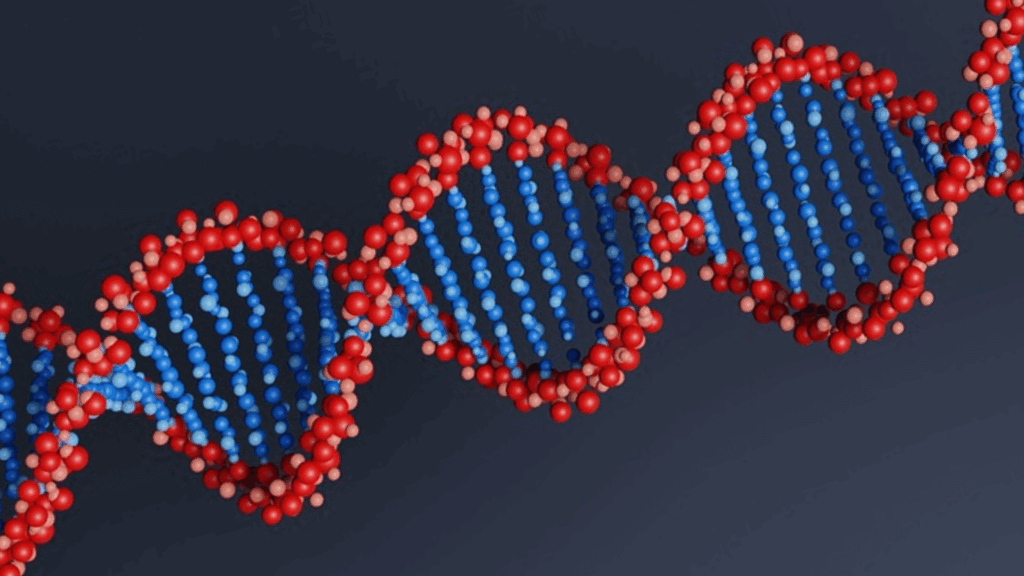
In a study, researchers analyzed the genomes of more than 300 centenarians in Italy and compared them with nearly 700 healthy individuals in their 50s. These modern genomes were then cross-referenced with ancient human DNA samples, allowing scientists to identify which ancestral genetic contributions appeared most frequently among those who lived past 100.
The findings showed that individuals with exceptional longevity shared a significantly higher proportion of DNA from Western Hunter-Gatherers, early Europeans who lived after the last Ice Age. Other ancient populations, including early farmers and steppe pastoralists, did not show the same connection. This suggests that certain evolutionary traits, rather than ancestry in general, may be more closely linked to extreme longevity.
Researchers also noted that this hunter-gatherer genetic signature appeared consistently across different regions of Italy, reducing the likelihood that the results were driven by local lifestyle or cultural factors alone. This consistency strengthens the case that inherited biological traits play a measurable role in determining who reaches extreme old age.
Why Ancient Survival Traits Still Matter Today

Western Hunter-Gatherers lived in environments defined by cold climates, limited food sources, and constant physical demands. Survival under these conditions required efficient metabolism, strong immune defenses, and resilience to disease and injury. Scientists believe these traits may still offer health benefits to people who carry this ancient genetic legacy.
The research found that even small increases in hunter-gatherer ancestry were associated with a higher likelihood of reaching age 100, with the effect appearing especially strong in women. These ancient genetic adaptations may help regulate inflammation, manage stress more effectively, and slow the development of age-related diseases.
In addition, researchers suggest that some of these inherited traits may influence how the body responds to infections and environmental stress throughout life. By maintaining better immune balance and cellular repair mechanisms, individuals with these genetic advantages may experience slower biological aging and maintain physical function for longer periods.
Genetics, Lifestyle, and the Future of Aging

While genetics may provide a biological advantage, experts emphasize that DNA alone does not determine lifespan. Factors such as physical activity, nutrition, sleep quality, and social connection remain critical to healthy aging. Studies of long-lived populations around the world show that daily movement, strong relationships, and a sense of purpose play a key role in extending both lifespan and quality of life.
Ultimately, this research highlights the interaction between inherited traits and environmental influences. Favorable genes may only reach their full potential when supported by healthy behaviors and modern medical care. As scientists continue to explore ancient DNA, these insights may help shape future strategies for improving longevity and overall well-being.