

Products are selected by our editors, we may earn commission from links on this page.
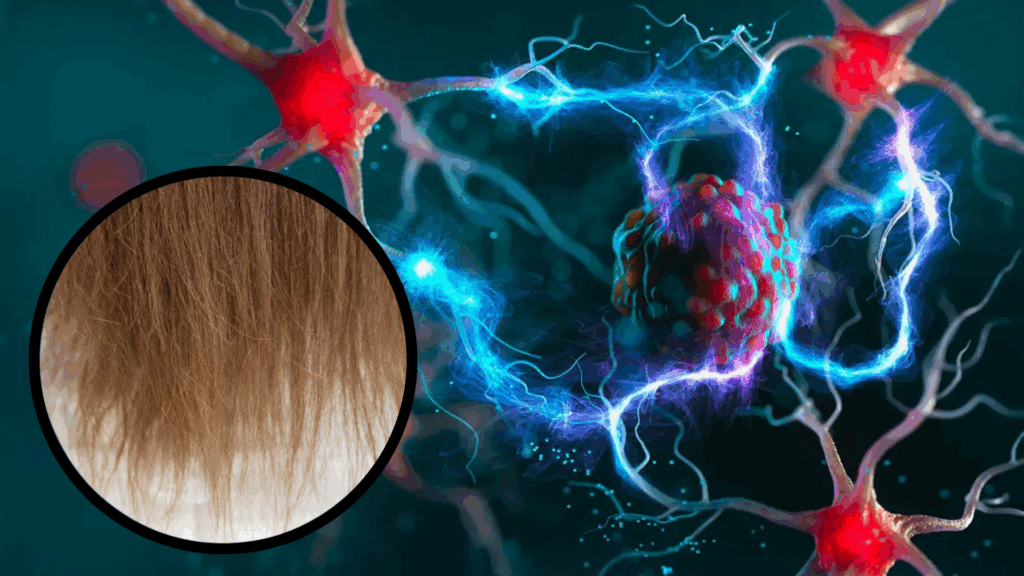
Brain tumors have long been treated as rogue invaders: growing, spreading, and resisting treatment on their own. But new research suggests something far more unsettling: some brain tumors may actually communicate with the brain itself. Scientists have found that tumor cells and neurons can “talk” to each other through electrical activity, and that conversation may directly influence how aggressively the cancer grows.
The findings focus on gliomas, a type of brain cancer that originates inside the brain and is notoriously difficult to treat. Unlike many cancers, gliomas spread into healthy brain tissue, making surgery and conventional therapies largely ineffective. Understanding how these tumors interact with surrounding brain cells could be key to finally slowing them down.
A new study published in Nature Neuroscience now shows that gliomas don’t just sit near neurons, they actively engage with brain networks. And the more aggressive the tumor, the more intense that interaction appears to be.
Why gliomas behave differently from other cancers
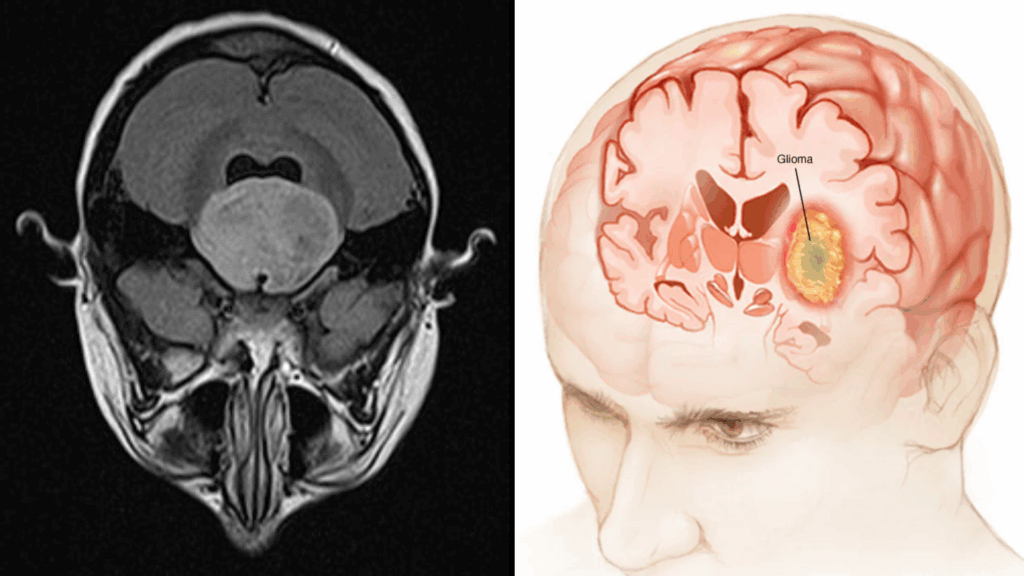
Gliomas are especially dangerous because they don’t stay neatly contained. Instead, they weave themselves into normal brain tissue, making complete removal nearly impossible. Survival rates for aggressive gliomas have barely improved over decades, despite advances in cancer treatment elsewhere in the body.
Researchers have increasingly suspected that gliomas behave differently because they exist inside the brain’s active electrical environment. Unlike tumors in other organs, brain tumors are surrounded by neurons constantly firing signals, and that may fundamentally change how the cancer behaves.
The new research set out to answer a crucial question: do brain tumors simply adapt to neural activity, or do they actively shape it to their advantage?
What happens when neurons and tumors interact
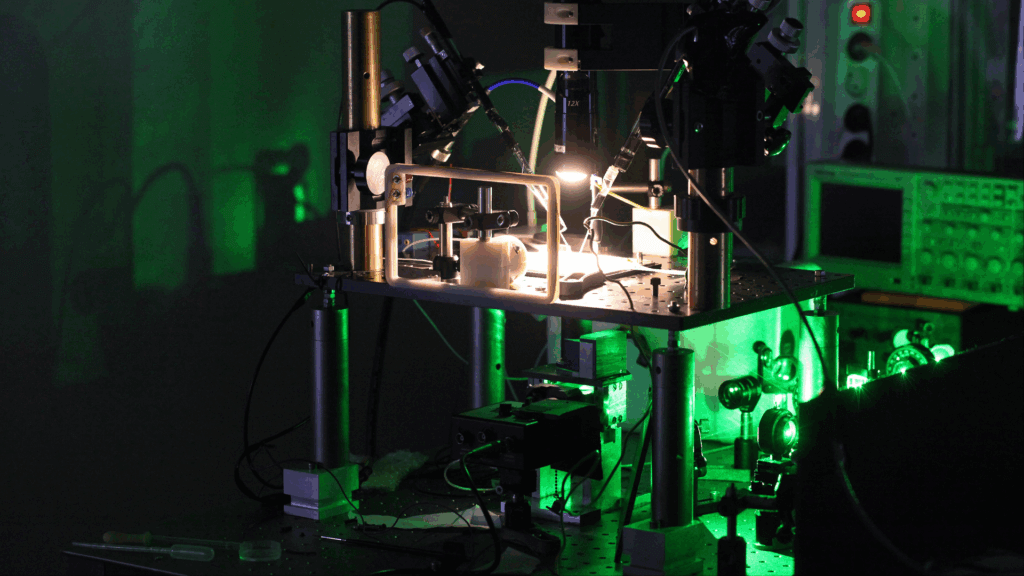
Researchers from the University of Melbourne and Royal Melbourne Hospital studied brain tissue from patients with both low-grade (less aggressive) and high-grade (more aggressive) gliomas. They directly recorded electrical signals from neurons and tumor cells embedded in the brain; something rarely done at this level of detail.
They discovered that neurons near high-grade gliomas were far more excitable, firing electrical signals more easily than neurons near low-grade tumors. This heightened activity wasn’t harmless background noise, it appeared to actively promote tumor growth.
In short, aggressive tumors seemed to thrive in electrically active environments. The stronger the neural signaling nearby, the faster the cancer cells grew, creating a feedback loop where brain activity and tumor progression fueled each other.
A potential new path for treating brain cancer
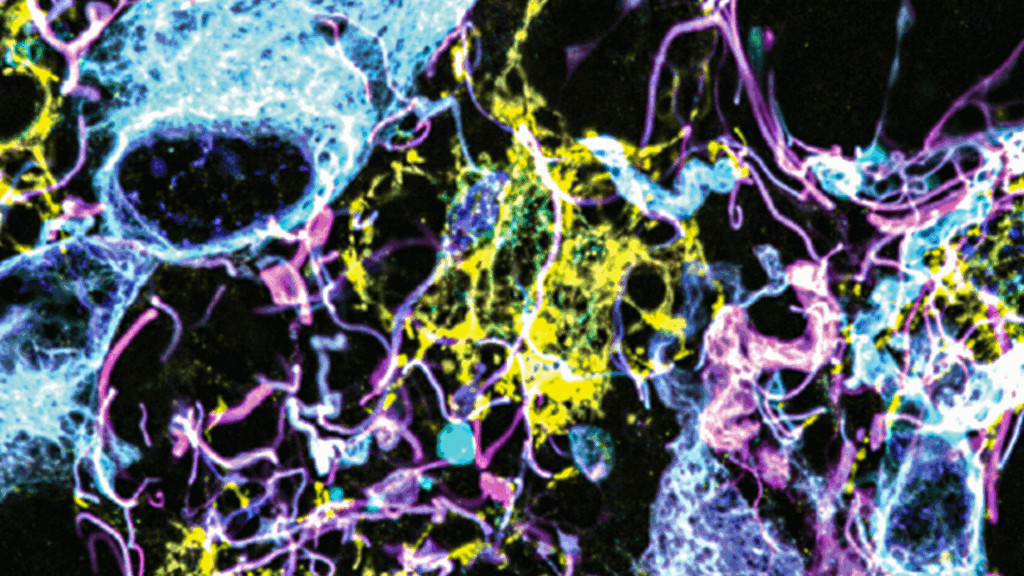
These findings suggest that brain cancer growth isn’t driven by tumor cells alone: the brain itself may be helping the cancer along. That realization opens a new therapeutic possibility: instead of targeting only the tumor, treatments could aim to disrupt the electrical communication between neurons and cancer cells.
Researchers say this could lead to neuroscience-based drugs designed to reduce neural activity around tumors, potentially slowing their growth. While still early, the approach represents a major shift in how scientists think about treating brain cancers that have resisted progress for decades.
The study doesn’t offer an immediate cure, but it reframes brain cancer as a disease shaped by its environment, not just rogue cells, but a dangerous dialogue within the brain. If scientists can learn how to silence that conversation, it could mark a turning point in the fight against some of the most lethal tumors known.