

Products are selected by our editors, we may earn commission from links on this page.

Weight-loss drugs like Ozempic are no longer affecting only individual health outcomes. Experts say these medications are now reshaping how Americans eat, shop, and spend, with ripple effects showing up across grocery stores, restaurants, retail, and household budgets. The changes are subtle, but data suggests they are becoming widespread.
A Rapid Rise in GLP-1 Use
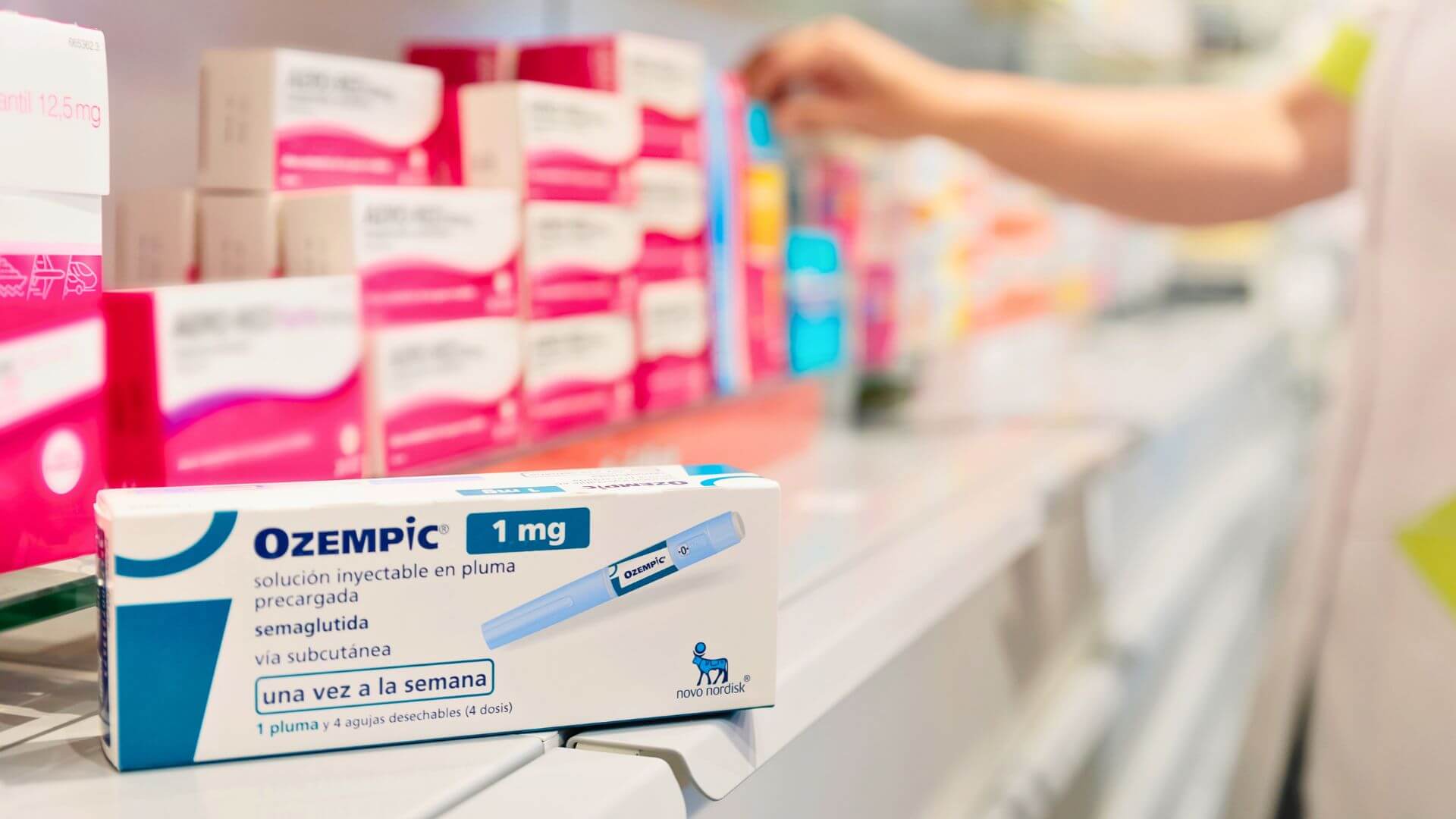
According to data cited by health economists and policy researchers, about one in eight U.S. adults has tried a GLP-1 medication, and roughly 6 percent currently use one. The drugs, originally developed for diabetes, are increasingly prescribed for weight loss, often off-label. Researchers at the Kaiser Family Foundation and contributors to The Currency note that adoption accelerated sharply after 2022.
Appetite Changes Drive New Eating Patterns

GLP-1 medications suppress appetite and slow digestion, leading users to eat smaller portions and snack less often. Nutrition researchers cited by BBC Science Focus explain that users frequently report reduced interest in sugary, fatty, and highly processed foods. These physiological effects are central to understanding the broader consumer shift.
Grocery Spending is Falling

A large-scale study by Cornell University economists Sylvia Hristakeva and Jura Liaukonyte found that households using GLP-1 drugs reduced grocery spending by an average of 5.3 percent within six months. Higher-income households cut spending by more than 8 percent, driven largely by declines in snack foods and sweets. The researchers used real transaction data rather than self-reported surveys.
Restaurants Are Seeing Smaller Orders

Dining habits are shifting as well. Reporting from AFP and Lifestyle.INQ shows restaurants responding to Ozempic users by offering smaller portions and lower-priced mini meals. Restaurant owners interviewed said diners often take just a few bites, prompting menu changes to reduce waste and keep customers engaged.
Food Companies Adjust Their Products

Major food manufacturers are adapting to changing demand. Companies like Nestlé and Conagra have launched portion-controlled meals and high-protein products marketed toward GLP-1 users. These offerings emphasize satiety, protein, and fiber rather than volume.
Shopping Baskets Are Getting ‘Leaner’

The Cornell study found that spending dropped most sharply on ultra-processed foods, including savory snacks, sweets, and baked goods. Meanwhile, modest increases appeared in categories such as yogurt, fresh fruit, and nutrition bars. Hristakeva noted that the overall pattern points to fewer purchases, not just healthier substitutions.
Fashion and Retail Feel the Shift

Weight loss is also reshaping non-food spending. In a Forbes article, retail analyst Pamela Danziger reports that demand for smaller clothing sizes is rising, while sales of larger sizes decline, forcing retailers to rethink inventory planning. Impact Analytics CEO Prashant Agrawal warned that misaligned sizing could cost retailers billions if they fail to adapt.
Experts See Cultural Change Around Food
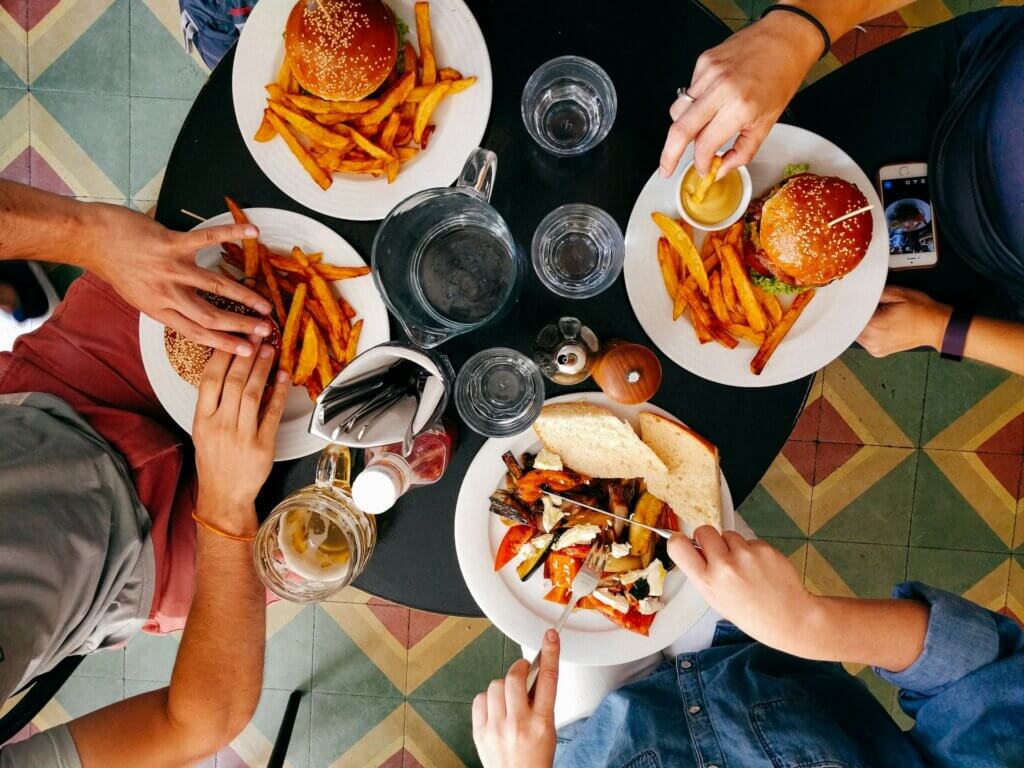
Nutrition scholar Marion Nestle of New York University told AFP that GLP-1 drugs may alter Americans’ emotional relationship with food. She described the moment as a “vast human experiment,” noting that reduced appetite changes how people socialize, celebrate, and dine out. Other experts caution that long-term cultural effects remain unclear.
A Broader Economic Ripple Takes Shape

In an article by Food Fix, consumer analyst Dan Frommer of The New Consumer says that GLP-1 drugs resemble past technologies that quietly reshaped daily life. While it is still early, he and other experts say the drugs’ influence now extends well beyond weight loss. As adoption grows, industries from food to fashion may need to plan for a fundamentally smaller appetite economy.