

Products are selected by our editors, we may earn commission from links on this page.
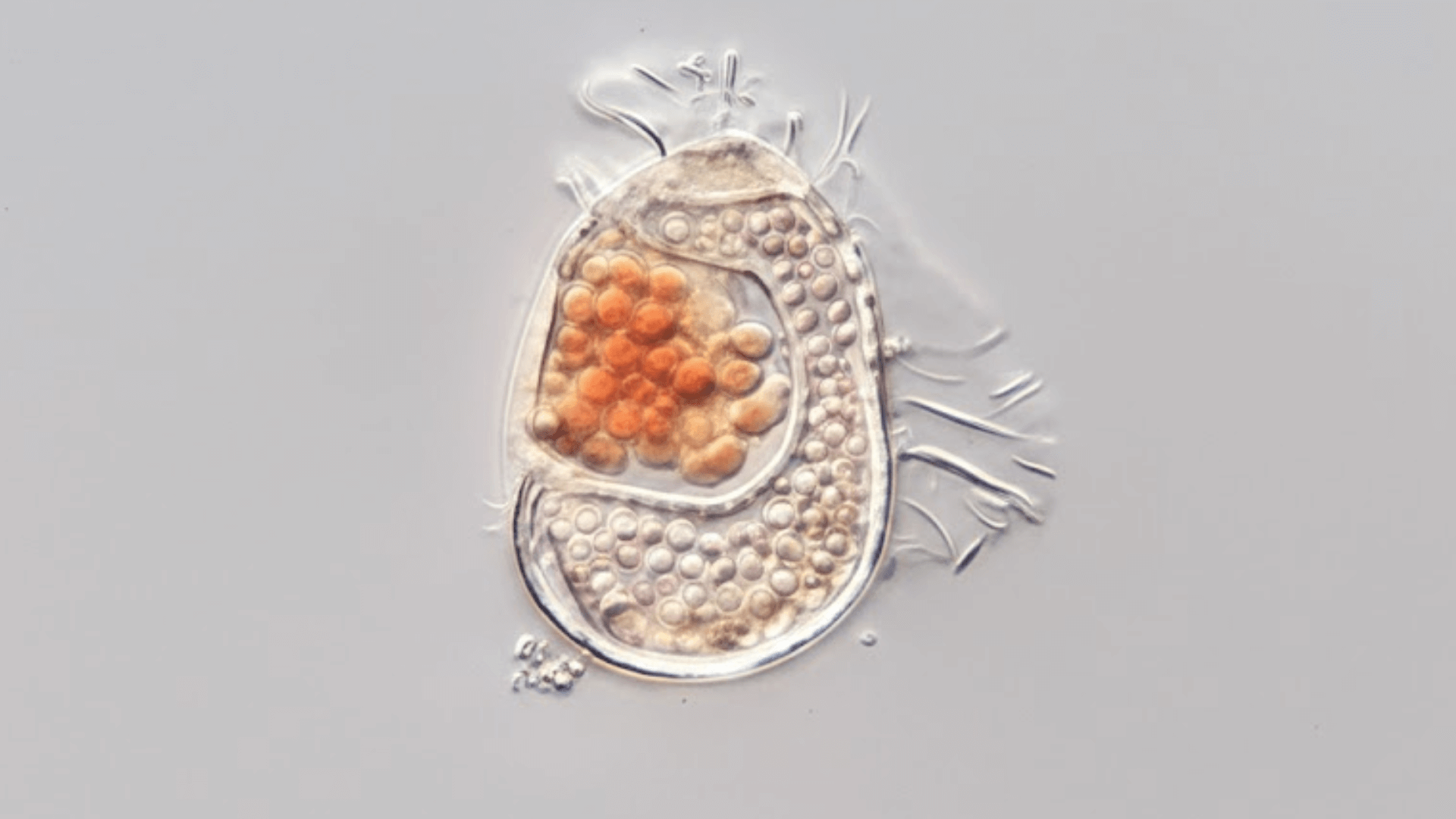
Scientists have uncovered a microscopic organism that defies one of biology’s oldest rules: what it means to be alive. Hidden inside marine plankton DNA, researchers identified an entity that doesn’t fit neatly into either the category of living cell or lifeless virus. Provisional analysis suggests this tiny microbe possesses enough cellular machinery to make its own proteins yet depends almost entirely on a host to survive. The discovery has stunned the scientific world, prompting experts to reconsider whether the boundary between life and non-life is as clear as textbooks claim. Could life exist on a biological spectrum instead of a strict yes-or-no?
How it was found

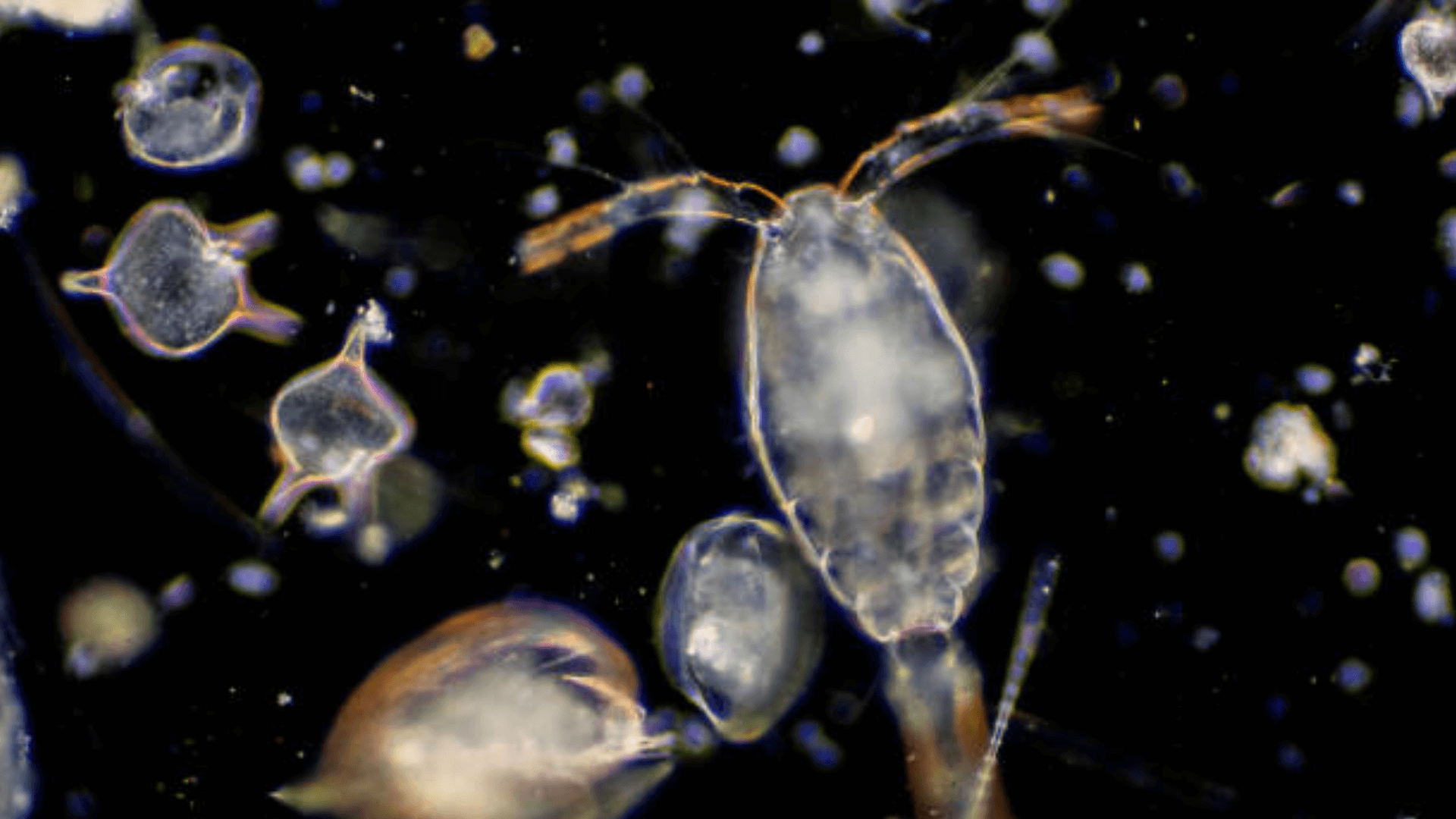
The breakthrough came by accident in 2024 when a team from Dalhousie University in Canada and collaborators in Japan were sequencing DNA from Citharistes regius, a species of marine plankton. Hidden in the genetic data was a tiny, unfamiliar loop of DNA that didn’t match any known organism. Further analysis revealed it belonged to a completely new microbe, later named Sukunaarchaeum mirabile; after a small Japanese deity, and this unexpected find challenged conventional biology from the outset.
Strangest genome on records
What makes this organism extraordinary is its incredibly reduced genome — roughly 238,000 base pairs — which is smaller than the smallest known genomes in comparable cellular life. For perspective, typical archaea have genomes about twice that size or more. This extreme reduction has stripped away almost all metabolic genes, leaving only the core functions needed for replication and protein production.
Life VS Virus
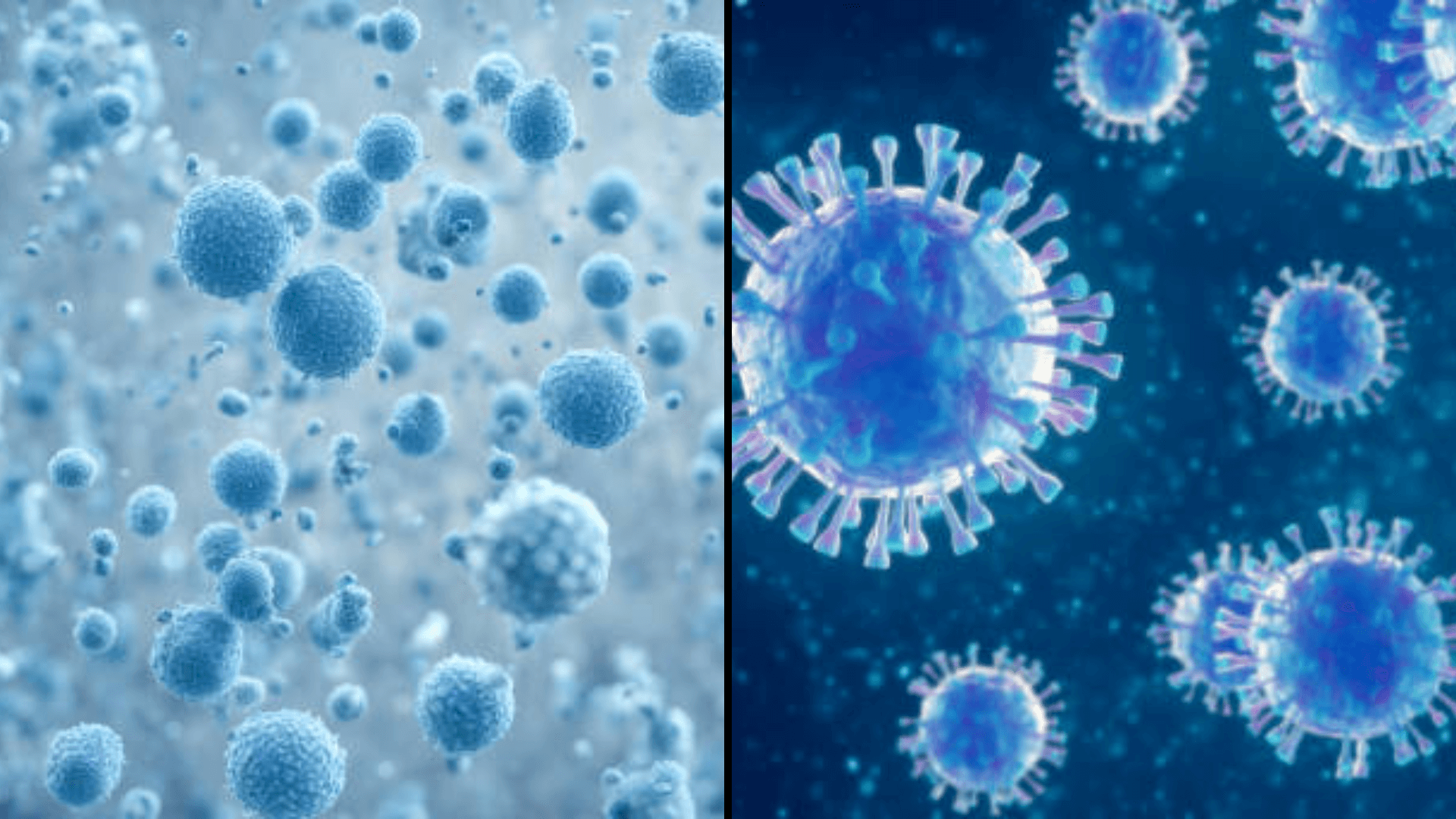
Traditional biology separates cells and viruses: cells carry out metabolism and reproduce independently, while viruses must hijack a host. Sukunaarchaeum sits awkwardly between these categories. Like viruses, it relies on its host for nearly all metabolic needs. But unlike viruses, it retains genetic machinery — including ribosomes and messenger RNA that allows it to replicate parts of itself. This hybrid nature challenges the strict definition of “living” that scientists have used for decades.
A cellular entity with a viral strategy
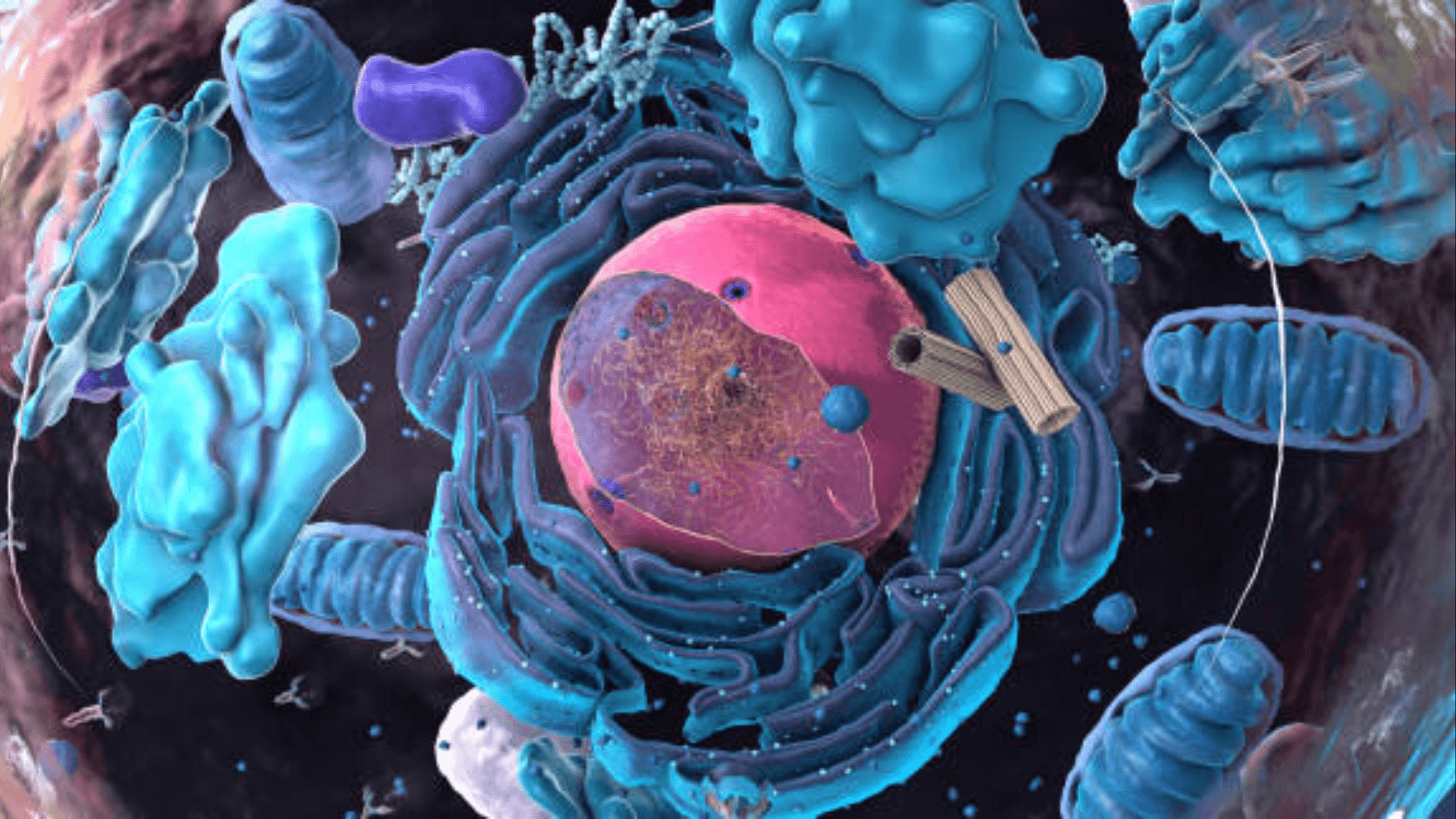
Although it lacks metabolic independence, Sukunaarchaeum still encodes proteins for DNA replication, transcription, and translation, central hallmarks of cellular life. These traits set it apart from viruses, which completely depend on a host’s replication machinery. Yet its obsessive focus on replication and lack of metabolism echo viral strategies more than typical cellular organisms, prompting researchers to call it a “replicative core.”
Life on a spectrum

This discovery suggests that life may not be a simple binary condition. Instead, biological existence could span a spectrum from fully independent cells, to dependent parasites, to entities like Sukunaarchaeum, and beyond. Scientists now debate whether life should be defined by independence, metabolic capability, or something else entirely — potentially rewriting how biology textbooks define life.
Why it matters
Sukunaarchaeum’s existence has implications far beyond marine microbiology. It may reshape how scientists search for life in extreme environments on Earth and even on other worlds. If life can exist in such a stripped-down form here, the criteria used by astrobiologists to identify extraterrestrial life may need reevaluation.
Origins and evolution insights

Paleobiologists see this microbe as a potential window into ancient life. Its extreme simplicity might mirror forms of life that existed billions of years ago, before modern cellular complexity emerged. Some theorize that early life on Earth may have included organisms with similarly minimal genomes, sharing resources within communities before evolving independence.
What’s next for research

Scientists are now exploring whether similar organisms exist in other ecosystems and attempting to identify the exact host of Sukunaarchaeum. Future work will examine how the microbe interacts with its host and whether its genome continues to shrink or remains stable. These studies could unlock deeper principles of life’s minimal requirements.
Conclusion

The discovery of Sukunaarchaeum mirabile may be one of the most thought-provoking biological findings in decades. It challenges the neat categories of life and non-life and compels scientists to think differently about what it means to be alive. Rather than rigid definitions, life may be more like a continuum with exotic organisms occupying places we never expected. So the next time you ponder what life is, remember: nature may still be hiding secrets that defy our simplest assumptions. What would you say qualifies as life today?