

Products are selected by our editors, we may earn commission from links on this page.
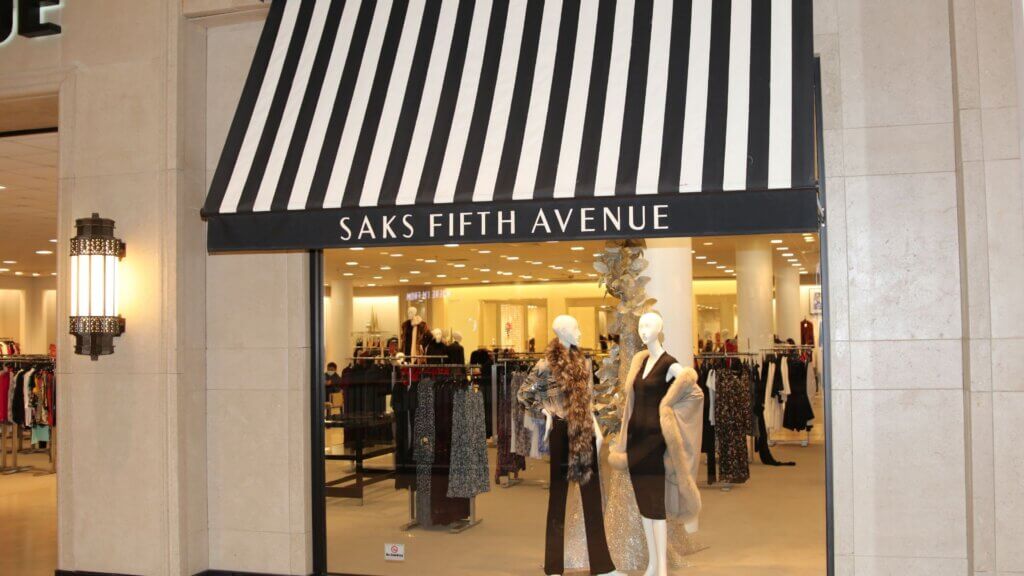
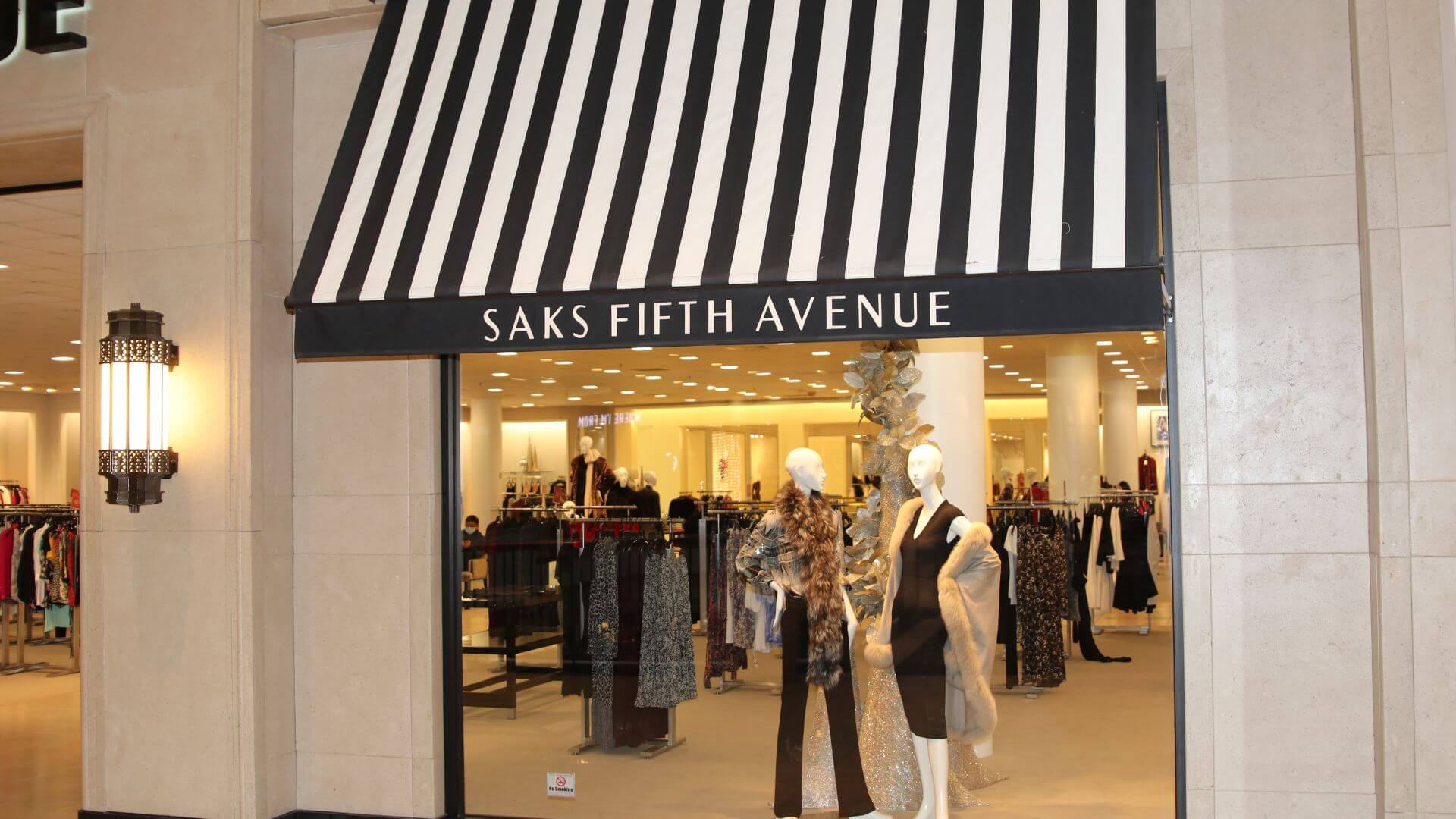
Saks Global has entered Chapter 11 bankruptcy protection with debt and assets listed as high as $10 billion, marking a turning point for one of the most recognizable names in luxury retail. The filing, made in federal court in Texas, follows months of financial strain tied to borrowing and changing consumer behavior. That backdrop frames a moment where shoppers still walk through store doors even as the balance sheet tightens behind the scenes.
At the center of the filing sits the company’s ownership of Saks Fifth Avenue, Neiman Marcus, and Bergdorf Goodman, a collection built through an ambitious acquisition completed just over a year ago. That deal expanded reach and scale, then quickly added pressure through debt service and supplier obligations. As that pressure built, payment timelines stretched and relationships with brands grew tense, creating uncertainty that reached far beyond corporate offices.
Now the company says stores will stay open as restructuring moves forward, supported by new financing commitments from lenders and creditors. Employees and suppliers remain part of that plan as management works through the court process. At the same time, the broader luxury sector faces slower sales as shoppers rein in discretionary spending, placing Saks Global’s next steps under close watch from vendors, investors, and customers alike.
Debt-Fueled Neiman Marcus Acquisition
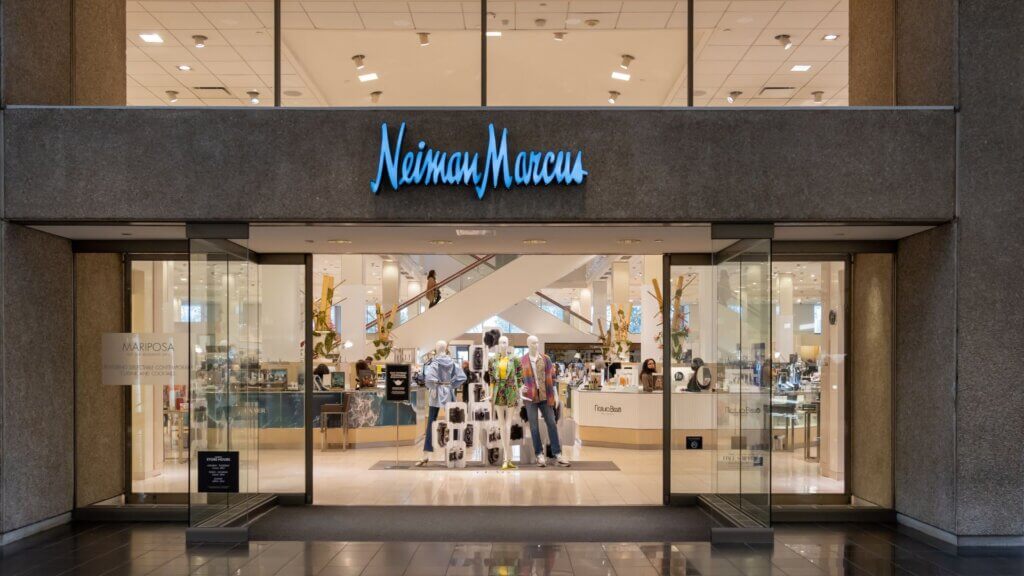
Saks Global’s bankruptcy filing traces back to its $2.65 billion purchase of Neiman Marcus in the summer of 2024. The deal aimed to combine two legacy luxury chains under one corporate structure. At the same time, the acquisition added a heavy debt load to a retailer already facing softer luxury sales.
As the transaction settled, pressure began to surface across supplier payments and operating cash flow. Payment timelines stretched as borrowing costs and interest obligations mounted. That strain surfaced quietly at first, then spread across brand relationships as invoices aged and deliveries slowed.
The debt tied to Neiman Marcus soon limited flexibility across the business. Financing commitments replaced long-term planning as lenders and creditors moved closer to daily operations. That dynamic set the stage for a court-supervised restructuring, where the acquisition that promised scale now defines the company’s financial reset.
Vendor Anxiety and Payment Delays

Vendor concern intensified as Saks Global struggled to keep pace with supplier obligations tied to rising debt. Brands began tracking unpaid invoices more closely as payment windows extended. As those delays accumulated, confidence across the supply chain thinned, and shipment schedules grew uncertain.
That uncertainty reached a sharper point when some vendors halted deliveries tied to earlier production cycles. Merchandise intended for late 2025 remained unsent as brands weighed financial exposure. According to industry lenders, some suppliers depended on Saks Global for nearly half of their annual business, which heightened anxiety around unpaid spring orders already sitting in warehouses.
As bankruptcy proceedings moved forward, vendors sought clearer payment assurances before releasing new inventory. Financing firms stepped in to underwrite shipments, yet approval depended on court oversight and lender backing. With stores staying open and restructuring underway, suppliers now watch the process closely while deciding how much risk they can absorb in the months ahead.
Court Oversight and an Industry Watching Closely

Court supervision now shapes how Saks Global operates day to day as restructuring moves through the Southern District of Texas. That venue has become a common destination for large corporate filings, offering faster timelines and predictable procedures. As hearings unfold, lenders, brand partners, and competitors track each decision for signals about repayment priorities and operating limits.
At the same time, the filing places Saks Global inside a growing wave of retail bankruptcies tied to inflation, borrowing costs, and cautious consumer spending. Other legacy chains have already downsized, liquidated locations, or gone private to regain control outside public markets. Saks now follows that path under tighter scrutiny, given its scale and its ties to global luxury brands.
As the process continues, outcomes may influence how future retail mergers get financed. Debt-heavy acquisitions face sharper questions from creditors and suppliers alike. With assets and liabilities listed as high as $10 billion, the case stands as a reference point for how much leverage luxury retail can carry before restructuring becomes unavoidable.