


Products are selected by our editors, we may earn commission from links on this page.

Breast milk is often described as the most complete source of nutrition an infant can receive, delivering calories, antibodies, and protection in a way no formula can quite replicate. Now, new research is adding a more complicated layer to that picture by looking at what else might be present in that milk besides nutrients.
An interdisciplinary team led by researchers at McGill University has detected traces of pesticide-related chemicals and other synthetic compounds in human milk samples from Canada and South Africa. The findings, published across several scientific papers, suggest that everyday exposure to pesticides, plastics, and personal care products can be reflected in the milk that infants drink.
Scientists involved in the research are clear on one point: breastfeeding remains strongly recommended. But they say the results highlight how widespread modern chemical exposure has become and why regulators may need to pay closer attention to what people encounter in food, products, and the environment long before pregnancy and breastfeeding begin.
What the Study Detected in Breast Milk Samples
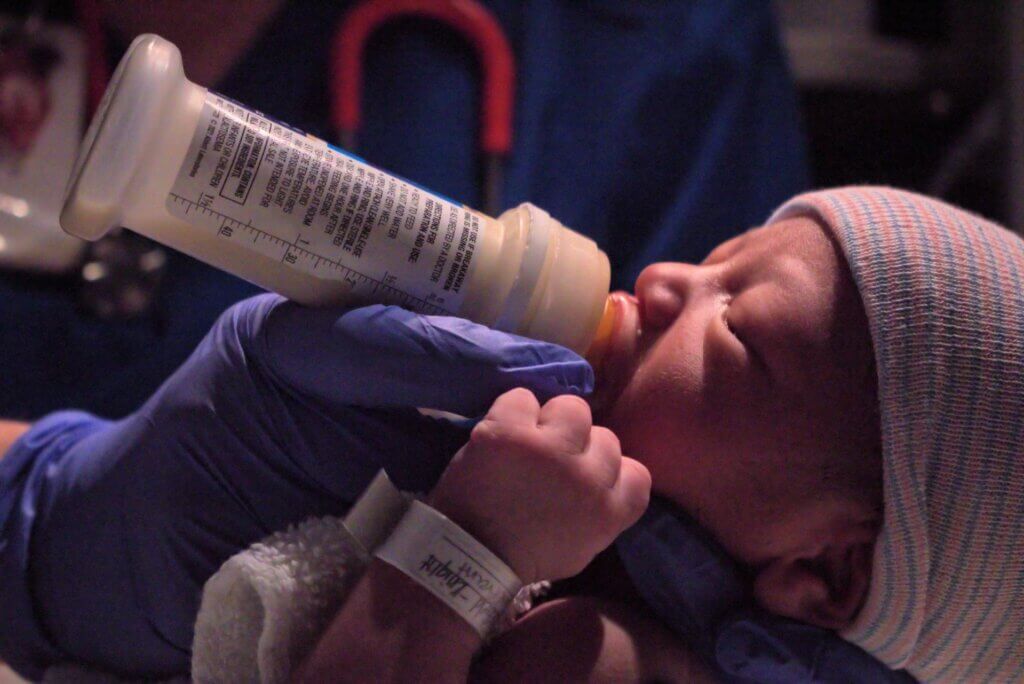
In the McGill-led project, researchers analyzed 594 human milk samples collected in Montreal and in two regions of South Africa between 2018 and 2019. Instead of testing for just a few known chemicals, they used high-resolution mass spectrometry and data-mining tools to conduct what’s known as a “non-targeted” analysis, scanning broadly for unexpected residues.
That approach turned up a range of compounds that had not previously been reported in human milk. According to McGill’s newsroom summary, the team identified pesticide-related chemicals like the agricultural herbicide propanil, antimicrobial ingredients such as chloroxylenol used in disinfectants, and plastic-related additives designed to stabilize packaging materials. They also found preservatives known as parabens, which are commonly added to soaps, cosmetics, and personal care products.
Stéphane Bayen, a co-author of the study and an associate professor of food science at McGill, emphasized that these substances were detected at low concentrations and that the health effects of many of them are not fully understood. “Despite these findings, breast milk remains ideal for infants,” he said in the university’s release, noting that it still provides essential nutrients and antibodies that protect against disease.
Why These Chemical Traces Are Raising Questions
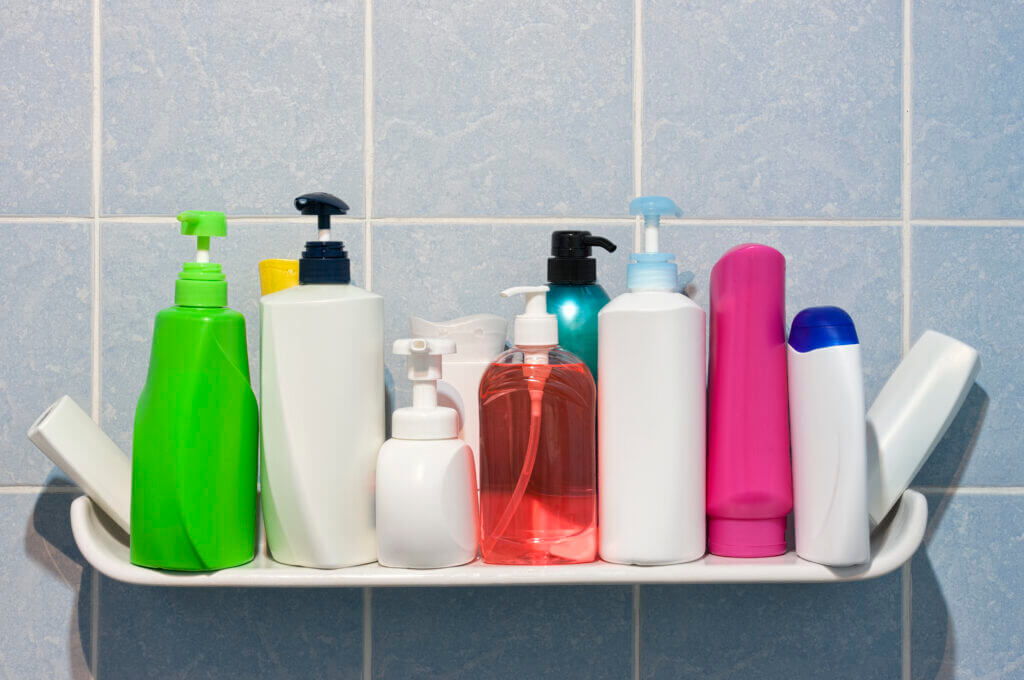
Although the levels were small, the study underscores how pervasive synthetic chemicals have become in modern life. The Geneva Environment Network’s overview of plastics and human health notes that people are exposed to thousands of chemicals and microplastics through air, food, water, and direct skin contact, with microplastics now detected in human blood, lungs, placentas, and breast milk.
Some of the compounds identified in the milk samples, such as parabens and plastic additives, have been studied as potential endocrine-disrupting chemicals, meaning they may interfere with hormone systems that help regulate growth and development. A review of personal care products in Biocatalysis and Agricultural Biotechnology points out that ingredients like parabens, triclosan, and certain phthalates are widely used in deodorants, shampoos, and cosmetics, and can persist in the environment and human body over time.
McGill researchers also reported that concentrations of some bisphenols, a family of chemicals used in plastics, were associated with altered growth among infants in the South African cohort, though they cautioned that this was an early finding that needs more study before firm conclusions can be drawn. Epidemiologist Jonathan Chevrier, a co-author on the work, stressed that this is the first large study of its kind and that replication is essential to understand what these correlations really mean for long-term health.
What This Means for Parents, Policy, and the Future

For parents, the message from researchers is not to abandon breastfeeding, but to view these results as a window into broader environmental conditions. Breast milk, they note, reflects a lifetime of exposures, from food packaging and household cleaners to personal care products and pollution, many of which are difficult for individuals to control on their own.
Public health advocates argue that the findings strengthen the case for tighter oversight of chemicals used in consumer goods and plastics. The Geneva Environment Network highlights that more than 16,000 chemicals are used in plastic production worldwide, with thousands flagged as substances of concern, and that many of these additives can act as endocrine disruptors linked to reproductive, metabolic, and cardiovascular problems.
As scientists continue to map how pesticides, plastic additives, and other contaminants move through ecosystems and into human bodies, studies like this one provide baseline data that regulators can use to reassess safety standards. In the long run, the researchers hope that understanding what ends up in breast milk will support policies that reduce unnecessary chemical exposure, so that breastfeeding can remain not only the gold standard for infant nutrition, but also a clearer reflection of healthier environments for families.