

Products are selected by our editors, we may earn commission from links on this page.
Donald Kinsella had barely settled into his new role as U.S. Attorney for the Northern District of New York when his tenure came to a stunning halt. Sworn in during a private virtual ceremony, the 79-year-old veteran prosecutor officially accepted the position, only to receive notice hours later that he was being removed. The reversal happened so quickly that it left legal observers scrambling to understand what had just unfolded.
The dismissal reportedly came via email from a White House personnel official. Soon after, Deputy Attorney General Todd Blanche publicly reinforced the decision, writing that U.S. Attorneys are appointed by the president—not judges—citing Article II of the Constitution. The blunt message underscored the administration’s position that the judiciary had overstepped. The speed and tone of the firing immediately ignited debate over executive authority and separation of powers.
Kinsella later told reporters he was unsure whether the firing was legally valid and planned to consult with the federal judges involved. His uncertainty adds another layer to an already chaotic situation. Being hired and terminated in less than five hours is almost unheard of at this level of federal law enforcement, raising questions about process, protocol, and whether this clash could escalate into a broader constitutional standoff.
The Legal Tug-of-War Behind the Scenes
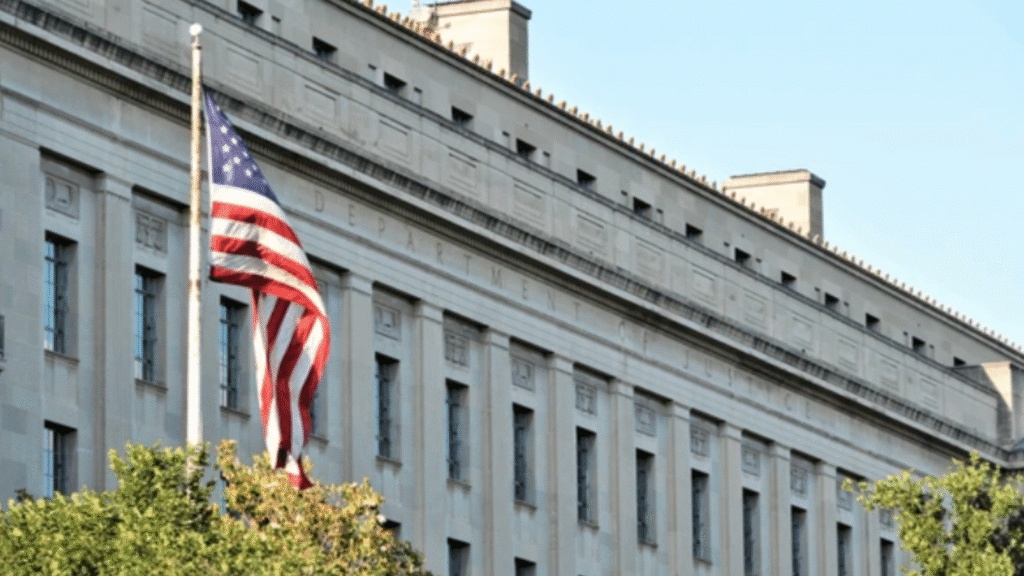
At the heart of the controversy is how Kinsella was chosen. Federal judges had stepped in to appoint him after determining that the previous interim U.S. Attorney’s term had expired under the Federal Vacancies Reform Act. That earlier appointee, John A. Sarcone III, had been serving beyond his authorized 210-day window, according to a January ruling. The judges’ move was meant to restore compliance, but it triggered executive pushback instead.
Sarcone’s situation had already been complicated. Though initially installed on an interim basis by the Attorney General, he lacked prior prosecutorial experience and reportedly clashed with members of the bench. When judges declined to permanently install him, it was viewed as a public setback. Yet after being ruled unlawfully in office, Sarcone was reassigned under a different title, effectively keeping him within the Justice Department structure.
That maneuver set the stage for Wednesday’s drama. With a ruling pending on Sarcone’s office request for a stay, the sudden installation—and removal—of Kinsella adds further confusion. Who legally holds authority over the district now? The episode highlights a murky intersection of executive appointments and judicial authority, with no immediate clarity about what happens next. For observers, it’s less about personalities and more about institutional power.
Who Is Donald Kinsella?

Kinsella is not a political newcomer. A Boston University School of Law graduate, he built decades of prosecutorial experience across New York. Early in his career, he served as an assistant state attorney general and assistant district attorney in Monroe County. His résumé reflects traditional law enforcement credentials, not partisan activism, making the abrupt termination all the more surprising to those familiar with his background.
From 1989 to 2002, Kinsella worked as an assistant U.S. attorney in Albany. During that time, he led the criminal division and headed the Organized Crime Drug Enforcement Task Force. His record includes handling complex criminal investigations and overseeing federal prosecutions. After leaving government service, he joined private practice, most recently serving as senior counsel at a prominent New York law firm.
At 79, Kinsella represents a generation of prosecutors shaped by decades of federal criminal enforcement. Supporters say his experience made him a stabilizing choice amid turmoil. Critics argue that regardless of qualifications, appointment authority ultimately rests with the president. That tension, experience versus executive prerogative, now sits at the center of the dispute, transforming what might have been a routine transition into a headline-grabbing flashpoint.
What Happens Now?
The immediate future of the Northern District of New York remains uncertain. If Kinsella challenges his dismissal, the matter could evolve into a legal test case about judicial appointment powers when executive vacancies expire. Alternatively, the White House could quickly nominate another candidate, resetting the process through Senate confirmation. Either path would prolong scrutiny over how this situation unfolded in the first place.
Politically, the optics are explosive. A hiring-and-firing window of less than five hours feeds perceptions of instability inside federal institutions. Supporters of the administration see it as a necessary assertion of presidential authority. Detractors view it as executive overreach. The constitutional language may be clear on paper, but its application in edge cases like this is anything but straightforward.
Beyond legal technicalities, the incident raises a broader question: How resilient are America’s appointment systems under political strain? U.S. Attorneys wield significant power over federal prosecutions. When leadership changes become chaotic, public trust can erode. Whether this episode becomes a footnote or a landmark dispute will depend on what happens next, but for now, it stands as one of the shortest tenures in modern federal history.