

Products are selected by our editors, we may earn commission from links on this page.

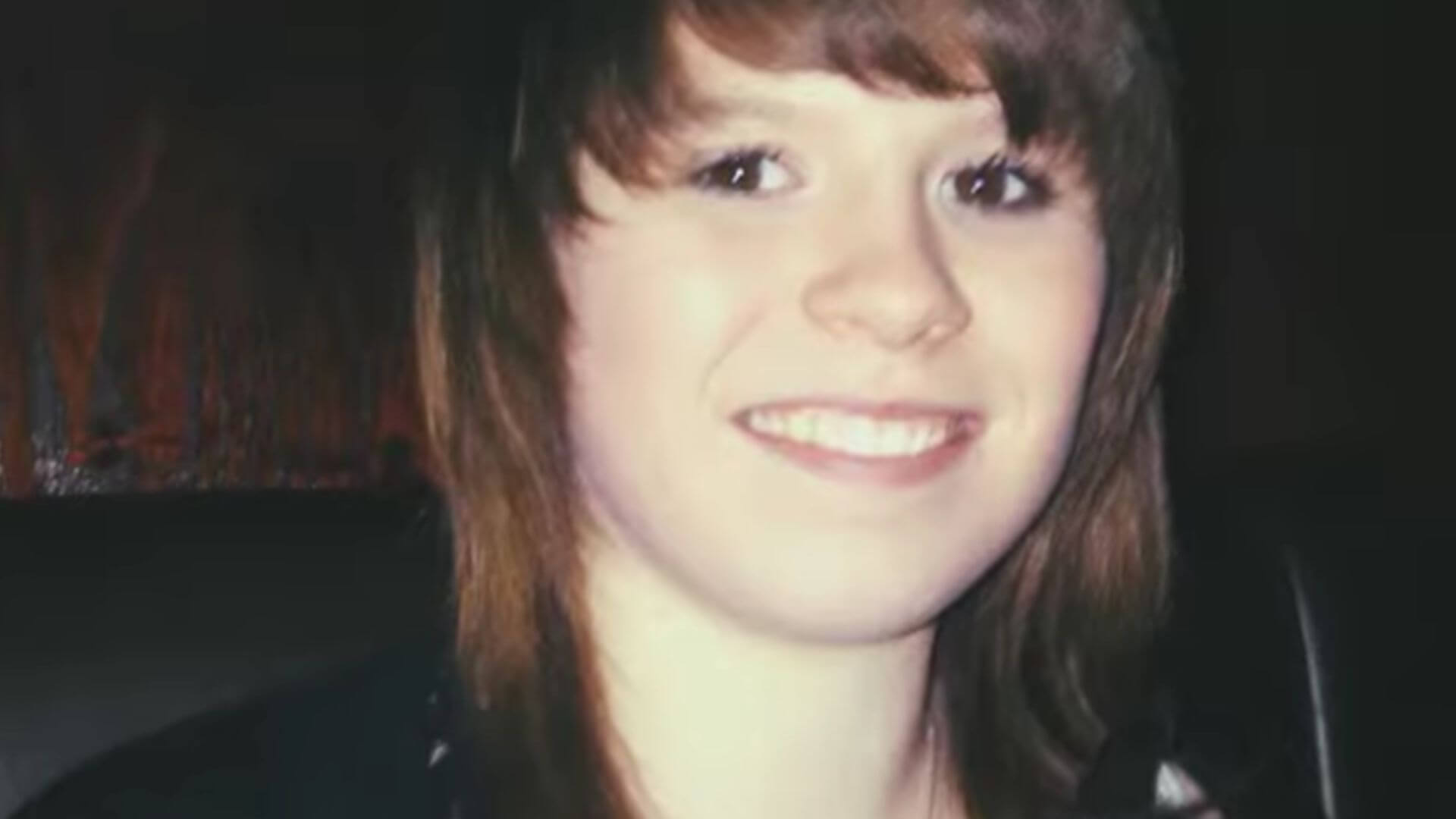
She drove them to parties, slept over at their houses, and knew their deepest secrets. Gemma Barker, 19, from Staines, Surrey, seemed like the perfect best friend. But behind that familiar face, she was quietly building something sinister — three fake teenage boys designed to make her closest friends fall in love with her.
It Started With a Simple Question About Boys
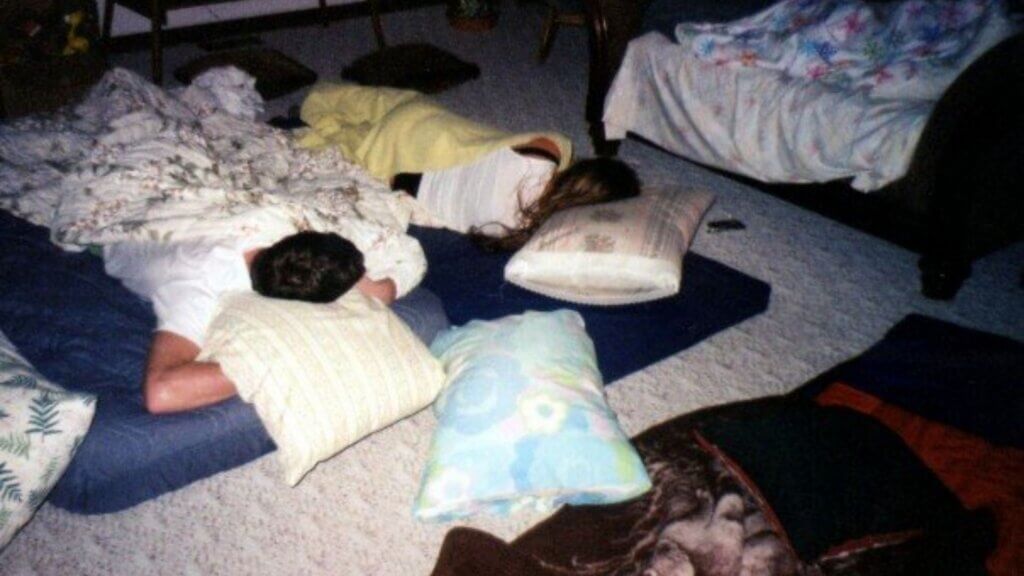
During sleepovers and casual hangouts, Barker asked her two best friends — 15 and 16 years old — what their ideal boyfriend would look like. It seemed like normal girl talk. But Barker was taking mental notes. She was already planning to become the boys they described — manufactured to order, tailored to each girl’s romantic fantasies.
Three Boys, One Girl Behind the Mask

Using Facebook, MSN Messenger, and dedicated mobile numbers, Barker built three fictional male identities: Aaron Lampard, Luke Jones, and Connor McCormack. Each had his own profile photo — stolen from real boys online — his own personality, and his own backstory. What started as catfishing was about to turn into something much more dangerous.
Aaron Lampard: The First Fake Boyfriend
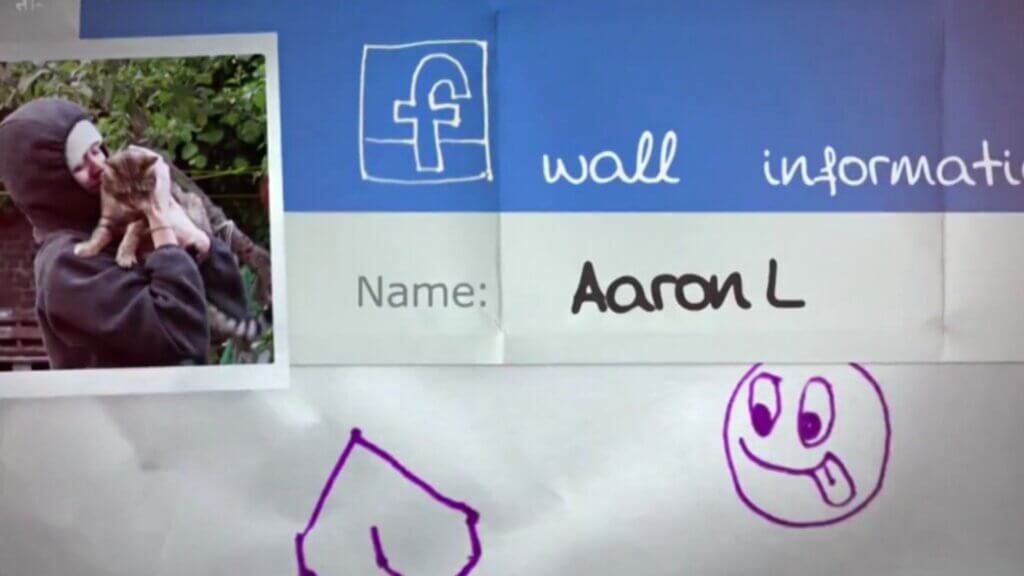
Aaron was Barker’s opening move. Confident and chatty with a tragic family backstory, Aaron befriended both girls online before one of them, referred to in court as “Alice”, began dating him. He would hold three-way phone calls with both girls simultaneously, cementing trust. Alice had no idea her boyfriend was actually her female best friend wearing baggy clothes and a baseball cap.
Luke Jones: The Boy Who Pushed Too Far
Next came Luke. A “cheeky, cocky” 17-year-old was introduced to Jessica Sayers through Aaron’s online prompting. He wore hoodies and sporty clothes, with stolen Facebook photos showing a blond, spiky-haired teen. The relationship collapsed and so Barker simply deleted Luke and invented someone new.
Connor McCormack: The Love That Wasn’t Real
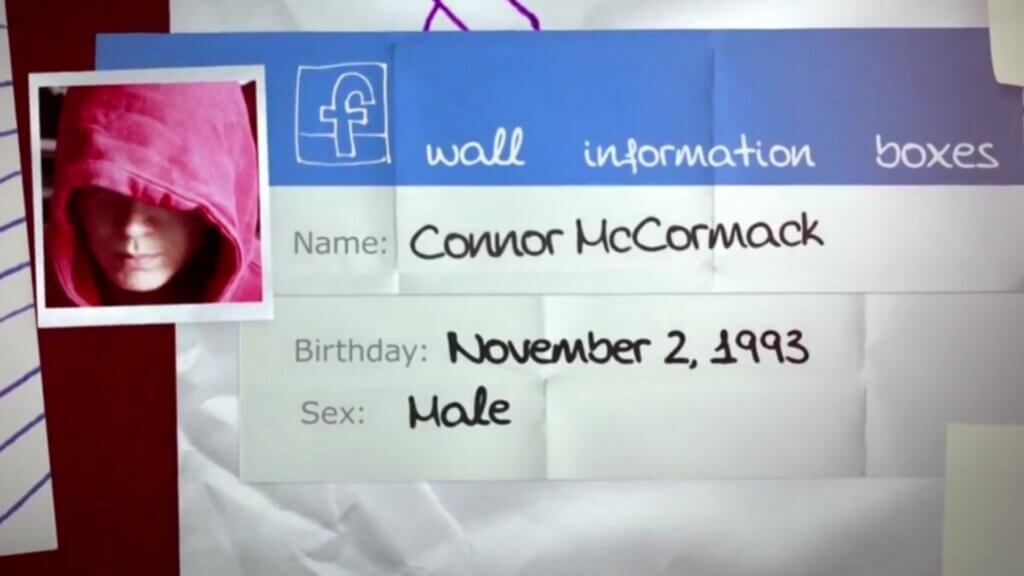
Connor appeared as a “shoulder to cry on” after Jessica’s painful split from Luke. Quiet, shy, and preppy, he always wore a beanie, claiming he had alopecia. Jessica fell completely. She described Connor as speaking “like a softly-spoken British version of Justin Bieber.” For four months, she believed she had found her first true love. She was wrong about everything.
Hats, Hoodies, and Baggy Clothes

In real-life meetings, Barker relied on a surprisingly simple disguise: oversized lads’ clothes, beanie hats pulled low, and hooded tops hiding her face. She was described as flat-chested, which helped sell the illusion during physical contact. Even the parents of one victim met “the boy” and were fooled despite having already met Gemma Barker by name. However, the next part really stunned the courtroom.
The Girls Knew Gemma And Still Didn’t Recognize Her
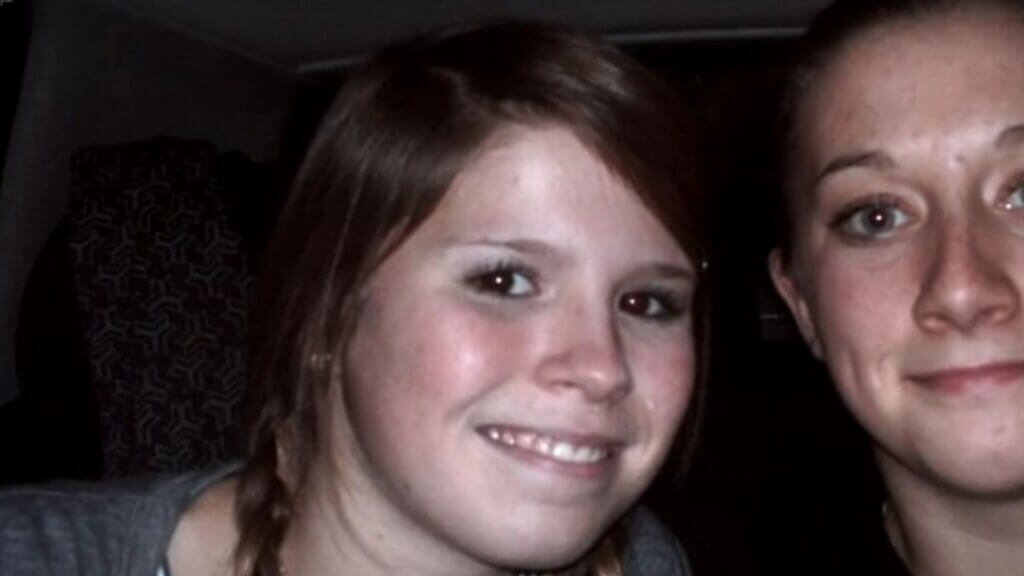
Both girls knew Barker personally. They had laughed with her, trusted her, and confided in her. Yet when she showed up as Aaron, Luke, or Connor, they saw only the boy. Prosecuting counsel Ruby Selva told Guildford Crown Court that “even at this stage she didn’t realise it was the defendant” — even when one girl suspected something was wrong.
The Moment the Hat Slipped
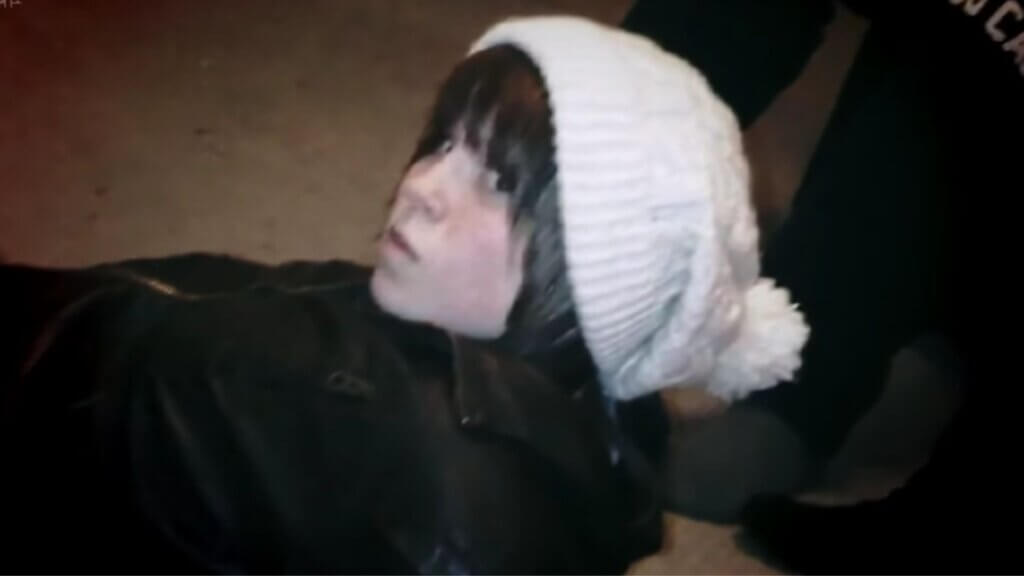
The entire illusion collapsed in a single, chilling moment. After assaulting Jessica, “Connor” fell asleep in bed beside her. His beanie hat slipped. Jessica froze. She thought she was staring at Aaron, her friend’s boyfriend, pretending to be Connor. She didn’t yet realize they were the same person. But she was close to the truth, and the clock was now ticking for Barker.
A Web Held Together by Six Fake Characters
To prevent the truth from unraveling, Barker invented three more characters: Connor’s twin brother Andy, a schoolfriend named Jess Balet who begged Jessica not to break Connor’s heart, and Harry Sinclair, who messaged Jessica claiming he — not Connor — had committed the assault. Six fictional people, all operated by one real woman, desperately maintaining a crumbling lie.
Jessica’s Heartbreak in Her Own Words
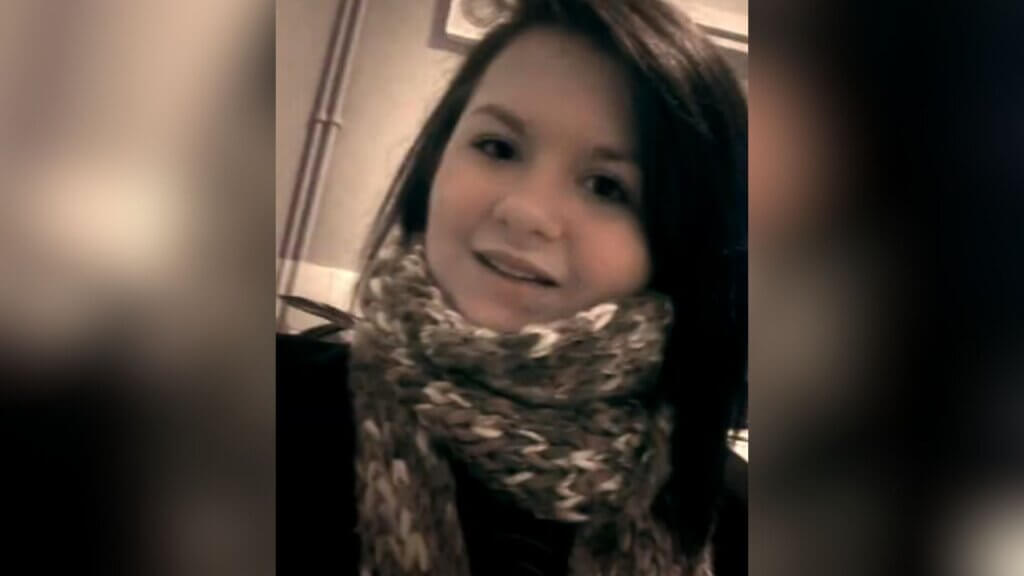
Jessica Sayers, who later waived her anonymity, described the psychological devastation with raw clarity. “Nobody knows what it’s like to be told the person you love and want to spend the rest of your life with is not real,” she said. She reached the brink of ending her life, carrying paracetamol in her dressing gown pocket.
Taking the Extremes

Barker’s deception reached a new extreme when she tried to profit from it financially. She allegedly broke her own jaw, then filed a claim with the Criminal Injuries Compensation Board — stating that her own fictional character, Luke Jones, had assaulted her. The fraud charge was added to her list of crimes. Judge Peter Moss called it a scheme with “a very mean and manipulative streak to it.”
The Police Investigation Unravels Everything

Jessica eventually reported the assault to the police, three weeks after it happened. Detectives launched a detailed investigation, tracing the Facebook profiles of all three fake boys and contacting their digital “friends.” The inquiry ultimately confirmed what had seemed almost impossible: the three teenage boys were the same person, and that person was a young woman the victims already knew.
The Arrest
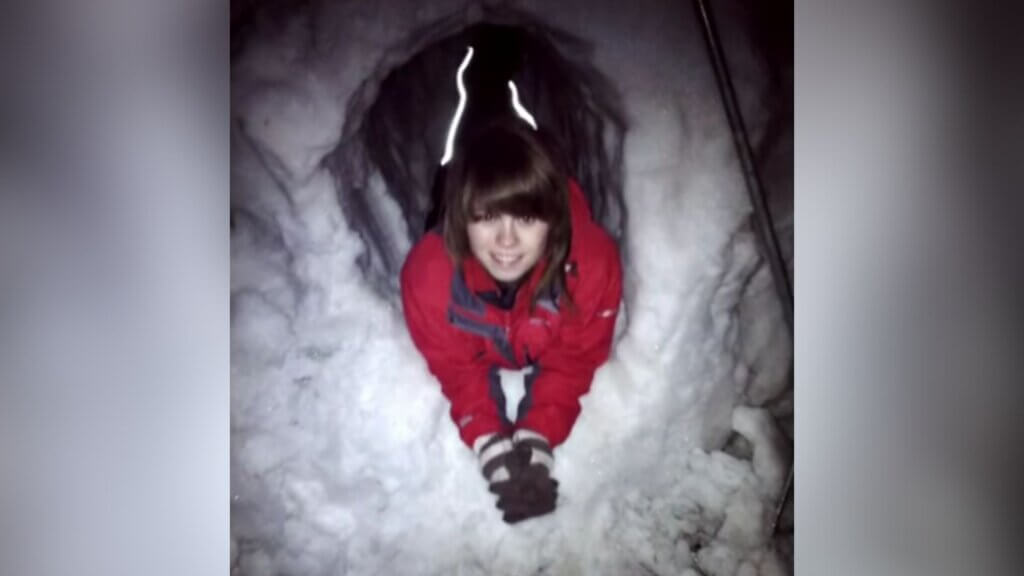
When police moved in, Barker was in the park dressed as Aaron. She was arrested in full male disguise. It wasn’t until officers conducted a strip search at the police station that her true identity was physically confirmed. Even experienced officers were initially deceived. The “mistress of disguise,” as the court would later call her, had been performing until the very end.
Guilty on All Counts
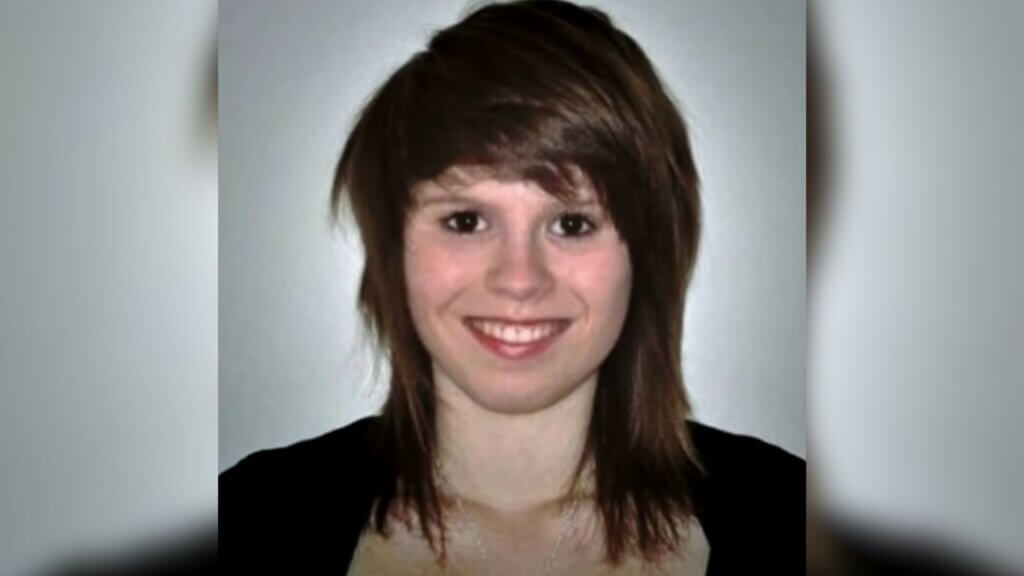
Barker pleaded guilty to two specimen charges of assault and one count of fraud at Guildford Crown Court in January 2012. Her defense counsel noted she had no prior criminal record and appeared to have a disorder on the autism spectrum. She had acted, said her lawyer, out of loneliness, creating the “ideal boys” her friends wanted so she would not lose their friendship.
“Mad and Dangerous to Know”
Judge Peter Moss did not mince words. He described Barker as someone who had carried out “a convoluted deception of everyone she met” and warned she was “potentially very damaging to other people.” He deliberated over whether mental health treatment was more appropriate than prison, but ultimately ruled the offenses were too serious. On March 5, 2012, he sentenced her to 30 months.
A Documentary, a Register, and a Lasting Scar
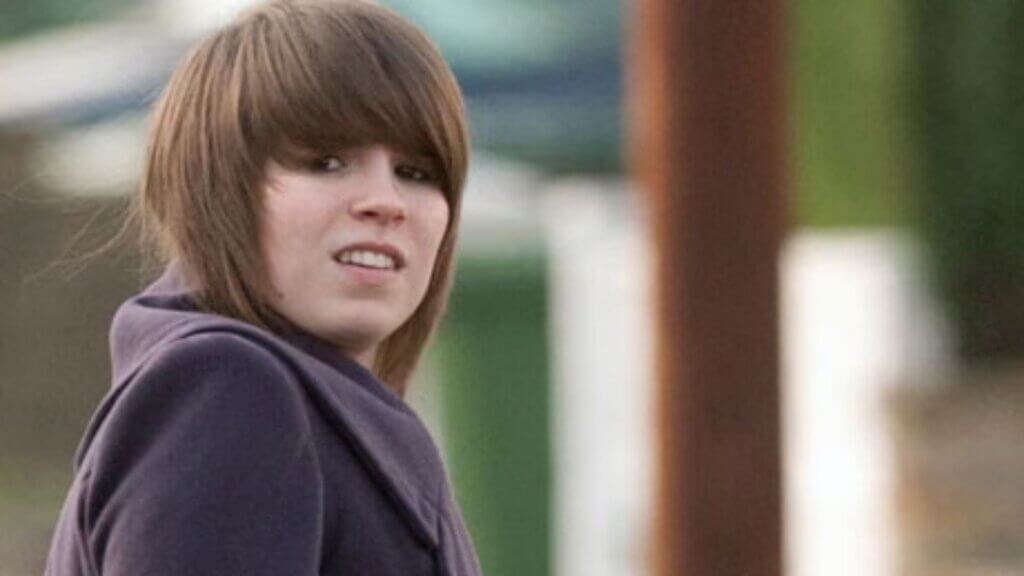
Barker was also ordered to sign the Offenders Register. Her case later inspired a Channel 4 documentary, The Girl Who Became Three Boys, featuring both victims speaking on camera. The film explored not just the crimes but the deeper psychology behind them — a lonely young woman who built an entire universe of fake people to feel close to the real ones she feared losing.
The Boy Who Never Existed Left the Deepest Mark

Gemma Barker served her sentence. But for Jessica Sayers, the damage outlasted the prison term. “I wake up hoping he is going to be real,” she said. Connor McCormack — the boy with the beanie hat and the quiet voice — never existed. Yet the grief of losing him was real enough to nearly cost Jessica her life. Some fictions, it turns out, leave the most lasting wounds.