

Products are selected by our editors, we may earn commission from links on this page.
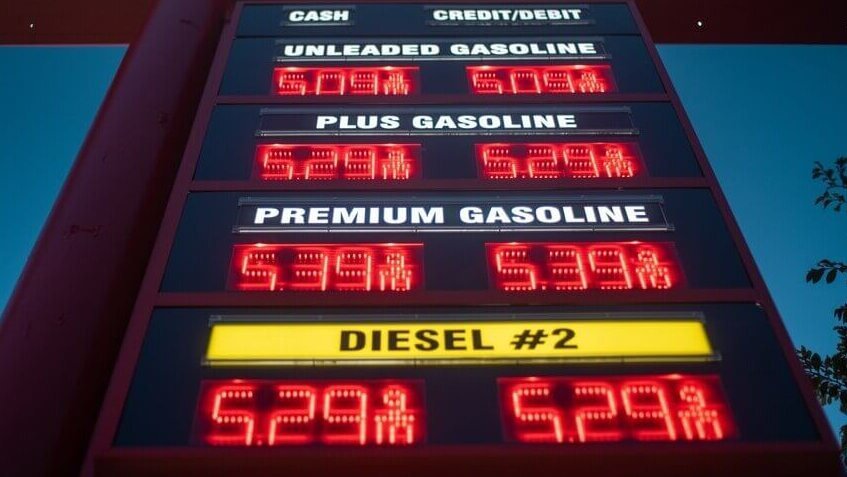
Just days after U.S. and Israeli military strikes on Iran escalated tensions in the Middle East, gas prices across the United States surged by more than 50 cents in a single week. For drivers watching global headlines and pump displays at the same time, the connection felt immediate and unsettling.
The national average has climbed into the mid-$3 range, with some states seeing far sharper increases. California has once again crossed the $5 mark, while other states are creeping toward $4, a level many Americans associate with financial strain. The speed of the increase has been one of the fastest weekly jumps in years.
It is not just the cost that is raising concern. It is what the spike represents. When global conflict disrupts energy markets, fuel prices are often the first warning sign at home. And this time, the surge has drivers wondering whether the worst is already behind them or just beginning.
How the Conflict Is Driving Prices Higher

Oil markets react instantly to instability, especially when it involves key shipping routes. The recent strikes involving Iran rattled traders because of fears tied to the Strait of Hormuz, a narrow waterway through which roughly one fifth of the world’s oil supply passes. Even the threat of disruption can tighten supply and push prices higher.
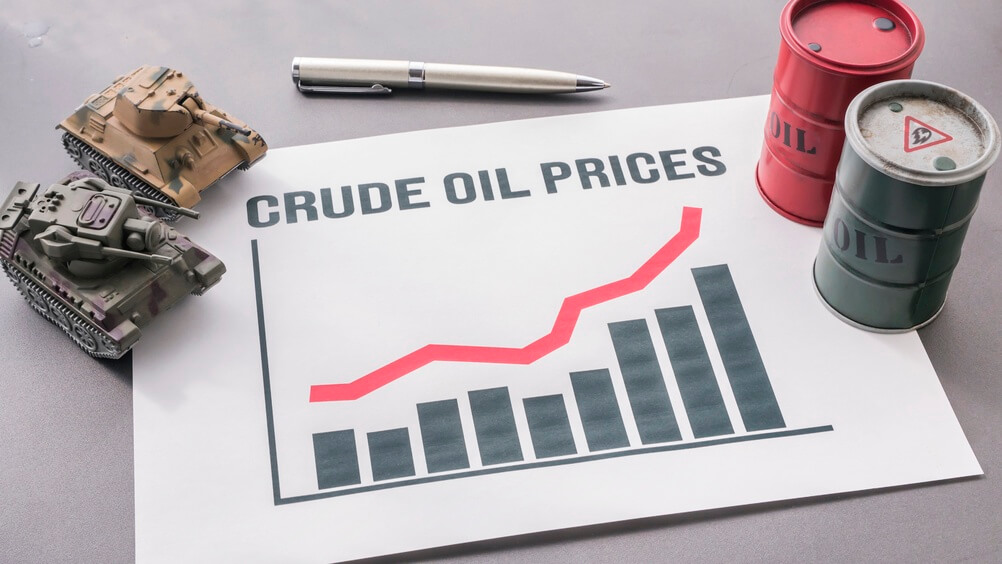
Crude oil briefly climbed above $100 per barrel before retreating, but that short-lived spike was enough to ripple through fuel markets. Because crude accounts for roughly half to 60 percent of what drivers pay at the pump, gasoline prices tend to follow oil’s movements quickly.
At the same time, refiners were already transitioning to more expensive summer fuel blends. Seasonal demand is beginning to build, and those factors were already putting upward pressure on prices. The conflict did not create the rise alone, but it accelerated it sharply.
Could Prices Climb Even Higher?
The big question now is whether this surge stops here. Analysts say much depends on how long tensions continue and whether oil flows remain steady. If the Strait of Hormuz stays open and markets calm, prices could stabilize in the mid-$3 range rather than continue climbing.
However, if disruptions deepen or expand, national averages could approach $4 per gallon in the coming weeks. Some forecasts suggest that in a more severe scenario, $5 gasoline is not out of the question, especially in states already facing high fuel costs.
Recent data shows that since the beginning of March, national averages have climbed more than 55 cents. Several states have seen jumps of 60 cents or more in a single week. Those rapid increases are what make drivers nervous. They suggest how quickly conditions can change.
Why This Spike Feels Different
Gasoline is one of the few prices Americans see almost daily, displayed in large digits on every major road. When it rises gradually, people adjust. When it jumps overnight, it feels personal.
Research shows that once prices approach $4 per gallon, consumer behavior begins to shift. Drivers combine errands, delay travel, and cut back in other areas of spending. That ripple effect can spread into restaurants, retail, and travel.
For now, oil has pulled back from its brief highs, which could slow further increases. But markets remain volatile, and global tensions are unresolved. That uncertainty is what lingers. Drivers are not just reacting to this week’s spike. They are watching to see whether it signals a short-lived jolt or the start of another long, expensive stretch at the pump.