

Products are selected by our editors, we may earn commission from links on this page.
Meta’s AI-powered Ray-Ban smart glasses are marketed as the future of wearable technology. With a simple voice command or button press, users can record video, take photos, and ask questions about the world in front of them. The pitch is convenience: hands-free access to artificial intelligence that blends seamlessly into daily life.
But in early 2026, a joint investigation by Swedish newspapers Svenska Dagbladet and Göteborgs-Posten revealed a less visible side of that technology. Contractors in Nairobi, Kenya, working on AI data annotation, reported reviewing footage captured through the glasses as part of Meta’s training and quality control systems. Some workers said they had seen highly personal scenes, including people undressing, using the bathroom, or engaging in intimate activity.
Meta has maintained that media stays on a user’s device unless the user chooses to share it, and that shared content may be reviewed to improve AI performance. Still, the investigation raised a critical question: Do users clearly understand when and how their interactions with Meta AI can enter human review workflows?
The Hidden Workforce Training the AI

Artificial intelligence systems do not improve on their own. Behind every smooth voice response and accurate visual interpretation is a network of human reviewers who label data, verify outputs, and correct mistakes. In this case, the Swedish investigation found that contractors working for Sama, a Nairobi-based outsourcing firm, were among those reviewing footage and transcripts connected to Meta’s smart glasses.
Workers described their job as annotating video clips and evaluating whether the AI assistant responded correctly to user prompts. According to their accounts, the system is designed to blur faces and filter sensitive content before review. However, some contractors claimed that these protections do not always work perfectly, and that faces or private details sometimes remain visible.
Meta’s AI terms of service state that user interactions may be reviewed either automatically or manually. While such practices are standard across the tech industry, critics argue that wearable devices introduce a new level of intimacy. Unlike social media posts or typed messages, first-person video can capture deeply personal moments in real time, making human review feel more intrusive than traditional data processing.
Why Smart Glasses Raise Unique Privacy Risks
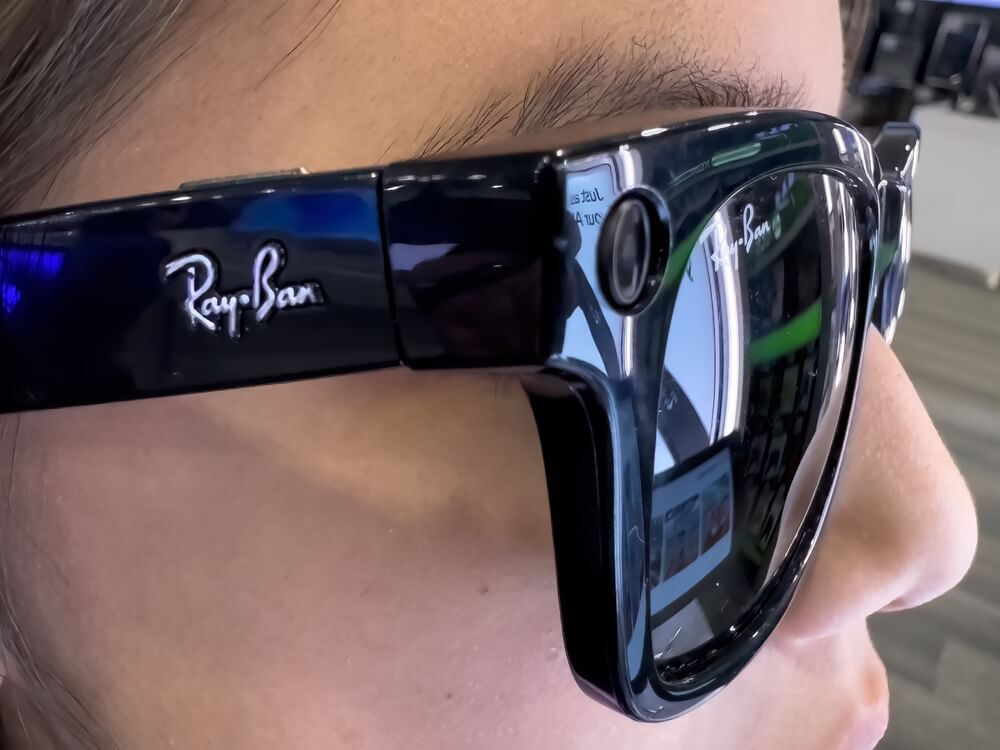
Smart glasses do not secretly record. Users must activate recording by pressing a button or using a wake phrase, and an LED light indicates when the camera is on. The device does not record continuously. However, once a user engages the AI features, such as asking the glasses to identify something in view, the captured media must be processed through Meta’s servers for the AI to function. That cloud-based processing is built into how the product operates.
Under Meta’s terms, when users share content with Meta AI, those interactions may be analyzed to improve system performance. In some cases, that can include manual review by contractors. For many consumers, the distinction between recording something for personal use and sharing content with an AI system may not feel obvious. Yet from a technical standpoint, once AI processing is involved, data can move beyond the device itself.
There is also the possibility of unintended capture. Because the camera sits at eye level and can be activated quickly, a user might begin recording for one reason and forget to turn it off. In the investigation, contractors described instances in which glasses appeared to continue recording after being set down in private settings. The issue is not hidden surveillance by the device, but how easily first-person technology combined with cloud processing can extend the reach of everyday moments beyond what users anticipate.
Regulators, Policy, and the Global Data Question
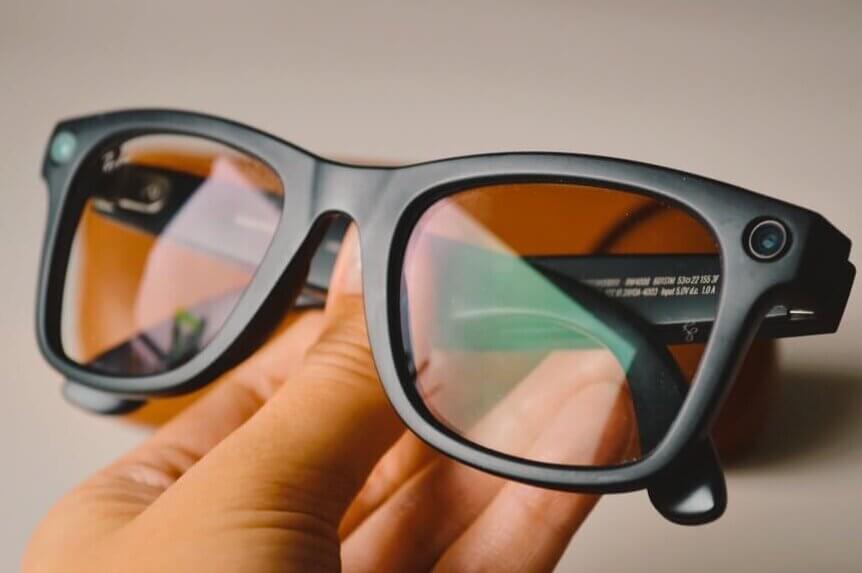
The controversy has not remained confined to headlines. The UK’s Information Commissioner’s Office said it would contact Meta following reports that contractors may have reviewed sensitive footage. The regulator emphasized that companies must clearly explain what data is collected, how it is used, and how users retain meaningful control over their information.
The investigation also highlighted the complexity of cross-border AI training. Because some annotation work takes place in Kenya, questions have emerged about international data transfers. Under European data protection law, companies must ensure that personal data transferred outside the EU receives safeguards equivalent to those within it. Legal experts note that as AI systems rely on global workforces, compliance becomes more layered and difficult to monitor.
More broadly, the debate reflects a turning point in wearable technology. As devices become more immersive and AI-driven, the boundary between personal data and processed data grows thinner. The discussion surrounding Meta’s smart glasses is not only about one company’s practices. It signals a larger reckoning over transparency, consent, and accountability in the age of always-connected AI tools.