


Products are selected by our editors, we may earn commission from links on this page.

Gas prices across the United States are climbing sharply, and the surge is being closely tied to escalating tensions in the Middle East. As conflict intensifies in one of the world’s most critical oil-producing regions, the ripple effects are being felt almost immediately at the pump. Recent data shows the national average for gasoline jumping significantly in just a matter of weeks, with some areas seeing increases of nearly a dollar per gallon compared to last month.
At the center of the disruption is the Strait of Hormuz, a narrow but vital shipping route through which roughly 20 percent of the world’s oil supply typically flows. Ongoing military conflict and blockades in the region have slowed or halted shipments, tightening global supply and pushing oil prices higher. As crude oil costs rise, gasoline and diesel prices follow, creating a direct link between geopolitical instability and everyday expenses for American drivers.
The impact is already visible nationwide. Gas prices have climbed to their highest levels in months, with diesel surging even more dramatically. In some cases, diesel has crossed the $5-per-gallon mark, highlighting how quickly energy markets react to supply shocks. Analysts warn that unless tensions ease, Americans could continue seeing higher costs not just at the pump, but across the broader economy.
Why Middle East Conflict Is Driving Prices Higher
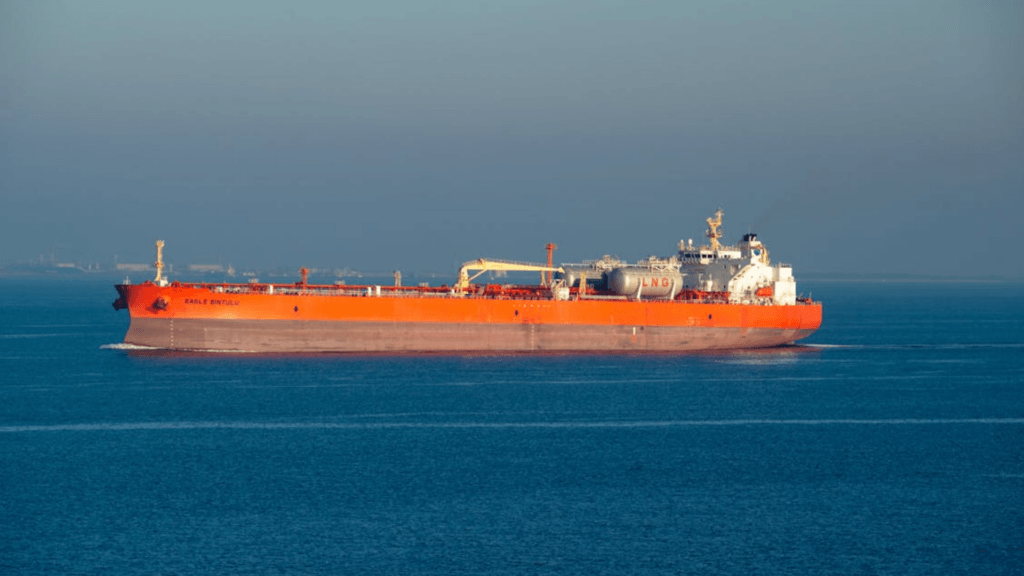
The Middle East plays a central role in global energy supply, and any disruption there tends to send shockwaves through markets worldwide. Recent attacks on oil infrastructure, combined with military strikes and threats to key export hubs, have created uncertainty that traders quickly factor into oil prices. Even the possibility of further escalation has been enough to push crude oil above $100 per barrel in some cases.
Another key factor is the vulnerability of supply chains. With tanker traffic reduced and some shipments delayed or rerouted, global inventories are tightening. This creates a domino effect where refiners, distributors, and retailers all face higher costs, which are ultimately passed down to consumers. Because oil is priced globally, even countries that produce their own energy, like the United States, are still heavily influenced by international events.
Diesel prices, in particular, have been hit hard because they are closely tied to freight, agriculture, and manufacturing. As diesel becomes more expensive, it raises the cost of transporting goods, planting crops, and running heavy equipment. This amplifies the economic impact, turning what starts as an energy issue into a broader inflationary pressure across multiple industries.
What It Means for American Consumers

For everyday Americans, the most immediate effect is higher fuel costs, but the consequences extend far beyond the gas station. As transportation costs rise, businesses often pass those expenses onto consumers in the form of higher prices for groceries, retail goods, and services. Economists warn that sustained increases in fuel prices could slow economic growth and put additional strain on household budgets.
Certain regions are feeling the impact more than others. States like California, where gas prices are already elevated due to taxes and regulations, are seeing some of the steepest increases. Meanwhile, industries that rely heavily on fuel, such as trucking, airlines, and agriculture, are facing rising operational costs that could lead to layoffs, reduced services, or higher prices for consumers.
There is also growing concern about how long the surge could last. Analysts say that as long as tensions remain high and supply routes are disrupted, prices are unlikely to stabilize. Seasonal factors, like the switch to summer fuel blends, could push prices even higher in the coming months, adding another layer of pressure on consumers already dealing with inflation.
A Volatile Situation With No Quick Relief in Sight

The recent spike in gas prices highlights just how interconnected the global economy has become. Events thousands of miles away can quickly impact everyday life in the United States, especially when it comes to energy. The current situation underscores the importance of stable supply chains and the risks posed by geopolitical conflict in key regions.
While policymakers are exploring ways to stabilize prices, including potential strategic reserve releases or diplomatic efforts, these measures may only provide temporary relief. The underlying issue, disrupted supply in a critical region, remains unresolved, leaving markets on edge and prices vulnerable to further spikes.
For now, Americans may need to brace for continued volatility. Whether it’s filling up a gas tank or buying everyday essentials, the effects of rising energy costs are likely to remain a key concern in the weeks ahead, especially if tensions in the Middle East continue to escalate.