

Products are selected by our editors, we may earn commission from links on this page.
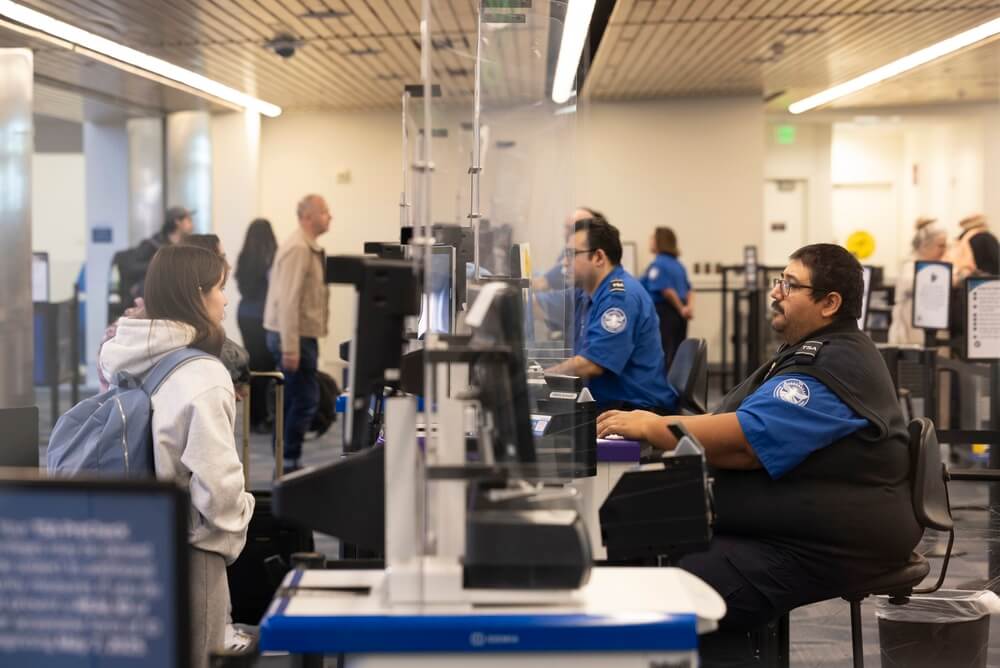
Airport security lines are growing longer, and behind the scenes, hundreds of Transportation Security Administration officers have walked off the job.
Since the Department of Homeland Security funding lapsed on Feb. 14, more than 300 TSA employees have left the agency, according to official figures reported by multiple outlets. At the same time, unscheduled absences have surged nationwide as officers continue working without pay.
TSA officers missed both a partial and then a full paycheck during the shutdown. Transportation Secretary Sean Duffy said the number of callouts has doubled compared to pre-shutdown levels. For many frontline workers who do not earn high salaries, going weeks without income has created immediate financial strain.
Absences Double, Lines Stretch for Hours
Internal TSA statistics obtained by CBS News show that the nationwide callout rate climbed to around 6% during the shutdown, compared with roughly 2% before funding lapsed. Some days saw even higher spikes.
At major hubs, the numbers were far more severe. John F. Kennedy International Airport recorded an average 21% absence rate. Houston’s Hobby Airport saw more than half of scheduled officers call out on certain days. Atlanta, New Orleans, and Pittsburgh also reported double-digit absence rates.
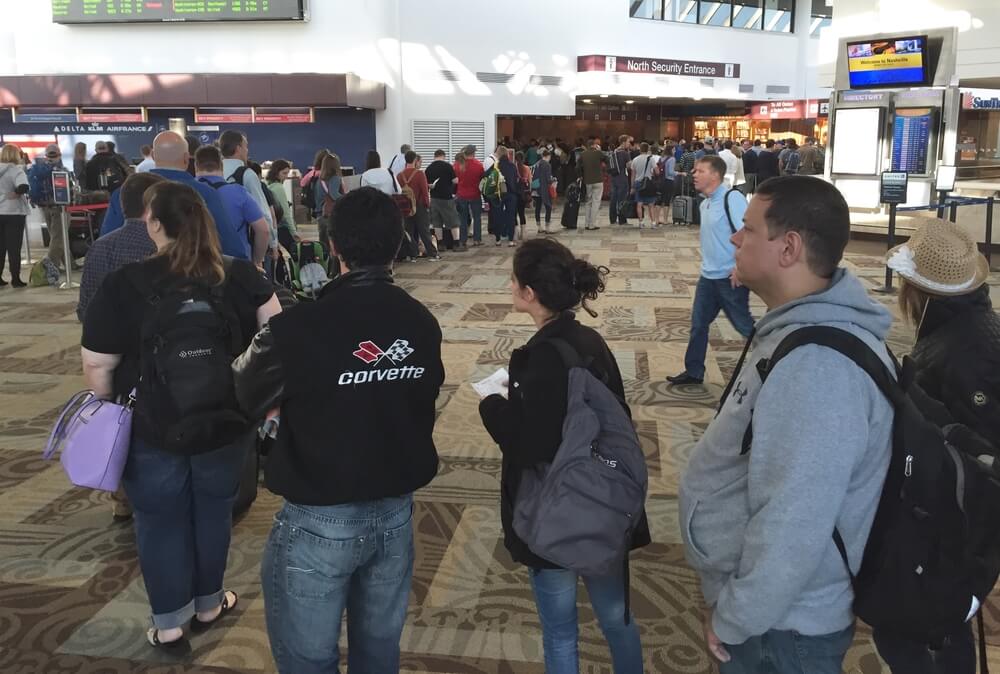
The impact has been visible to travelers. Passengers at airports in Atlanta, Houston, New Orleans, and South Florida reported waiting anywhere from 20 minutes to several hours to clear security. In some cases, airports urged travelers to arrive three to five hours before departure.
Why Officers Are Walking Away
Union leaders and TSA officers say the departures are not surprising. While federal workers are legally guaranteed back pay once a shutdown ends, that does little to help families facing rent, gas, and grocery bills right now.
George Borek, a TSA officer and labor representative in Atlanta, told CNN that many officers are experiencing serious stress and uncertainty. Some employees have reportedly withdrawn retirement savings, borrowed from relatives, or struggled to cover basic expenses as paychecks stopped.
Former TSA Administrator John Pistole warned that prolonged shutdowns can have lasting workforce consequences. Replacing departing officers can take four to six months because of required training. Officials worry that repeated funding lapses could permanently damage recruitment and retention.
What This Means for Travelers
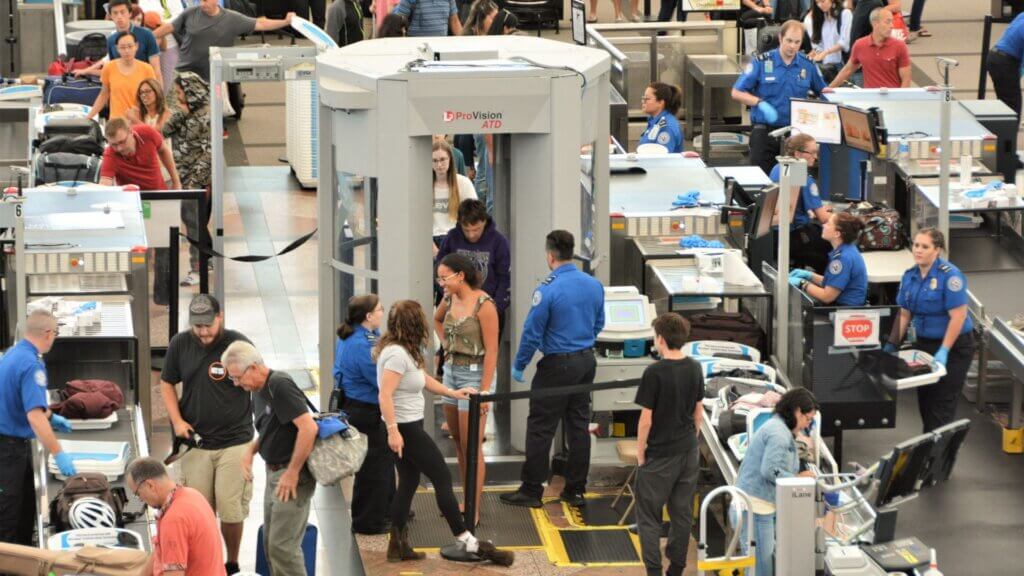
TSA officers are considered essential employees, meaning they must continue working even when funding lapses. Roughly 50,000 to 60,000 screeners have been working without pay since mid-February.
Airports have responded in different ways. Some have consolidated checkpoints or reduced screening lanes. Others have set up donation drives to support unpaid officers with grocery gift cards and essential supplies. Meanwhile, airline CEOs have urged Congress to restore DHS funding, warning that the strain on security operations threatens to worsen as spring break travel increases.
With no funding deal finalized, the first full missed paycheck has intensified concerns that more officers could quit or call out in the coming weeks. For travelers, the message from airports has been consistent: arrive early, expect delays, and understand that the disruption reflects a broader funding standoff rather than a failure of frontline staff.